



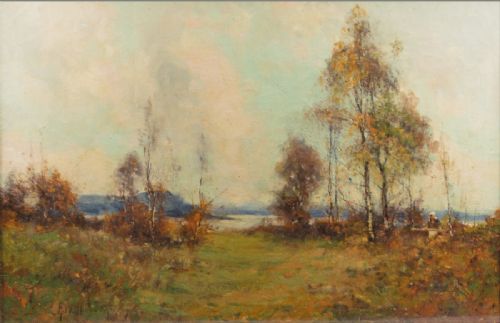
Impressionist Fine Art Landscape
Impressionist fine art landscape pieces capture fleeting light and atmosphere outdoors, bringing luminous brushwork and rich texture into modern interiors.
Impressionist Fine Art Landscape
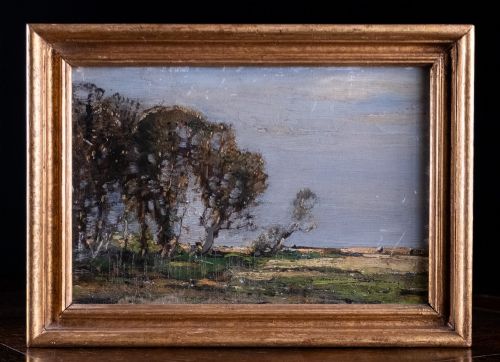
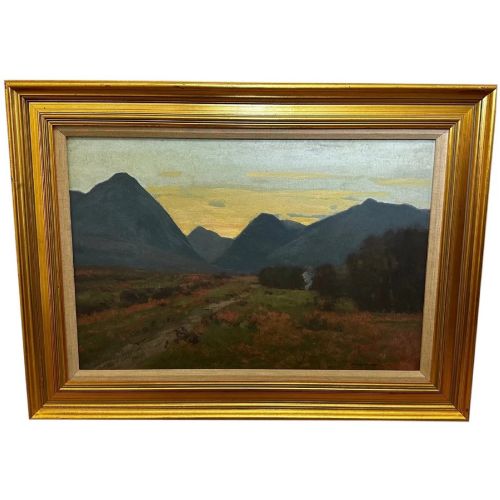
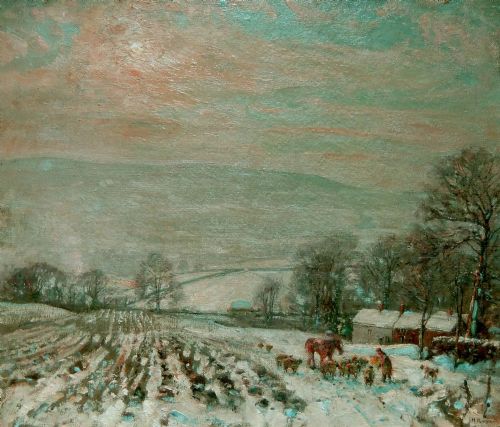
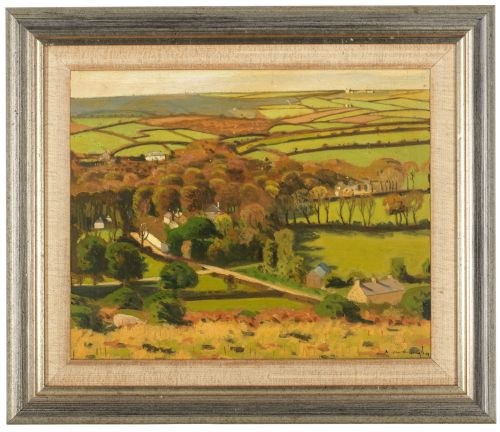
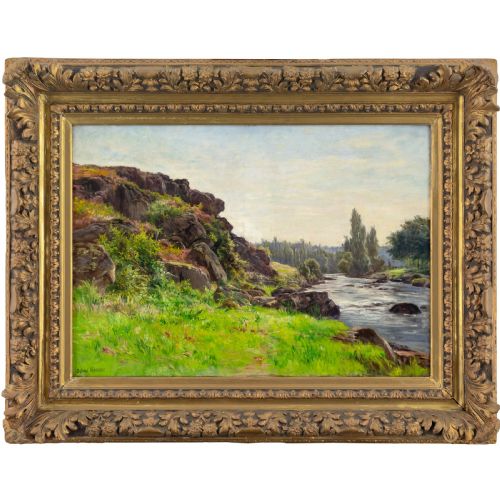
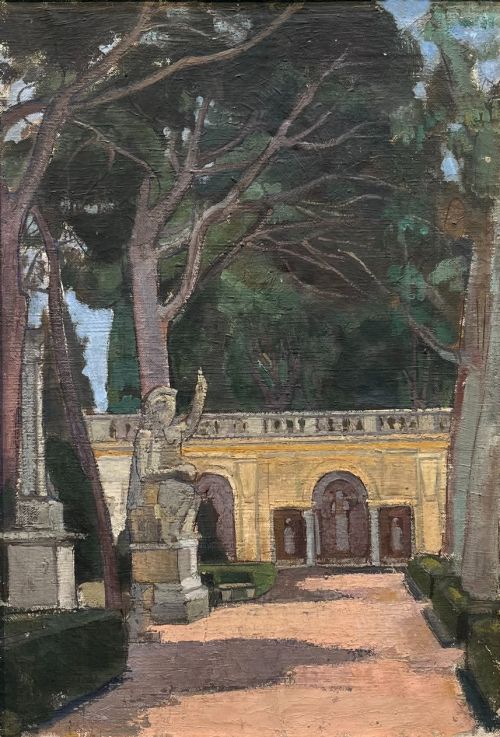
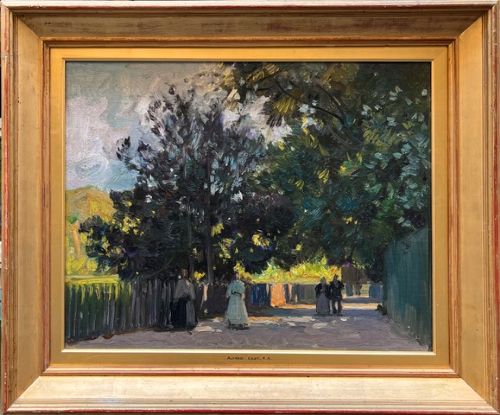
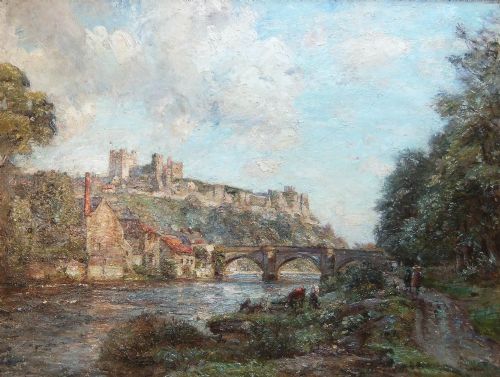
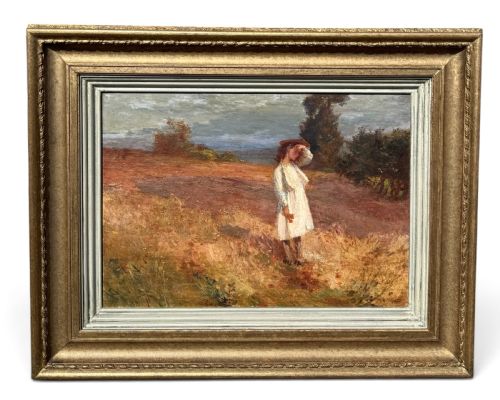
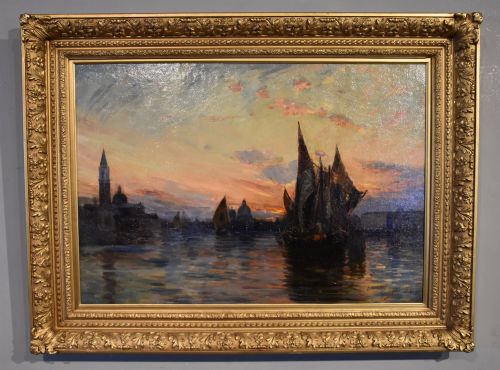
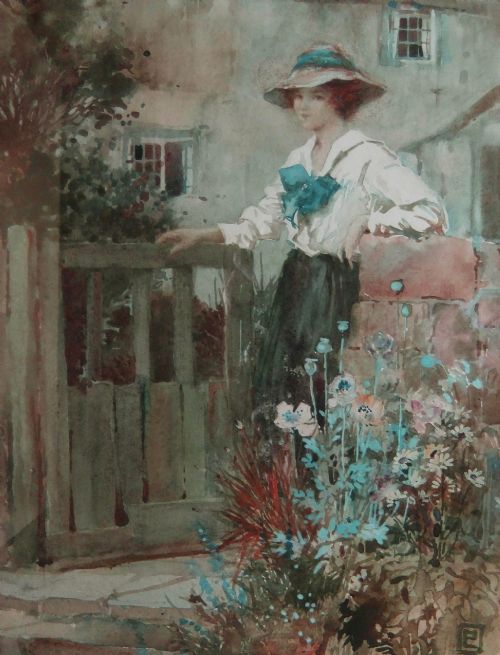
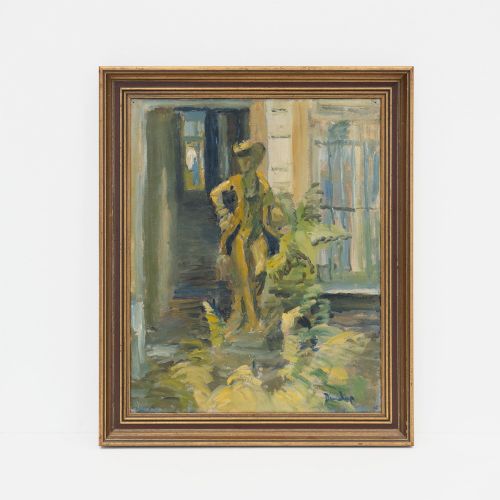
When you search for impressionist fine art landscape, you encounter oils and watercolours capturing natural scenery through loose, expressive brushwork. These works focus on shifting light, weather conditions, and open-air subjects such as rivers, woodlands, and coastal paths.
The pieces on this page span the nineteenth and twentieth centuries, featuring British, French, and Scottish regional interpretations. You are most likely to meet oil paintings on canvas or board from the Edwardian era and the interwar decades.
Makers range from regional British painters working in Yorkshire and Nottinghamshire to continental artists associated with the Barbizon School and French Impressionism. Each piece records a distinct topographical view interpreted through the lens of modern light and colour.
Materials and technique
Artists built these scenes using oil paint or watercolour applied to stretched canvas, wooden panels, or paper supports. Oil mediums allowed for thick, textured applications of pigment, while watercolour captured transparent washes of natural light.
Many works retain their original period frames constructed from gilt wood and ornamented with gesso mouldings. These frames complete the composition by containing the atmospheric depth of the painted landscape.
Several canvases capture quiet rural moments, including childhood ponies waiting patiently in stableyards.
What separates the finest works
Quality rests on the confidence of the brushwork and the artist's ability to render natural light convincingly across the canvas. Superior examples display assured handling that suggests atmosphere and movement with minimal descriptive detail.
The relationship between the pigment and the support also defines the calibre of a piece. Finer works maintain structural integrity in the paint layer while preserving the vibrant immediacy of the initial outdoor sketching session.
George Graham·Kershaw Schofield·George Houston·Herbert Royle·Robert Morson Hughes·Gabriel Mathieu·Alfred East·Paul Desire Trouillebert·Umberto Volpato·Thomas Hodgson Liddell·Percy Lancaster·Ronald Ossory Dunlop·Alexander Wellwood Rattray·Archibald Kay·Edgar Woollatt·Gaston Cornil·Raymond Moritz·Harry Freckleton·Jean Baptiste Olive·David Murray·Gabriel Dauchot·Arthur Herbert Rigg·Reginald Grange Brundrit·William Greaves·Owen Bowen
The Impressionist Fine Art Landscape Glossary
- Barbizon School
- A mid-nineteenth-century French art movement dedicated to naturalistic landscape painting. Painters in this circle worked directly from nature, influencing later impressionist developments.
- Gesso
- A plaster-like material applied to wooden frames before gilding or painting. It provides a smooth surface for intricate decorative moulding.
- Oil on Board
- A painting executed on a rigid wooden or composite board rather than woven canvas. This surface offers a stable support favoured by plein-air artists.
- Post-Impressionism
- An art style following Impressionism that retained vivid colours and thick paint application while exploring more structured forms. It embraces both British and continental interpretations.
- Watercolour
- A paint consisting of water-soluble pigments used to create translucent washes on paper. Artists utilised this medium for rapid outdoor studies and finished landscapes alike.
Impressionist Fine Art Landscape: Frequently Asked Questions
What defines an impressionist landscape?
An impressionist landscape focuses on the visual sensation of a scene rather than precise botanical detail. Artists use rapid brushstrokes and unblended colours to capture natural light and atmospheric conditions.
These compositions frequently depict outdoor subjects such as rivers, gardens, and coastal cliffs observed at specific times of day.
How do I care for an oil painting?
Protect oil paintings from direct sunlight and sudden temperature fluctuations to prevent the canvas or wood panel from warping. Keep the surface clean using a soft, dry brush to remove dust gently.
Avoid placing these artworks near heat sources or in damp environments that could compromise the gesso and gilt wood frames.
What is the Barbizon School?
The Barbizon School refers to a group of French painters who gathered in the village of Barbizon during the nineteenth century. They championed direct observation of nature and tonal realism.
Their outdoor studies laid foundational techniques for subsequent impressionist artists across Europe.
How do watercolours differ from oils?
Watercolours utilise water-soluble pigments applied to paper supports, resulting in luminous, translucent layers of colour. They are typically glazed and framed behind protective glass.
Oil paints use drying oils on canvas or board, allowing for heavier impasto textures and opaque colour adjustments.