





Rustic Cottage Landscape Painting
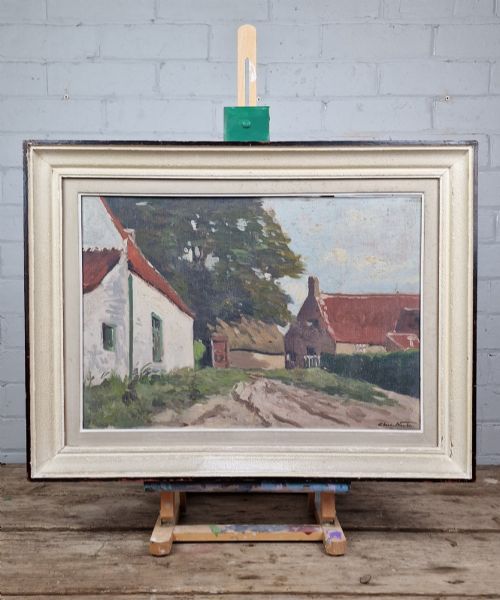
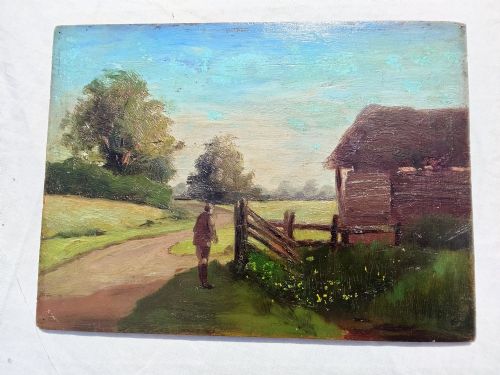
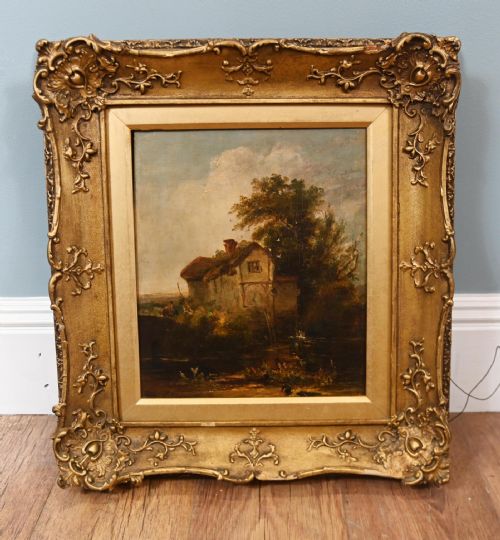
A rustic cottage landscape painting captures the rural idyll of past centuries through rendered depictions of country homes, farmyards, and quiet village lanes.
Rustic Cottage Landscape Painting
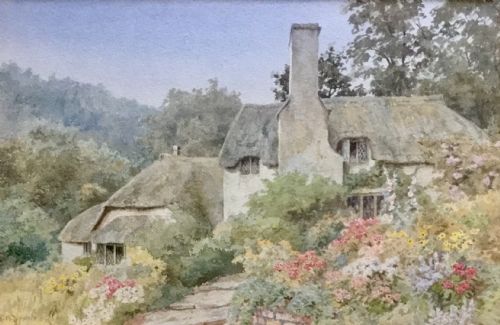
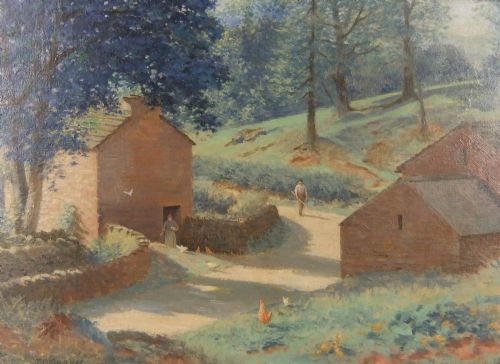
A rustic cottage landscape painting depicts rural scenes featuring traditional dwellings, farmhouses, and pastoral settings. These artworks capture the charm of the countryside through depictions of thatched roofs, country lanes, and farmyard life.
Most pieces encountered on this page originate from the nineteenth and early twentieth centuries, spanning periods from the Georgian era through to the mid-twentieth century. The selection includes works created in various British and European schools, reflecting changing attitudes toward rural life.
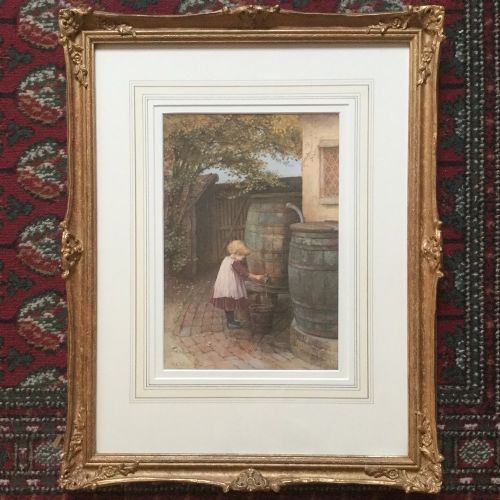
The subjects range from solitary cottages by rivers to busy farmyards with figures, animals, and carts. Artists utilised oil paint on canvas, wood, or board, alongside delicate watercolours on paper, to record these agrarian views.
How They Were Made
These works rely primarily on oil paint applied to canvas, wooden panels, or wooden boards, or watercolour pigments worked onto paper. Artists built up their compositions using brushwork that ranged from fine, detailed academic applications to looser impressionistic strokes.
Supports varied according to the period and the artist's preference, with wooden boards and stretched canvases dominating oil works, while paper served as the standard ground for watercolours. Frames of wood and glass frequently protected the more fragile paper pieces from atmospheric damage.
Listings feature works executed in oil on canvas, oil on wood, and watercolour on paper across various nineteenth and twentieth-century periods.
What Varies in Quality
Quality in these rural scenes rests upon the artist's command of light, atmosphere, and naturalistic proportion. Superior examples demonstrate a confident handling of pigment that brings depth to foliage, skies, and rustic masonry.
The sophistication of the composition separates standard decorative works from accomplished artistic achievements. Stronger pieces reveal a deliberate arrangement of tonal values and perspective that draws the viewer into the rural space.
Charles Houben·Charles Edward Wilson·Charles Vickers·THOMAS JAMES LLOYD·Abraham Hulk Junior·DAVID WOODLOCK·HENRY SYLVESTER STANNARD·WALTER HENRY SWEET·THOMAS NICHOLSON TYNDALE·Ernest Higgins Rigg·T.B.Garvie·William Greaves·James ward·George Morland·THERESA SYLVESTER STANNARD·Yeend King·James Hughes Clayton·John F. Pasmore·G R Vaughan·Georgina Lara·Joseph Paul·Kershaw Schofield·Amédée Degreef·WILLIAM J J C BOND
The Rustic Cottage Landscape Painting Glossary
- Oil on Canvas
- Pigment mixed with drying oil applied to a woven fabric stretched across a wooden frame. This combination allows for rich colour blending and texture.
- Watercolour
- A painting method in which the paints are made of pigments suspended in a water-based solution. It is typically executed on paper to create translucent washes of colour.
- English School
- A term used to classify artworks produced by British artists sharing stylistic traditions or working within a specific national heritage. It often groups together painters whose individual identities are secondary to their regional style.
- Post-Impressionism
- An art movement extending roughly from the late nineteenth century that rejected naturalistic depiction in favour of expressive use of form and colour. Practitioners built upon impressionist foundations while exploring more personal interpretations.
- Victorian Genre Art
- Painting that depicts aspects of everyday life, often featuring ordinary people engaged in common activities within domestic or rural settings. These works frequently carry narrative or sentimental elements.
Rustic Cottage Landscape Painting: Frequently Asked Questions
What periods do these paintings come from?
The works span from the eighteenth century through to the mid-twentieth century. Most examples originate in the nineteenth century and the Edwardian period.
Artisans and painters of various regional schools contributed to this heritage over several generations. Each period brought distinct shifts in materials and painting techniques.
How should I care for an antique watercolour?
Watercolour paintings require protection from direct sunlight to prevent the fading of delicate pigments. Framing behind glass helps shield the paper from airborne pollutants and moisture.
Maintaining stable indoor humidity levels ensures the paper support remains structurally sound over time. Professional conservation framing offers the best long-term preservation.
What is the difference between oil on canvas and oil on board?
Oil on canvas involves stretching woven fabric over a wooden frame, providing slight give and a textured surface. Oil on board uses a rigid wooden substrate, which offers a completely firm painting ground.
Both supports were widely utilised across the nineteenth century depending on the artist's preference. Rigid boards often indicate a smaller, portable study or a panel painting.
How do I recognise a rural genre scene?
Rural genre scenes focus on daily life, farm work, and cottages rather than grand historical or mythological events. Figures of farmworkers, children, or animals frequently populate these agrarian settings.
These compositions reflect contemporary romanticised views of the British and European countryside. Artists sought to capture the authentic rhythms of rural communities.