



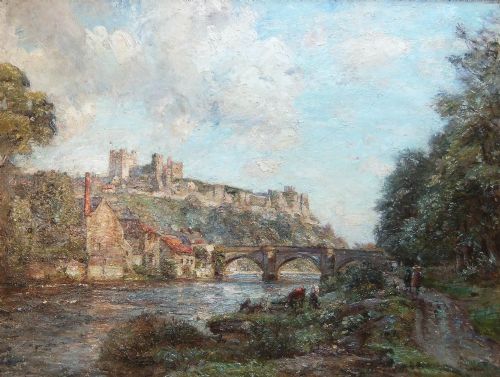
Impressionist Fine Art Canvas
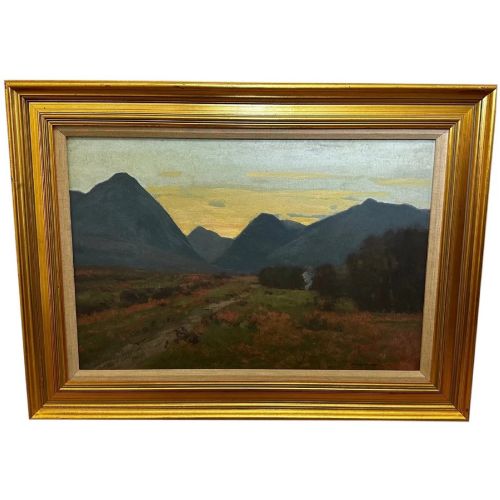
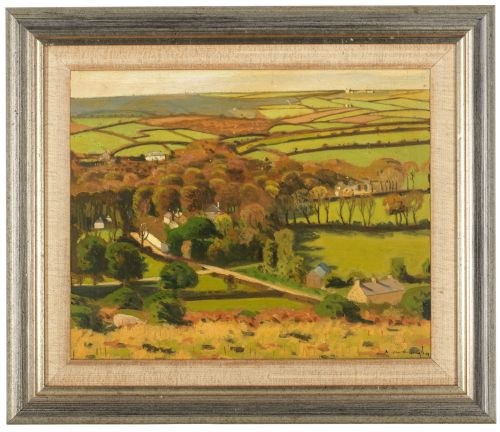
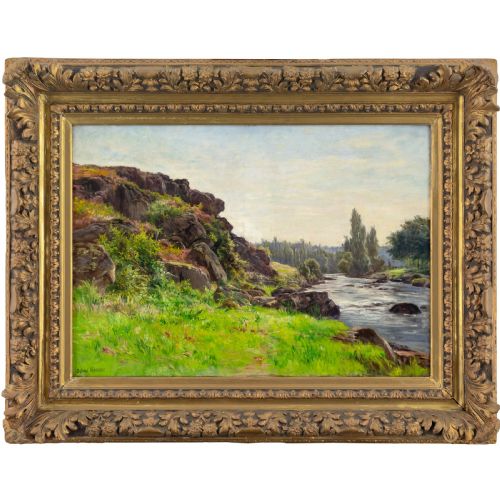
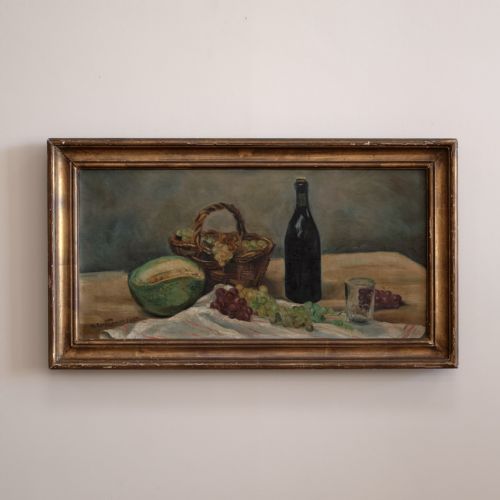
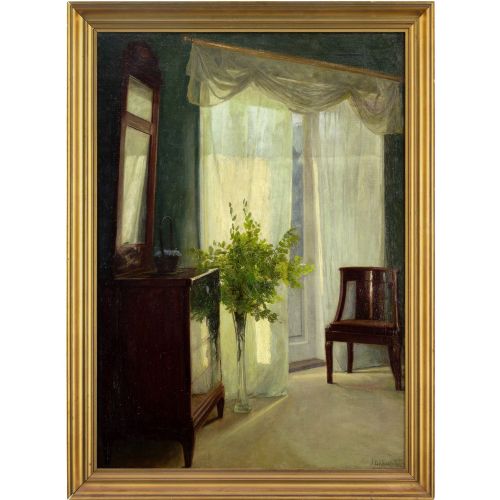
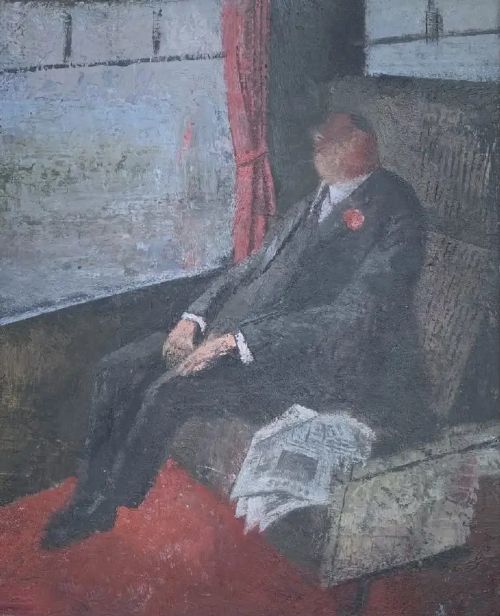
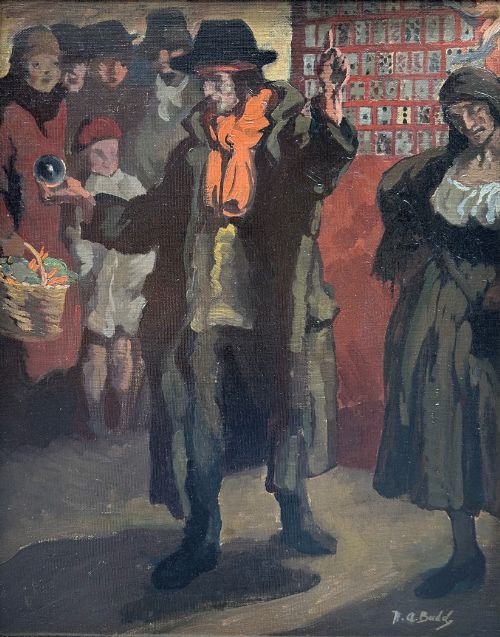
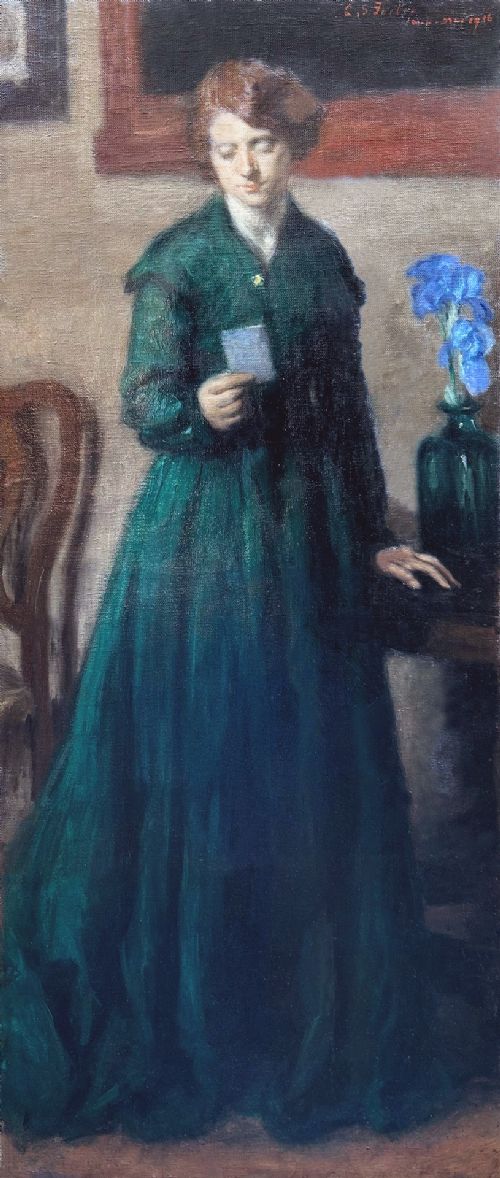
Impressionist fine art canvas works capture light and atmosphere through textured brushwork across various British and European schools.
Impressionist Fine Art Canvas
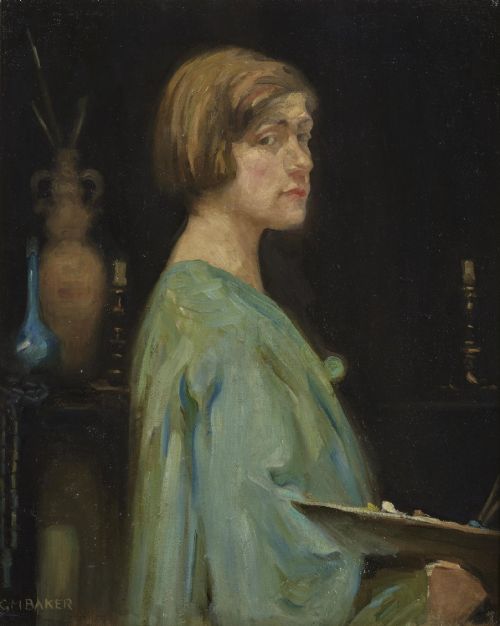
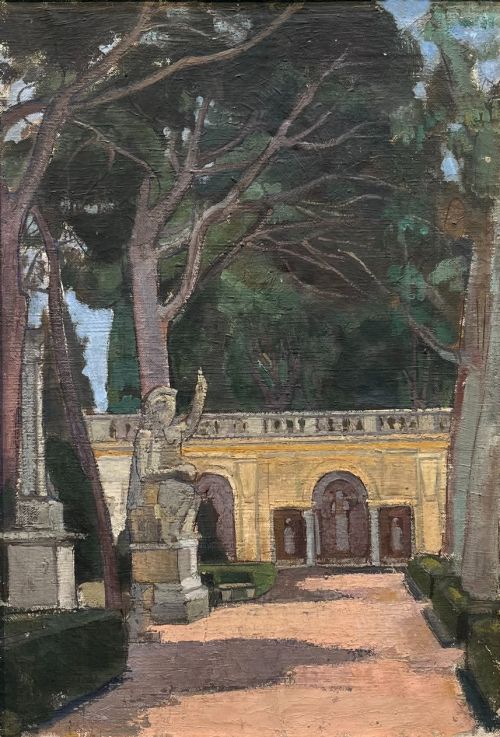
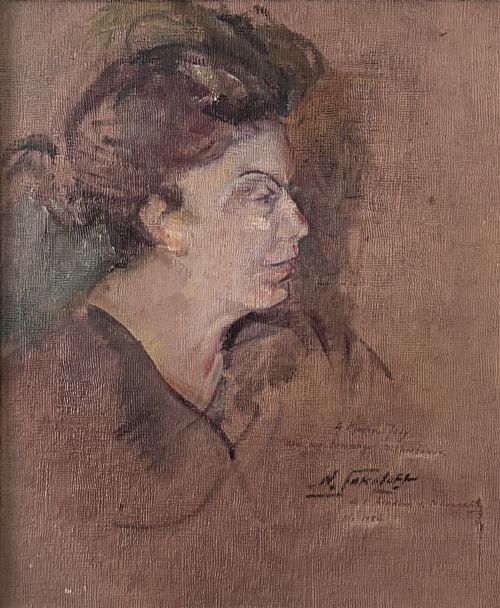
When you search for impressionist fine art canvas, you encounter oil paintings spanning the late nineteenth century through the mid twentieth century. These works showcase landscapes, seascapes, portraits, and still life compositions created by British, French, Belgian, and Italian artists.
How they were made
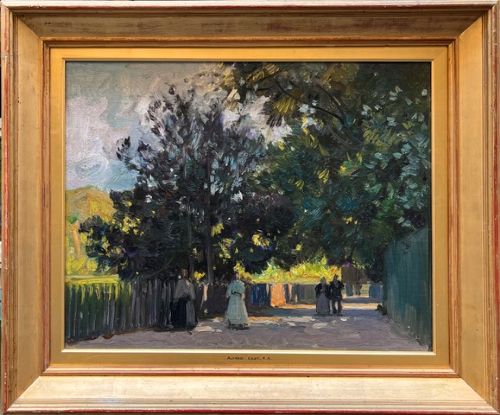
Artists painted primarily with oil paint applied directly onto stretched canvas supported by wooden frames. Many of these historical works retain their original gilt wood frames, often enhanced with ornamental gesso mouldings.
The technique relies on visible, rapid brushstrokes designed to capture transient effects of natural light rather than precise botanical or architectural detail.
Several canvases preserve the actual dust and studio ambiance of early twentieth-century painters who worked outdoors.
What varies in quality
Quality rests in the confidence of the brushwork and the artist's ability to render atmosphere and light convincingly across the canvas. Stronger examples display a purposeful handling of pigment that creates depth and movement within the scene.
The preservation of the original paint surface and the compatibility of the period frame contribute significantly to the standing of an individual canvas.
George Graham·George Houston·Herbert Royle·Robert Morson Hughes·Gabriel Mathieu·John Lübschitz·Herbert Ashwin Budd·Charles Stuart Forbes·Gladys Marguerite Baker·Sir Alfred East·Paul Désiré Trouillebert·Umberto Volpato·Thomas Hodgson Liddell·Philip Naviasky·William Watt Milne·Ronald Ossory Dunlop·Victor Simonin·Archibald Kay·Raymond Moritz·Henri Vincent-Anglade·Frans Gailliard·Harry Freckleton·Jean-Baptiste Olive·Gabriel Dauchot·Arthur Herbert Rigg
The Impressionist Fine Art Canvas Glossary
- Canvas
- A heavy woven fabric used as a surface for oil painting. It is typically stretched tightly over a wooden frame before application.
- Gesso
- A plaster-like mixture applied to wooden frames to create a smooth surface for gilding. It provides ornate relief detail around the painting.
- Post-Impressionism
- An art movement extending impressionist techniques while emphasising symbolic content, heavier outlines, or more defined geometric forms. It developed towards the end of the nineteenth century.
- Luminism
- An impressionist-related style focusing on the effects of light on landscape, emphasising tranquility and atmospheric clarity. It is frequently observed in late nineteenth and early twentieth century works.
- Gilt
- A thin layer of gold leaf applied to wood or gesso frames. This finish enhances the visual boundary of the painting.
Impressionist Fine Art Canvas: Frequently Asked Questions
How do I date an impressionist canvas?
Dating relies on stylistic markers, artist signatures, and framing techniques characteristic of specific decades between the late nineteenth and mid twentieth centuries. Exhibition labels or inscriptions on the reverse of the canvas also provide reliable chronological evidence.
Comparison with documented works by the same school helps narrow the period of execution. Costume in portraits and architectural details in landscapes offer further clues.
Were all these artists British?
The selection includes significant representation from British schools alongside continental European artists, particularly from France and Belgium. Movement and training circulated widely between artistic centres like Paris, Rome, and regional British hubs.
Artists frequently painted abroad, recording foreign landscapes while retaining their distinct national training and stylistic approach.
How should I hang an oil painting?
Select a wall away from direct sunlight and fluctuating heat sources to protect the canvas and oil pigments. Secure the weight of the frame using appropriate fixings suited to your wall type.
Ensure the painting hangs at a comfortable eye level to best appreciate the brushwork and atmospheric depth.
What defines a Post-Impressionist work?
Post-impressionist canvases build upon impressionist light studies by introducing bolder personal expression, structure, and emotional resonance. Artists experimented more freely with colour harmonies and form.
This approach marks a transition towards twentieth century modernism while retaining roots in plein air observation.