





Nineteenth Century Style Artwork
Nineteenth century style artwork brings historic portraits, maritime scenes and landscapes into a room through oil, canvas, and gold leaf.
Nineteenth Century Style Artwork
Nineteenth century style artwork comprises paintings, drawings, and framed pictures drawing on Victorian, Post-Impressionist, Pre-Raphaelite, and Renaissance Revival aesthetics. Buyers seeking this phrase encounter oil paintings on canvas or wood, pastels, watercolours, and detailed portraiture or landscapes.
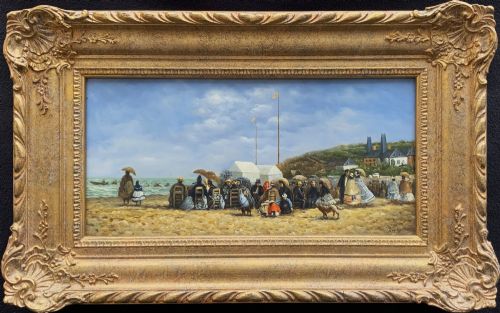
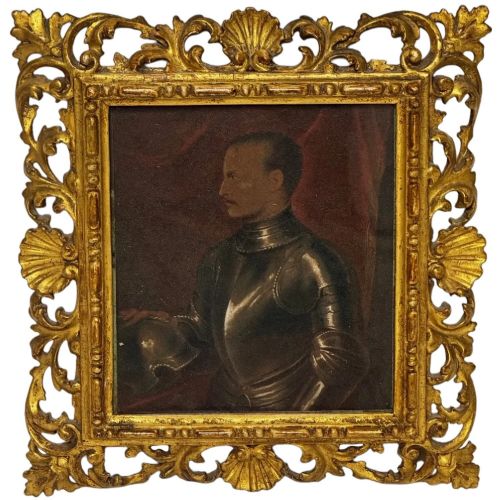
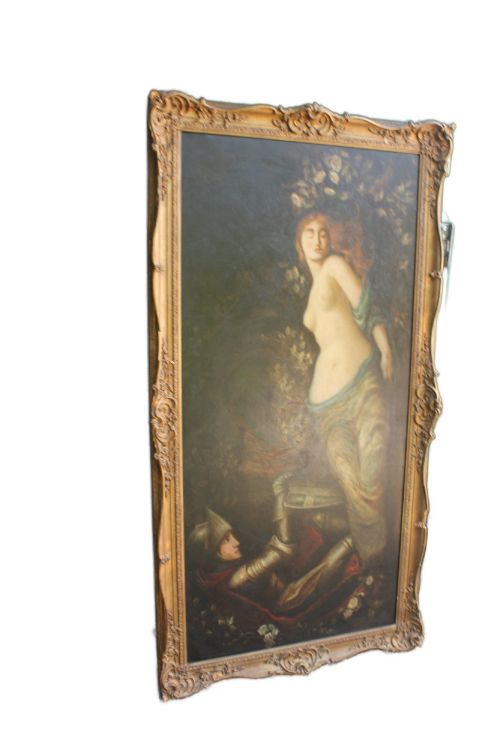
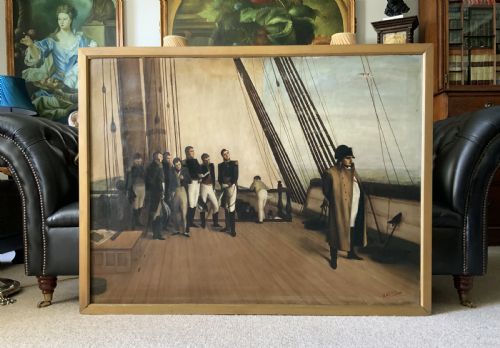
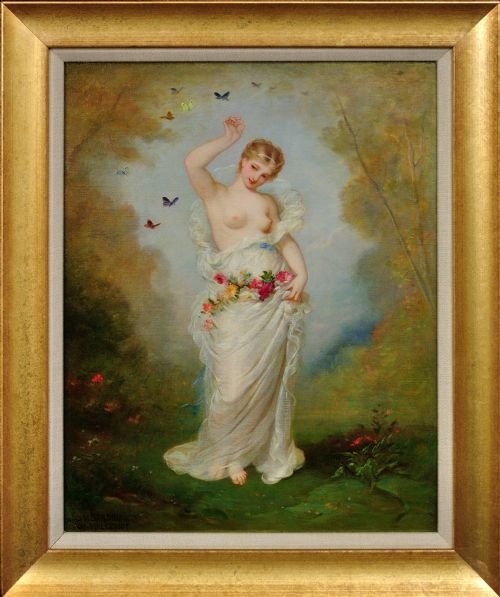
The pieces on this page span oil paintings, wall art, framed artwork, and picture frames originating from periods including the nineteenth century, Edwardian era, and Victorian times. Many items depict historical genre scenes, maritime moments, mythological themes, or architectural views after earlier masters.
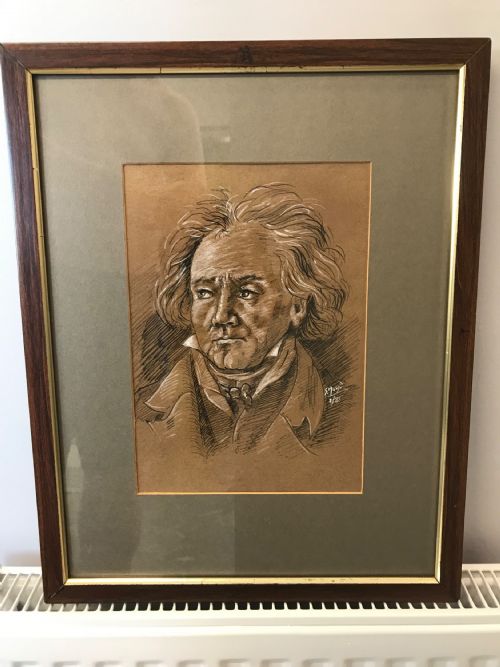
Examples range from grand portraits of noblewomen and composers to pastoral landscapes and coastal gatherings. These works frequently arrive housed in heavy gilt wood and gesso frames that complement the historic visual character of the imagery.
Materials and Technique
Artists painted primarily with oil paint upon stretched canvas or wooden panels, applying layers to build depth in subjects like portraits, animals, and landscapes. Watercolours, ink, wash, gouache, and pastels appear on paper and canvas supports for lighter or more graphic compositions.
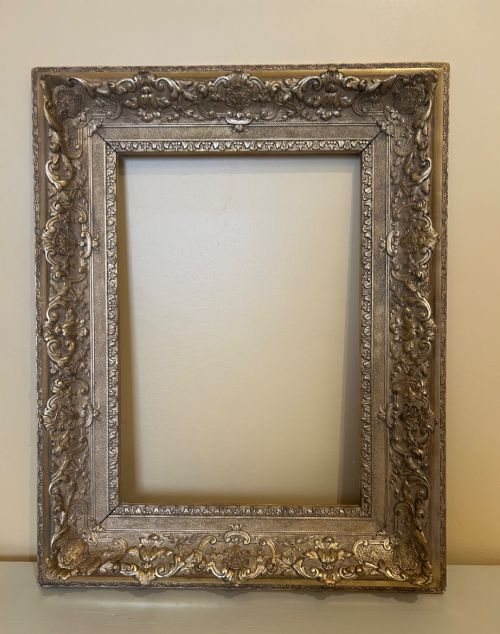
Frames and decorative elements utilise carved wood, gesso moulding, and applied gold leaf to create ornate borders. These gilded surrounds reflect the decorative standards of nineteenth century domestic interiors and salon exhibitions.
Several canvases capture dogs playing, cats observing, and lions resting, proving that historic artists loved pets just as much as we do.
Judging Quality
Quality rests upon the skill of the brushwork, the handling of light and shadow, and the anatomical accuracy within figurative or animal subjects. Masterful execution shows in the subtlety of facial expressions and the convincing texture of fabrics or foliage.
The integrity and preservation of the original support materials, alongside the craftsmanship of the accompanying gilt wood or gesso frame, separate standard decorative items from superior historic examples.
Gian Paolo Pace·Ludwig van Beethoven·Johann Hamza·Raphael·André Charles Voillemot·Sir Edwin Landseer RA·Jean Baptiste Isabey·Vickers·C.E. Howson·Alphonse Robert·Robert Spearman Swinburne·Eloise Harriet Stannard·Andreas Schelfhout·Carlo Ferranti·Geza Vastagh·Wilhelm Alexander Meyerheim·Sir Thomas Lawrence·Master Charles William Lambton
The Nineteenth Century Style Artwork Glossary
- Gesso
- A plaster-like mixture applied to wood before gilding or painting to create a smooth surface for ornament. It provides the base for intricate relief work on ornate frames.
- Pre-Raphaelite
- An artistic style characterised by detailed attention to nature, intense colours, and literary or religious subjects. It originated with a mid-nineteenth century group of English painters.
- Gilt Wood
- Timber coated with a thin layer of gold leaf or metallic powder for decorative effect. This finish defines the appearance of traditional picture frames.
- Genre Painting
- The pictorial representation of scenes from everyday life, ordinary people, or historical narratives. These works capture domestic moments or public gatherings rather than formal portraits.
- Gouache
- An opaque water-based paint that dries to a matte finish, often combined with ink and wash on paper. It allows artists to achieve solid areas of vibrant colour in drawings.
Nineteenth Century Style Artwork: Frequently Asked Questions
What is nineteenth century style artwork?
Nineteenth century style artwork encompasses paintings, watercolours, and drawings produced during the 1800s and early 1900s, or created later in historic revival styles. These pieces include portraits, landscapes, and maritime scenes.
They reflect the artistic movements of their time, ranging from academic realism and Post-Impressionism to Pre-Raphaelite and classical revival aesthetics.
How should I hang heavy framed paintings?
Heavy framed paintings require secure wall anchors and fixings rated for the combined weight of the canvas and the solid wood or gesso frame. Wall studs or appropriate masonry plugs ensure safety.
Positioning the artwork away from direct sunlight and damp environments protects both the paint surface and the gilded wooden frame from deterioration.
Are these artworks original pieces?
The selection includes original period paintings, watercolours, and pastels created by named artists or skilled hands of the era. Some works are period copies or studies executed after earlier masters.
Listings specify the medium, such as oil on canvas, pastel, or ink and wash, alongside the associated period or estimated date.
How do I care for antique frames?
Antique gilt wood and gesso frames benefit from gentle dusting with a soft, dry brush to prevent dirt accumulation within carved recesses. Avoid liquid cleaners and chemical solvents.
Maintaining a stable room temperature and humidity level prevents the wood from warping and stops the gesso foundation from cracking or flaking.