



Framed Figurative Landscape Painting
When you search for a framed figurative landscape painting, you are looking for compositions where human activity and scenery meet within a protective border.
Framed Figurative Landscape Painting
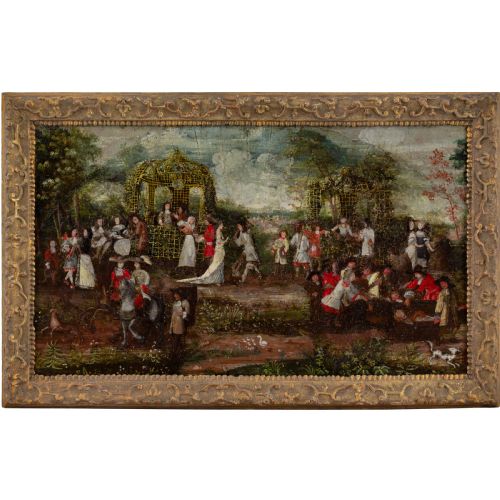
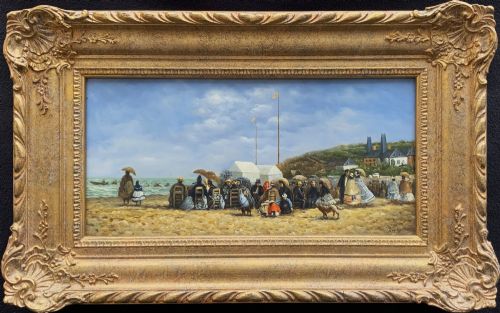
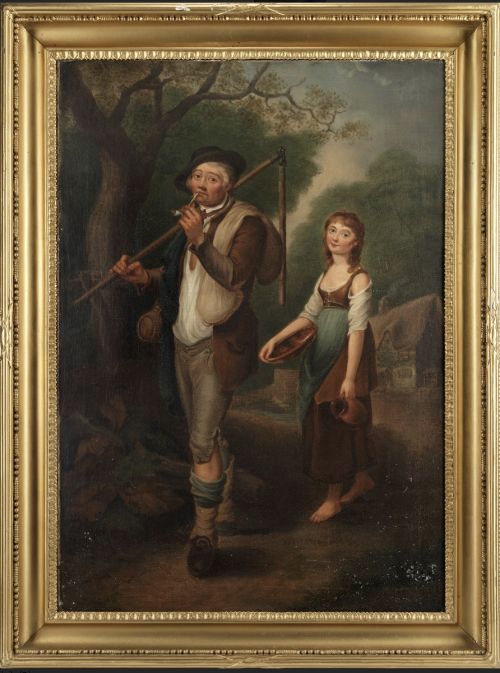
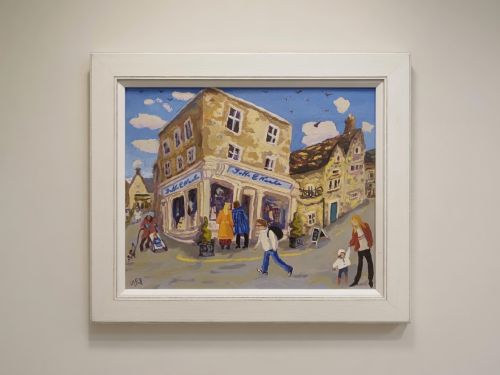
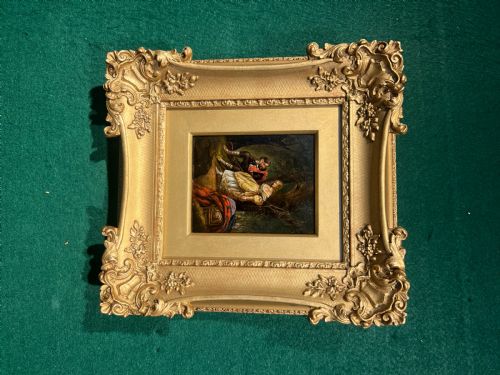
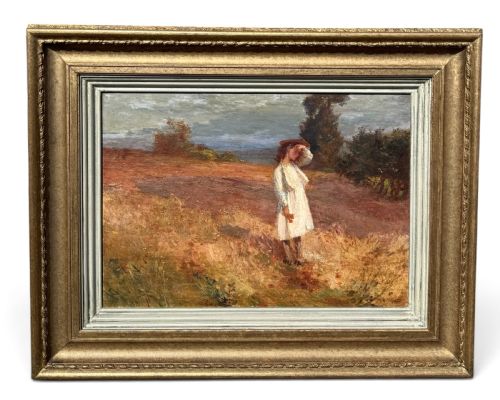
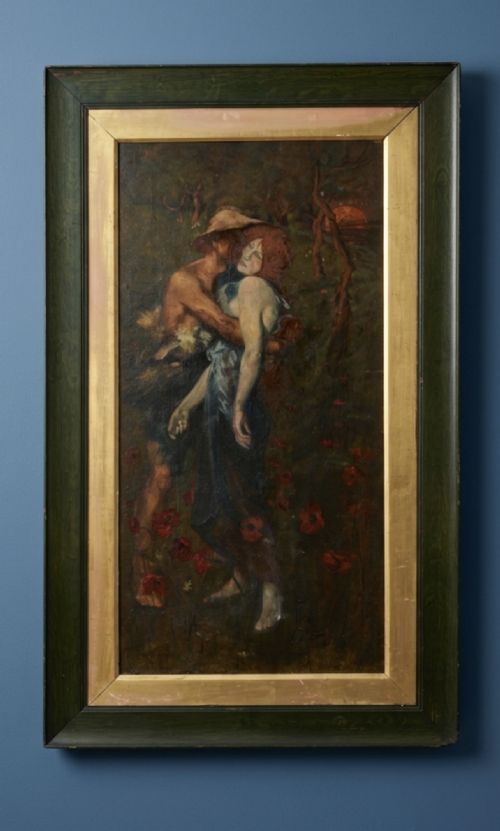
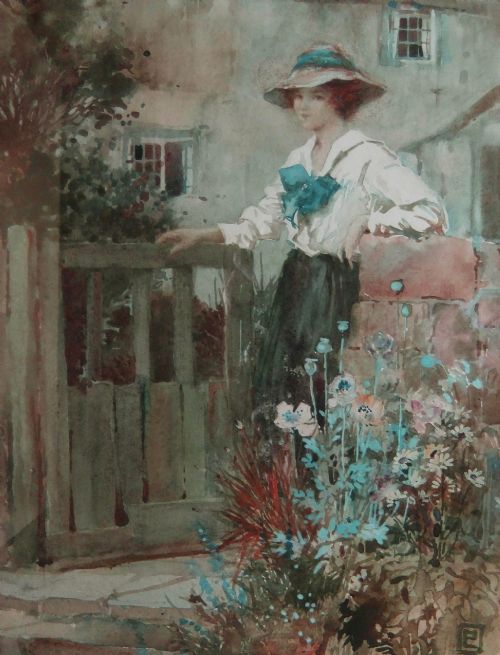
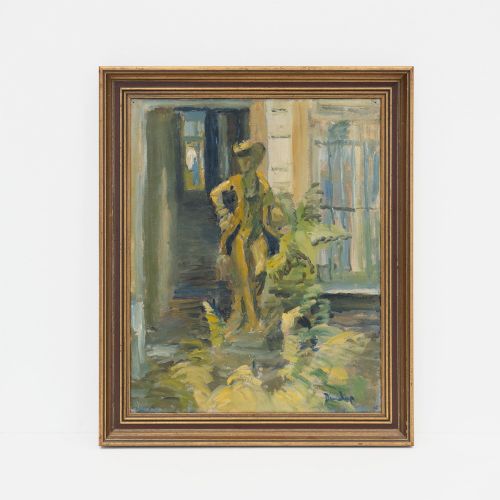
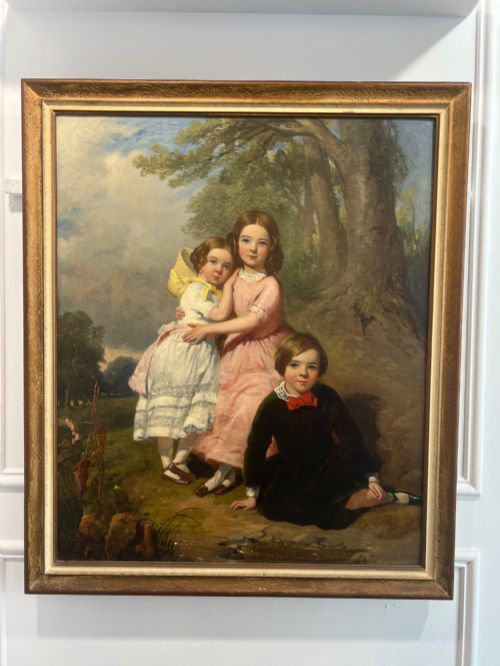
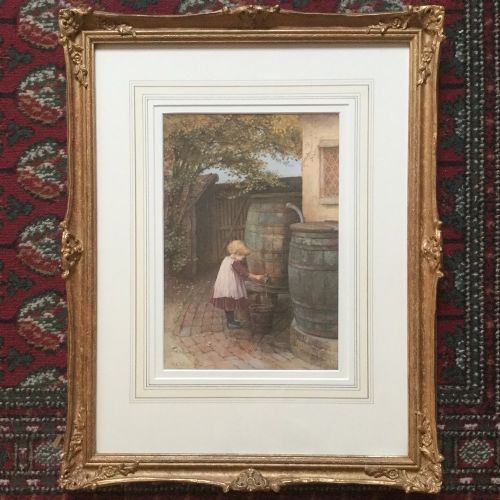
A framed figurative landscape painting places people within an outdoor setting, combining human narrative with natural scenery such as gardens, parks, riversides and coastlines. These works range from seventeenth-century Flemish village scenes and Victorian pastoral gatherings to mid-century modernist coastal views.
The version most commonly met on this page is the oil painting or watercolour housed in wood and gilt frames, spanning periods from the nineteenth century through to the mid-twentieth century. Figures appear either as central subjects engaged in daily toil and leisure or as smaller elements providing scale to expansive vistas.
Collectors encounter works attributed to distinct regional schools, including English, French, Scottish and Dutch traditions, alongside signed compositions by named artists. The enclosing frames serve both a protective function and a defining boundary for the visual space.
Materials and technique
Artists built these works primarily using oil paint applied to canvas, wood panels or paper boards, while others utilised watercolours on paper. The application ranges from smooth, blended nineteenth-century academic brushwork to thicker impasto layers seen in later modernist and impressionist interpretations.
Support structures consist of timber stretchers and backing boards, often paired with glass for works on paper to prevent environmental damage. The surrounding frames combine moulded wood with gesso and gilt finishes, sometimes showing period decorative detailing characteristic of Victorian or Edwardian framing conventions.
Listings span from the seventeenth-century Flemish Baroque period through nineteenth-century romanticism to mid-century modernist works.
Distinctions in quality
Quality rests upon the artist's ability to integrate the human figures convincingly into the surrounding atmosphere and light of the landscape. Superior examples demonstrate confident brushwork, anatomical clarity in the subjects, and a balanced composition that guides the eye naturally through the scene.
The integrity of the physical components also defines the standard, distinguishing works retaining their original stretchers, stable paint layers and period-appropriate frames from those altered or heavily restored over time.
Thomas Barker of Bath·Lucy Pratt·Christine Nesbit·Umberto Volpato·Percy Lancaster·Ronald Ossory Dunlop·Charles Edward Wilson·Philip Richard Morris·Margaret Maitland Howard·Raymond Moritz·William Arthur Breakspeare·Harry Freckleton·Gabriel Dauchot·David Teniers II·Henry E Hobson·Arthur Hopkins·Jean-baptiste Joseph Pater·Rowland Henry Hill·Hendricus Joseph Dillens·Frank Hyde·Augustus Jules Bouvier·Thomas James Lloyd·Jane Maria Bowkett·George Kilburne·Frank Moss Bennett
The Framed Figurative Landscape Painting Glossary
- Impasto
- Paint applied thickly to a canvas or board, standing out in relief from the surface so that the marks of the brush or palette knife remain visible. This technique adds tactile depth and catches light across the painted surface.
- Genre painting
- Artwork depicting scenes from everyday life, typically featuring ordinary people engaged in common activities rather than historical or mythological events. These works offer insight into social history and domestic routines.
- Gilt wood
- Timber coated with a thin layer of gold leaf or metallic powder, frequently used for decorative picture frames. The finish provides a reflective border that separates the artwork from its surroundings.
- Watercolour
- A paint consisting of pigment suspended in a water-based solution, traditionally applied to absorbent paper. The medium relies on the white of the paper showing through transparent washes to create luminosity.
Framed Figurative Landscape Painting: Frequently Asked Questions
What defines a figurative landscape?
A figurative landscape incorporates human presence as a key element within an outdoor environment. The people depicted interact with the natural setting rather than serving merely as background details.
These pieces balance the portrayal of topography or weather with the actions, clothing, and expressions of the figures present. Such works document both natural history and human society across different centuries.
How should these paintings be displayed?
Display these works on interior walls away from direct sunlight and excessive moisture to protect the pigments and wooden supports. Maintaining stable room temperatures prevents the canvas or wood panel from expanding and contracting.
Ensure the hanging hardware securely supports the weight of both the artwork and its heavy wood or gilt frame. Professional picture hooks suited to the wall material provide the safest installation.
How can I tell the age of a painting?
Dating relies on examining the materials, including the type of canvas, the composition of the wood stretcher, and the style of the frame. Pigment analysis and canvas preparation also offer clues to the period of creation.
Stylistic markers such as artist signatures, clothing styles of the figures, and framing techniques help narrow down the decade of production. Comparative study with documented works by known schools provides further verification.