
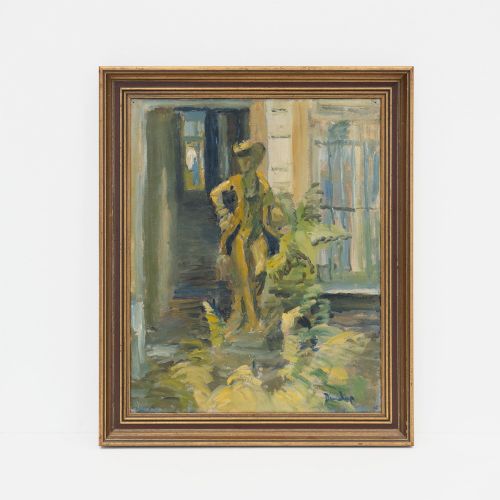


Impressionist Figurative Painting
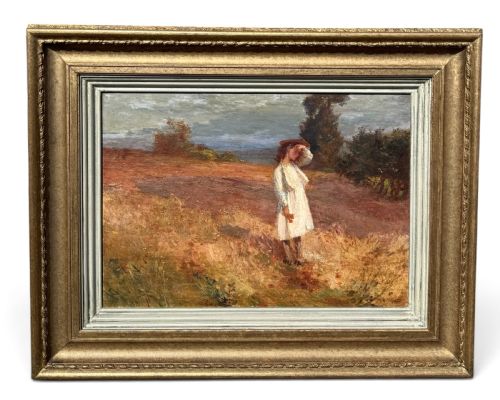
Impressionist figurative painting captures people in daily life through loose brushwork and a focus on natural light, spanning from the late nineteenth century into the mid-twentieth century.
Impressionist Figurative Painting
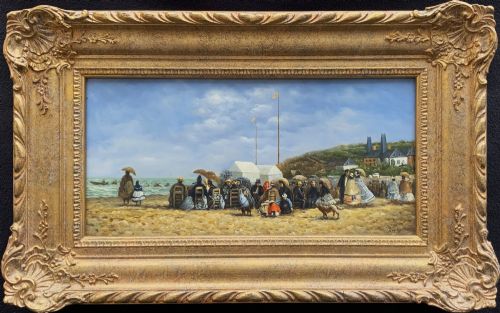
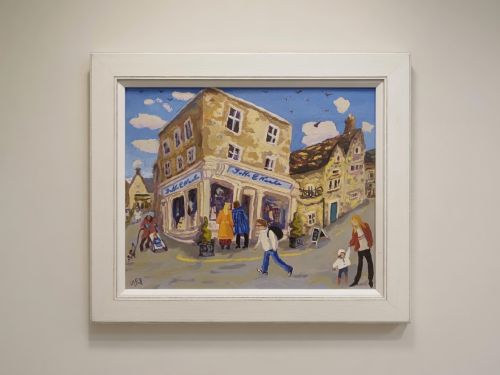
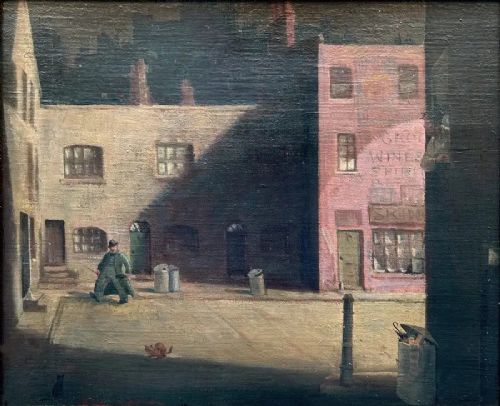
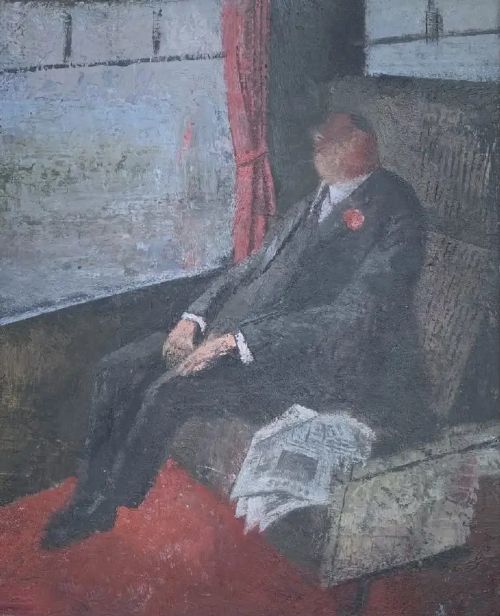
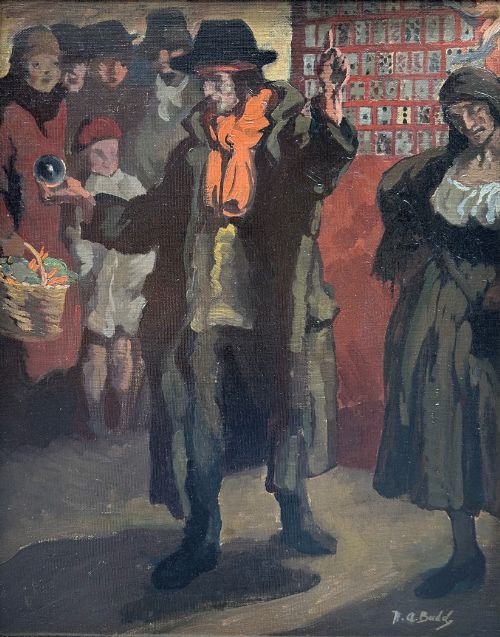
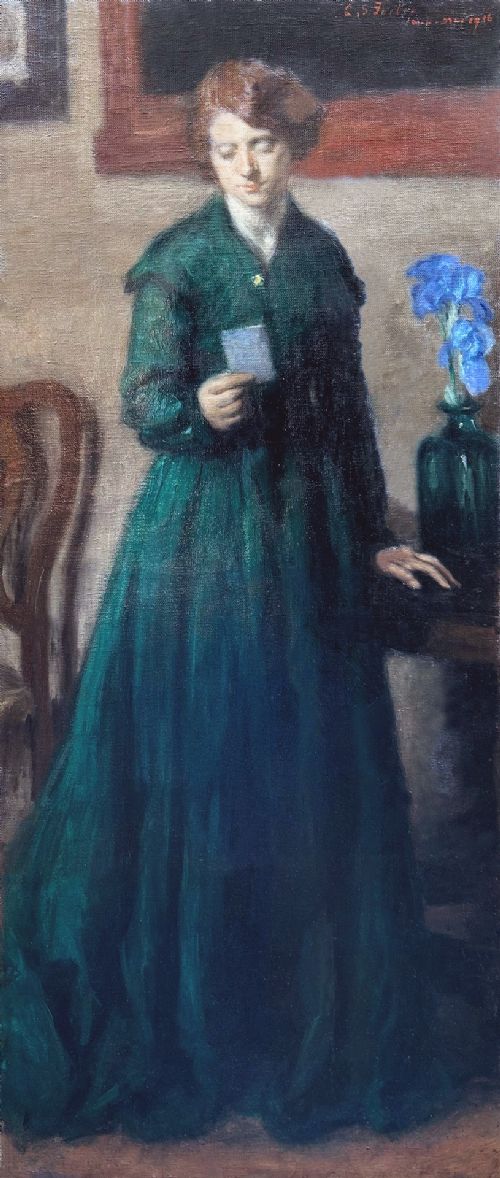
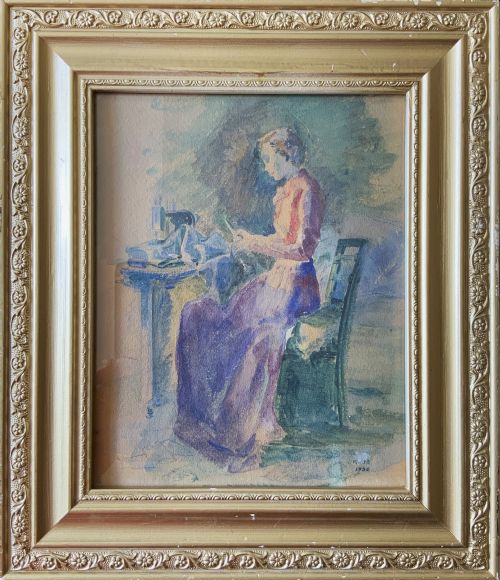
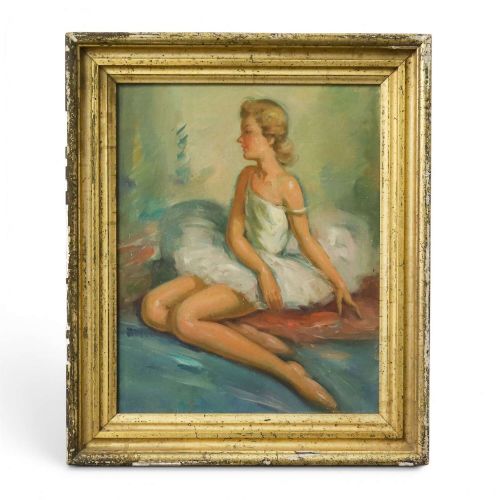
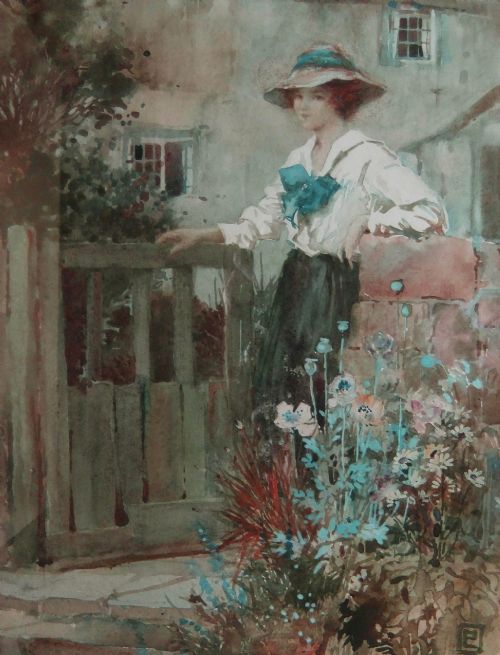
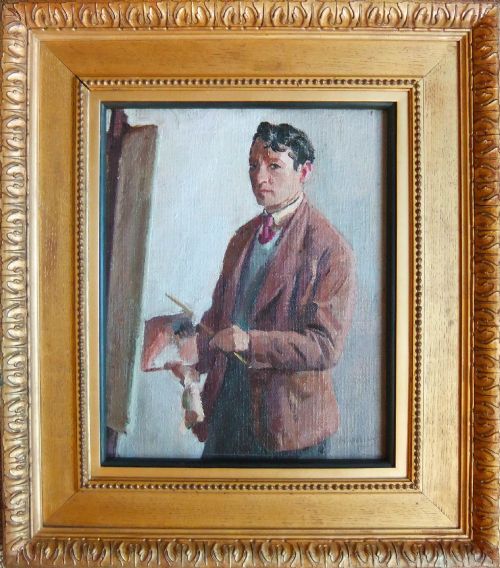
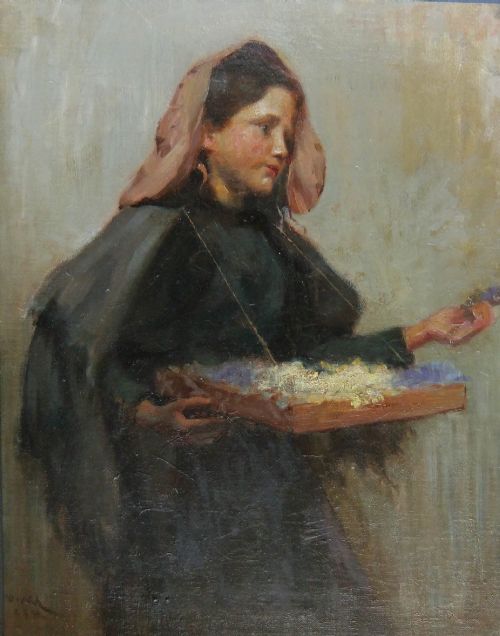
An impressionist figurative painting depicts people within everyday scenes, domestic interiors, or natural landscapes, captured through expressive brushstrokes rather than rigid realism. The selection here leans heavily towards works produced between the late nineteenth century and the mid-twentieth century by British, French, Belgian, and Italian artists.
The subjects range from portraits of women, children, and dancers to intimate gatherings, seaside scenes, and workers in gardens or stables. Buyers encounter both small watercolours on paper and larger oil paintings on canvas or wood panel, often housed in period frames.
Many of these pieces reflect regional movements such as British Impressionism, Modern British art, Post-Impressionism, and mid-century variations. They document both professional studio output and direct observations of daily life by lesser-known or regional painters.
How They Were Made
Artists primarily applied oil paint or watercolour onto prepared canvas, wood panel, or thick paper. The handling of medium relies on visible, rapid brushwork to suggest light and movement rather than blending every edge.
Supports often include traditional woven canvas stretched over wooden frames, sturdy wood panels, or heavyweight paper sheets. Many surviving works retain their original gilt or painted wood frames from the period of creation.
Several paintings capture quiet moments with domestic pets, including childhood ponies waiting patiently in stableyards.
What Varies in Quality
Quality rests on the confidence of the brushwork and the artist's ability to capture gesture and light within the composition. Stronger examples display a purposeful command of tone and atmosphere, whereas weaker pieces tend to stiffen into rigid academic illustration.
The integration of the figure into its surrounding environment also dictates the success of a piece. Superior works balance the subject with the play of light across textiles, foliage, or interior spaces.
Lucy Pratt·Francisco Sancha·Herbert Ashwin Budd·Charles Stuart Forbes·Percy Lancaster·Philip Naviasky·William Watt Milne·Ronald Ossory Dunlop·Raymond Moritz·Henri Vincent-Anglade·Frans Gailliard·Harry Freckleton·Attilio Toro·Gabriel Dauchot·Kershaw Schofield·Florence Hess·Emil John Hess·Jean Hippolyte Marchand·Albert Guillaume·Roland Batchelor·Jeffrey Pratt·David Woodlock
The Impressionist Figurative Painting Glossary
- Post-Impressionism
- An artistic development that extended impressionist techniques while rejecting its limitations, favouring more structured forms or expressive emotional content. Painters in this group often emphasised bold colour and symbolic subject matter.
- Canvas
- A heavy woven fabric used as a surface for oil painting, stretched tightly across a wooden frame before work begins. It remains the most common support for mid-to-large scale paintings from this era.
- Wood Panel
- A rigid wooden board utilised as a painting support, providing a smooth, stable surface for oils. Panels were particularly favoured for smaller outdoor sketches and intimate interior scenes.
- Watercolour
- A paint consisting of pigment suspended in a water-based solution, typically applied to paper. It allows for translucent washes and rapid execution.
- Gilt Wood
- Wood carved and coated with gold leaf or metallic paint to form a decorative picture frame. Period frames contribute significantly to the historical context of these works.
Impressionist Figurative Painting: Frequently Asked Questions
What defines an impressionist figurative painting?
These works focus on human subjects rendered through loose, visible brushwork and an emphasis on atmospheric light rather than photographic detail.
The style prioritises the mood of a moment, whether indoors or outdoors, over strict anatomical precision.
How do I care for oil paintings on canvas?
Keep paintings away from direct sunlight, excessive moisture, and rapid temperature fluctuations to protect both the canvas and the paint layers.
Dust the surface gently with a soft, dry brush and avoid applying liquid cleaners to the paint or the frame.
Are watercolours different from oil paintings?
Watercolours use water-soluble pigments on paper and are generally framed behind glass to protect the delicate surface from humidity and touch.
Oil paintings use oil-based binders on canvas or panel and are typically displayed unglazed, allowing the textured surface of the paint to remain visible.
How can I tell the period of a painting?
Clues appear in the framing materials, the preparation of the canvas or panel, and the stylistic tendencies of the brushwork and subject matter.
Signatures, dates, and framing stamps on the reverse often provide direct evidence of when the work was produced.