

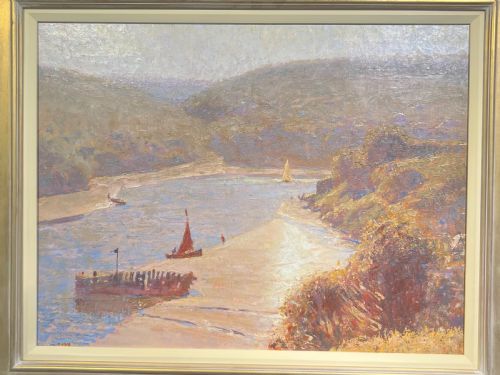

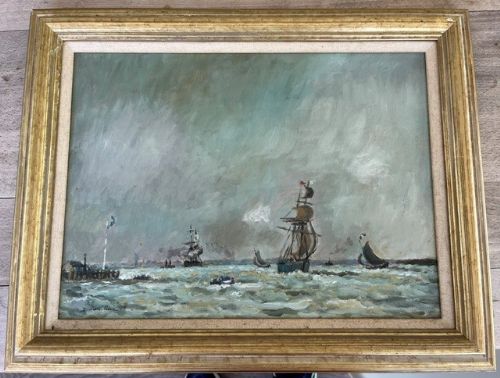
Impressionist Coastal Oil Painting
An impressionist coastal oil painting captures maritime light and atmosphere using loose brushwork, bringing the textures of sea air and shorelines indoors.
Impressionist Coastal Oil Painting
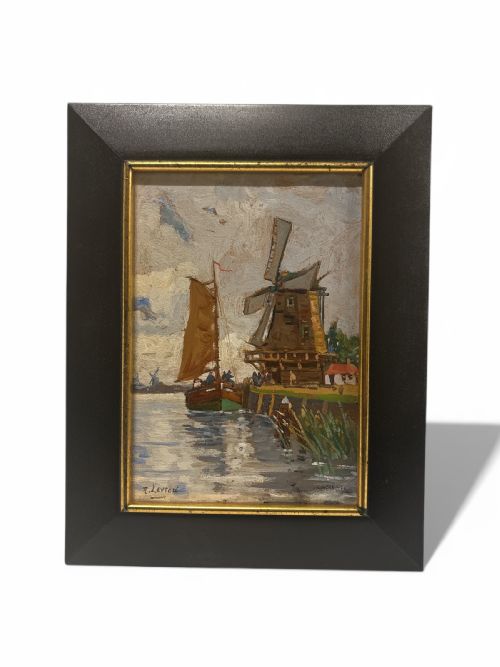
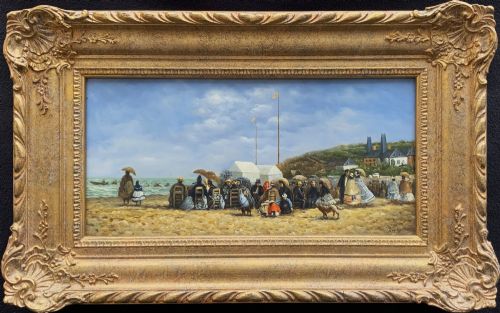
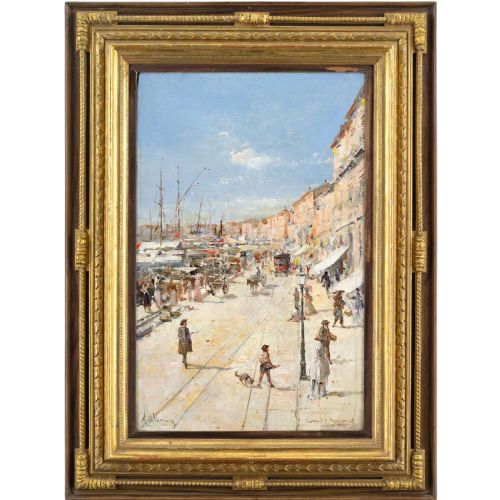
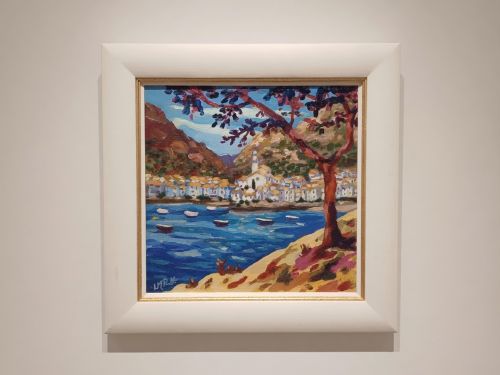
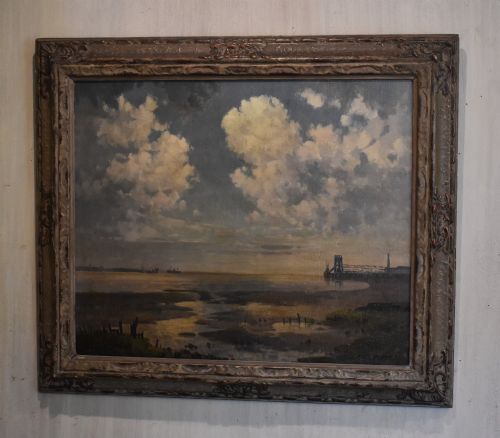
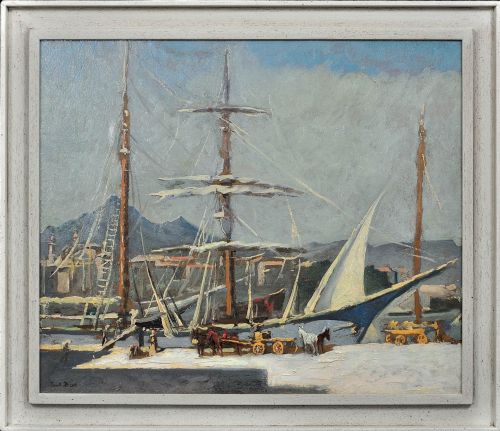
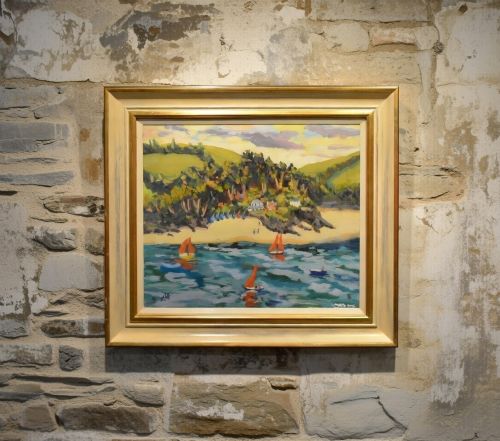
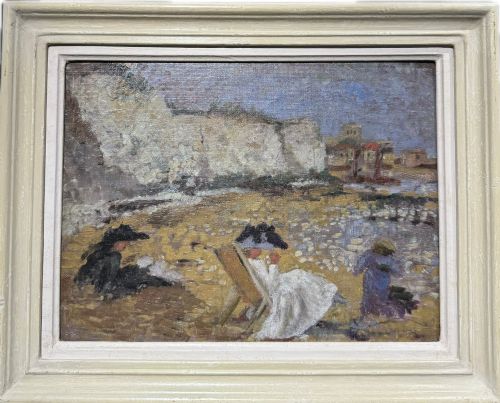
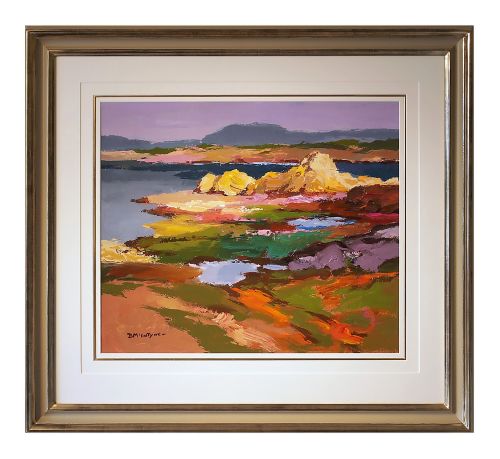
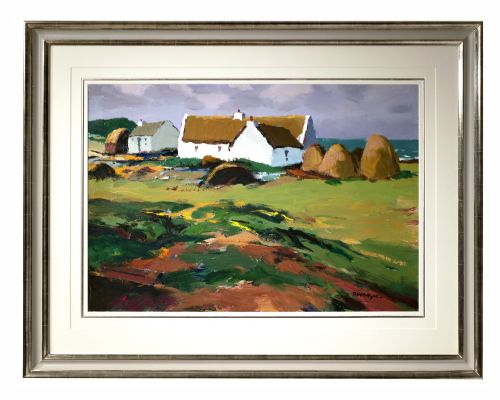
When you search for an impressionist coastal oil painting, you encounter works spanning the early twentieth century through to the nineteen-sixties. These pieces depict harbours, cliffs, and seaside gatherings from locations across Britain and France.
The selections on this page demonstrate styles ranging from British Impressionism to Post-Impressionism and Modern British art. Artists frequently record specific coastal regions such as Cornwall, Yorkshire, and the Côte d'Azur.
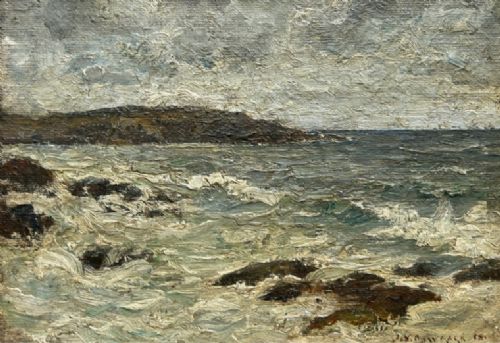
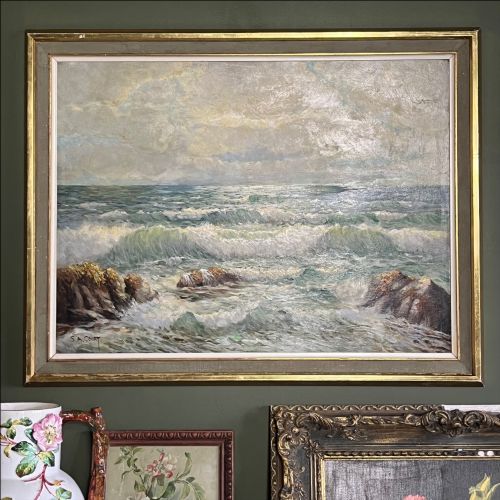
Most examples present traditional maritime subjects like fishing boats, beaches, and estuaries. Creators utilise oil paint to convey the movement of water and the changing weather of the shore.
How they were made
Painters apply oil paint to supports of canvas, wood board, or wooden panels, often working en plein air directly outdoors. This method allows artists to capture immediate atmospheric effects and natural light.
Creators employ textured impasto techniques alongside fluid brushstrokes to build depth in sea and sky. Finished works are frequently housed within wooden frames, sometimes accented with gilt details.
Impressionist Coastal Oil Painting Retail Price Guide 2026
Typical asking prices for impressionist coastal oil painting among the pieces listed under this phrase on Sellingantiques today, from the lower quarter to the upper quarter. They describe what is for sale here now, not the wider market.
The selection includes coastal views from British shores in Cornwall and Yorkshire alongside French scenes from Brittany and the Mediterranean.
What varies in quality
The handling of light and pigment density determines the visual strength of each composition. Confident brushwork creates a stronger sense of movement in water and atmosphere compared to rigid application.
The relationship between the support, such as canvas or board, and the framing influences the overall presentation. Provenance and identified signatures from known regional schools elevate the historical context of individual works.
Clifford Hanney·Sidney A Court·Augusto Alberici·Clive Browne·Paul Bret·Donald McIntyre·Cecil Allan Mould·Erich Mercker·Raymond Moritz·Joseph Edward Hennah·Louis Suire·Gustave Vidal·Gyrth Russell·Jean-Baptiste Olive·Raymond Picque·George Turland Goosey·Norman Lloyd·William J B Jenkins·Herbert Royle·William Greaves·Charles Malfroy·Edward Seago·Florence Hess·C Caldwell
The Impressionist Coastal Oil Painting Glossary
- Impasto
- Paint applied thickly to a canvas or board so that it stands out from the surface. This technique gives texture to elements like churning waves and rugged cliffs.
- En plein air
- The practice of painting outdoors to directly observe the landscape and changing light. Artists utilise this method to capture immediate coastal conditions.
- Post-Impressionism
- An art movement extending Impressionism while rejecting its limitations. Practitioners focus on more symbolic content and expressive use of paint.
- Gilt
- A thin layer of gold applied to wood frames. This finish enhances the presentation of the oil painting contained within.
Impressionist Coastal Oil Painting: Frequently Asked Questions
How do I hang a coastal oil painting?
Choose a wall with stable ambient conditions away from direct sunlight to protect the canvas and oil pigments from fading over time. Ensure the fixing matches the weight of the wooden frame.
Position the artwork at eye level to replicate the horizon line intended by the artist. Keep the piece clear of excessive moisture sources such as unventilated bathrooms.
What subjects appear in these paintings?
Artists record working harbours, sandy beaches, rocky cliffs, and anchored sailboats across British and French coastlines. Scenes range from quiet estuaries to bustling quaysides.
Many compositions focus on specific regional topography like St Ives or the Mediterranean coast. Figures occasionally appear gathering seaweed or sunbathing on cliffs.
How are different periods identified?
Signatures, framing styles, and biographical dates of the artists provide the primary clues for dating a work. Early twentieth-century pieces often reflect traditional regional school aesthetics.
Mid-century works sometimes display bolder colour palettes and abstract tendencies associated with later modernist developments. Canvas stamps and paper labels on the reverse also offer historical context.