


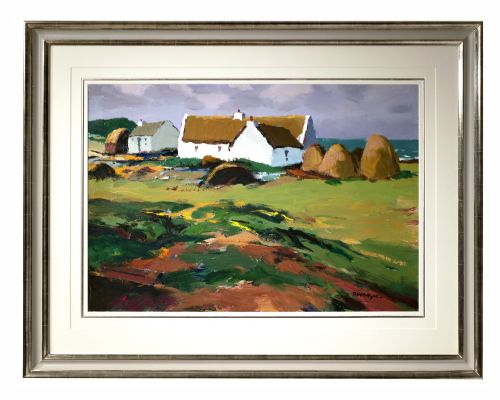
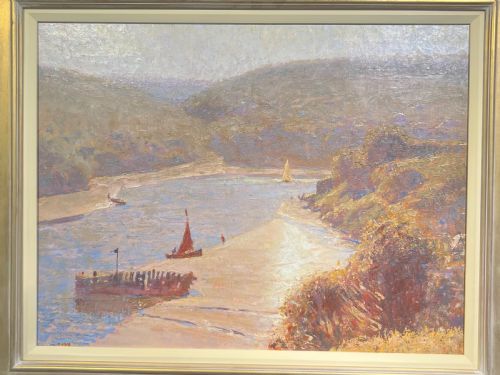
Impressionist Coastal Landscape Painting
When searching for an impressionist coastal landscape painting, collectors seek evocative works capturing light and water across British and French shores.
Impressionist Coastal Landscape Painting
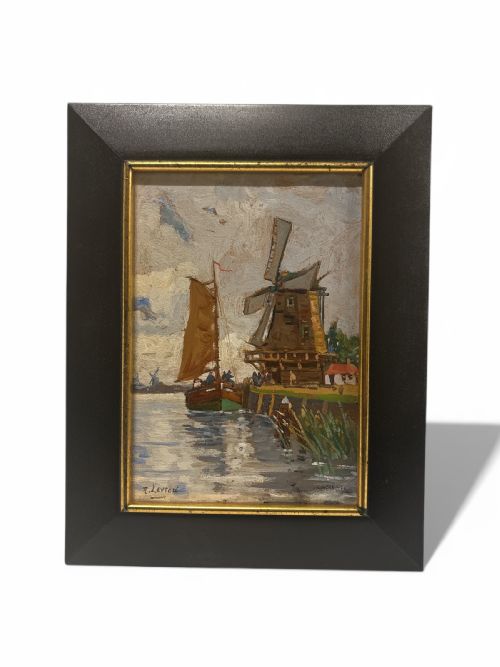
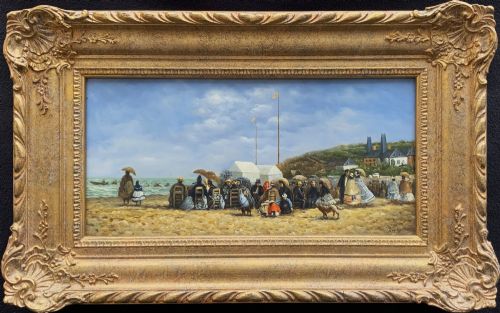
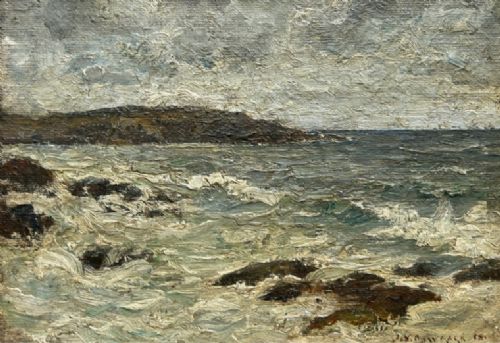
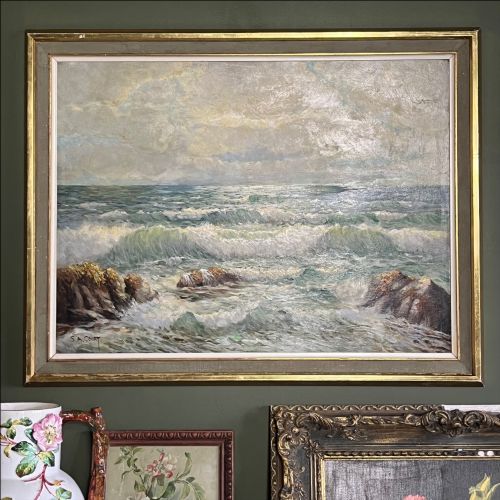
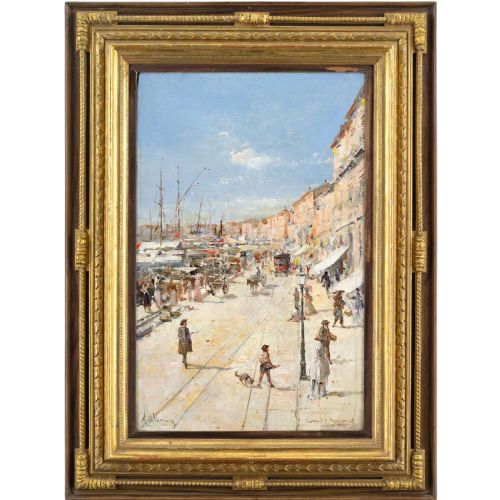
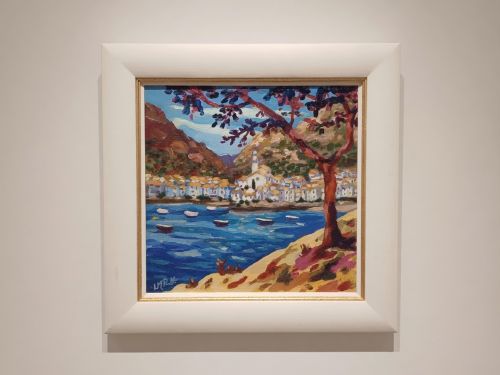
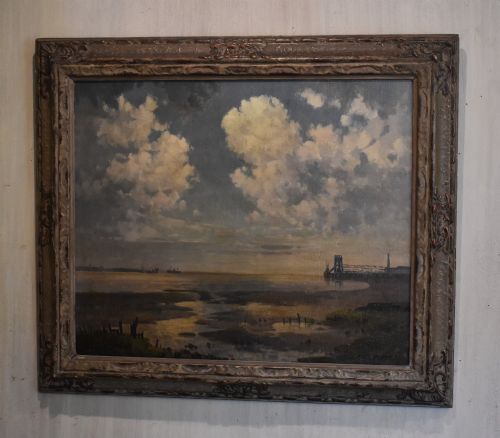
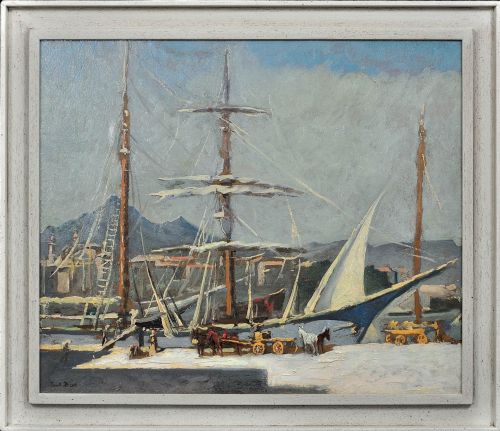
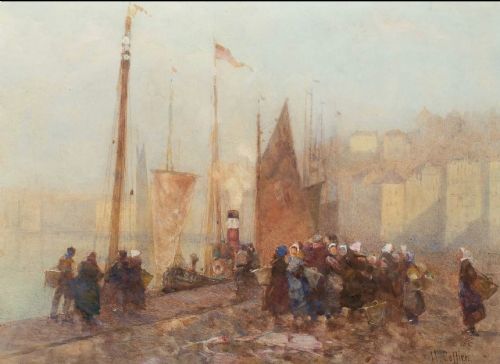
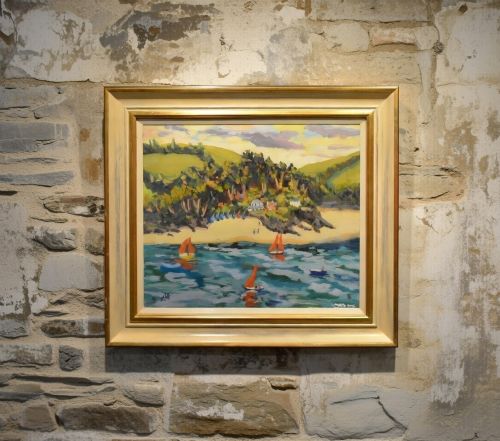
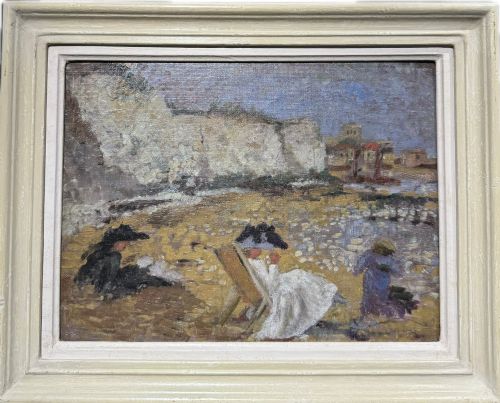
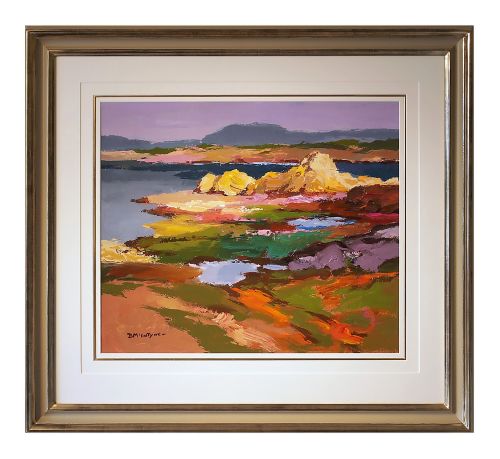
An impressionist coastal landscape painting captures harbours, cliffs, and maritime scenes through loose brushwork and atmospheric light. These works frequently record regional fishing ports and seaside gatherings along British and French coasts.
The selections available here span from the late nineteenth century through the mid twentieth century. Canvas and board dominate the support materials, often framed to suit domestic display.
How They Were Made
Artists utilised oil paint and watercolour applied to canvas, board, or paper. Many works employed en plein air techniques to capture immediate atmospheric effects outdoors.
Impasto application built thick surface texture, while fluid watercolours utilised paper supports to achieve translucent washes of light.
Listings feature works created between the late nineteenth century and the mid twentieth century.
What Varies In Quality
Quality rests in the confidence of the brushwork and the artist's handling of natural light. Stronger compositions demonstrate deliberate tonal balance across marine elements.
Subtlety in colour harmony separates accomplished compositions from more formulaic coastal scenes. Provenance and recorded exhibition history further elevate individual pieces.
Clifford Hanney·Sidney A Court·William Banks Fortescue·Augusto Alberici·Lucy Pratt·Clive Browne·Paul Bret·Hector Caffieri·Donald McIntyre·Cecil Allan Mould·Erich Mercker·John Holland·Frank Kelsey·Raymond Moritz·Joseph Edward Hennah·Edward Matthew Elliott·Louis Suire·Gustave Vidal·Gyrth Russell·Jean Baptiste Olive·Raymond Picque·William Lee Hankey·George Turland Goosey·Norman Lloyd·William J B Jenkins
The Impressionist Coastal Landscape Painting Glossary
- En plein air
- Painting outdoors to capture direct natural light and atmospheric conditions. This method defined much of the impressionist movement.
- Impasto
- Paint applied thickly onto the canvas, standing visibly above the surface. This technique adds tactile depth and movement to water and sky.
- St Ives School
- A group of artists associated with the Cornish fishing port, noted for marine and landscape subjects. Their work often reflects specific regional light.
- Watercolour
- Pigments suspended in water-based solution applied to paper. This medium allows for transparent washes and rapid sketching.
Impressionist Coastal Landscape Painting: Frequently Asked Questions
What defines an impressionist coastal landscape painting?
These works focus on transient effects of light on water, sky, and shore. Artists prioritized atmospheric mood over rigid topographical precision.
Brushwork remains visible and fluid, recording the movement of tides and changing weather along the coast.
Where were these coastal scenes usually painted?
Popular locations include active fishing ports and seaside villages in Cornwall, Yorkshire, Normandy, and the Mediterranean. Artists often travelled to established coastal colonies.
Such sites provided varied topography ranging from rocky cliffs to sandy beaches and bustling harbours.
How do I care for an oil painting on canvas?
Keep the work away from direct sunlight and steady humidity fluctuations to protect the canvas and paint layers. Gentle dusting with a soft, dry brush maintains the surface.
Avoid using liquid cleaners or abrasive materials on the painted surface.
How can I tell the period of a painting?
Stylistic clues, framing methods, and stretcher construction often point to a specific decade. Signatures and exhibition labels on the reverse provide further context.
Comparison with documented works by the same artist helps confirm the approximate date of creation.