


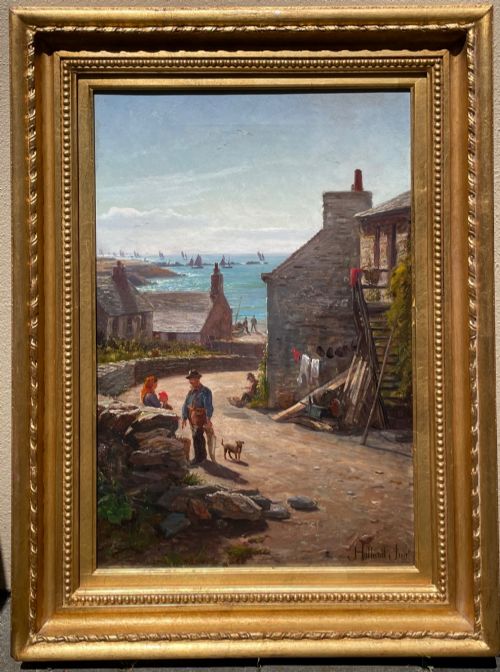
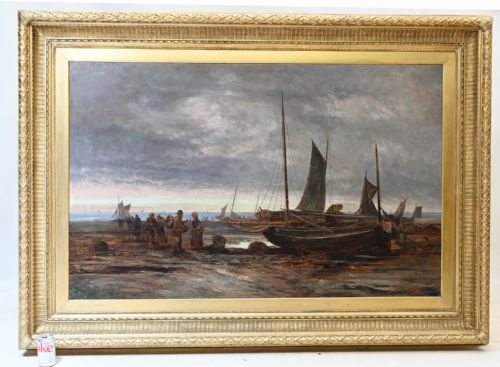
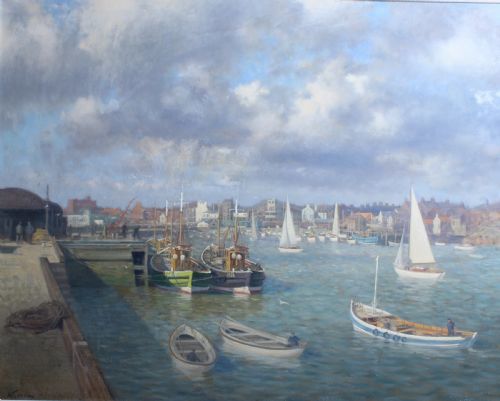


Traditional Marine Oil Artwork
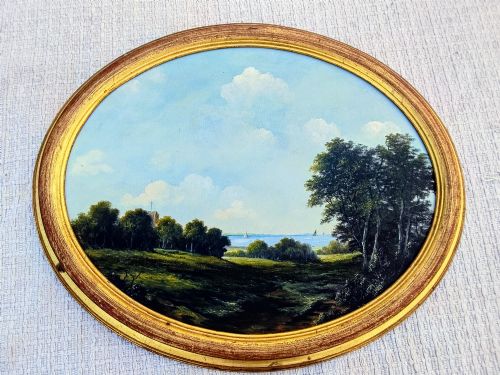
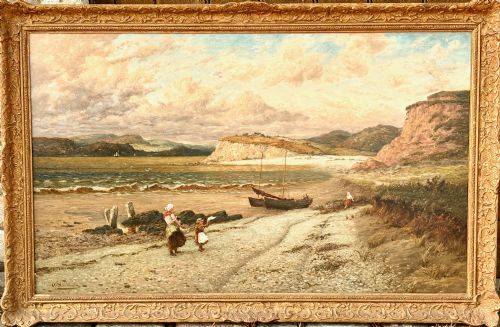
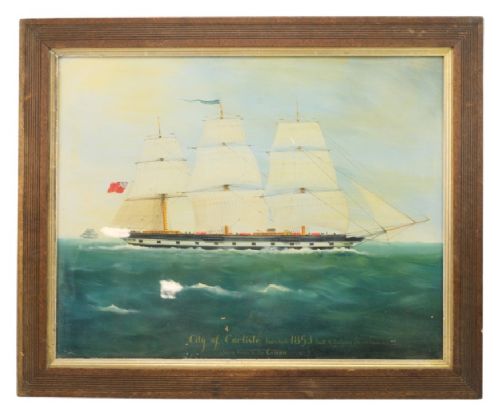
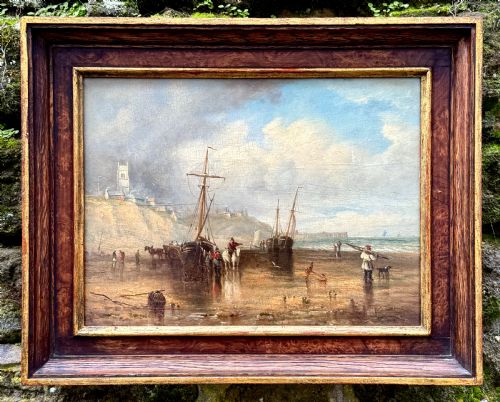
Traditional marine oil artwork records historical vessels, turbulent coastal scenes and quiet harbours through the rich medium of oil paint.
Traditional Marine Oil Artwork
Traditional marine oil artwork captures maritime scenes, coastal views and historical naval engagements across various periods. Buyers searching this phrase most frequently encounter 19th-century and Victorian works depicting British and European harbours, fishing boats and tall ships.
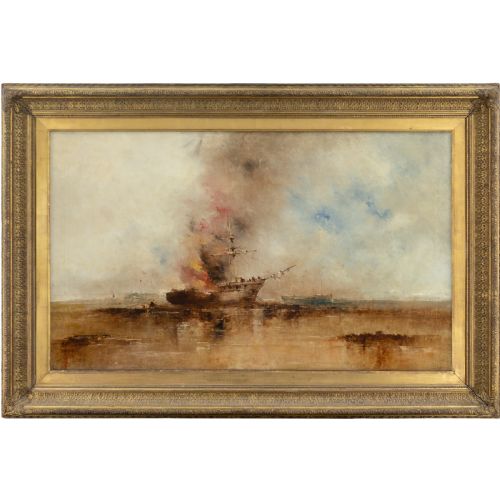
The subjects range from calm estuaries and local coastal inlets to dramatic open sea battles and burning vessels. Canvases and panels frequently show specific locations such as the Isle of Man, Cornwall, Malta and Venice.
Many of these paintings originate from named artists working within British and French schools during the 1800s and early 1900s. These pieces serve as historical records of maritime trade, naval architecture and coastal topography.
Materials and construction methods
These works rely primarily on oil paint applied to woven canvas or wooden panels. Artists layered pigments to capture the translucent quality of water and the atmospheric effects of coastal skies.
Many surviving pieces retain their period frames constructed from giltwood or gilded wood. These ornate surrounds complement the maritime subject matter and protect the edges of the canvas or board.
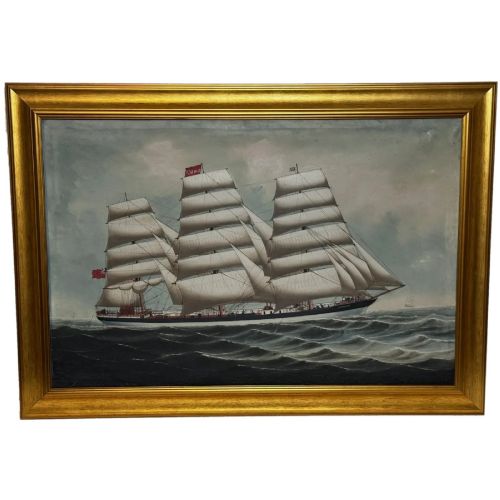
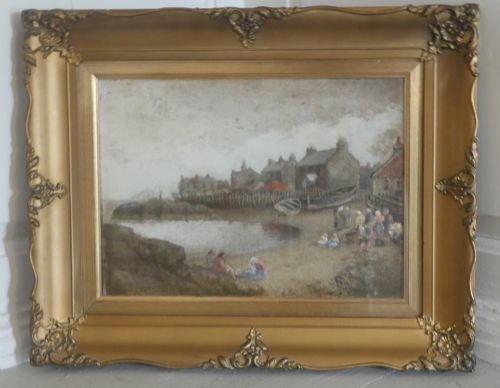
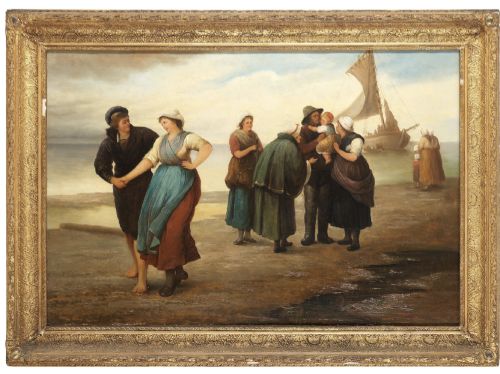
Listings feature oil on canvas and wood panels depicting 19th-century maritime scenes.
Distinctions in quality
Quality in these maritime paintings depends on the artist's ability to render the movement of water and the rigging of vessels with anatomical and nautical accuracy. Superior works demonstrate a sophisticated handling of light on choppy seas and atmospheric perspective in distant skies.
The strength of the composition and the condition of the original oil paint layer determine the overall calibre of the piece. Works that retain their original giltwood frames and bear clear signatures or attributions generally command greater recognition.
James Hardy·Reginald Arthur Borstel·Edward Mills·Thomas Creswick·John Holland·Walter Goodin·William Edward Webb·James Kyd·Stanley Leader·George Shaw·Hendrik Willebrord Jansen·Alfred Henry Vickers·John Bell·William Pitt·James Webb·Dion Pears·Marc Aldine·Jane Vivian·George Henry Knight·Thomas Rose Miles·Marie-Edouard Adam·John Callow
The Traditional Marine Oil Artwork Glossary
- Canvas
- A heavy woven fabric stretched across a wooden frame to provide the primary support for oil paint. It remains the most common medium for marine paintings from the nineteenth century onwards.
- Giltwood
- Timber carved and coated with a thin layer of gold leaf or gold-coloured finish. This material is standard for framing period marine art.
- Seascape
- A painting depicting the sea, coastal views or maritime activity. These scenes form the core of traditional marine artwork.
- Panel
- A flat piece of wood used as a rigid support for oil painting instead of canvas. Panels were frequently utilised by artists for smaller coastal sketches.
Traditional Marine Oil Artwork: Frequently Asked Questions
What periods do these paintings date from?
The available selection primarily spans the nineteenth century, including Victorian works and pieces from the early twentieth century. Dates frequently range from the early 1800s up to the mid-19th century and beyond.
Some works date to specific years recorded by the artist or historical documentation, whilst others belong broadly to Victorian maritime traditions.
Where were these maritime scenes usually painted?
Artists painted various British and European coastal locations, including Cornish fishing ports, the Isle of Man, and Mediterranean harbours. Prominent views feature spots like Valletta harbour, Venice, and local English coastal towns.
Many paintings record specific historical ships, naval engagements, or merchant vessels navigating choppy waters and estuaries.
What supports were used for these oil paintings?
The primary supports are woven canvas stretched over wooden frames and wooden panels. Artists selected these materials depending on the scale of the work and whether they required a rigid surface for outdoor sketching.
Canvas allowed for larger formats such as expansive coastal scenes, while panels suited smaller harbour studies.
How should I display traditional marine art?
These paintings suit traditional interiors, studies, and rooms with neutral walls that allow the oil colours and giltwood frames to stand out. Proper placement avoids direct sunlight to protect the pigments on canvas.
Pairing a maritime artwork with period furniture or complementary coastal decor enhances its historical character within a modern home.