


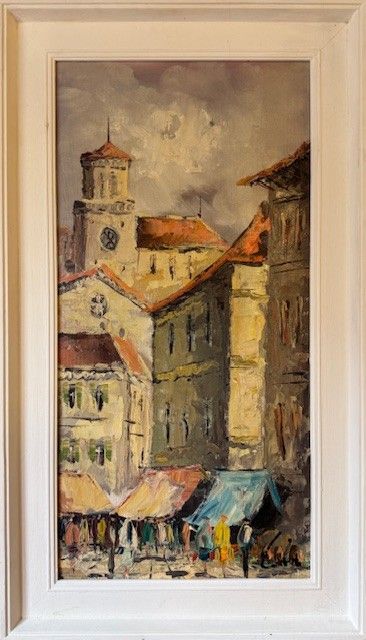


Impressionist Cityscape Landscape
When you search for impressionist cityscape landscape, you enter a world of urban views captured in oil and watercolour across the nineteenth and twentieth centuries.
Impressionist Cityscape Landscape
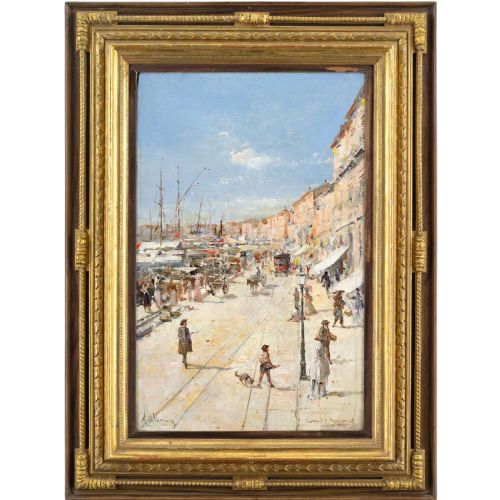
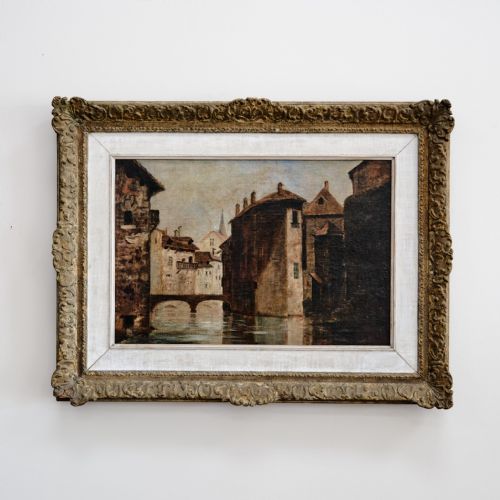
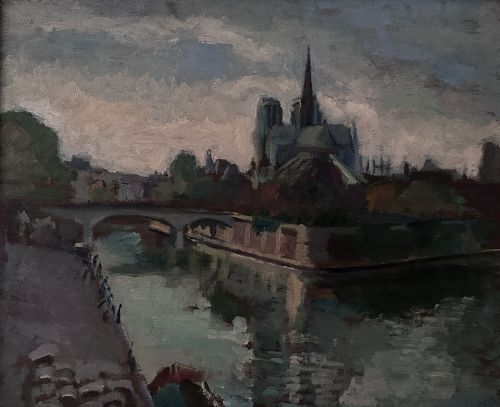
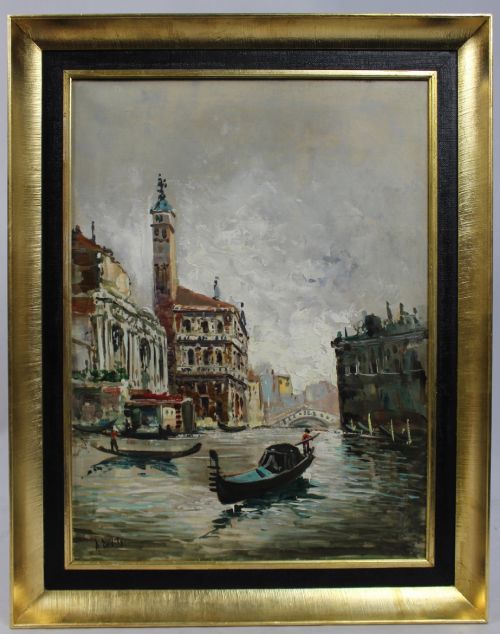
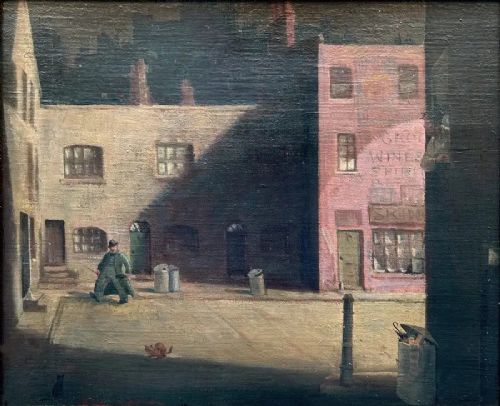
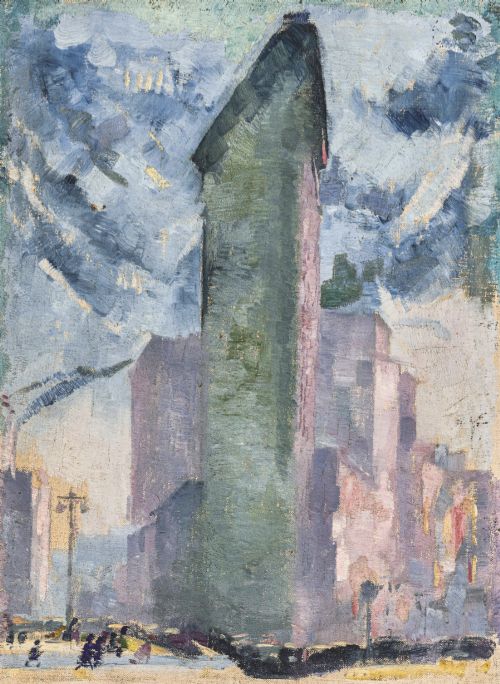
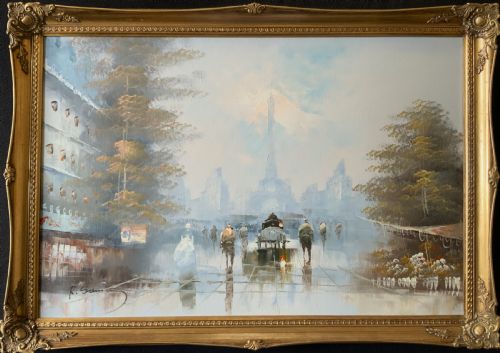
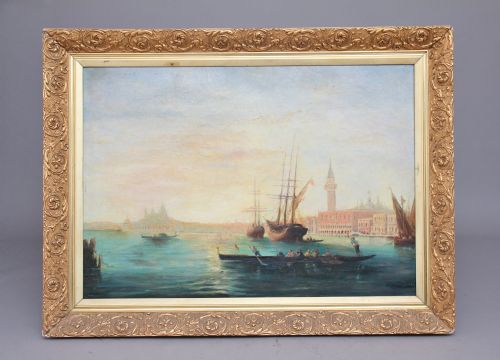
An impressionist cityscape landscape brings together bustling streets, quiet canals, and architectural landmarks from major urban centres like Paris, Venice, and London. Buyers seek these works for their atmospheric depiction of light and movement across historic streets and waterways.
The pieces on this page span from the nineteenth century through the mid-twentieth century, encompassing Victorian and Edwardian periods as well as Post-Impressionism and mid-century modern movements. Oil on canvas and oil on board dominate the selection, accompanied by occasional watercolours on paper.
Parisian street scenes and Venetian lagoon views appear frequently among the listings, often framed in period wood or giltwood with gesso detailing. These urban vistas record changing weather, seasonal light, and daily life in European capitals.
Materials and technique
Artists relied primarily on oil paint applied to canvas or wood board, building up textured surfaces that catch the light. Watercolours on paper also capture lighter, more translucent atmospheric effects in city squares and river views.
Listings feature oil on canvas, oil on board, and watercolour on paper across Victorian, Edwardian, and mid-century periods.
Distinguishing quality
The strength of a composition rests on the artist's command of light, shadow, and perspective within a bustling urban setting. Confident, expressive brushwork distinguishes a compelling street scene from a formulaic reproduction.
Preservation of the original paint layer and the condition of the accompanying giltwood or wood frame influence the overall integrity of the piece. Works that retain their period framing offer a more complete historical context.
Augusto Alberici·Antonio DeVity·Francisco Sancha·Alfred Wolmark·Caroline Burnett·Paul-Jean Anderbouhr·Fred Lawson·Charles James Lauder·Ron Folland·Merio Ameglio·E A Minardo·Claude Jousset·Marc Aldine·Eduard Leon Cortes·Job de Vogel·Pauline Boumphrey·Emanuele Cappello·Henry Wimbush·Rowland Henry Hill·Pierre Peltier
The Impressionist Cityscape Landscape Glossary
- Gesso
- A plaster-like mixture used as a smooth base for painting on wood or as a moulded surface on frames before gilding. This material gives decorative mouldings their crisp detail.
- Giltwood
- Wood that has been coated with thin gold leaf or a gold-coloured metallic finish. It frames many period oil paintings to enhance their visual depth.
- Impasto
- A technique where paint is laid on an area of the surface in very thick layers, usually thick enough that the brush or painting-knife strokes are visible. This adds physical texture to city walls and water surfaces.
- Post-Impressionism
- A predominantly French art movement that developed from about 1880 to 1905, extending impressionism while rejecting its limitations. Artists sought greater emotional expression and structural clarity.
Impressionist Cityscape Landscape: Frequently Asked Questions
What defines an impressionist cityscape?
An impressionist cityscape focuses on modern urban environments, capturing transient effects of light, weather, and motion in streets, squares, and canals.
These works prioritize atmospheric mood over rigid architectural precision, utilising visible brushstrokes to convey the energy of city life.
How do I date these paintings?
Dating relies on stylistic evidence, artist signatures, clothing styles of figures within the scene, and framing materials. Nineteenth-century works often show different handling compared to mid-century modern or post-impressionist examples.
Examine the stretcher bars, canvas type, and any inscriptions on the reverse for additional clues about origin and date.
Where were most of these scenes painted?
European capitals and historic hubs form the primary subjects, with Paris, Venice, and London appearing most frequently in the listings.
Artists favored locations offering dramatic architecture, reflections on water, and vibrant street activity suitable for impressionist techniques.
How should I care for an oil on canvas?
Keep paintings away from direct sunlight, high humidity, and rapid temperature fluctuations to protect the canvas and oil pigments. Dust the surface gently with a soft, dry brush without applying pressure to the impasto.
Ensure the painting hangs securely using appropriate hardware suited to the weight of the wood and giltwood frame.