


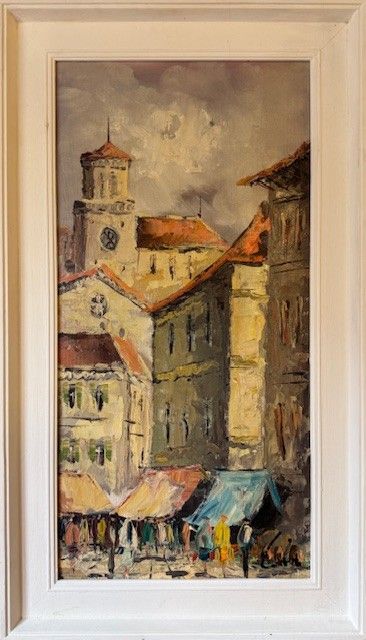


Impressionist Cityscape Art
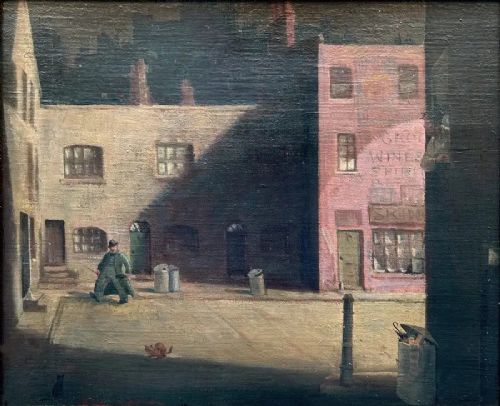
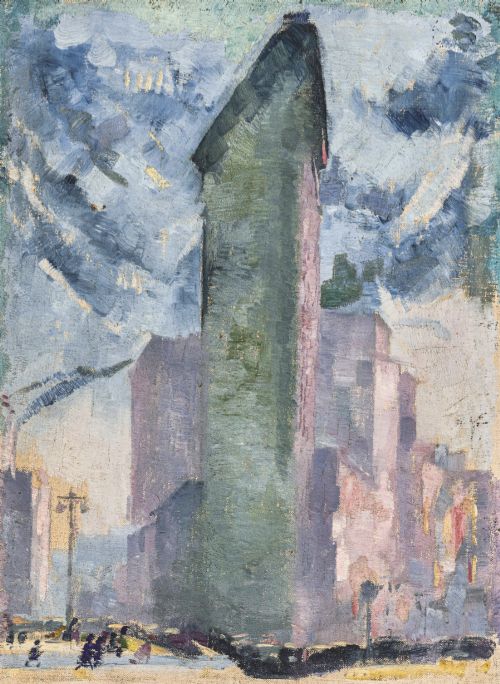
Impressionist cityscape art captures bustling streets, canals and squares through loose brushwork and atmospheric light, bringing urban energy into the room.
Impressionist Cityscape Art
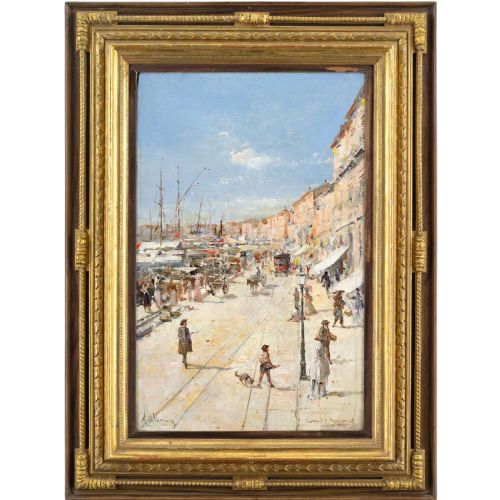
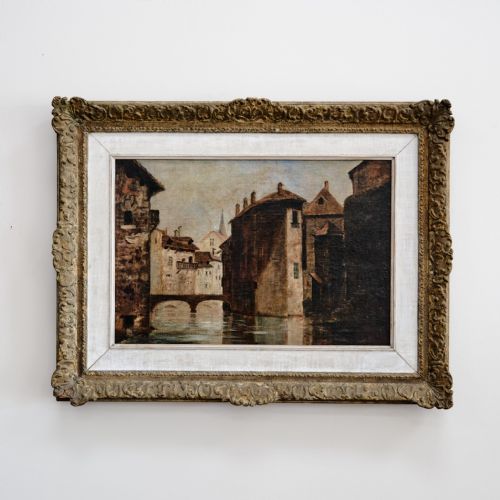
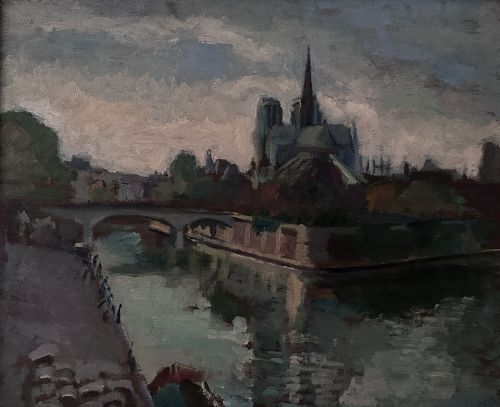
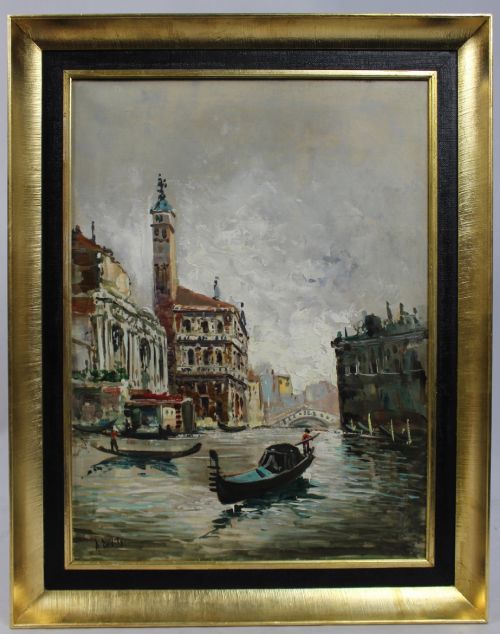
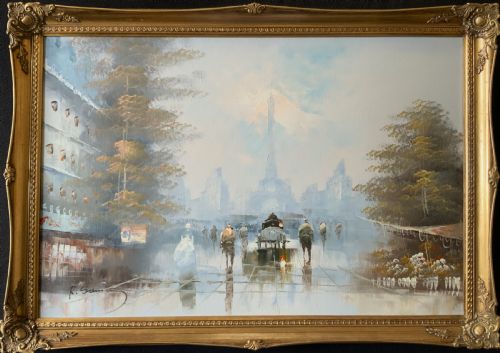
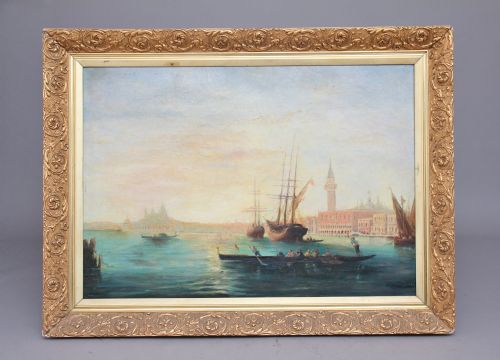
You are most likely to meet mid-century canvases and early twentieth-century pieces showing Parisian boulevards or Venetian canals. These works frequently arrive housed in period giltwood frames that complement the painterly brushstrokes.
Canvas, board and pigment
Artists built these scenes primarily using oil paint applied to canvas or wood board, occasionally turning to watercolour or pastel on paper. The application ranges from thick impasto laid down with a palette knife to thin washes that capture changing light.
Substantial frames of giltwood and gesso enclose many of these paintings, often retaining their original patination and ornamentation to anchor the urban composition.
The listings span from the nineteenth century through the 1960s, utilising oil paint, watercolour and pastel across canvas, board and paper.
Brushwork and atmosphere
Quality rests in the confidence of the handling and the success of the atmosphere, where decisive strokes convey the movement of crowds and reflections on wet stone. Stronger pieces establish depth and light without overworking the surface details.
The integration of the frame matters equally, as an appropriate period giltwood setting enhances the presence of the canvas while a mismatched moulding diminishes the impact of the scene.
Augusto Alberici·Antonio DeVity·Alfred Wolmark·Caroline Burnett·Paul-Jean Anderbouhr·Victor Gabriel Gilbert·Fred Lawson·Merio Ameglio·Claude Jousset·Eduard Leon Cortes·Job de Vogel
The Impressionist Cityscape Art Glossary
- Impressionism
- A style of painting emphasising light, ordinary subject matter and loose, visible brushstrokes. This approach seeks to capture an instantaneous visual impression of a scene.
- Giltwood
- Wood that has been coated with gold leaf or a gold-coloured finish. This material frequently appears on the decorative frames enclosing these paintings.
- Impasto
- Paint applied thickly to a canvas, standing out from the surface in relief. Artists utilise this technique to give texture to architectural details or swirling water.
- Gesso
- A plaster-like mixture applied to wood or canvas as a base for painting or gilding. It provides a smooth foundation for the decorative moulding of antique frames.
Impressionist Cityscape Art: Frequently Asked Questions
What is impressionist cityscape art?
These works are paintings and watercolours that portray urban streets, monuments and waterways through a focus on light and atmospheric movement rather than strict architectural drafting.
Creators recorded specific locations such as Paris, London and Venice across the nineteenth and twentieth centuries, utilising loose brushwork to evoke the bustle of daily life.
How were these paintings displayed?
Owners typically housed these works in decorative wood frames finished with gesso and gilt, designed to complement the tones of the urban scene within.
These surrounds often remain original to the piece, providing a period context that enhances the depth of the canvas.
How do I care for an oil painting?
Keep the canvas away from direct sunlight and dramatic shifts in temperature or humidity to protect the oil paint and underlying support from cracking.
Dust the surface gently with a soft, dry brush and avoid using liquid cleaners on either the paint or the antique frame.
How can I tell the period of a cityscape?
Dating relies on examining the clothing of the figures, the modes of transport depicted in the streets, and the specific materials of the canvas and stretcher.
Stylistic shifts between late nineteenth-century realism and mid-century impressionism also offer clear clues to the decade of creation.