


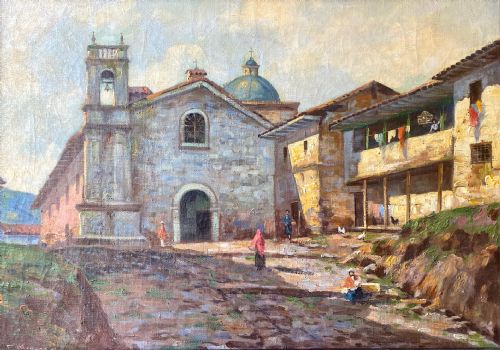


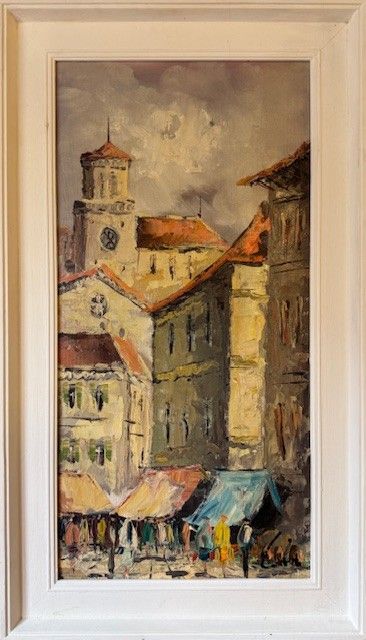


Impressionist Architectural Oil Painting
Impressionist architectural oil painting captures cityscapes, streets, and historic buildings through loose brushwork and shifting light.
Impressionist Architectural Oil Painting
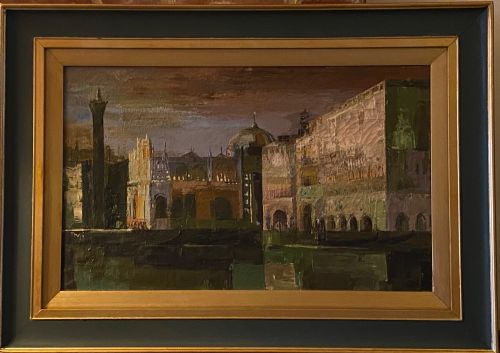
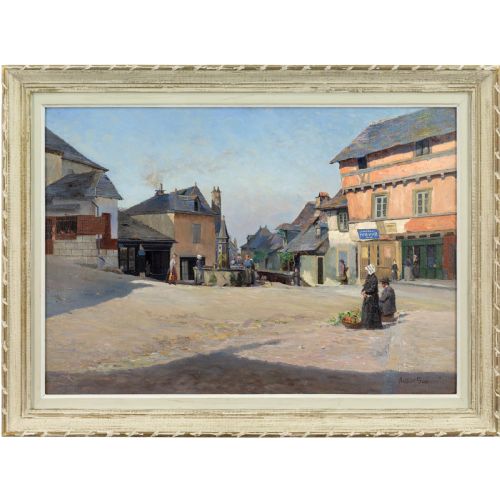
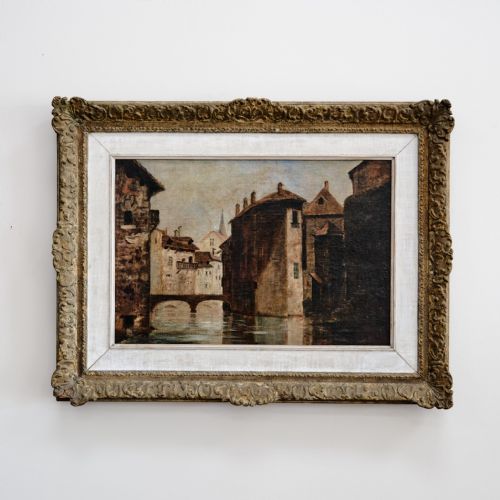
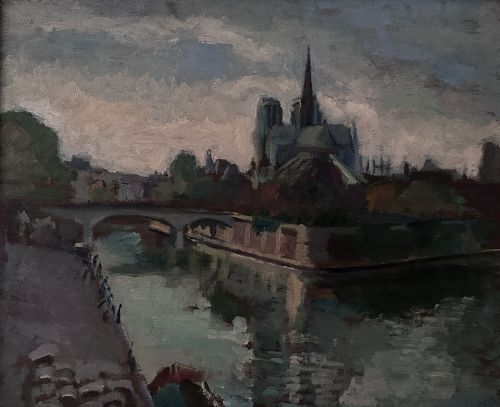
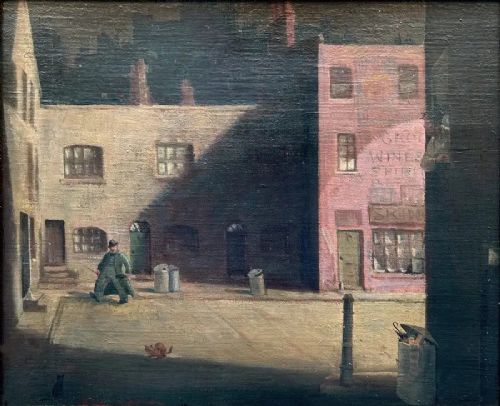
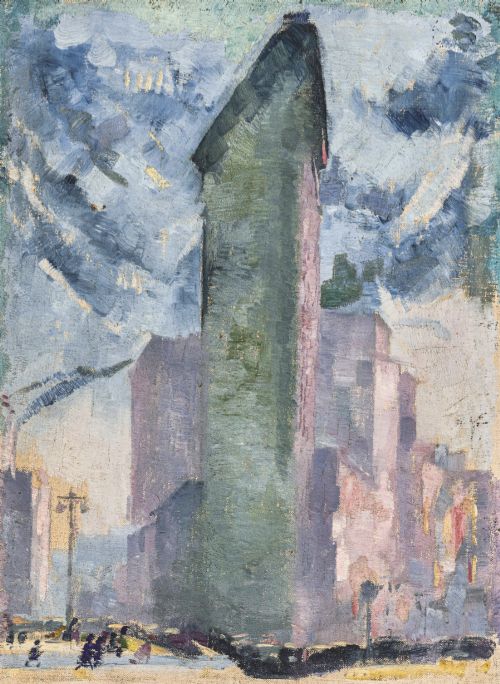
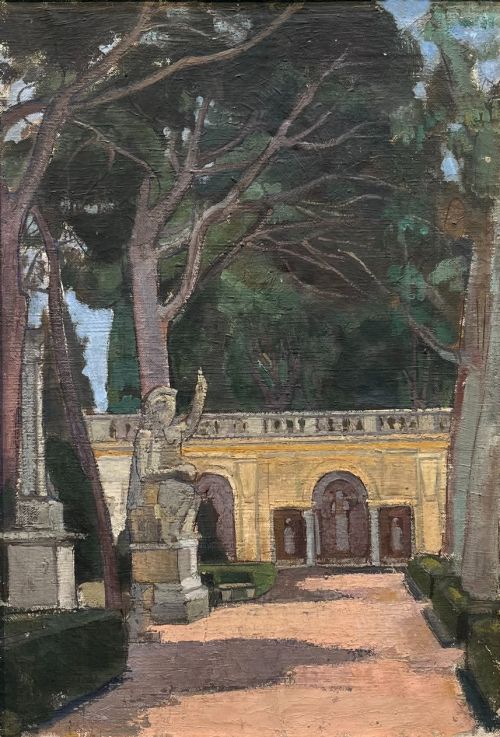
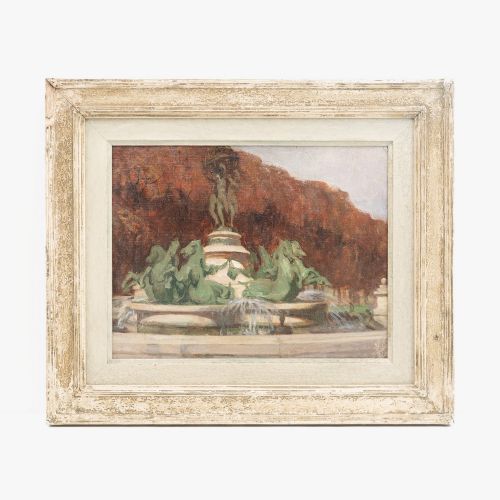
An impressionist architectural oil painting focuses on urban views, cathedrals, plazas, and bridges rendered with a distinct painterly touch. These works record the physical spaces of cities and towns through the interplay of light and shadow rather than rigid technical precision.
The selection here draws primarily from the nineteenth and twentieth centuries, encompassing periods from the 1900s through the 1960s. You will encounter European street scenes, Venetian canals, and architectural studies originating from British, French, and wider continental schools.
Formats range from intimate panel sketches to large canvases depicting panoramic cityscapes. Common subjects include market squares, churches, and recognizable urban landmarks executed in styles spanning impressionism, post-impressionism, and mid-century interpretations.
Materials and methods
Artists relied primarily on oil paint applied to stretched canvas, wooden panels, or rigid board supports. Gesso often served as a foundational ground to prepare the surface before the application of pigments.
Brushwork remains the defining technical element, utilising thick impasto and rapid strokes to convey the transient qualities of daylight on stone, brick, and mortar. Painters built texture directly onto the support to give architectural elements a tangible sense of mass and atmosphere.
Listings feature works executed on canvas, wood panel, and board across multiple decades of the twentieth century.
Assessing the works
Quality rests on the artist's ability to balance architectural structure with the dissolving effects of light and atmosphere. Stronger examples demonstrate confident spatial control beneath loose, expressive brushwork.
Compositional depth and the handling of chromatic relationships distinguish finer pieces from repetitive studio output. The success of a piece depends on how effectively the painted surface evokes the specific mood of a street or building.
Arthur Gué·Francisco Sancha·Alfred Wolmark·Victor Gabriel Gilbert·Caroline Burnett·Armand Guillaumin·Peter Greenham
The Impressionist Architectural Oil Painting Glossary
- Impasto
- Paint applied thickly to a canvas or panel, standing out in relief from the surface. This technique adds tactile dimension to architectural elements like stone walls or paved streets.
- Canvas
- A closely woven fabric stretched across a wooden frame to serve as a painting support. It provides the primary foundation for many twentieth-century works.
- Panel
- A flat piece of wood used as a rigid support for oil painting. Panel paintings often appear in smaller studies and earlier twentieth-century works.
- Post-Impressionism
- An artistic movement following impressionism that emphasises symbolic content, formal order, and distinct brushwork over naturalistic depiction. It expands upon impressionist techniques to build stronger structural forms within cityscapes.
- Gesso
- A primer mixture consisting of a binder mixed with chalk, gypsum, or pigment. It prepares wooden boards or canvases to receive oil paint.
Impressionist Architectural Oil Painting: Frequently Asked Questions
What subjects appear in these paintings?
Paintings in this category depict cityscapes, street scenes, cathedrals, bridges, and historic buildings. Artists focused on capturing recognizable urban locations alongside quieter architectural studies.
Subjects range from Parisian boulevards and Venetian canals to English churches and market squares. The emphasis rests on the interaction between human-made structures and natural light.
How do I date an architectural oil painting?
Dating relies on stylistic evidence, artist signatures, framing materials, and the physical composition of the canvas or board. Twentieth-century works often display modernist or mid-century brush techniques that differ from nineteenth-century academic approaches.
Clothing styles of figures within street scenes and the specific architectural details of depicted buildings also provide clues regarding the period of execution.
How should I frame and display these works?
These oil paintings suit traditional wood frames that complement the period of the artwork and the weight of the paint surface. Proper placement avoids direct sunlight and excessive humidity to protect the oil pigments and canvas supports.
Wall placement benefits from stable indoor environments where fluctuations in temperature are minimised. Adequate lighting enhances the texture of the impasto and the depth of the palette.
What is the difference between impressionist and post-impressionist cityscapes?
Impressionist cityscapes prioritize capturing the fleeting effects of light and weather across architectural surfaces using rapid, broken brushstrokes. The primary goal is optical realism rooted in atmospheric conditions.
Post-impressionist works place greater emphasis on structural clarity, expressive colour choices, and defined outlines. These paintings often manipulate perspective and form to convey a more personal interpretation of the urban landscape.