


Impasto Oil Canvas Artwork
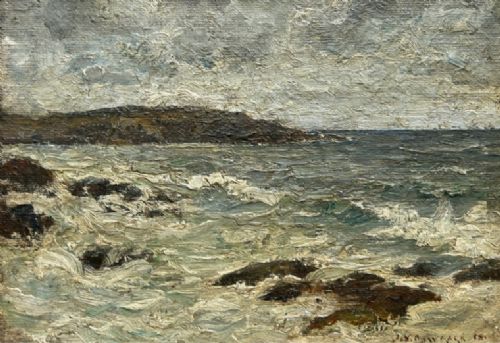
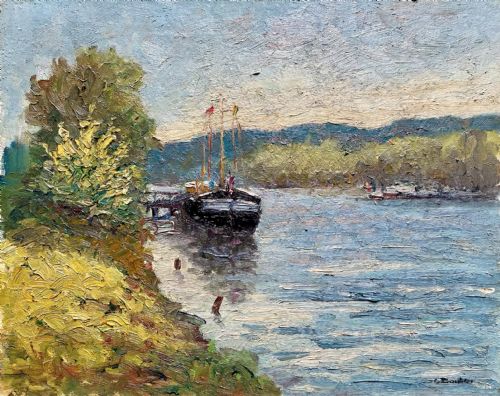
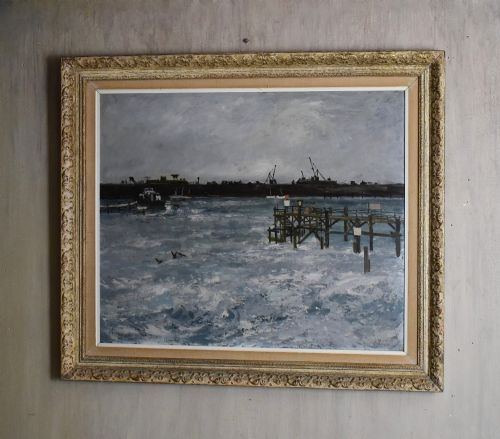
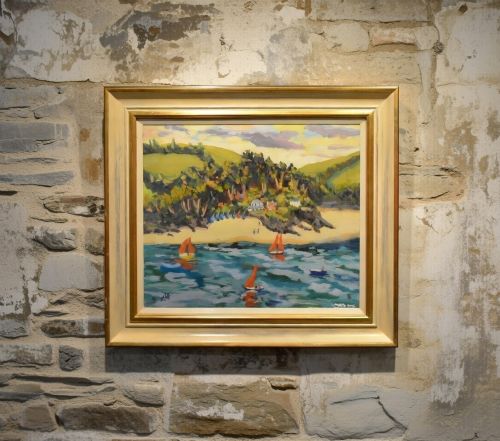
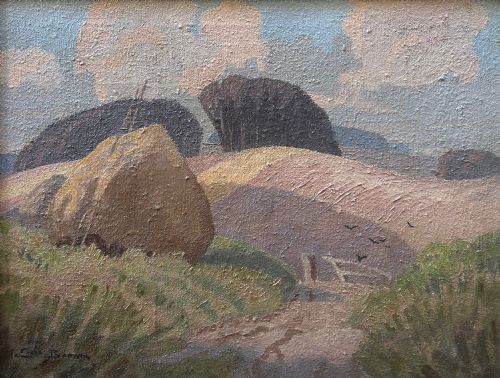
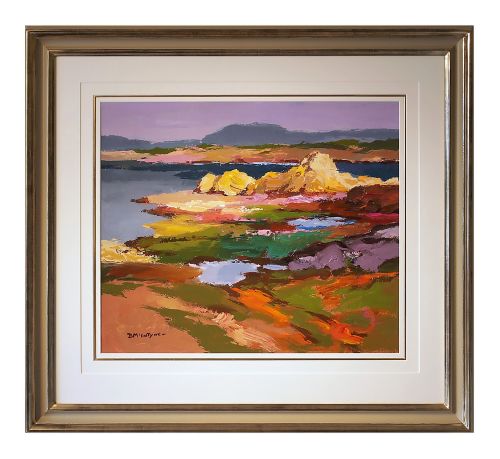
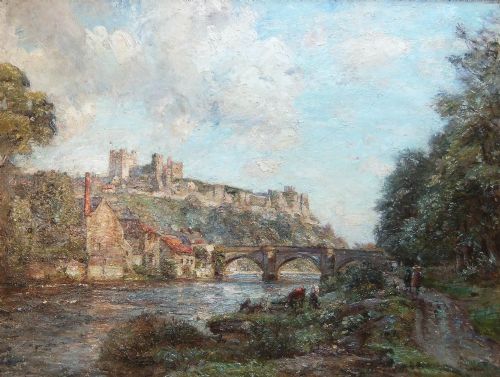
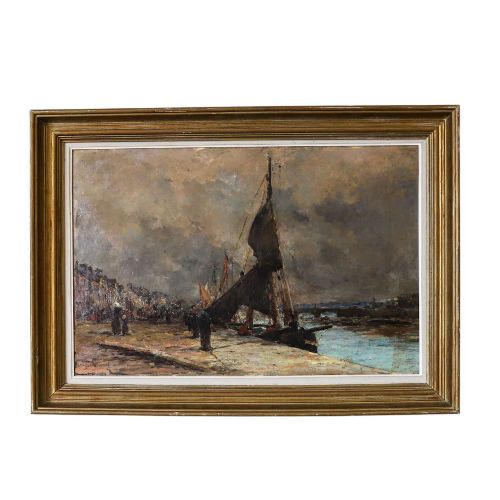
Impasto oil canvas artwork captures light and texture through thick pigment, offering buyers tangible depth from early twentieth-century and mid-century British and continental studios.
Impasto Oil Canvas Artwork
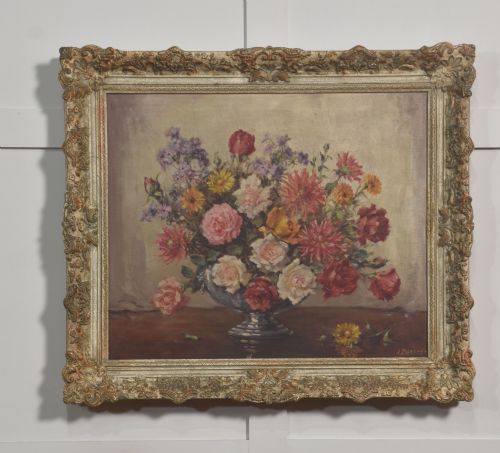
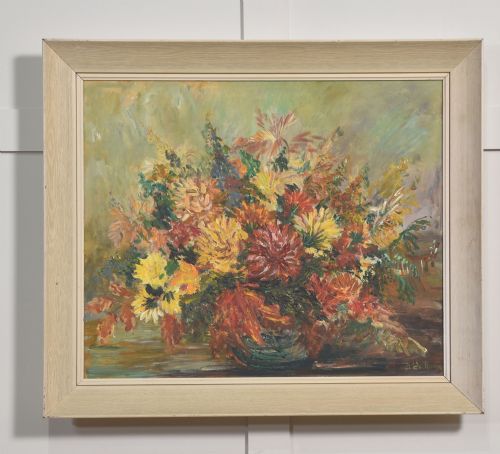
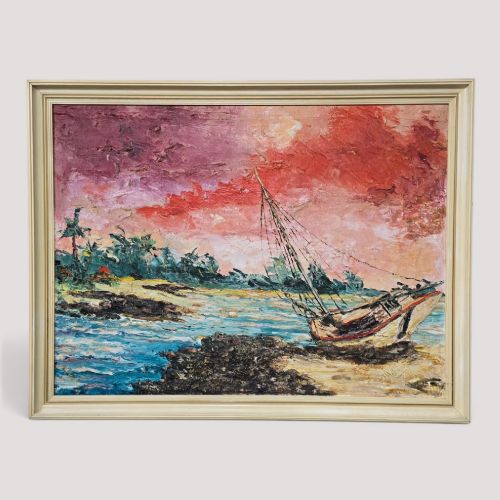
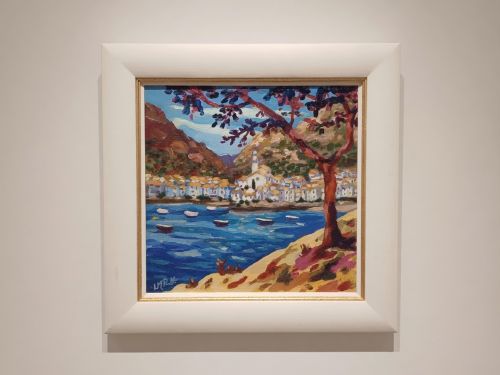
Impasto oil canvas artwork spans a visual vocabulary from maritime landscapes and urban townscapes to floral still-lifes and figurative scenes created across the twentieth century.
The pieces on this page originate from periods including the 1900s, 1920s, 1930s, 1940s, 1950s, and 1960s, alongside works produced later than 1960.
British and French influences dominate the selection, encompassing styles such as Impressionism, Post-Impressionism, Expressionism, and Mid-Century Modern.
How impasto oil canvas artwork was made
Artists applied oil paint thickly onto canvas or board surfaces, often utilising brushes or palette knives to build physical ridges and three-dimensional texture.
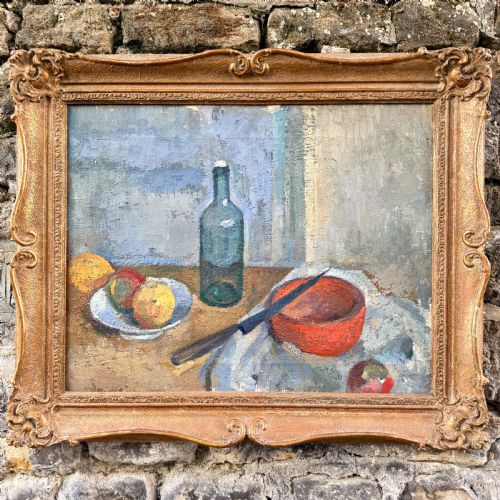
Supports commonly include stretched canvas and wood boards, occasionally paired with gilt wood frames that enclose the painted composition.
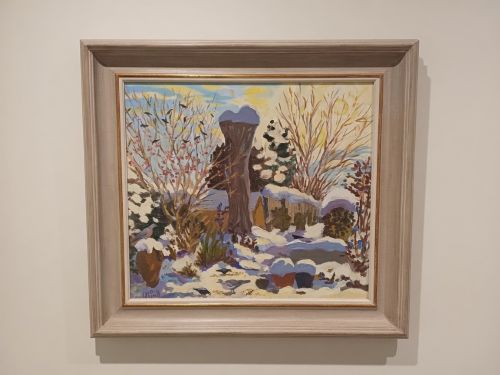
Several canvases record quiet moments of snowy winter feeds and ocean gypsies sailing past distant shores.
What varies in quality
The physical handling of the pigment dictates the visual weight, where assured knife-work and deliberate brush application create dynamic movement across the surface.
Compositional balance and tonal harmony separate standard decorative canvases from works exhibiting distinct individual artist expression and atmospheric depth.
Kenneth Cozens·I Berezny·D L Williams·James Kay·Lucy Pratt·Peter Brannan·Eric Brown·Donald McIntyre·Herbert Royle·Lilian Colbourn·Ronald Ossory Dunlop·Elisabeth Bardon·Helen Layfield Bradley·Jean Baptiste Olive·Raymond Picque·Gaetan Dumas·Gabriel Dauchot·Cecil Rochfort D Oyly John·Baruch Shalom Oskotsky·E A Minardo·Caroline Burnett
The Impasto Oil Canvas Artwork Glossary
- Impasto
- A technique where paint is laid onto a canvas in very thick layers, usually thick enough that the brush or painting-knife strokes are visible. This builds physical relief into the surface of the work.
- Oil paint
- A slow-drying paint made of pigment particles suspended in a drying oil, commonly linseed oil. It allows artists to blend colours smoothly and build heavy textures.
- Post-Impressionism
- An art movement developing roughly between 1886 and 1905 that extended Impressionism while rejecting its limitations. Painters relied on vivid colours and thick application of paint.
- Board
- A rigid wooden or manufactured flat panel used as a painting support instead of stretched fabric. Many smaller twentieth-century works utilise this sturdy substrate.
- Gilt wood
- Wood that has been coated with a thin layer of gold leaf or metallic gilt paint. Such frames frequently accompany traditional oil paintings to complement the composition.
Impasto Oil Canvas Artwork: Frequently Asked Questions
How should I clean these canvases?
Dust accumulated on textured paint surfaces requires careful removal with a soft, dry brush.
Moisture and household cleaning agents should remain entirely away from old oil paint.
Are these works always framed?
Many listings include period surrounds such as gilt wood frames chosen or fitted by past owners.
Unframed canvases also appear, allowing buyers to select their own presentation style.
How do I identify mid-century pieces?
Mid-century works from the 1950s and 1960s often display expressionist or modernist interpretations of urban and coastal scenes.
Signatures, artist biographies, and framing materials help anchor the production era.