




Twentieth Century Impressionist Painting
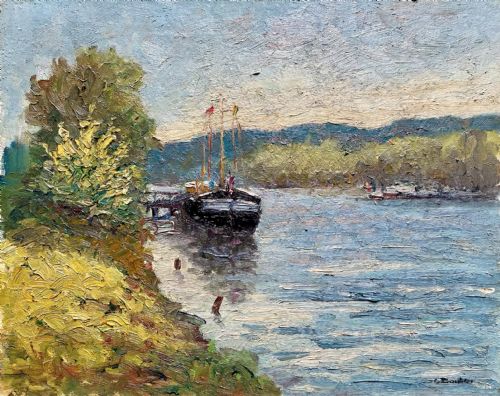
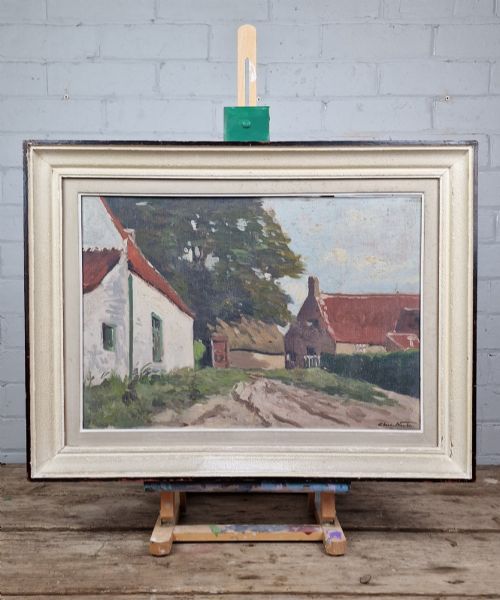
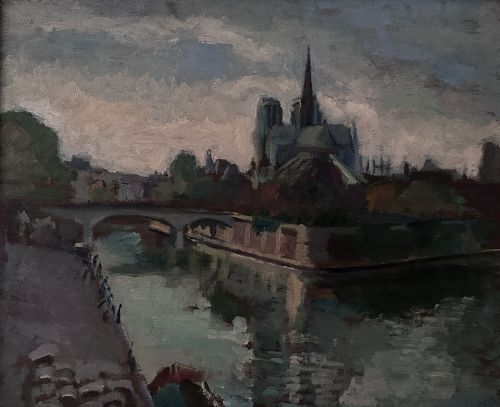
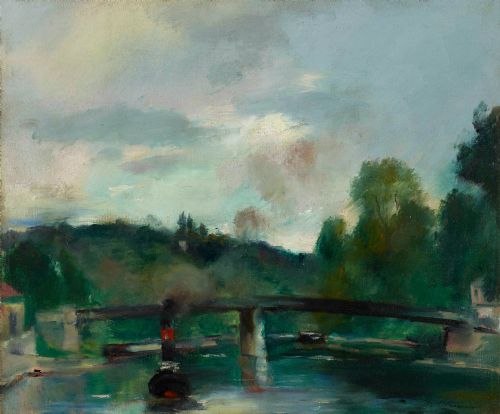
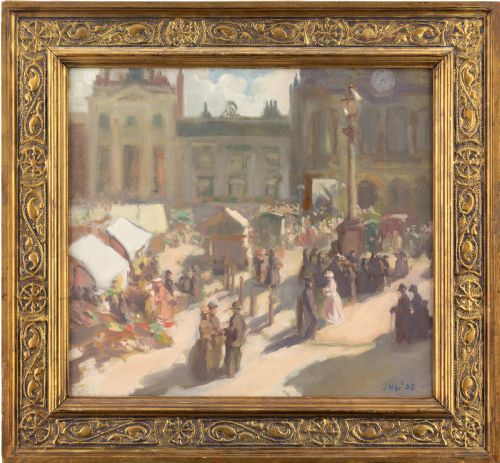
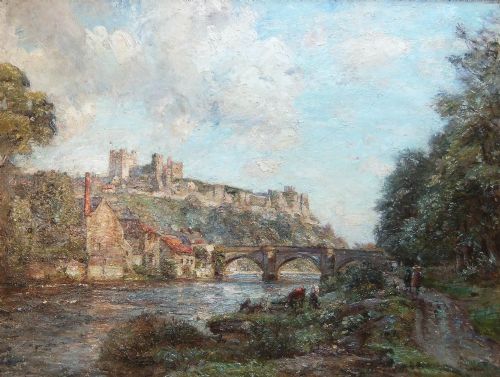
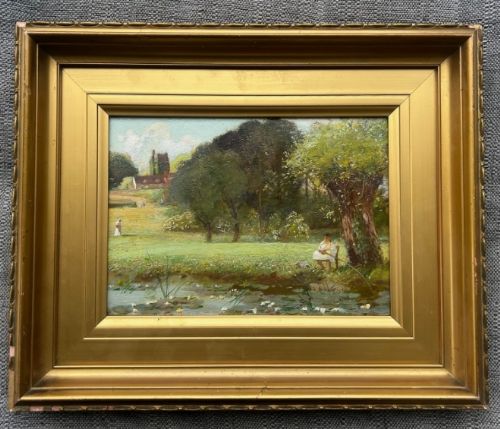
These twentieth century impressionist painting works capture fleeting light across marine landscapes, quiet farmyards and bustling street scenes.
Twentieth Century Impressionist Painting
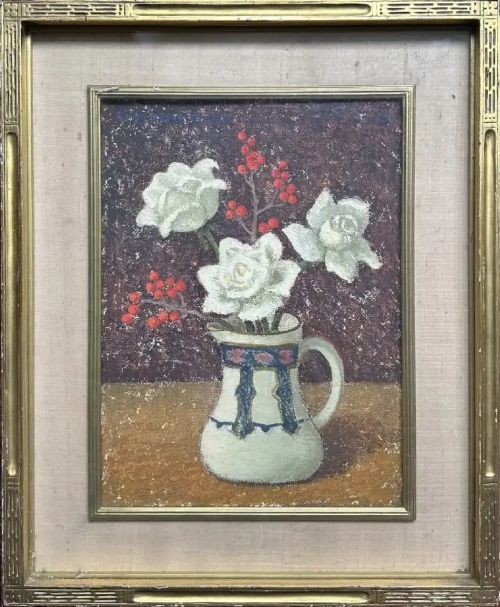
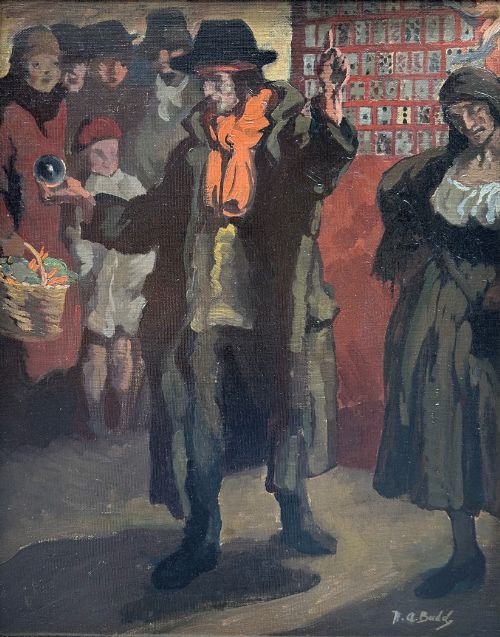
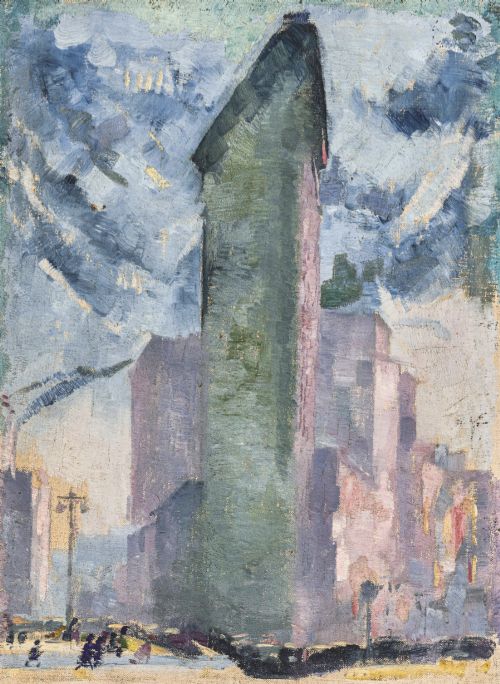
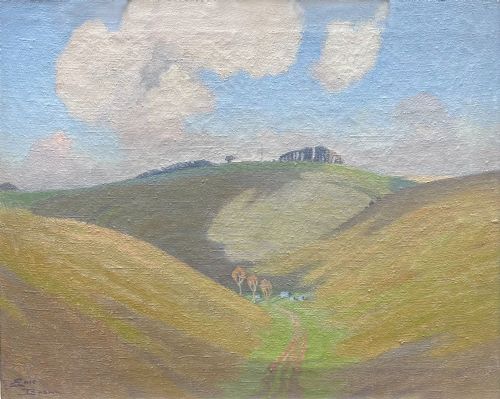
A twentieth century impressionist painting brings together diverse regional movements such as British Impressionism, Post-Impressionism, Modern British and the Newlyn school. Buyers will encounter oil on canvas, oil on board, wood panel supports, watercolour and pastel works created across decades spanning from the 1900s through the 1960s.
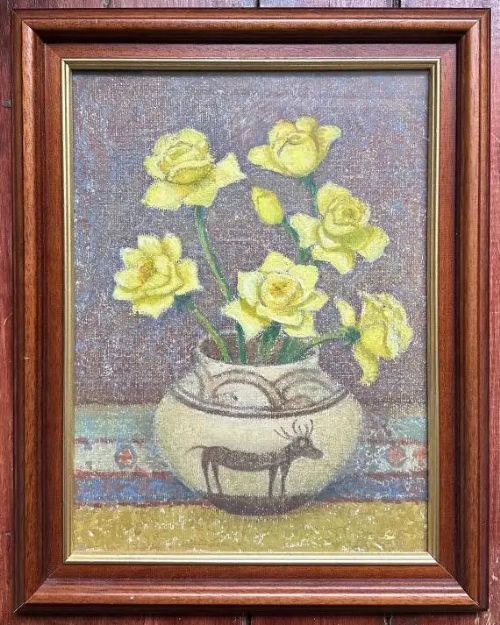
The subjects range widely from French river views and Spanish dancers to Yorkshire market places, Scottish golf courses and domestic still lifes. Works span international origins including British, French, Belgian, German, Canadian and South African hands.
Framed coastal scenes, harbour views and portraiture dominate the physical forms available. Collectors engage with varied stylistic interpretations ranging from traditional Edwardian execution to bolder mid-century modern applications.
Materials and methods
Artists relied primarily on oil paint applied to canvas, wood panels, board and paper supports. The medium allowed for visible brushwork and rapid capture of light effects out in the open air.
Watercolour and gouache also appear frequently on paper, offering transparent washes or opaque pigment application for rapid landscape and townscape studies. Pastels provide a dry medium alternative utilised for soft still life compositions and atmospheric landscape views.
Listings feature works dated across multiple decades from the nineteenth century through the 1960s, executed in oil, watercolour and pastel.
Evaluating individual works
Quality rests upon the confidence of the brushwork and the artist's ability to render light and atmosphere convincingly across the composition. Stronger examples display deliberate mark-making and balanced tonal relationships rather than stiff academic precision.
The handling of the chosen medium, whether oil paint, watercolour or pastel, determines the textural depth and visual energy of the surface. Provenance and clear artist attribution further distinguish notable gallery pieces from anonymous student studies.
Clifford Hanney·Charles Houben·Emma Fordyce MacRae·Herbert Ashwin Budd·Alfred Wolmark·Henri Ottmann·John Hodgson Lobley·Herbert Royle·Paul-Élie Gernez·Sir David Murray·Gabriel Dauchot·Philippa Maynard Romer·Merio Ameglio·William Grant Murray·Kershaw Schofield·Florence Hess·Cecil R. Doyly-John·Helmut Reuter·Paul Schier·Ernest F. Hill·Berthe des Clayes·Lena M Alexander·William Lambert Bell·Owen Bowen·Fred Mayor
The Twentieth Century Impressionist Painting Glossary
- Post-Impressionism
- A stylistic development following impressionism where artists rejected naturalistic depiction in favour of expressive forms and symbolic use of colour. This approach underpins many French and Belgian works from the period.
- Newlyn school
- An art colony based in Cornwall focused on painting plein air subjects rooted in local coastal life. Artists associated with this group captured natural light in marine and village settings.
- Gouache
- An opaque water-based pigment that dries to a matte finish, allowing for flat areas of bold colour. It appears in landscape and still life studies alongside traditional watercolours.
- Oil on Board
- A painting technique where oil pigments are applied directly to a rigid wooden or cardboard substrate. This method provided a portable surface favoured by artists working outdoors.
Twentieth Century Impressionist Painting: Frequently Asked Questions
How do I care for an oil painting on canvas?
Keep the canvas away from direct sunlight and dramatic fluctuations in temperature or humidity. Avoid touching the painted surface directly to prevent oils from skin transferring to the pigment.
Dust the frame and canvas surface gently with a soft, dry brush when needed. Avoid chemical cleaning agents and consult a professional conservator for deep cleaning.
What is the difference between oil on canvas and oil on board?
Canvas provides a flexible, woven textile support that often shows texture through the paint layers. It responds more noticeably to environmental humidity shifts.
Board offers a completely rigid wooden or composite backing that prevents flexing. This format was frequently chosen for smaller plein air sketches painted outdoors.
Where were these impressionist scenes usually painted?
Many artists worked directly outdoors in the open air, capturing coastal cliffs, riversides, harbours and gardens from life. Locations span rural English valleys, French rivers, Scottish borders and bustling European city streets.
Studio work also took place, drawing upon preparatory sketches made on location. Still life subjects were arranged indoors utilising natural window light.
How can I identify the period of a painting?
Examine the materials, framing methods and stretcher construction for period-specific manufacturing traits. Stylistic cues such as Edwardian dress or mid-century modern palettes offer chronological context.
Artist biographical dates provide the most reliable parameters for dating. Signatures, exhibition labels and stamps on the reverse often point to specific active decades.