



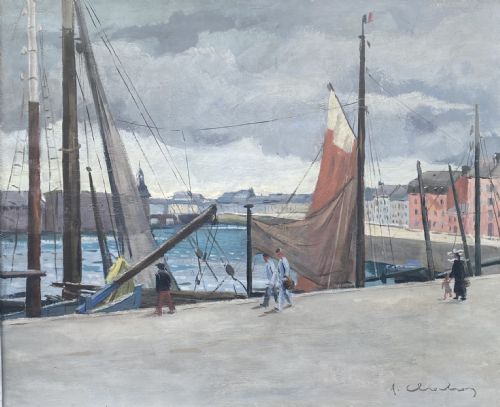


Impasto Maritime Oil Painting
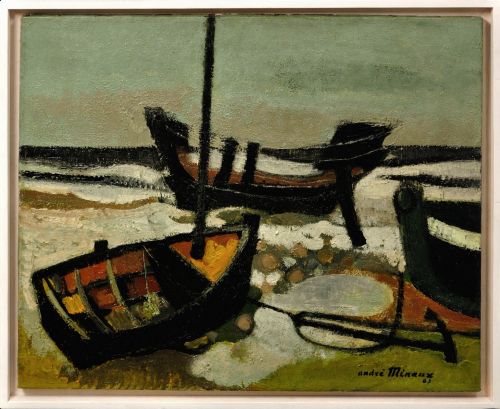
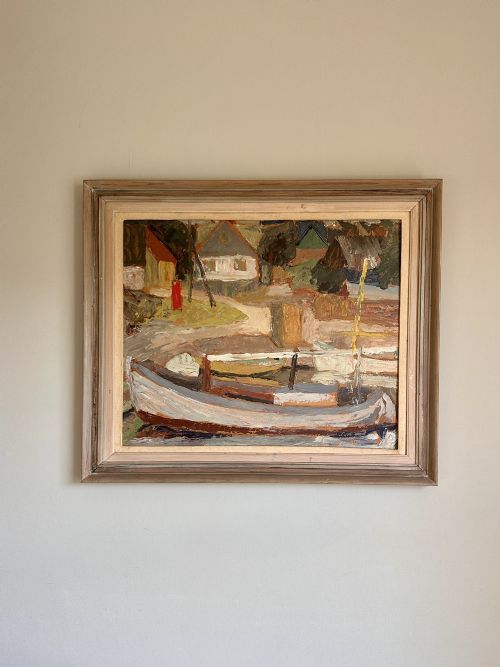
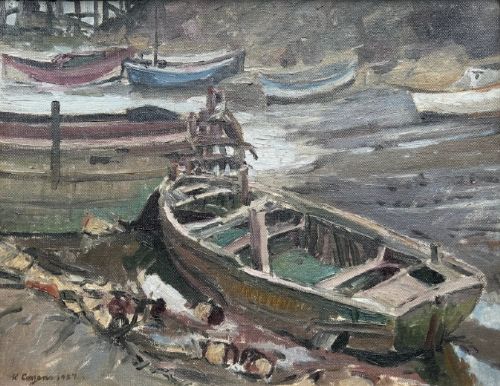
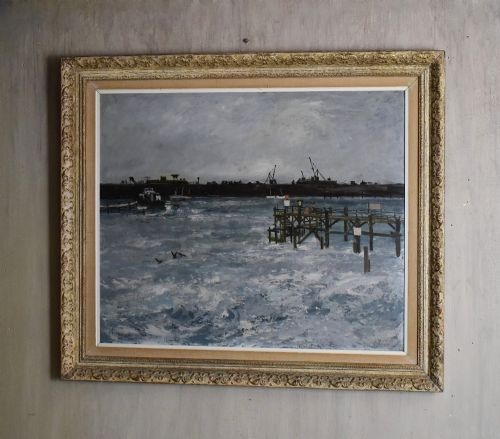
An impasto maritime oil painting brings coastal light and heavy surface texture directly onto the wall through thick, expressive brushwork.
Impasto Maritime Oil Painting
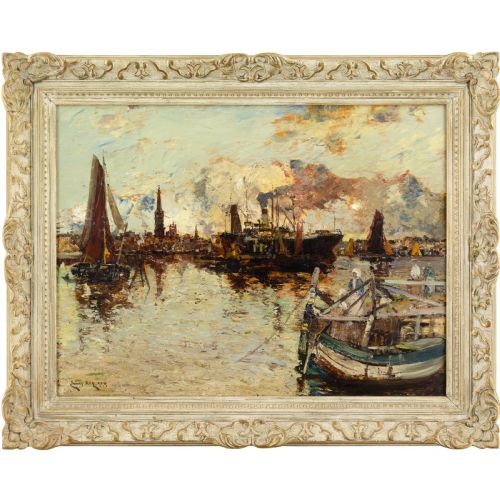
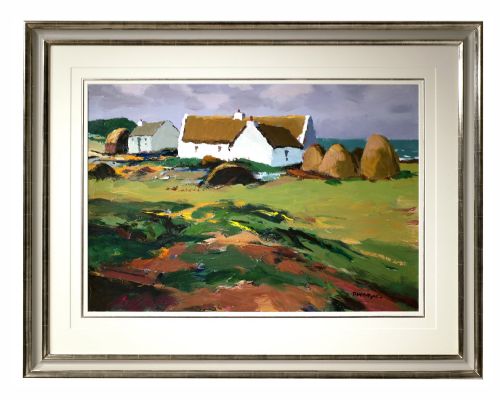
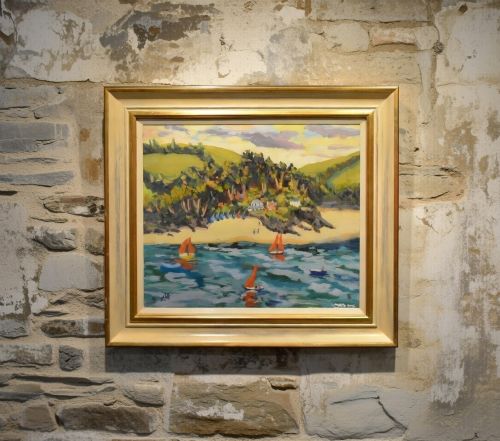
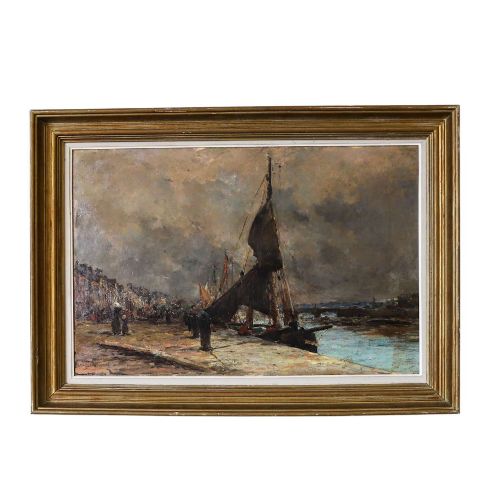
An impasto maritime oil painting captures coastal views, harbours, and estuaries through heavy, raised applications of pigment. When you search for this phrase, you encounter works spanning from the Edwardian era through the mid-twentieth century and into the nineteen-sixties. These pieces range from British scenes in Dorset and Wales to French coastal ports along the Riviera and Brittany.
The subjects focus heavily on watercraft, from working barges and fishing boats to elegant sailing yachts. You are most likely to meet mid-century examples executed on board or canvas, reflecting impressionist and post-impressionist approaches to light and movement.
Materials and technique
Artists built these surfaces using oil paint applied thickly with brushes or palette knives, creating physical ridges and peaks that catch the room's light. The grounds beneath this heavy medium consist primarily of stretched canvas, wooden board, or canvas laid over support panels.
Many of these works retain their period gilt or wooden frames, which complement the substantial depth of the paint layers and protect the edges of the canvas or board.
Impasto Maritime Oil Painting Retail Price Guide 2026
Typical asking prices for impasto maritime oil painting among the pieces listed under this phrase on Sellingantiques today, from the lower quarter to the upper quarter. They describe what is for sale here now, not the wider market.
The inventory includes British and French coastal scenes dating from the Edwardian period onward.
Distinguishing quality
The success of an impasto maritime oil painting relies on the artist's control over the thick medium to suggest movement in water and atmosphere in the sky. Superior works maintain clarity and balance despite the heavy texture, whereas lesser pieces can become muddy or visually cluttered.
The handling of light across the raised pigment separates a masterly composition from a routine study. The best examples use the physical height of the paint to define form and distance rather than relying purely on flat colour.
James Kay·Peter Brannan·Donald McIntyre·James Fry
The Impasto Maritime Oil Painting Glossary
- Impasto
- A technique where paint is laid onto a surface in very thick layers, usually thick enough that the brush or palette knife strokes are visible. This creates a tactile, three-dimensional surface that stands out from the canvas.
- Maritime painting
- Art that depicts or draws its primary inspiration from the sea, ships, harbours, and coastal views. These works often focus on the interaction between water, light, and vessels.
- Post-Impressionism
- A predominantly French art movement that developed roughly between eighteen-eighty-six and nineteen-fourteen, extending impressionist rejection of rigid academic standards while retaining vibrant colour and thick paint.
- Gilt frame
- A wooden picture surround coated with a thin layer of gold leaf or metallic gilt paint. These frames were frequently fitted to period paintings to enhance their visual depth.
Impasto Maritime Oil Painting: Frequently Asked Questions
Are these paintings supplied with frames?
Many listings include period wooden or gilt frames that were matched to the artwork during its working life.
Checking the individual description confirms whether a specific piece retains its original framing or is sold unframed.
How do I date a maritime oil painting?
Dating relies on stylistic clues, artist signatures, framing materials, and supports such as wooden boards or stamped canvas markers.
Mid-century works often display modernist brushwork and specific colour palettes typical of the nineteen-fifties and sixties.
Where should I hang a textured painting?
Positioning these works where natural side-lighting falls across the canvas allows the thick impasto texture to cast subtle shadows.
Avoid hanging oil paintings in areas subject to direct sunlight or heavy moisture, such as unventilated bathrooms.