


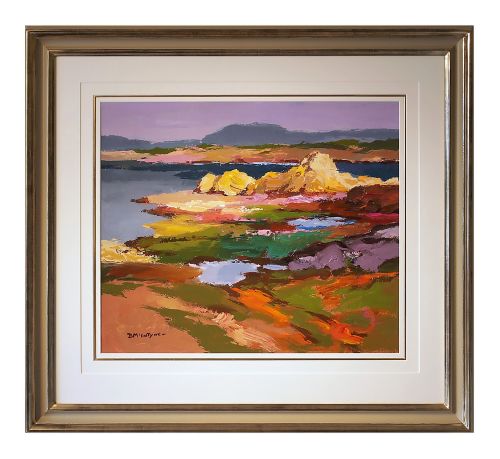
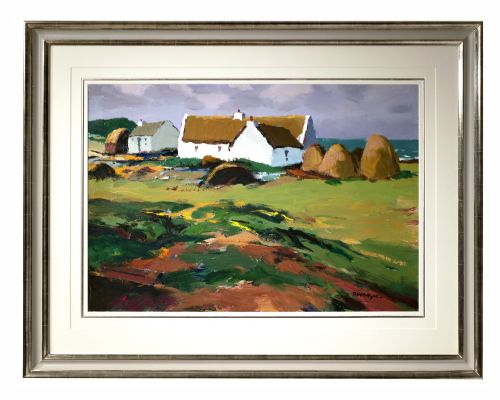
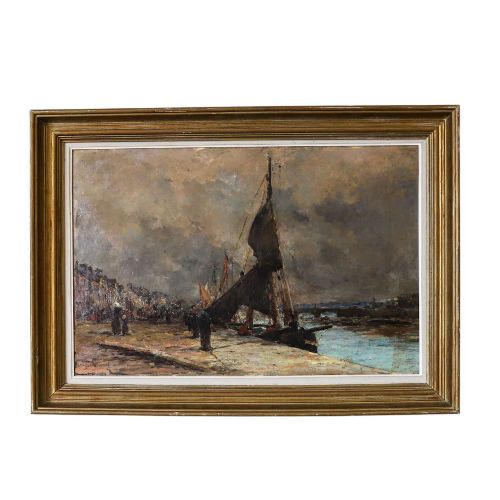
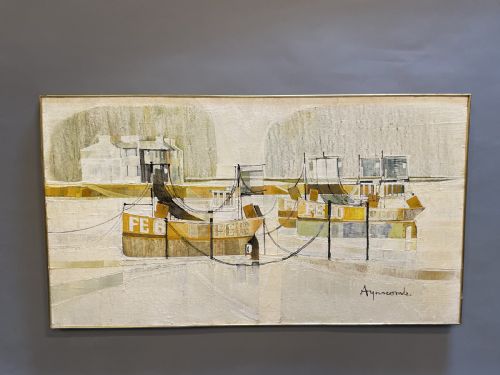


Impasto Coastal Landscape Artwork
Impasto coastal landscape artwork brings the physical texture of sea air and shifting shorelines directly onto canvas through thick, tactile paint.
Impasto Coastal Landscape Artwork
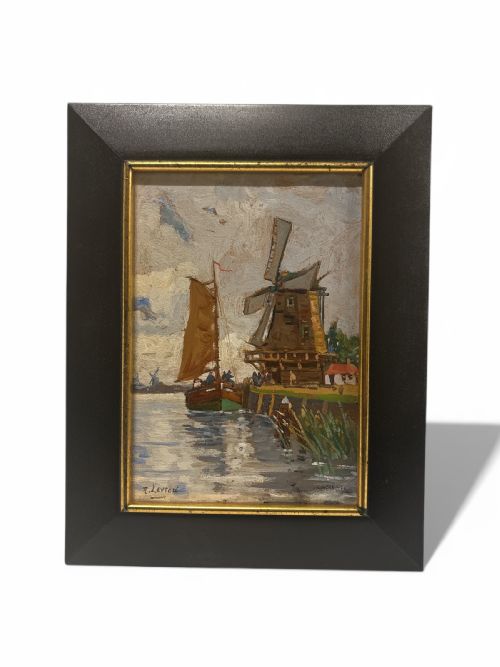
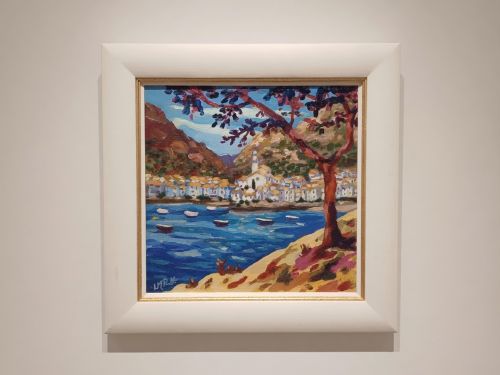
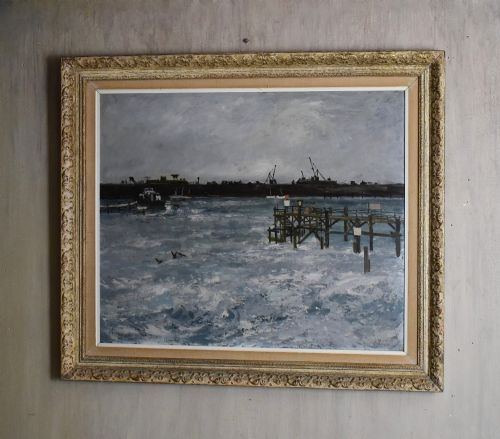
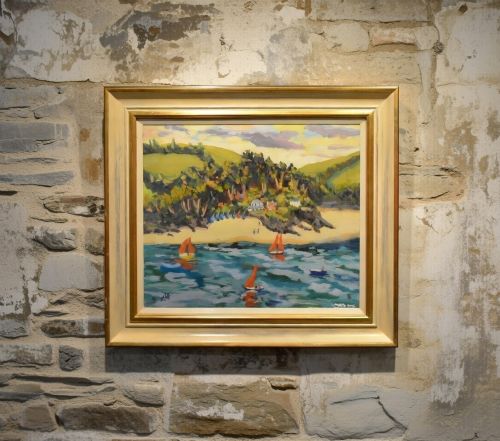
An impasto coastal landscape artwork captures harbours, estuaries, and maritime scenes using raised pigment that holds the mark of the brush or palette knife. Buyers exploring this category encounter works ranging from Edwardian and nineteenth-century coastal views to mid-century modern and post-war British interpretations.
The selection includes paintings executed across multiple decades, spanning the nineteenth century through the 1950s, 1960s, and later periods. Most examples depict British and French coastal subjects, including Cornish harbours, Riviera ports, and river estuaries.
Canvases and boards form the primary supports for these maritime scenes, frequently presented within period frames such as gilt mouldings. The physical presence of the heavy paint application defines the visual character of each piece across every represented era.
Materials and methods
Artists build these works using oil paint applied thickly to canvas, wood panels, or boards to create a pronounced physical relief on the surface. This heavy application allows the pigment to retain ridges and strokes that catch the light and emphasise the movement of water and sky.
Supports range from stretched canvas to rigid boards and panels, sometimes paired with decorative gilt frames that complement the maritime subject matter. The interplay between the dense oil medium and the solid ground gives each painting its structural durability.
Several artists recorded bustling harbour walls and quiet river estuaries while dodging seagulls and changing tides.
Distinctions in execution
Quality rests in the confidence of the handling and how effectively the thick pigment conveys light, atmosphere, and spatial depth. Stronger works manage the heavy medium without losing the sense of air and movement inherent to coastal environments.
The relationship between the support, such as canvas or board, and the weight of the oil paint dictates the stability and visual harmony of the finished piece. Finer examples demonstrate a clear intent in every stroke, where the texture serves the composition rather than masking a weak structure.
Kenneth Cozens·R Leyton·Lucy Pratt·Peter Brannan·Donald McIntyre·Helen Layfield Bradley·Jean-Baptiste Olive·Raymond Picque·James Fry·Cecil Rochfort D'Oyly-John·Florence Hess·Edward M. Elliott·Jack R Mould
The Impasto Coastal Landscape Artwork Glossary
- Impasto
- A technique where paint is laid onto a surface in very thick layers that stand out from the canvas. This method allows brushstrokes and knife marks to retain their three-dimensional shape.
- Estuary
- The tidal mouth of a large river where the tide meets the stream. These locations provided artists with shifting light and diverse maritime traffic to record.
- Gilt frame
- A wooden picture frame covered with a thin layer of gold leaf or gilt finish. Such frames frequently accompany nineteenth-century and mid-century oil paintings.
- Post-War British
- An artistic categorization reflecting works produced in Britain following the Second World War. This period saw renewed interest in expressive landscape and maritime painting.
Impasto Coastal Landscape Artwork: Frequently Asked Questions
What defines an impasto coastal landscape artwork?
These pieces use thick layers of oil paint to render maritime scenes, harbours, and shorelines with visible texture.
The raised pigment creates a physical relief that captures light and brings a tactile quality to the water and sky.
How should I hang an oil painting on board?
Paintings on rigid wooden supports require stable wall conditions away from direct heat sources to protect the ground.
Ensure the hanging hardware matches the weight of the frame and secures safely to the wall.
What periods do these maritime paintings cover?
The available selection spans from the nineteenth century through the Edwardian era and into the mid-twentieth century.
Works from the 1950s and 1960s represent a significant portion of the modernist and impressionist output.
Are these artworks supplied with frames?
Many listings include period frames, such as gilt wood mouldings, that complement the age and style of the painting.
Framing details vary by individual piece, so check the specific description for each work.