


Scottish Coastal Scene Painting
These scottish coastal scene painting works capture northern shores and fishing harbours in oil and watercolour.
Scottish Coastal Scene Painting
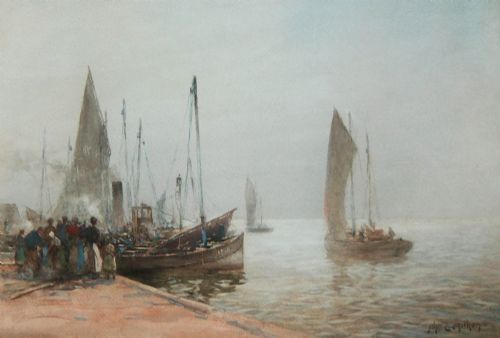
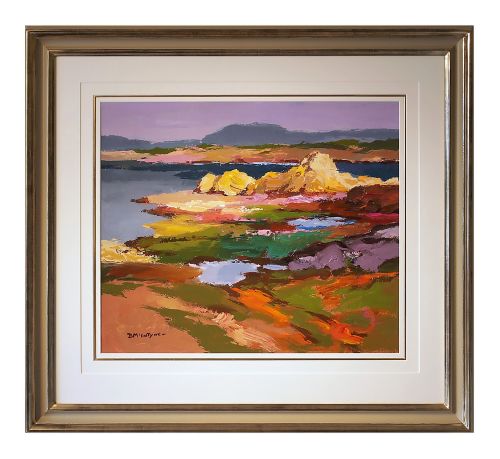
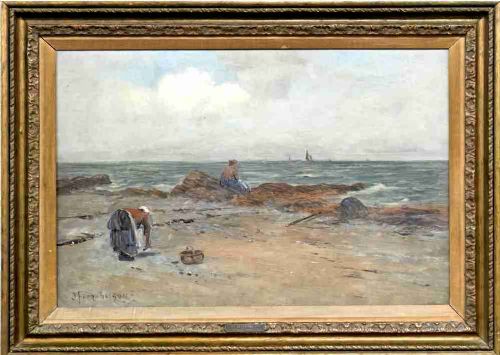
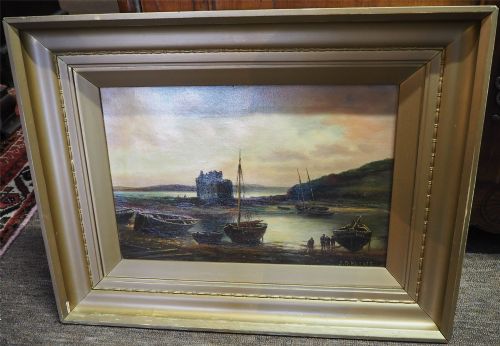
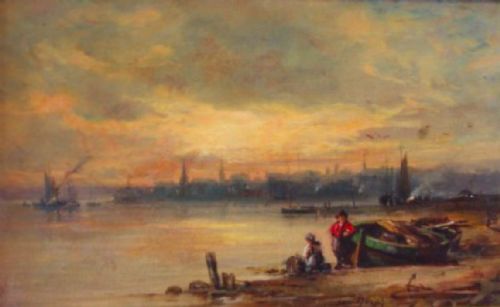
A scottish coastal scene painting portrays the maritime edges and harbours of Scotland across various historical periods. These works record the physical character of coastal settlements, fishing ports, and sea lochs through distinct regional viewpoints.
Most examples encountered on this page date from the nineteenth and twentieth centuries, employing media such as oil paint on canvas and watercolour on paper. The selection includes works by established Scottish School artists alongside traditional Victorian marine compositions.
Subjects range from bustling Fife harbours like Anstruther and Crail to quiet sea views along the Solway Firth and the Firth of Forth. Collectors seek these pieces for their atmospheric rendering of northern light and coastal life.
How they were made
Artists working on a scottish coastal scene painting typically applied oil paint or watercolour to canvas, wood panels, or heavy paper supports. The handling of medium ranges from detailed academic realism to looser impressionistic brushwork that captures changing coastal weather.
Many works retain their original frames, often constructed from wood with gilt gesso enrichment. These mountings reflect the framing conventions of the Victorian era and the mid twentieth century.
Several canvases record the exact moment oyster pickers bent to their work along muddy shores.
What varies in quality
The distinction between standard and superior examples of a scottish coastal scene painting lies in the confidence of the brushwork and the artist's command of atmospheric light. Stronger compositions convey the specific humidity and illumination of northern waters rather than relying on generic formulas.
Provenance and documentation also separate the finest works from anonymous student pieces. Signed canvases with clear historical connections to known regional schools command greater interest among serious collectors.
James E. Aitken·Donald McIntyre·Joseph Farquharson·Sir David Murray·James Torrington Bell·Owen Bowen·Robert Macaulay Stevenson·James Kinnear·James G. Faulds·Samuel Bough
The Scottish Coastal Scene Painting Glossary
- Scottish School
- A loose affiliation of painters working in Scotland who developed distinctive approaches to landscape and marine subjects. Their output spans the nineteenth and twentieth centuries, often showing strong links to impressionistic techniques.
- Impressionism
- An art movement focusing on transient effects of light and spontaneous brushwork. In marine subjects, this approach renders the restless movement of water and shifting skies.
- Gilt Wood
- Timber framing finished with a thin layer of gold leaf or metallic powder. These surrounds provide traditional housings for period oils and watercolours.
- Marine Painting
- Artwork depicting ships, harbours, coastal architecture, and the open sea. This genre encompasses both documentary records of maritime trade and expressive coastal landscapes.
Scottish Coastal Scene Painting: Frequently Asked Questions
What periods do these coastal paintings represent?
The available works span from the Victorian era through the early and mid twentieth century. Pieces from the nineteen hundreds to the nineteen sixties demonstrate shifts in regional painting styles.
Earlier works lean towards academic marine traditions, while later mid-century examples embrace post-impressionist handling of colour and form.
Where do these coastal scenes typically set?
Locations focus heavily on Scottish coastal regions, including fishing ports in Fife, the Solway Firth, and the Scottish Borders. Specific named harbours and lochs appear frequently in the titles.
These geographical references help anchor the historical context of each composition and its local maritime industry.
Are these works painted in oil or watercolour?
The primary medium is oil paint applied to canvas or wood panels, alongside watercolours on paper. Oil paintings often display heavier texture and impasto.
Watercolour examples generally offer a lighter, more transparent treatment of coastal mists and open skies.
How should I frame and display a Scottish marine painting?
Most of these works suit traditional wood or gilt frames that complement their period of origin. Proper placement avoids direct sunlight to protect pigments from fading.
Maintaining stable indoor humidity preserves both the canvas support and the integrity of the paint surface.