

Imari Pattern Ceramics
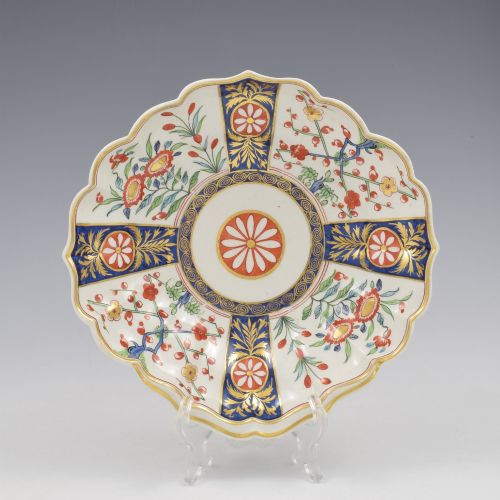
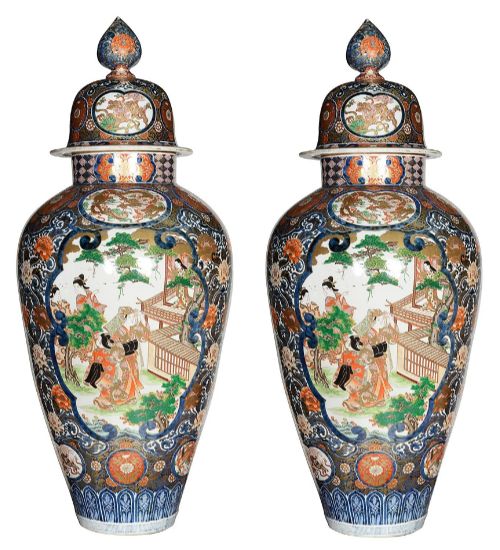
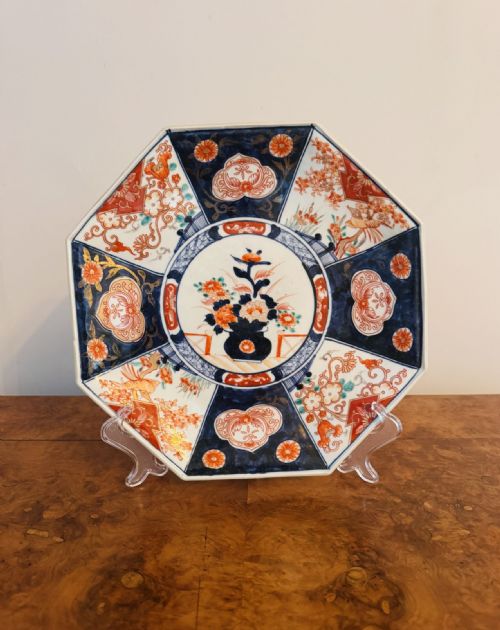
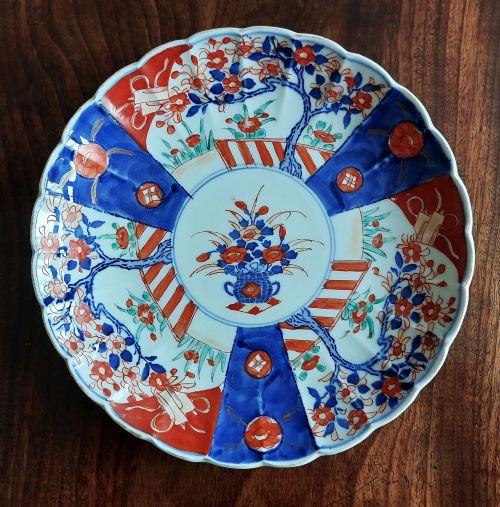
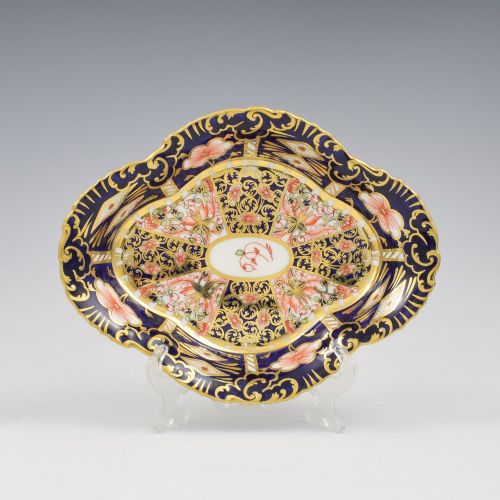
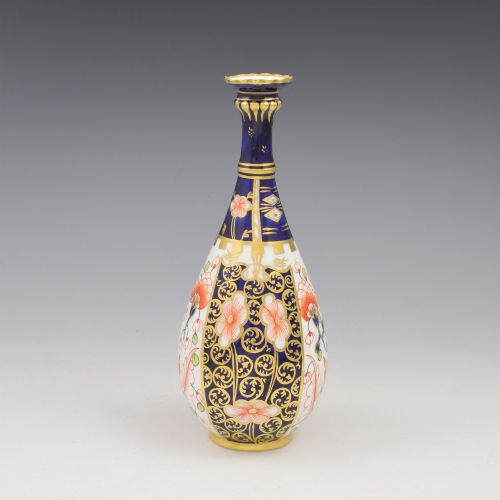
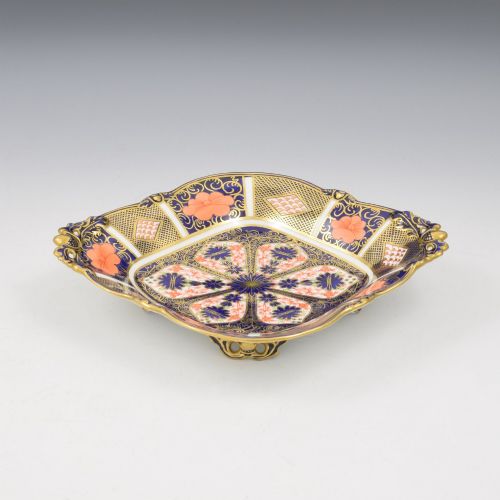
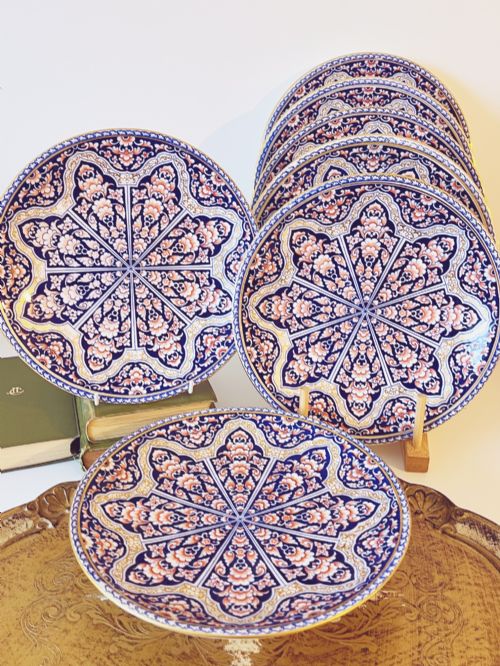
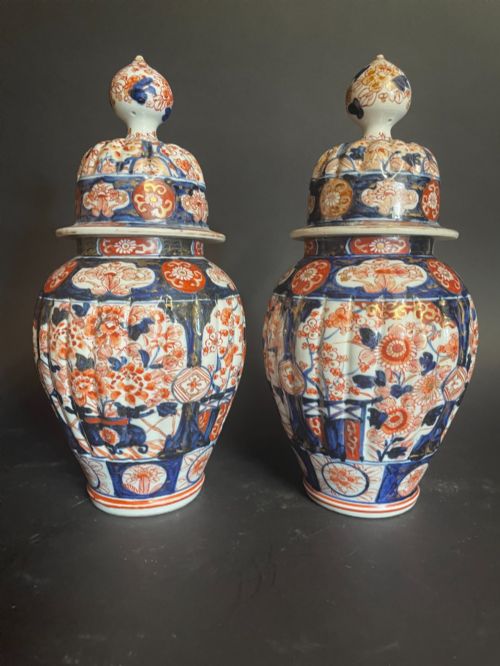
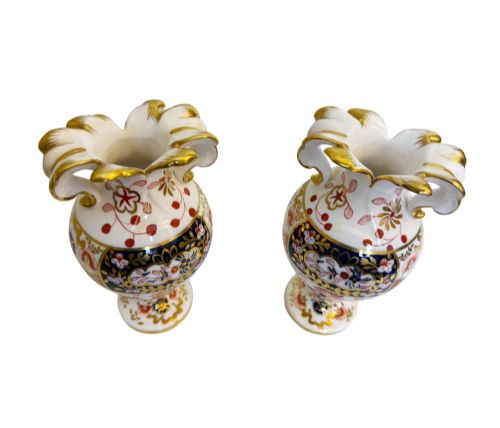
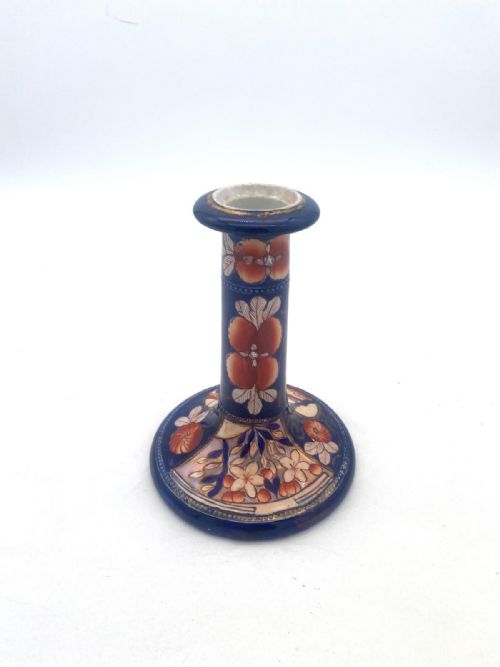
Imari pattern ceramics unite rich cobalt blue and vibrant iron red with touches of gold leaf, originating from Japanese export traditions and inspiring English makers.
Imari Pattern Ceramics
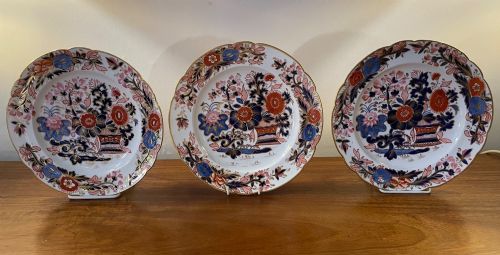
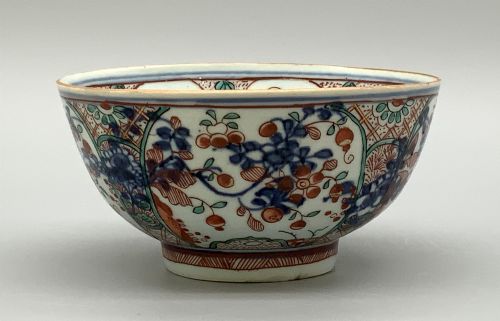
Imari pattern ceramics encompass decorative plates, bowls, jugs, vases, and tureens shaped by diverse periods including the 18th Century, Georgian, Regency, Victorian, and 19th Century. Pieces range from Chinese Kangxi period porcelain and Japanese examples to English interpretations by factories such as Spode and Royal Crown Derby.
The most common forms on this page are ironstone jugs, porcelain plates, and dessert services featuring the characteristic palette. English makers often adapted the aesthetic into Japan pattern or Gaudy Welsh designs using earthenware, bone china, and ironstone.
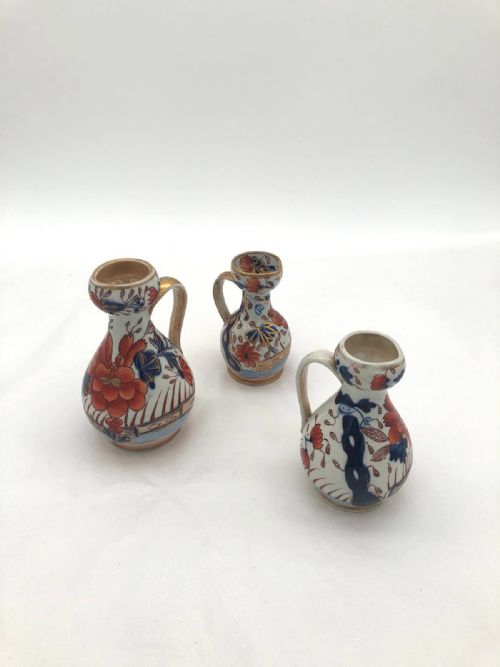
Vessels span from miniature twin-handled vases and coffee cans to large covered bowls and multi-piece afternoon tea services. Buyers encounter both imported East Asian wares and domestic Staffordshire production sharing the distinctive iron red and blue ornamentation.
How they were made
Makers utilised porcelain, ironstone, earthenware, and bone china as the ceramic base for these objects. Potters shaped the clay bodies through throwing or moulding before applying underglaze cobalt blue.
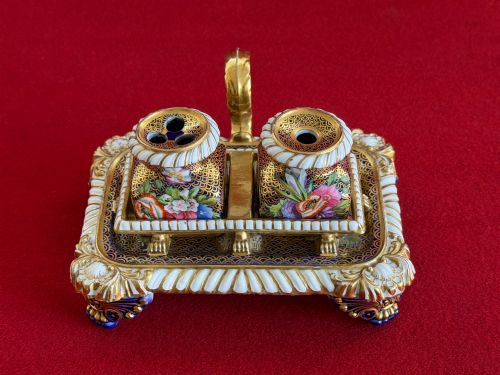
Enamel colours and gold leaf were added over the glaze during a secondary firing to achieve the layered visual depth characteristic of the palette. Ironstone bodies offered durability for heavier domestic items such as jugs and tureens, while fine porcelain suited delicate dessert services.
Several jugs on this page depict a humble schoolhouse, proving that imari decorators were quite happy to put architecture alongside traditional foliage.
What varies in quality
Quality depends upon the precision of the hand painting and the crispness of the gilt detailing applied over the glaze. Finer examples display meticulous brushwork in the cobalt blue and iron red sections, whereas simpler regional wares show looser execution.
The selection of the ceramic paste influences the refinement of the piece, distinguishing heavy utilitarian ironstone from translucent porcelain or bone china. The harmony of the palette and the preservation of the gold leaf across the surface distinguish the grade of the manufacture.
Royal Crown Derby·Mason s Ironstone·Spode Porcelain·Hicks and Meigh·Chamberlain Worcester·John Davenport
The Imari Pattern Ceramics Glossary
- Imari
- A style of ceramic decoration originating in Japan, characterised by a palette of cobalt blue, iron red, and gold leaf. English factories later imitated this aesthetic on porcelain and ironstone.
- Ironstone
- A heavy, durable type of earthenware patented in the 19th Century by English manufacturers. It provided a strong body suitable for everyday tablewares decorated with transfer prints and enamels.
- Comport
- A raised dish or bowl used for serving fruit or dessert at the table. These often formed part of larger ceramic service sets.
- Gaudy Welsh
- A type of colourful earthenware produced in the 19th Century featuring imari-inspired hand-painted motifs. It is frequently found on jugs and bowls.
- Kangxi
- A period of Chinese imperial rule from 1662 to 1722 renowned for fine porcelain production. Pieces from this era often exported the precursor styles to European markets.
Imari Pattern Ceramics: Frequently Asked Questions
How do I identify imari pattern ceramics?
These ceramics are recognised by their distinct palette combining deep cobalt blue underglaze with iron red and gold leaf highlights over the glaze. The decorative motifs frequently blend floral and geometric patterns.
English interpretations often carry factory marks or pattern numbers on the underside, while earlier imported pieces rely on stylistic attributes and body composition for identification.
Are these pieces suitable for daily use?
Robust ironstone jugs and plates from the 19th Century were built for practical domestic dining and service. However, antique porcelain and bone china items with delicate gold leaf details require careful handling.
Hand washing is recommended to preserve the overglaze enamels and metallic gilding from deterioration over time.
What is the difference between Japanese and English imari?
Japanese originals and Chinese export pieces generally feature finer paste and specific potting characteristics distinct from European output. English factories adapted the visual language onto their own porcelain and ironstone bodies.
English versions often incorporate regional shapes such as footed comports and schoolhouse pattern jugs while keeping the red, blue, and gold colour scheme.
How do I date an imari pattern piece?
Dating relies on identifying factory marks, pattern numbers, and the specific ceramic body used by the manufacturer. Georgian and Regency pieces show different potting weights compared to Victorian or Edwardian examples.
Reference guides for makers like Spode or Royal Crown Derby help match pattern numbers to exact production years.