


Imari Gilt Ceramic Urn
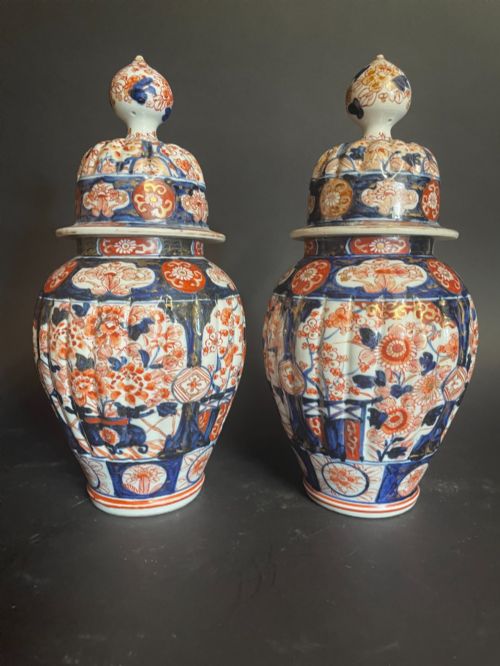
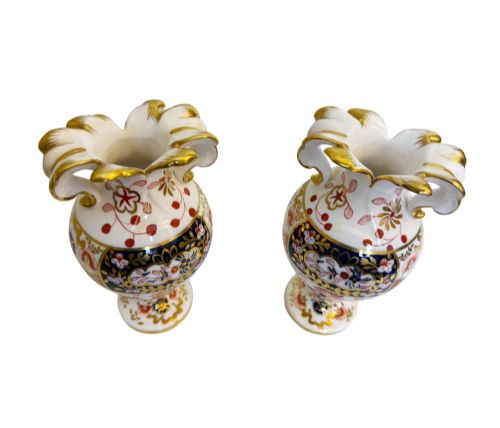
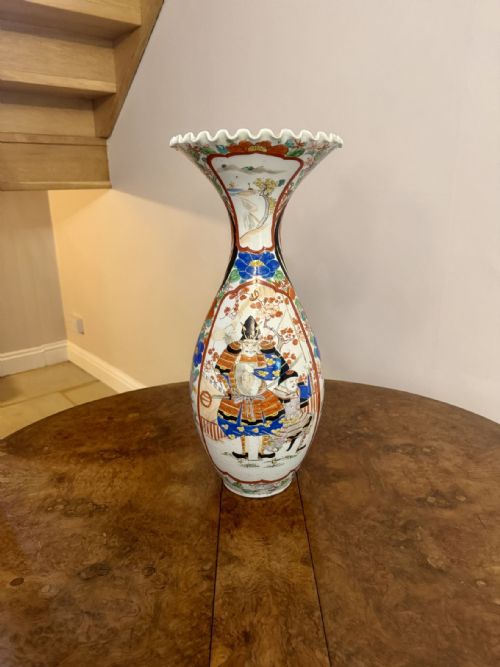
These imari gilt ceramic urn pieces bring rich Japanese and European decorative traditions together in striking display forms.
Imari Gilt Ceramic Urn
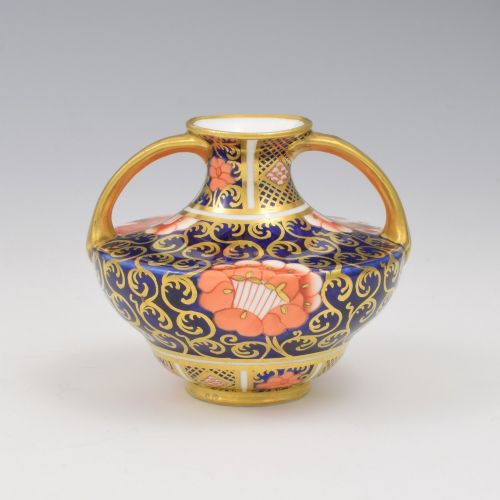
An imari gilt ceramic urn combines traditional iron-red and cobalt blue underglaze decoration with contrasting metallic highlights. Pieces matching this search span several centuries of production from both Japanese kilns and European potteries.
The selection ranges from traditional Japanese Arita and Meiji period vessels to English ironstone and porcelain adaptations by makers such as Spode and Mason's. Lidded jars, garniture sets and spill vases feature prominently among these forms.
Buyers encounter everything from 18th century Japanese export pieces to Edwardian interpretations and Continental porcelain. Twin-handled vessels and pot pourri jars demonstrate the practical domestic uses these ceramics fulfilled.
Materials and construction
Potters shaped these vessels using fine porcelain, sturdy ironstone, and general ceramic bodies before applying underglaze cobalt blue and iron-red enamel. Artisans then enriched the designs with applied gold leaf, gilding, and brass mounts.
Firing techniques allowed kilns to achieve the characteristic vibrant palette associated with Imari styles across both Asian and European workshops. Subsequent additions of metallic leaf highlighted the detailed surface patterns.
Some lidded jars have spent centuries guarding nothing more mysterious than old dried petals.
Judging the work
Quality rests in the crispness of the hand-painted underglaze motifs and the richness of the surviving gilding. Superior examples maintain intact enamel details without excessive rubbing from past cleaning.
The precision of the ceramic body formation and the balance of the proportions distinguish standard production from exceptional studio output. Formats that retain original covers or matching garniture groupings command particular interest.
Spode·Royal Crown Derby·Masons Ironstone·Flight Barr and Barr·Fukagawa
The Imari Gilt Ceramic Urn Glossary
- Imari
- A style of Japanese export porcelain originating from Arita, characterised by a palette of cobalt blue, iron-red, and gold. European factories frequently copied these distinct decorative schemes.
- Gilding
- The application of gold leaf or gold dust to the ceramic surface to accent handles, rims, and motifs. This technique adds a layer of reflective warmth to the finished vessel.
- Ironstone
- A type of heavy, durable earthenware developed in Britain as a robust alternative to porcelain. Factories utilised this material for large vases and decorative tablewares.
- Garniture
- A set of matching vases or jars designed to be displayed together on a mantelpiece or sideboard. These matched groupings typically comprise three to five pieces.
- Meiji period
- A historic era in Japan spanning from 1868 to 1912, known for prolific export pottery production. Pieces from this time often exhibit intricate hand-painted detail.
Imari Gilt Ceramic Urn: Frequently Asked Questions
How do I care for gilt ceramic urns?
Dust these pieces gently with a soft, dry cloth to protect the delicate surface gilding and enamel work. Avoid using water or chemical cleaners, which can damage the metallic highlights.
Keep the vessels away from direct sunlight to prevent the iron-red and cobalt blue pigments from fading over time. Secure them on stable surfaces where they will not be knocked or vibrated.
Were these urns made in Japan or Europe?
The selection includes both authentic Japanese export wares from kilns such as Arita and European interpretations made by English and Continental factories. European potters actively imitated the distinctive palette.
Examining the paste, weight, and potting style helps differentiate the original Asian pieces from later British ironstone and porcelain equivalents. Both traditions hold significant historical interest for collectors.
What is a garniture set?
A garniture set consists of multiple matching vases or lidded jars designed to be arranged together as a decorative unit. These groupings were traditionally placed on mantelpieces in formal rooms.
Finding a complete set remaining together is unusual, as individual pieces often became separated over the centuries. Each vessel in the set typically shares identical decorative motifs and proportions.
How can I tell an 18th century piece from a 19th century one?
Earlier pieces from the 18th century often display subtle variations in the ceramic body and hand-applied pigments due to traditional firing methods. The paste can feel slightly different under close examination compared to later Victorian output.
Later 19th century and Edwardian pieces frequently feature crisper factory marks and more standardised ironstone or porcelain bodies. Comparing the style of the gilding and the weight of the ceramic provides further clues.