




Hunting Silver Antiques
Hunting silver antiques bring the field and the stable indoors through flasks, whips, and horn-form novelties.
Hunting Silver Antiques
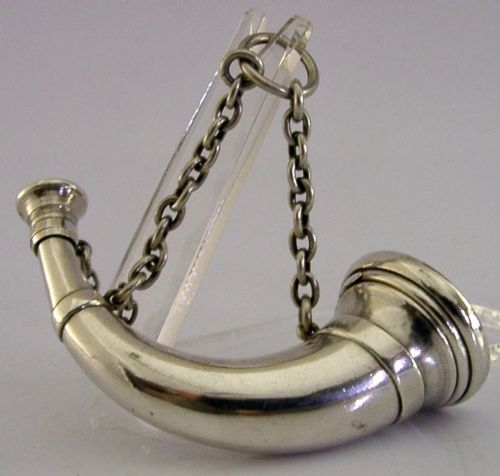
Hunting silver antiques comprise an array of equestrian equipment, field accessories, and decorative items connected to rural pursuits and field sports. These pieces range from hip flasks and stirrup cups to riding crops with silver collars and candle snuffers shaped like hunting horns.
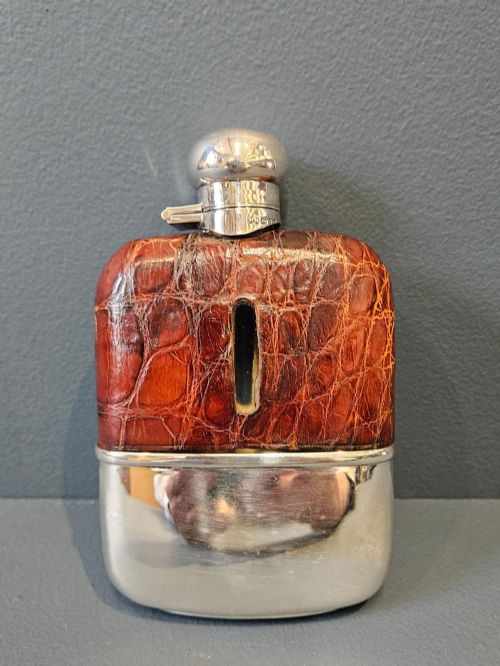
The objects stem predominantly from the Victorian, Edwardian, and George V periods, alongside items from the nineteenth century and the 1920s and 1930s. Buyers frequently encounter silver-mounted leather hip flasks and horn or glass vessels intended for use on horseback or in the field.
How They Were Made
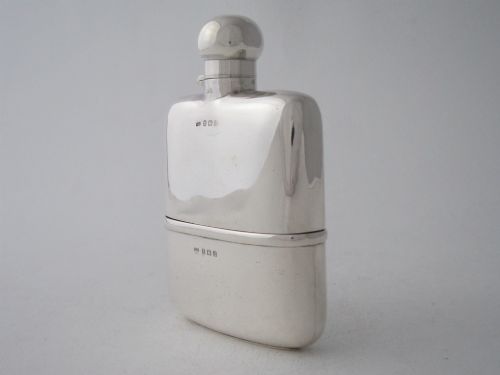
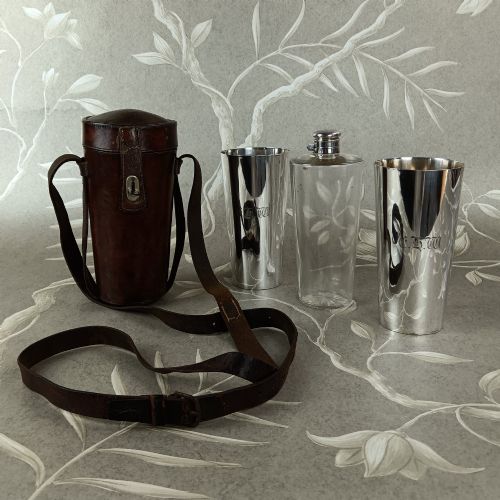
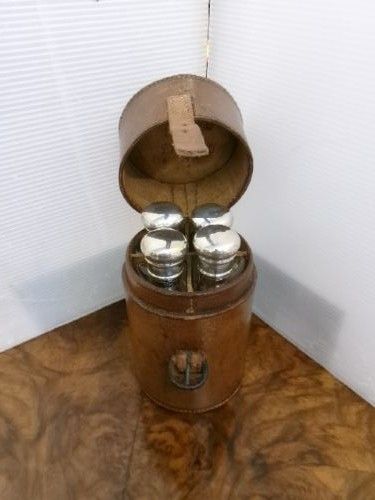
Silversmiths utilised sterling silver and silver plate for mounts, cups, and novelties, combining metal with glass, leather, crocodile leather, horn, and staghorn. Flasks often paired curved glass bodies with tight silver screw caps and removable cups designed to slip into fitted leather cases.
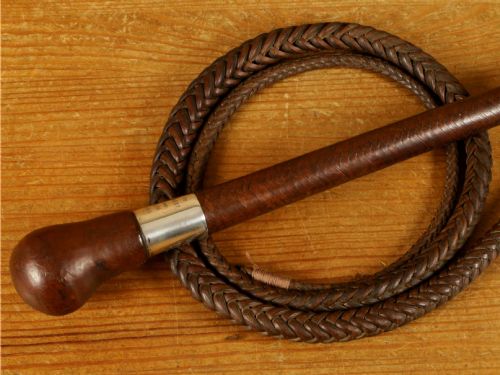
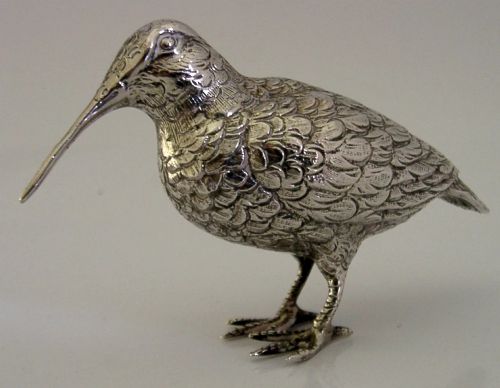
Makers integrated natural materials such as deer hoof, woodcock figures, and steel into items like table lamps, letter openers, and travelling cutlery sets. Hunting whips and riding crops incorporated braided English leather shafts finished with engraved silver collars.
Hunting Silver Antiques Retail Price Guide 2026
Typical asking prices for hunting silver antiques among the pieces listed under this phrase on Sellingantiques today, from the lower quarter to the upper quarter. They describe what is for sale here now, not the wider market.
Listings span the eighteenth, nineteenth, and twentieth centuries, featuring materials from crocodile leather and staghorn to sterling silver and glass.
What Varies in Quality
Quality rests on the crispness of the chasing and engraving upon the silver components, particularly when forming realistic details on horn snuffers, foxes, and bird figures. Maker attribution and original housings also elevate a piece.
The integrity of the accompanying materials distinguishes finer examples, such as unperforated crocodile leather, clear glass bodies without chips, and intact stitching on leather flask cases and riding whips.
James Dixon & Sons·Hukin & Heath·Sampson Mordan·Swaine Adeney·Asprey London·Thomas Cole
The Hunting Silver Antiques Glossary
- Stirrup cup
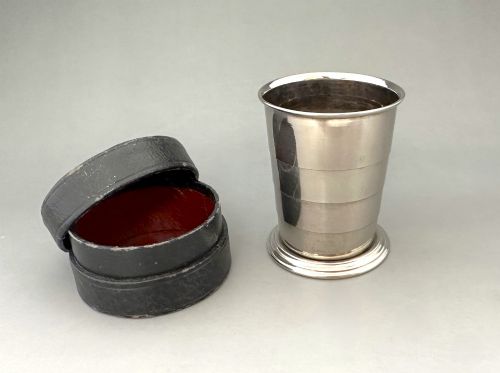
- A traditional drinking vessel, often collapsible, handed to riders before a hunt. These cups frequently lack flat bases so they cannot be set down until emptied.
- Hip flask
- A curved container designed to fit a pocket or a leather saddle case for carrying spirits on the field. They feature secure silver screw tops to prevent spills during movement.
- Vinaigrette
- A small ornamental box containing a perforated grill over a sponge soaked in aromatic vinegar. Victorians carried these to mask unpleasant odours outdoors.
- Spoon warmer
- A Victorian table accessory designed to hold hot water and keep serving spoons warm for soup courses. They occasionally took whimsical animal or natural forms.
- Fusee carriage timepiece
- A spring-driven clock controlled by a chain and fusee cone to maintain even tension as the mainspring winds down. These incorporate complex mechanical movements housed in glazed brass cases.
Hunting Silver Antiques: Frequently Asked Questions
How do I care for antique silver and leather?
Silver components require gentle cleaning with a soft cloth and dedicated polish to prevent tarnish accumulation. Avoid applying polish directly to engraved crevices or leather surfaces.
Leather cases and whip shafts benefit from occasional neutral leather dressing to keep the hide supple. Keep these items away from direct sunlight and damp environments to preserve the materials.
Are hunting horns and candle snuffers functional?
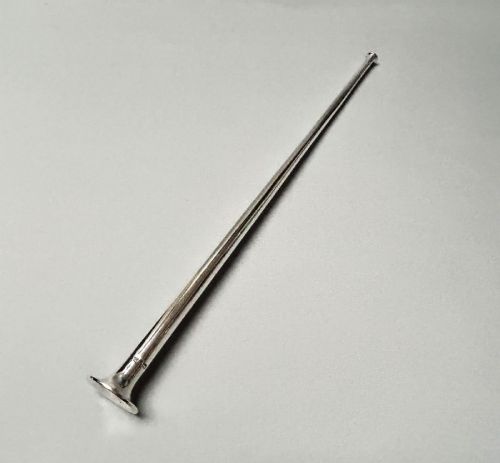
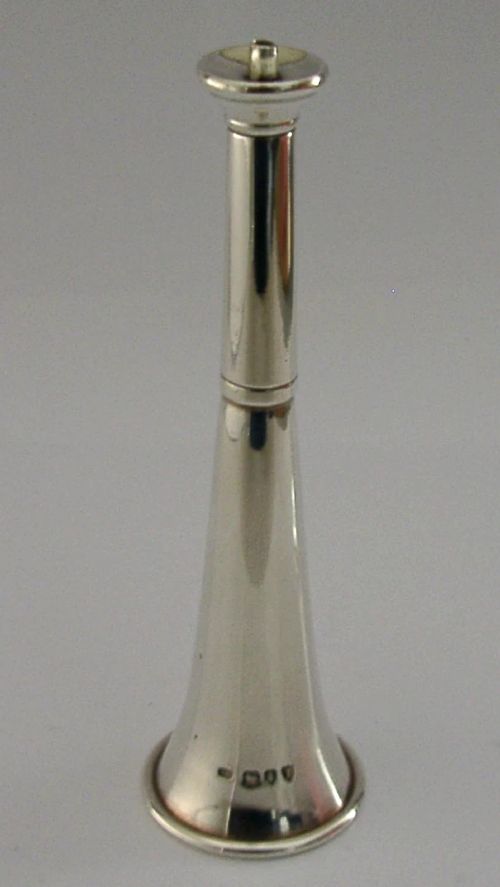
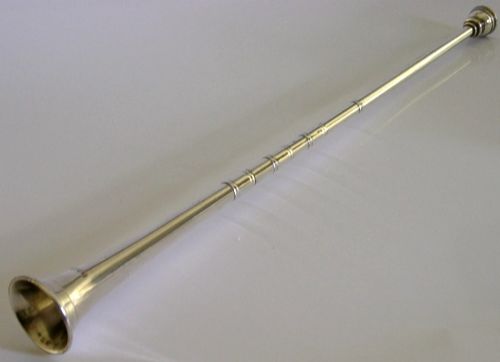
While hunting horns were designed to produce sound for signalling hounds and riders, novelty silver candle snuffers served an indoor domestic purpose. Silversmiths styled the snuffers to resemble miniature horns purely for decorative appeal.
Many of these novelty items double as desk ornaments or tabletop conversation pieces rather than practical lighting tools today. Their intricate chasing reflects the Victorian appetite for themed decorative objects.
How can I date a silver hip flask?
Dating relies primarily on the hallmarks stamped into the silver mounts by official assay offices such as London, Chester, or Birmingham. These marks record the standard of silver, the assay town, and a specific date letter.
Stylistic cues also help narrow down the period, such as the hammered finishes popular around nineteen hundred or the clean geometric lines of later decades. Accompanying leather cases often match the period of the metalwork.