



Hunting Scene Artwork
Hunting scene artwork captures the energy of the chase and the bond between rider, horse and hound through centuries of oil paintings and prints.
Hunting Scene Artwork
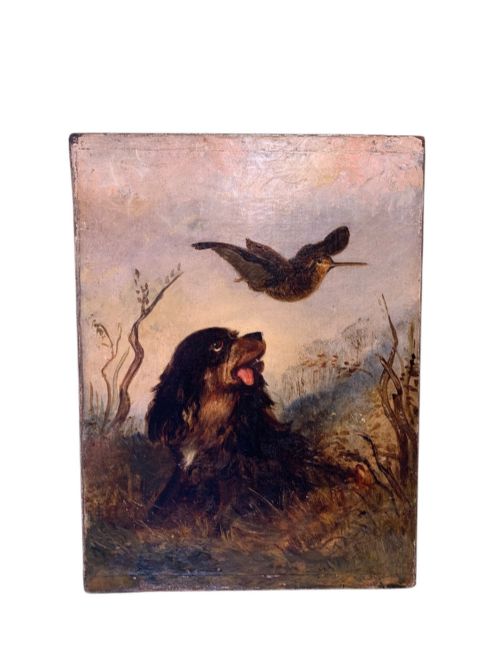
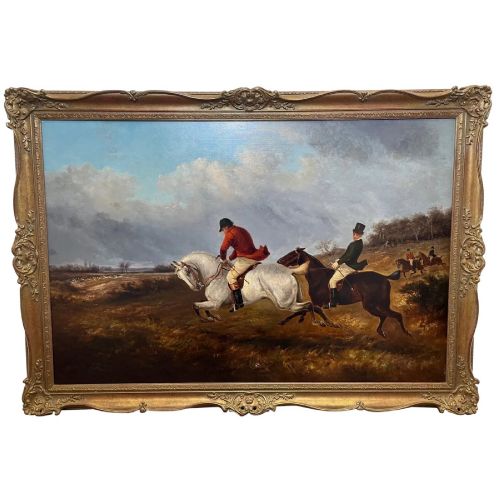
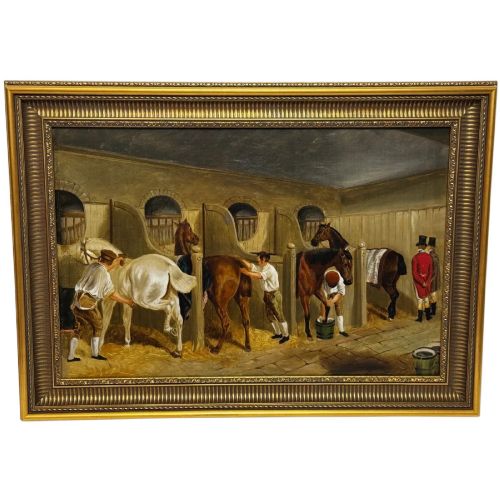
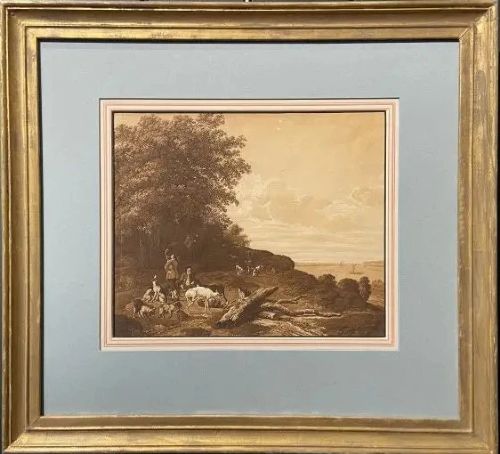
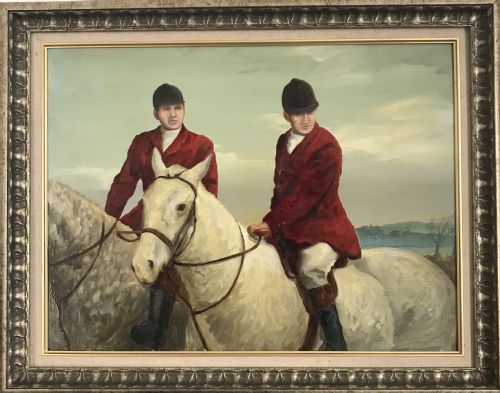
Hunting scene artwork encompasses oil paintings, watercolours and engravings that depict equine sports, hounds and country pursuits across different eras. These pieces record the traditions of the field, from the quiet anticipation of the meet to the fast pace of the full cry.
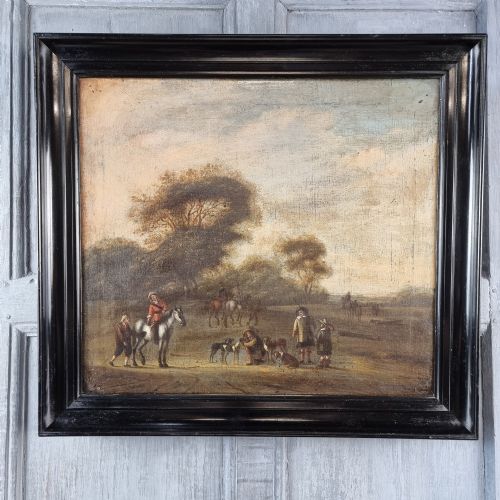
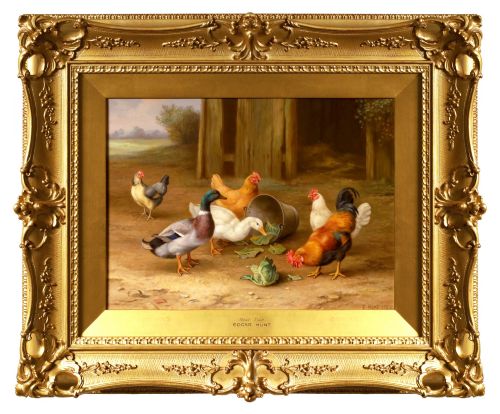
The selections available lean heavily towards Victorian and Edwardian interpretations, alongside earlier Dutch and 18th-century compositions. Canvases and framed prints dominate the offerings, bringing rural equestrian life directly onto domestic walls.
Materials and technique
Oil paint on canvas forms the core of these works, allowing artists to build deep layers of colour and capture the sheen of a hunter's coat or the dramatic light of a landscape. Watercolour and hand-coloured engravings on paper offer a lighter, more graphic alternative found frequently across the period.
Traditional framing in gilt wood complements the tonal depth of the oils and protects the edges of the canvas. Pigments applied to paper often rely on careful line work and wash techniques to render horses and hounds with anatomical precision.
Listings feature oil on canvas, paper and glass alongside gilt wood frames, spanning periods from the 17th century to the 1920s.
Judges of quality
The ability to render the anatomy and movement of horses and hounds determines the success of a hunting composition. Stronger works capture tension in the stride and atmosphere in the landscape, whereas lesser pieces stiffly pose their subjects.
The handling of light and background detail separates proficient studio work from master output. Painters who integrate the human figures seamlessly into the rural landscape produce works that command greater attention.
Thomas Smythe·Edgar Hunt·John Arthur Lomax·Philip Henry Rideout·George Armfield·Michael Lyne·Charles Faulkner·John Frederick Herring Jnr·John Sanderson Wells·Henri Schouten·Heywood Hardy·Ludolf de Jongh·Robert Cleminson·Guillaume Urban Régamey·George Goodwin Kilburne·William J Hodgson·Thomas Blinks
The Hunting Scene Artwork Glossary
- Full cry
- The moment in a hunt when the hounds catch the scent and give tongue together. This term often titles works depicting the height of the chase.
- View halloo
- The shout given when the quarry is sighted leaving cover. Painters use this dramatic phase to organise dynamic compositions.
- Engraving
- A printmaking technique where an image is incised into a metal plate. Hand-coloured examples add subtle washes over the etched lines.
- Equestrian art
- Depictions focused primarily on horses and their riders. These pieces range from formal portraits of hunters to chaotic field sports.
Hunting Scene Artwork: Frequently Asked Questions
What periods do these artworks cover?
The pieces span from the late 17th century through the Georgian and Victorian eras up to the early 20th century. Victorian and Edwardian sporting art forms the largest segment of what is available.
Earlier Dutch Golden Age influences also appear, demonstrating how European schools shaped British sporting traditions over generations.
Are these works original paintings or prints?
Both original works and historical prints appear across the selection. Many items are oil paintings on canvas or board, created by named Victorian and Edwardian painters.
Others are period engravings and watercolours, sometimes hand-coloured, which provided more accessible wall art for country houses.
How do I identify a Victorian hunting painting?
Victorian sporting art typically shows realistic equestrian anatomy, detailed red coats and distinct regional hunts like the Berkeley. Artists from this era often signed their canvases clearly and recorded specific horses or hounds.
The framing also offers clues, as heavy gilt wood frames matched the Victorian taste for opulent domestic display.
Where should I hang a hunting painting?
These works suit traditional spaces like studies, libraries and dining rooms where dark wood and classic interiors complement the palette. Good lighting brings out the deep greens of the landscapes and the rich browns of the horses.
Ensure they hang away from direct sunlight to protect oil varnishes and paper watercolours from fading.