

Howard Style Chair
When you search for a howard style chair, you look for deep, sprung comfort wrapped in traditional English country house upholstery.
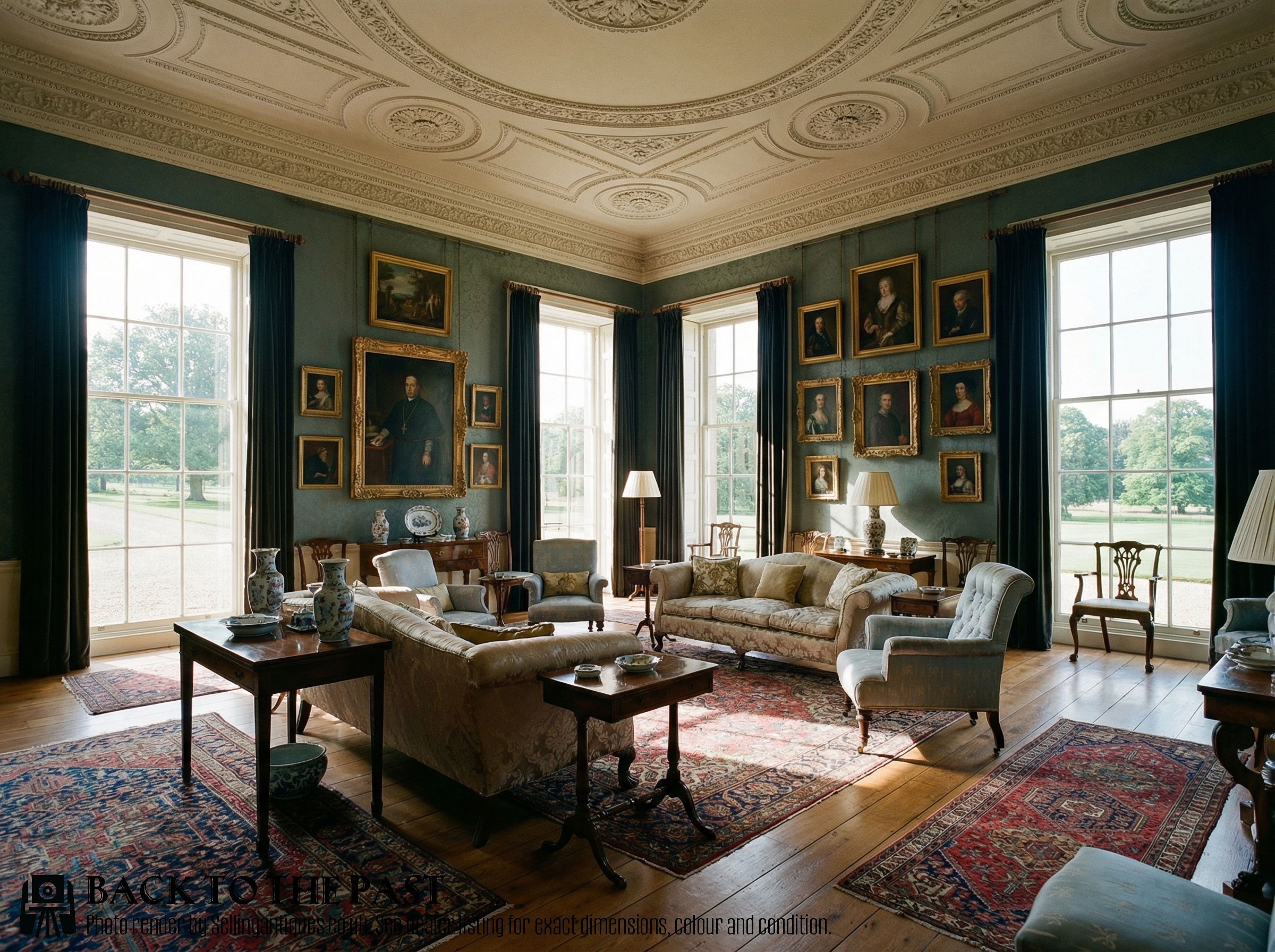
Howard Style Chair
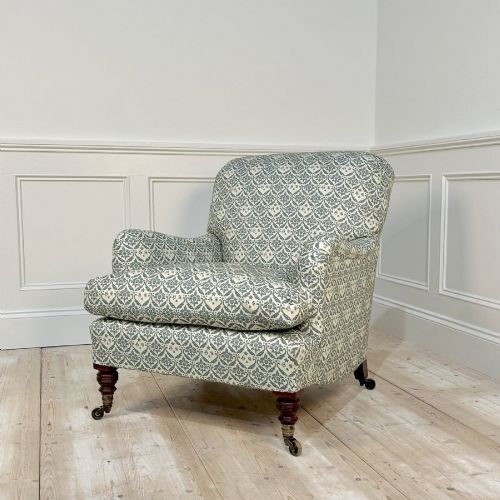
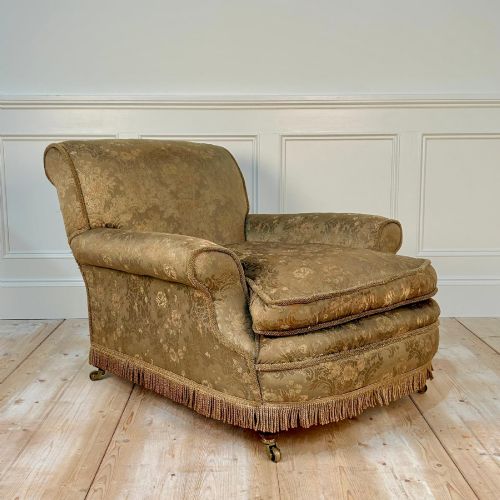
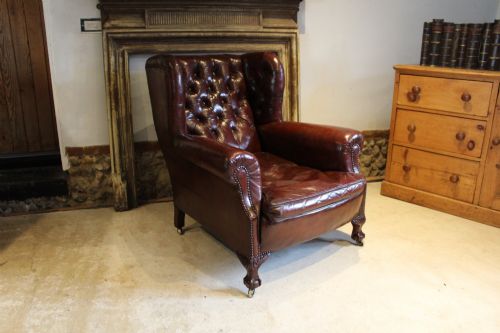
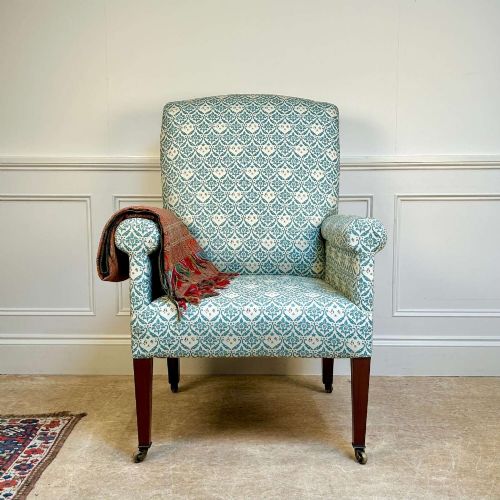
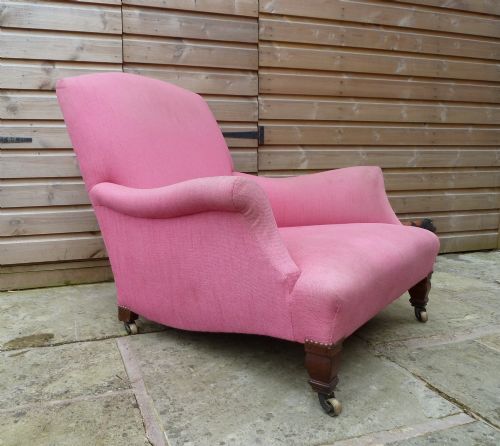
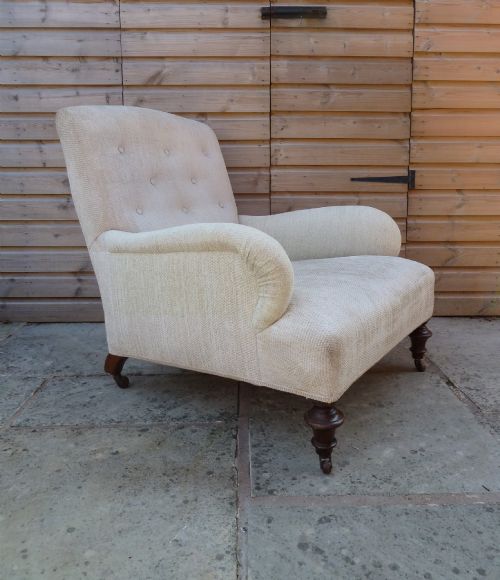
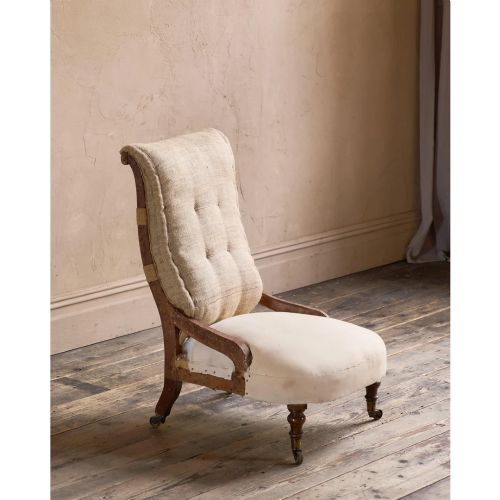
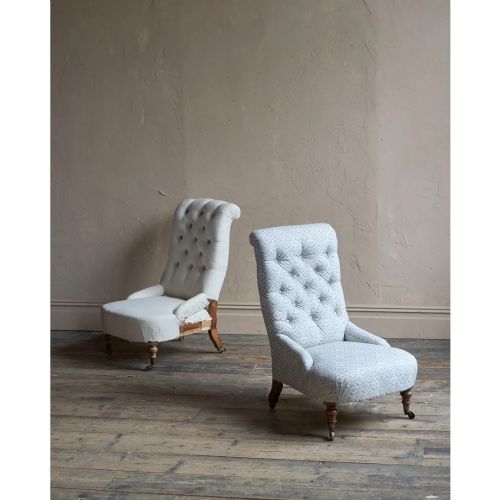
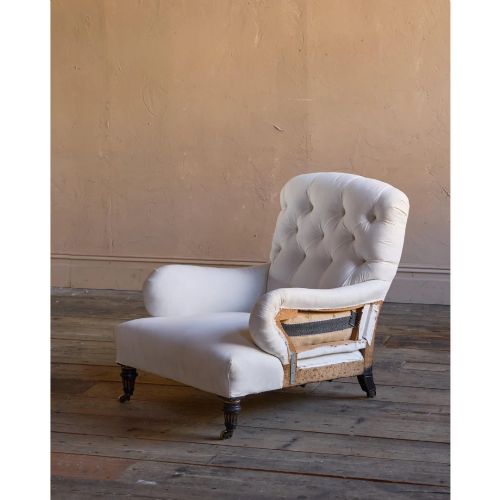
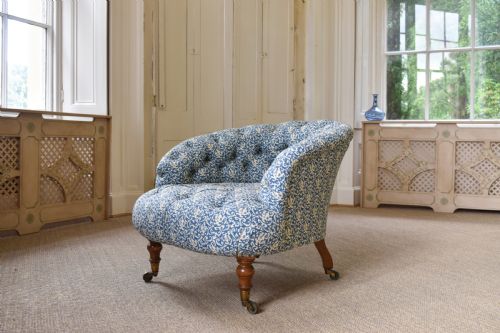
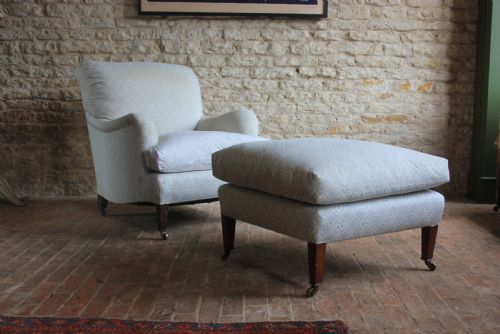
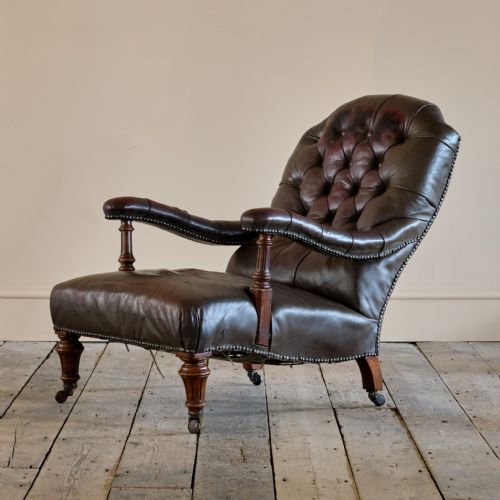
A howard style chair is a deeply comfortable upholstered armchair defined by low rolled arms, turned wooden legs, and generous proportions designed for relaxation. Most examples you meet on this page originate from the Victorian and Edwardian periods, reflecting the golden age of English upholstered seating.
Makers and makers' styles range from the original workshop of Howard and Sons to contemporary interpretations by other cabinet makers of the nineteenth century. Forms include club armchairs, open armchairs, tub chairs, and matching footstools designed for country house drawing rooms.
These seats anchor traditional interiors with substantial padding and understated elegance. Their silhouettes vary from compact slipper chairs to wide, deep-seated lounging chairs built for sustained comfort.
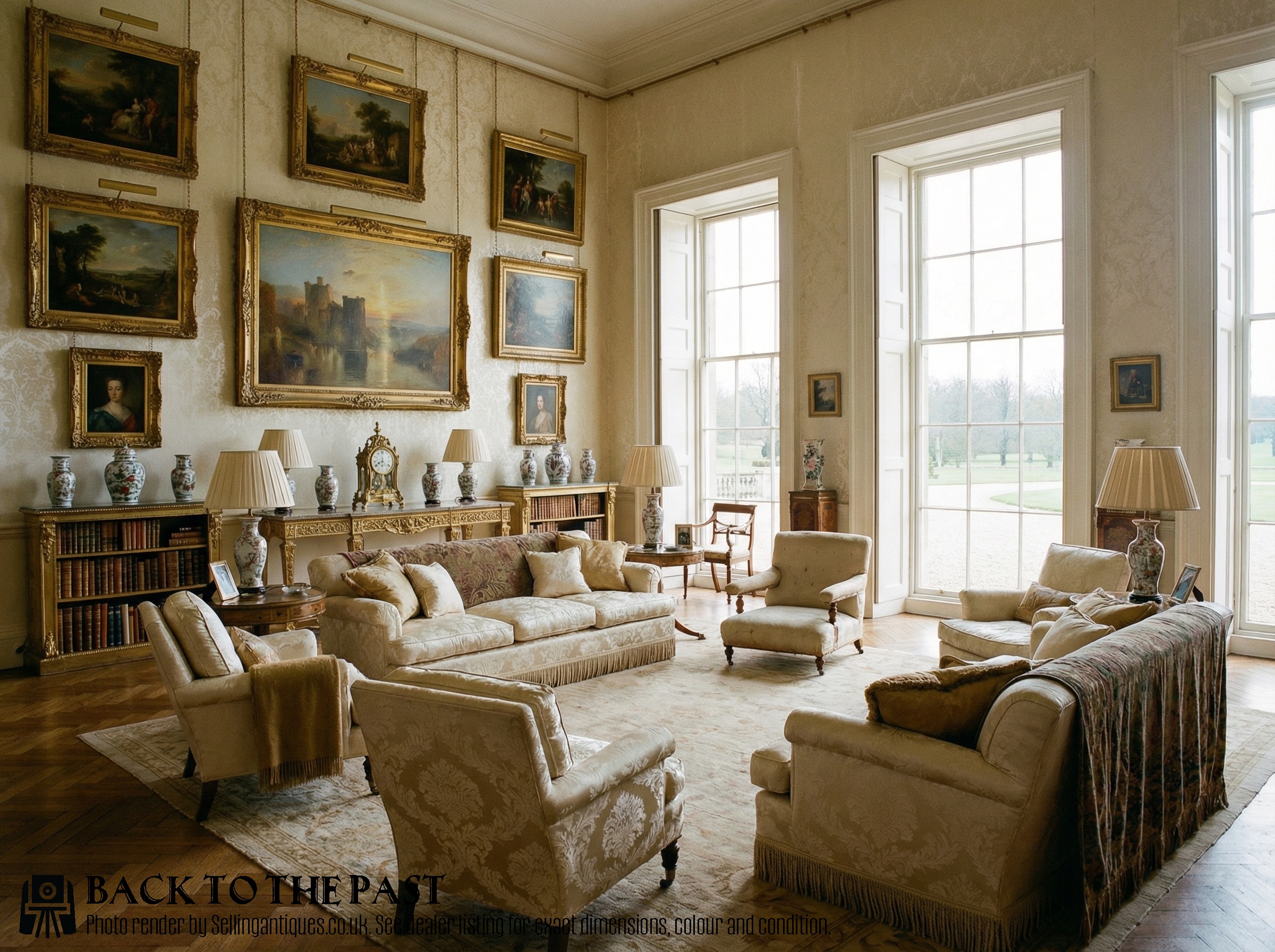
How they were made
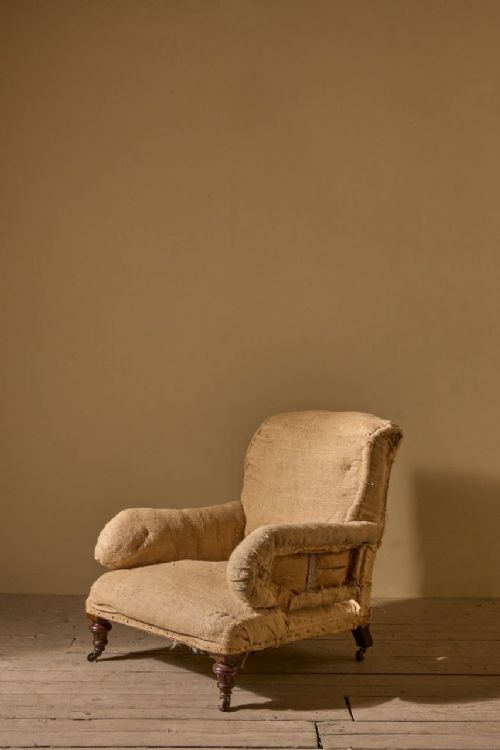
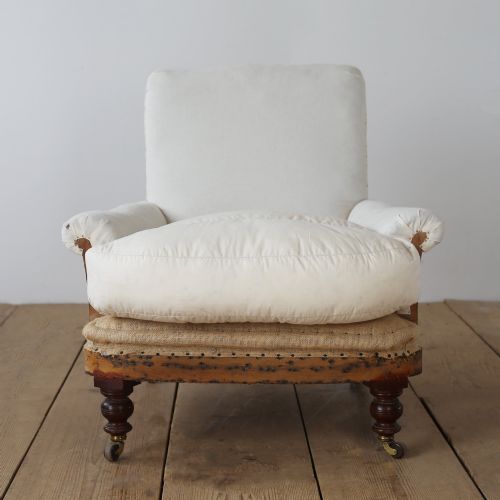
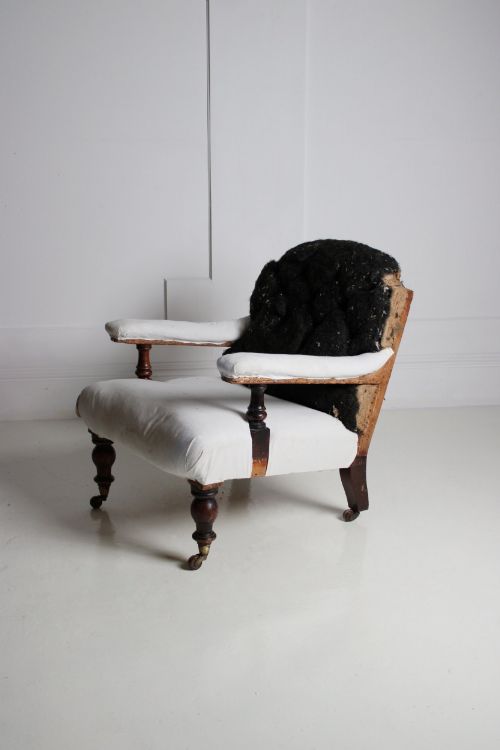
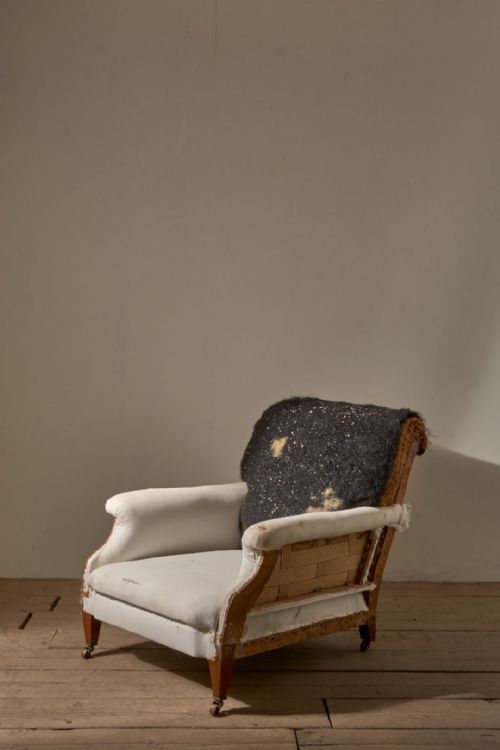
Makers constructed the internal framework using sturdy timber such as mahogany and walnut to bear the weight of heavy coil springs. Traditional stuffing relied on materials like cotton, hessian, and calico layered beneath the final top cover.
Exposed wooden elements typically include turned legs supported by brass castors for mobility. Frames were tightly upholstered to hide the internal mechanics while maintaining a supportive, resilient sit.
Howard Style Chair Retail Price Guide 2026
Typical asking prices for howard style chair among the pieces listed under this phrase on Sellingantiques today, from the lower quarter to the upper quarter. They describe what is for sale here now, not the wider market.
Many armchairs retain original nineteenth-century ticking under their outer covers, keeping their hidden working history intact.
What varies in quality
The distinction between ordinary and exceptional pieces rests on the integrity of the internal spring suspension and the precision of the upholstery work. Superior examples maintain firm, supportive cushioning without sagging across the seat deck.
Attention to detail in the turned wooden supports and the quality of the brass castors elevate a piece significantly. Furthermore, the choice of traditional covering materials, from sturdy ticking to printed fabric, dictates the overall finish and authenticity of the restoration.
Howard And Sons·SF Cullen·Robert Strahan·James Shoolbred·Trollope And Sons·Waring And Gillow
The Howard Style Chair Glossary
- Bridgewater armchair
- A distinct comfortable armchair shape with low, recessed arms that curve outward slightly.
- Ticking
- A tightly woven cotton or linen fabric historically used as a durable base cover for heavy upholstery.
- Hessian
- A coarse woven fabric made from jute fibres, traditionally utilised beneath outer covers for internal padding support.
- Castor
- A small wheel attached to the base of furniture legs to allow smooth movement across carpets and flooring.
- Aesthetic Movement
- A late nineteenth-century design style focusing on visual beauty and artistic expression rather than narrative storytelling.
Howard Style Chair: Frequently Asked Questions
How do I identify a genuine period piece?
Examine the undercarriage for traditional webbing, hand-tied springs, and timber characteristics typical of the Victorian era. Original stamps on castors or frame markings offer further clues to the workshop of origin.
Compare the proportions and weight with documented examples from the same decade. Subtle signs of hand construction separate authentic nineteenth-century seating from later reproductions.
Can I use these chairs in a modern room?
Their classic profiles and neutral fabric options allow these chairs to anchor contemporary living spaces successfully. The deep seating provides practical comfort for daily lounging.
Pairing a traditional upholstered armchair with minimalist surroundings creates an effective contrast. The understated turned legs and low profile prevent the furniture from overwhelming smaller modern rooms.
What fabrics were originally used?
Original upholstery frequently utilised heavy cotton ticking, printed linens, and plain calico beneath patterned top covers. These materials were chosen for durability and structural resilience.
Many surviving pieces retain historic fabric layers or have been recovered in sympathetic traditional textiles. Hessian and cotton stuffing remain hidden beneath the visible outer cover.