



Howard and Sons Upholstery
Howard and sons upholstery defines English seating comfort, offering deep, sprung luxury built to last generations.
Howard and Sons Upholstery
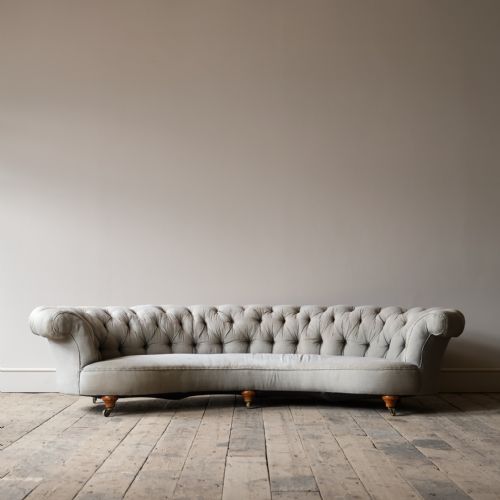
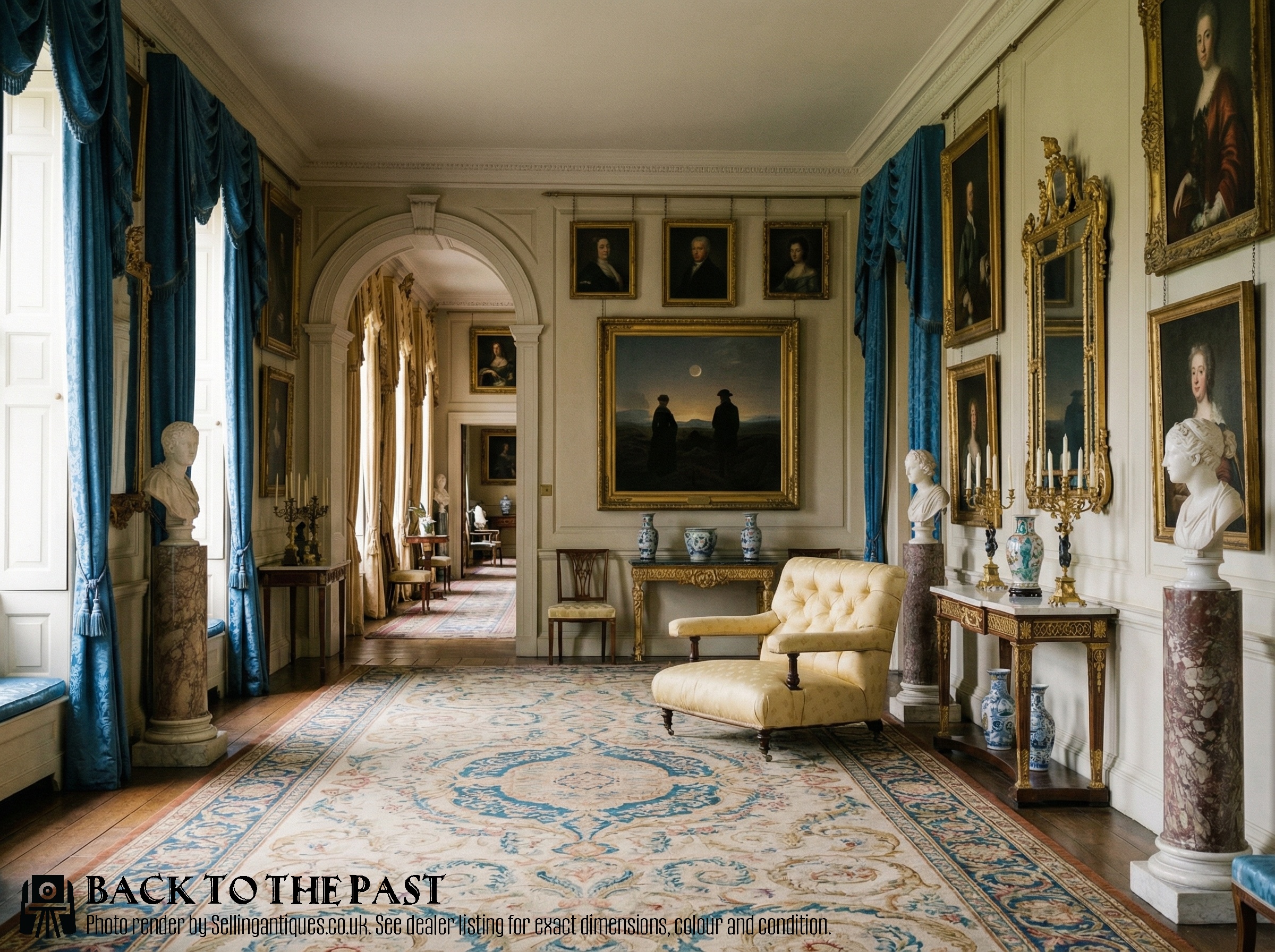
Howard and sons upholstery encompasses Victorian and Edwardian armchairs, sofas, and daybeds designed for supreme comfort. Pieces range from marked originals to later pieces made in the distinctive Howard style.
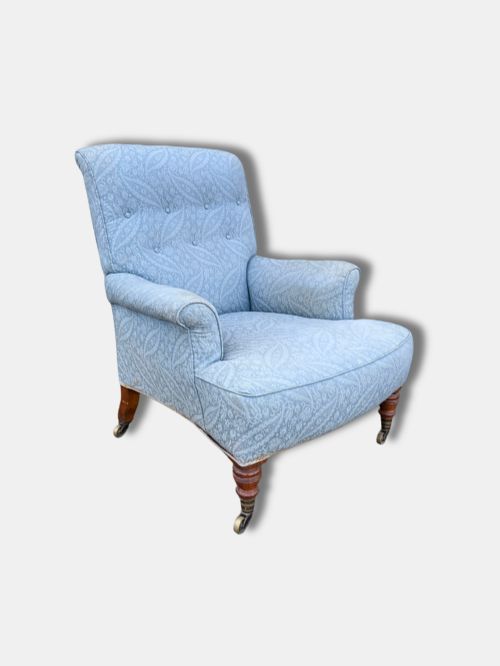
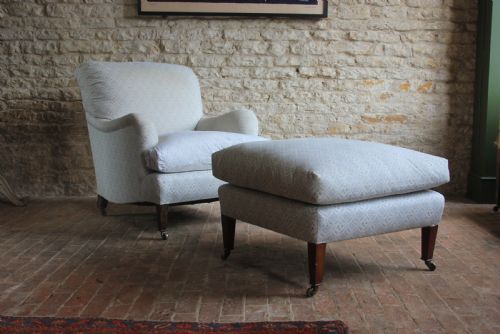
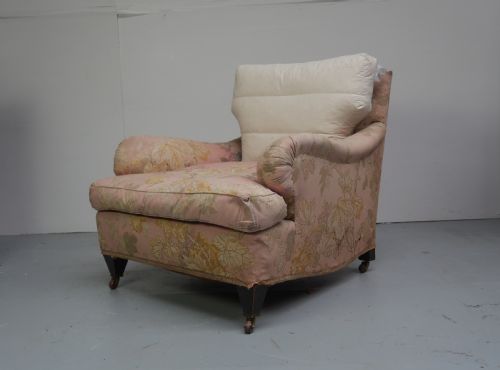
Armchairs form the core of what appears here, often featuring the classic Bridgewater shape, low seats, and generous proportions. Sofas and daybeds occasionally join them, spanning the mid-nineteenth century to the early twentieth century.
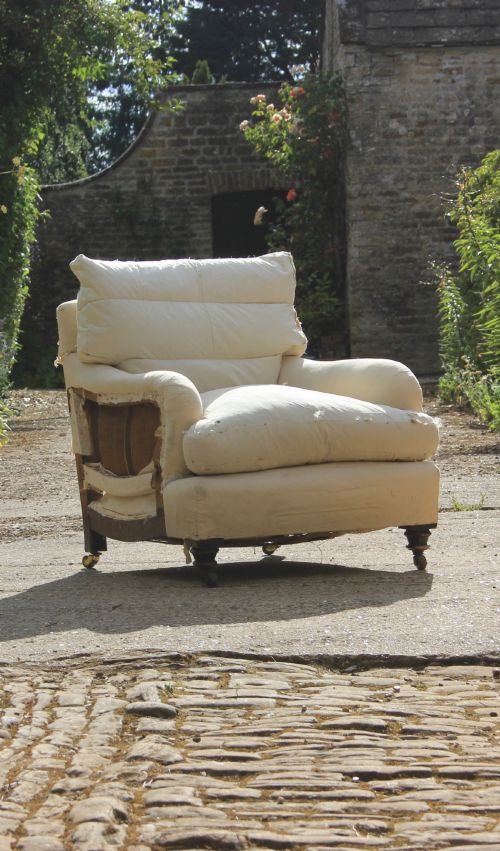
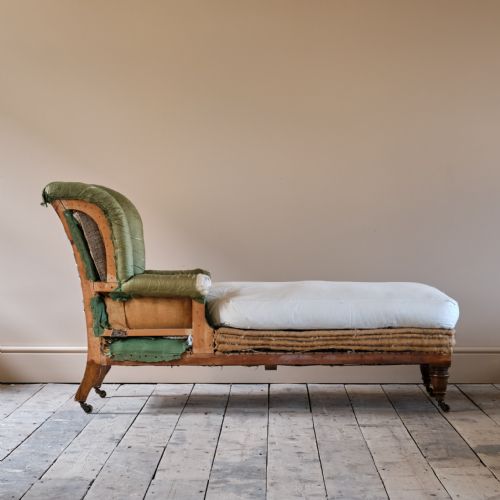
Buyers encounter both fully original examples retaining period ticking or upholstery and pieces stripped back for fresh covering. English country house taste dominates the aesthetic, pairing relaxed forms with traditional fabrics.
Materials and Construction
Makers built sturdy frames using hardwoods such as mahogany and walnut, ensuring structural integrity beneath the padding. Solid brass castors frequently support the legs, allowing these heavy seats to move smoothly across carpets.
Traditional stuffing relied on horsehair, hessian, and calico layered over complex steel spring units. Original pieces often feature signature ticking or textured fabrics like kilim, wool, and leather.
Listings span the Victorian and Edwardian eras, predominantly featuring armchairs alongside sofas and daybeds built with hardwood frames.
Assessing Quality and Authenticity
Authenticity separates marked maker pieces from later interpretations built in the same spirit. Original stamps, numbered legs, and documented provenance elevate a piece significantly among collectors.
The integrity of the internal stuffing and the retention of original upholstery materials dictate the historical value. Frames that retain their original castors and undisturbed webbing represent the highest tier of craftsmanship.
Howard and Sons·William Morris
The Howard and Sons Upholstery Glossary
- Bridgewater armchair
- A classic English armchair type featuring low arms, deep seating, and substantial padding designed for relaxation. This form remains the most recognisable signature of the maker.
- Ticking
- A tightly woven, durable cotton or linen fabric traditionally used as a base cover for sprung upholstery. It appears frequently on surviving pieces in its original striped form.
- Horsehair
- A traditional stuffing material gathered from the manes and tails of horses, valued for its springiness and resilience. Makers packed it tightly inside hessian to shape the arms and backs.
- Kilim
- A flat-woven textile originating from the Middle East or Eastern Europe, occasionally utilised by makers for distinctive upholstery. It brings rich geometric patterns and strong texture to period frames.
- Hessian
- A coarse, woven fabric made from jute plant fibres, used internally as a foundation layer to hold stuffing in place. It provides the breathable structure beneath the outer covers.
Howard and Sons Upholstery: Frequently Asked Questions
How do I spot an original Howard and Sons chair?
Look for stamped maker marks on the wooden legs and brass castors, often accompanied by serial numbers. The proportions, low-slung profile, and traditional internal build also point towards genuine workshop origin.
Compare the stitching and materials against documented examples from the Victorian and Edwardian periods. Unmarked pieces often carry the description Howard style, indicating later manufacture following the same design principles.
What is a Bridgewater armchair?
A Bridgewater armchair is a specific deep-seated upholstered form with low, rolled arms designed for domestic comfort. It represents the quintessential English easy chair shape developed during the nineteenth century.
These chairs prioritize relaxation, offering sprung seats and soft backs that encourage lounging. They fit naturally into traditional country house interiors and study rooms.
Should I keep original ticking upholstery?
Original ticking and period fabric preserve the historical integrity and honesty of the piece. Many collectors value surviving original covers even when worn, as they document the chair's age and authentic state.
If the fabric is too fragile for daily use, some owners choose to display the piece as found or commission sensitive conservation. Reupholstery remains an option for frames discovered bare or with damaged modern covers.
What wood types were used for the frames?
Makers relied on durable hardwoods including mahogany and walnut to construct the hidden internal frames. These dense timbers provided the necessary strength to support heavy internal springing and daily use.
Exposed wooden elements on legs and feet received careful polishing or turning. The quality of the underlying frame timber often corresponds to the overall grade of the piece.