
Horse Portrait Oil Painting
When you seek a horse portrait oil painting, you find centuries of equine character rendered in pigment upon canvas or wood.
Horse Portrait Oil Painting
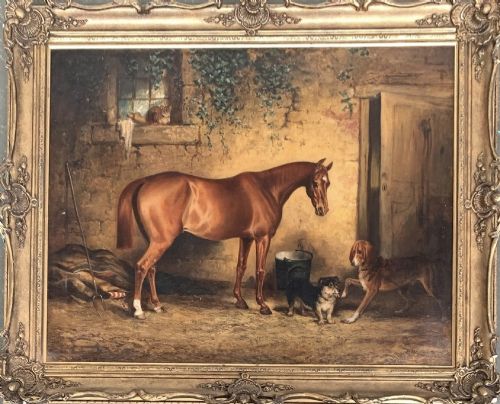
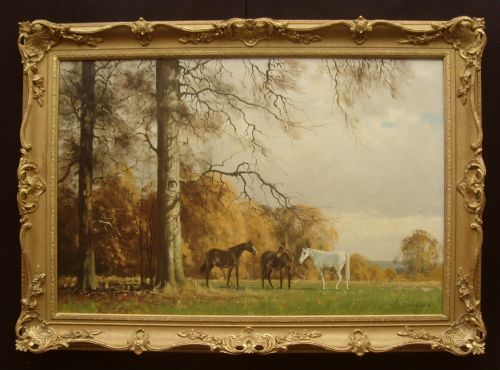
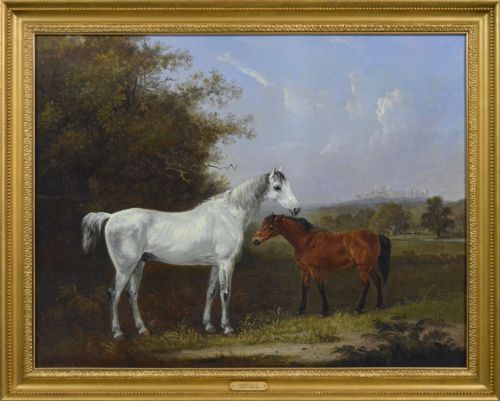
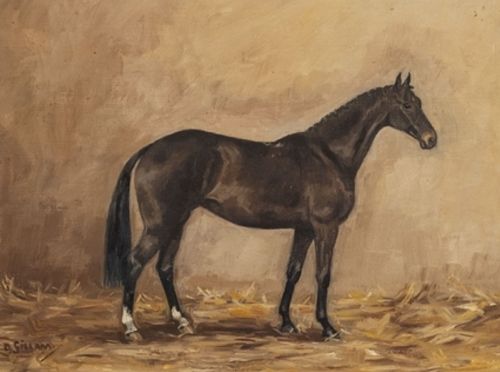
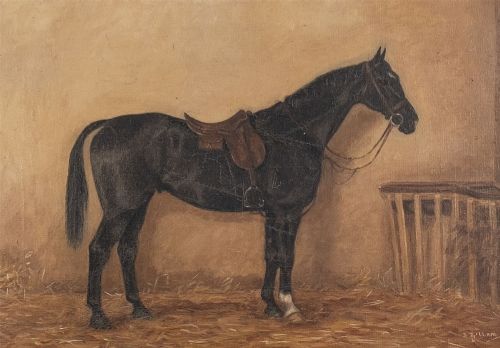
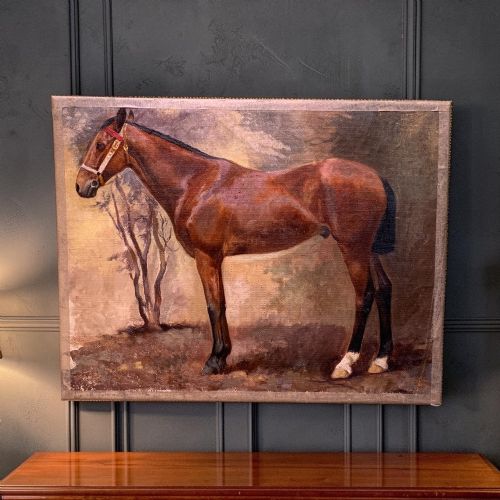
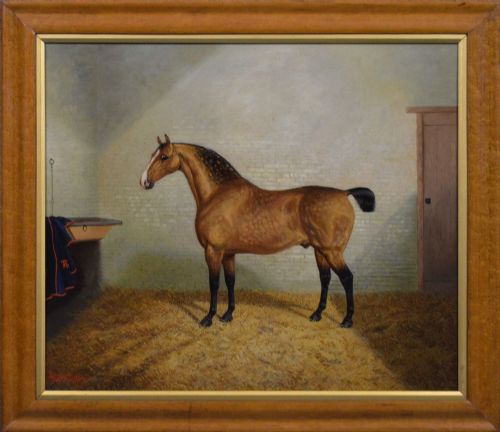
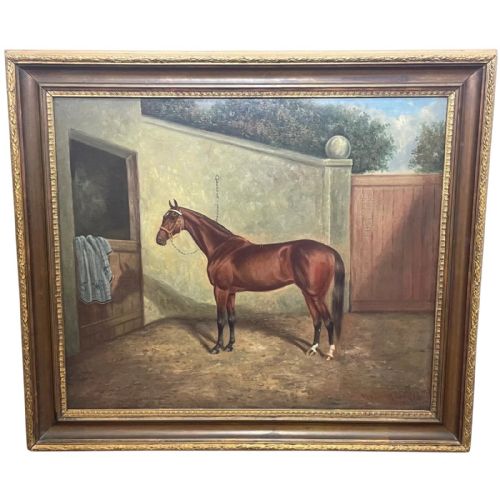
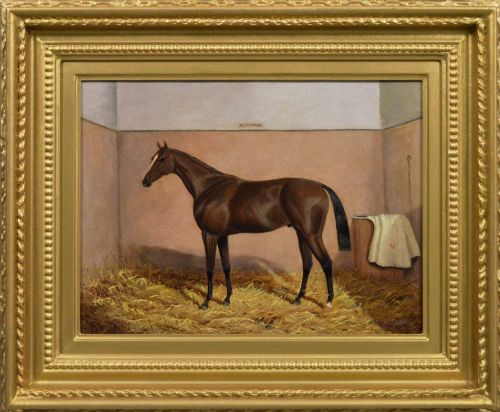
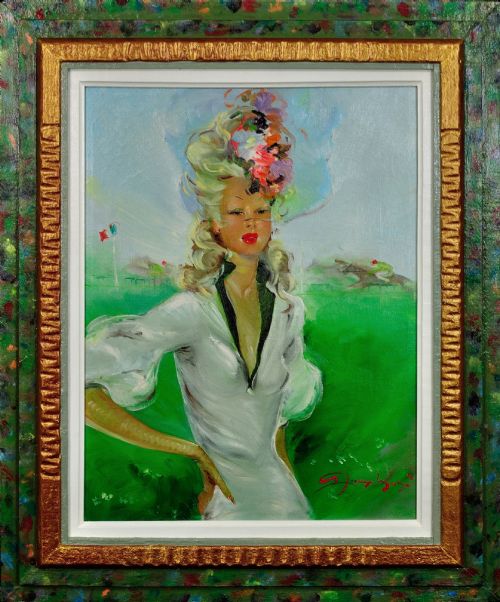
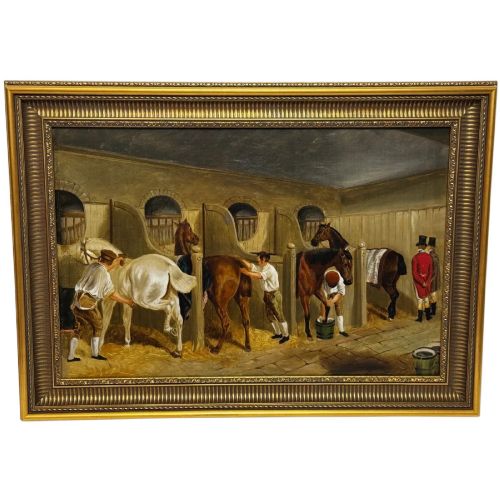
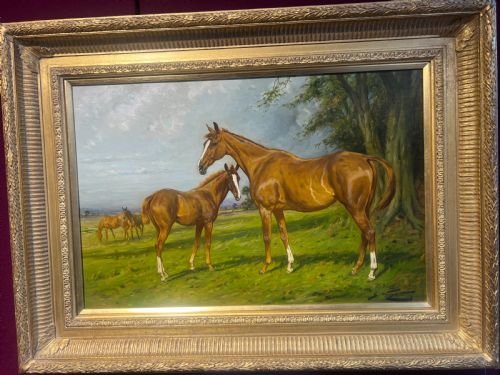
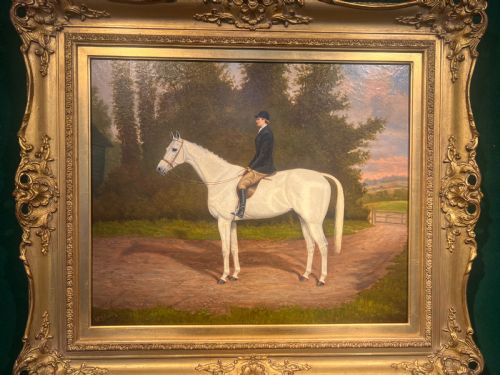
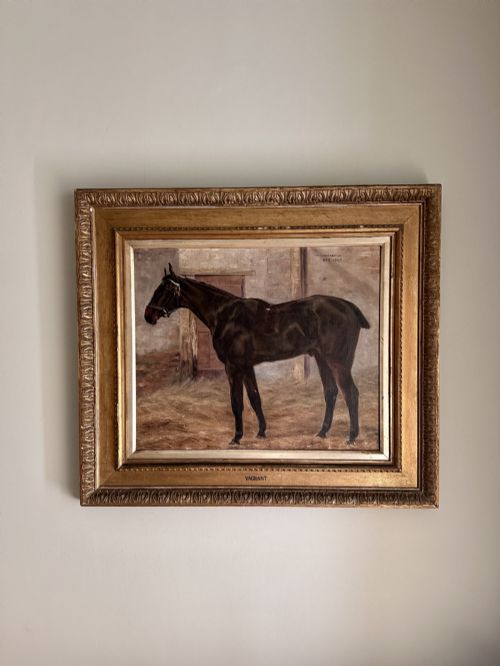
A horse portrait oil painting captures individual equines, from famed racehorses and hunters to working animals, set within stables, rural landscapes, or pastoral fields.
The selections span from the eighteenth century through the Victorian era into mid-twentieth century works, reflecting shifting tastes in British and European sporting art.
Buyers encounter everything from named thoroughbreds with notable provenance to anonymous rural studies and framed panel works.
How they were made
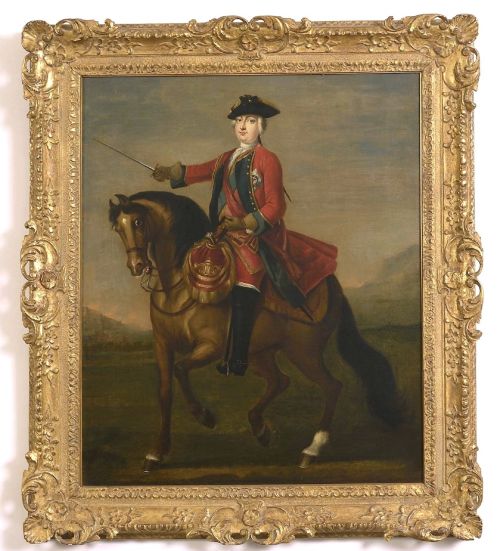
Artists built these works utilising oil paint applied to stretched canvas, wooden panels, or oak boards, often finishing the pieces within period giltwood frames.
Techniques range from finely detailed academic renderings of specific anatomy to looser brushwork characteristic of regional schools and nineteenth-century sporting traditions.
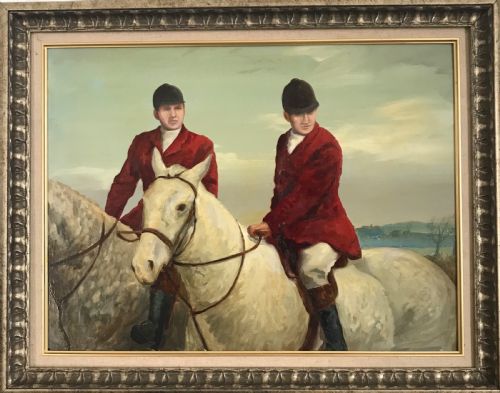
Subjects range from solitary thoroughbreds in stables to bustling hunt fields, rural ploughing teams, and portraits with royal connections.
What varies in quality
The distinction between tiers rests upon anatomical precision, the expressiveness of the animal's eye, and the artist's ability to render the sheen of a coat and muscle structure accurately.
Works attributed to documented hands or carrying specific historical provenance command greater attention than unsigned student pieces or later decorative copies.
Henry Barraud·John Wootton·Thomas Hudson·Albert Clark·Jean-Gabriel Domergue·Fred Fitzpatrick·Sir Anthony van Dyck·Ernest Payne·Edward Priestley·C R Breytle·John Alfred Wheeler·Thomas Walker Bretland·John Ferneley Senior·William Williams·John Herring Senior·Henry Frederick Lucas Lucas·Herbert St John Jones·Karl Georg Arsenius
The Horse Portrait Oil Painting Glossary
- Giltwood
- Wood carved and coated with gold leaf or gold paint, frequently used for traditional picture frames. It provides a reflective border that complements dark equestrian canvases.
- Provenance
- The documented history of ownership of an artwork from its creation to the present day. It establishes authenticity and connects the piece to notable estates or galleries.
- Panel
- A rigid support for painting, typically made of wood such as oak or pine rather than woven fabric. Artists utilised panels extensively in earlier centuries before canvas became dominant.
- Sporting art
- A genre of painting dedicated to horses, hounds, racing, hunting, and rural pursuits. It flourished in Britain throughout the eighteenth and nineteenth centuries.
Horse Portrait Oil Painting: Frequently Asked Questions
What subjects appear in these paintings?
The works depict named racehorses, hunters, working farm horses, and cavalry mounts, often posed in stables, paddocks, or open countryside alongside handlers, jockeys, or hounds.
Many pieces record specific historical winners or estate animals, while others capture anonymous rural scenes featuring hay wagons and plough teams.
How do I hang a heavy framed oil painting?
Secure heavy canvas and giltwood pieces directly into wall studs using appropriate steel picture hooks or brackets rated for the weight of the frame.
Avoid hanging antique oils in areas subject to direct sunlight or damp conditions to protect both the wooden support and the oil pigments.
How can I tell the period of the work?
Dating relies upon stylistic clues within the horse's conformation, the human clothing, the background landscape, and the construction of the canvas or wooden panel.
Frame styles, stretcher bars, and handwritten inscriptions or signatures on the reverse provide further evidence regarding the age of the piece.
What is the difference between canvas and panel works?
Canvas works utilise woven fabric stretched over wooden bars, offering a slightly resilient surface that became standard for larger portraits from the eighteenth century onward.
Panel works employ rigid wood supports, such as oak or pine, which frequently appear in earlier pieces or specific regional schools.