
Horse Painting Gold Frame
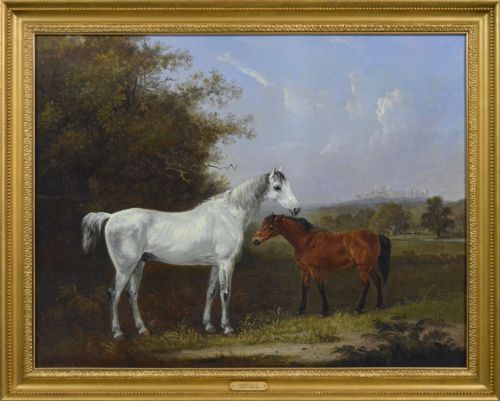
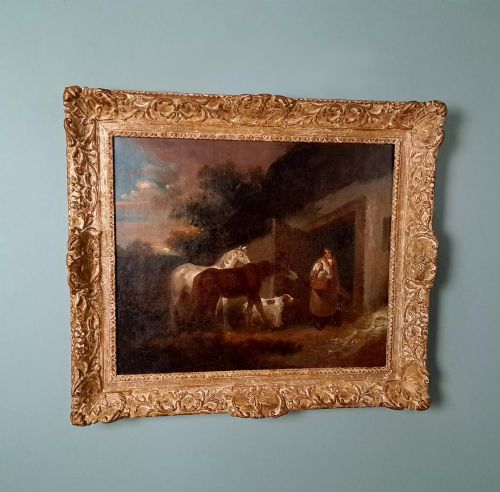
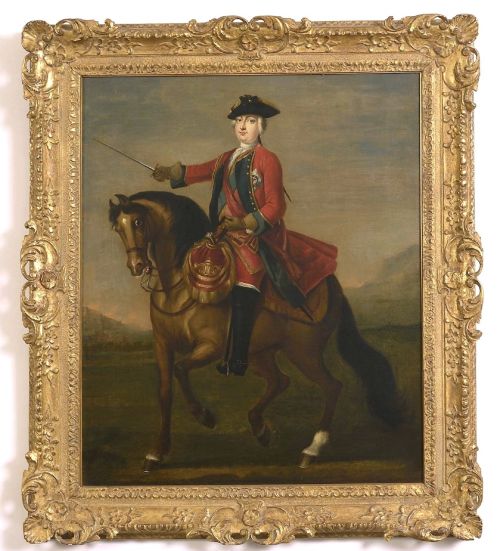
A horse painting gold frame brings the tradition of British equestrian art directly into a room.
Horse Painting Gold Frame
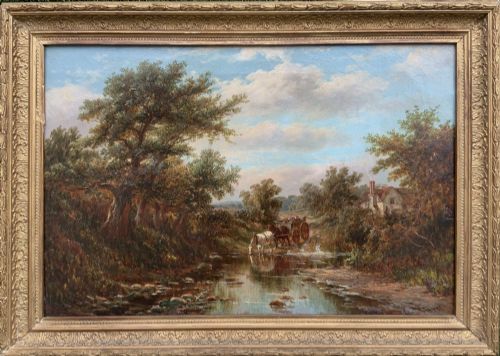
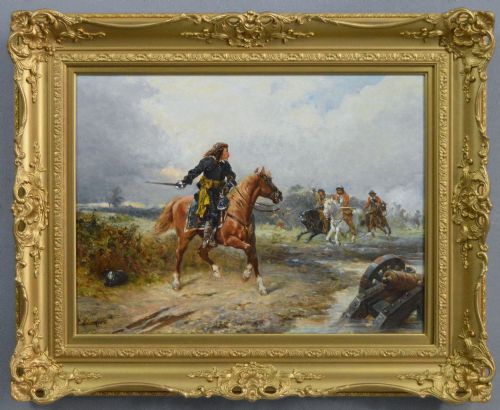
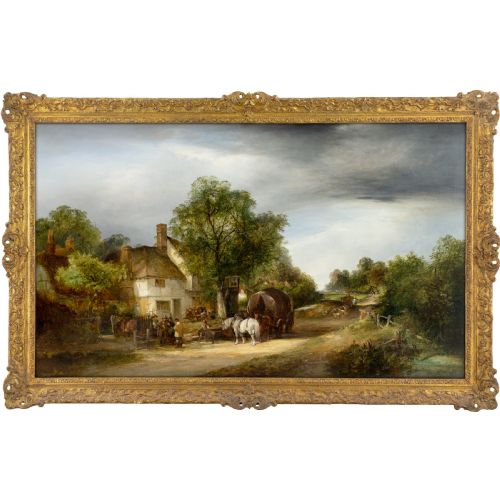
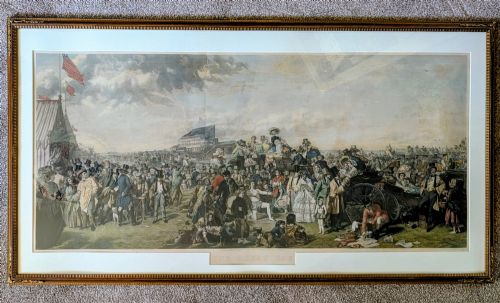
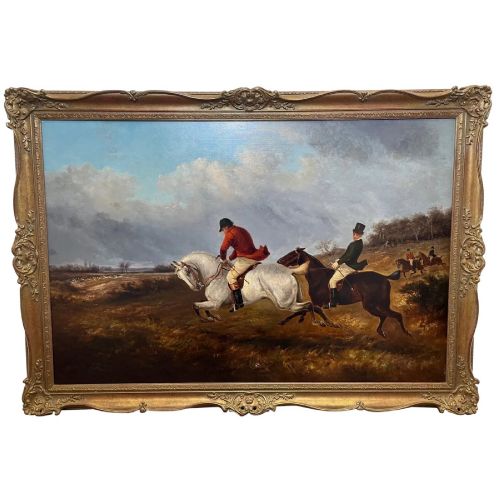
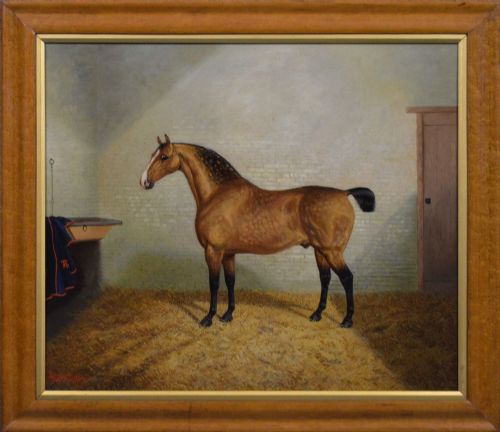
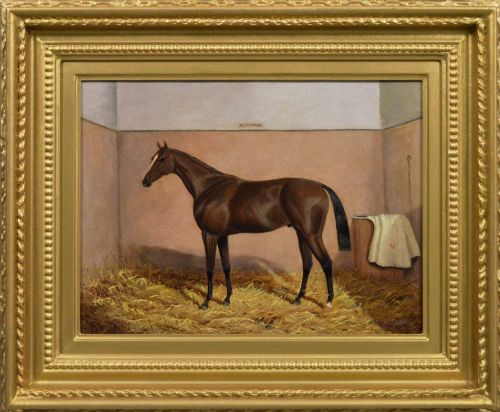
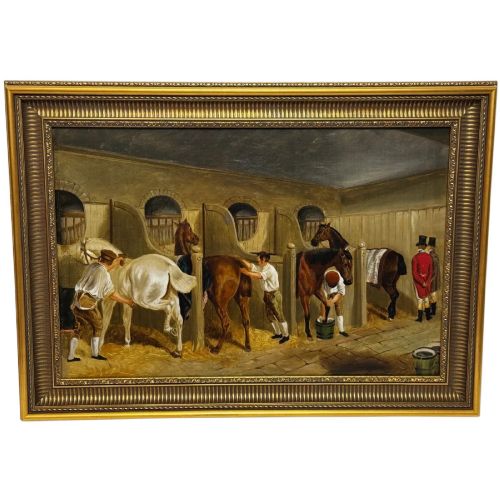
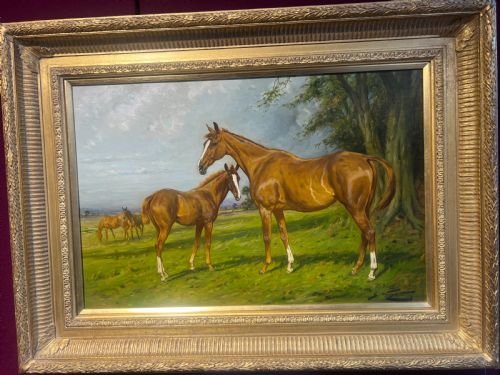
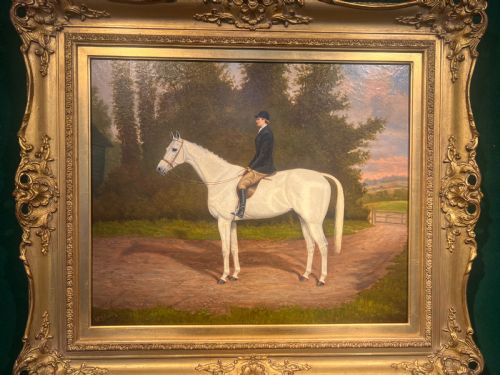
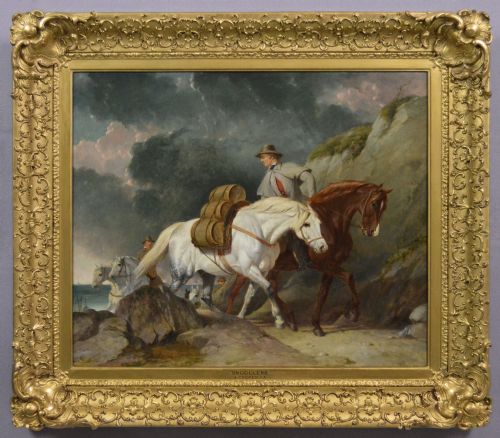
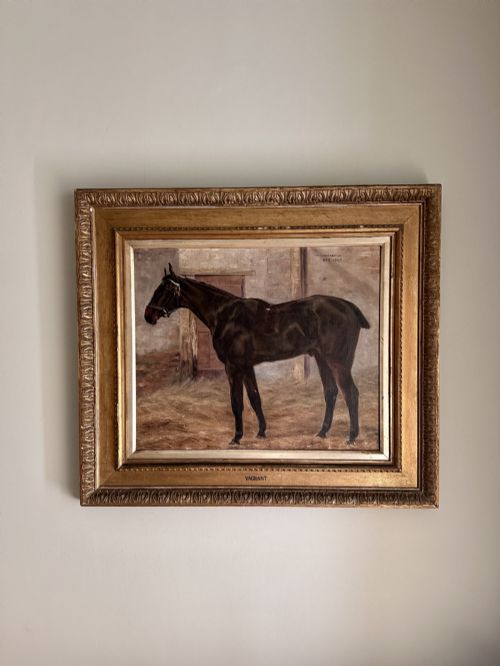
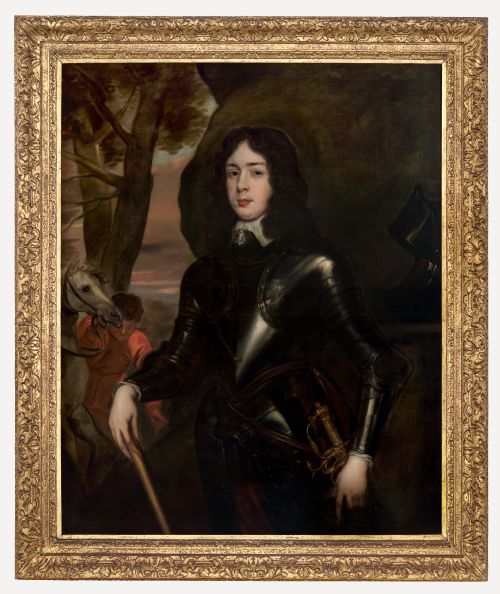
A horse painting gold frame search covers centuries of equine portraiture and sporting art, spanning the Georgian, Victorian, and Edwardian eras. Most works on this page utilise traditional oil paint on canvas, housed within decorative giltwood or gilt frames that complement the subject matter.
Subjects range from individual portraits of named racehorses and hunters in stables to broader landscape scenes featuring coaching, ploughing, and hunting. The Victorian sporting tradition heavily influences the selection, often capturing the power and conformation of horses through detailed brushwork.
Origins trace primarily to British and European schools, with works varying from intimate nineteenth-century watercolours and reverse glass paintings to large oil canvases. Buyers will find both signed compositions by listed artists and accomplished pieces from regional schools.
How they were made
Painters applied oil paint to stretched canvas or wooden panels, building depth through layered glazes particularly suited to rendering the sheen of a horse's coat. Watercolours on paper and reverse silhouette painting on glass also appear within the selection.
The accompanying frames are constructed from wood, heavily gilt or finished in giltwood to create a reflective border that frames the artwork. Mouldings often incorporate plaster enrichment finished in gold leaf or metallic paint.
Materials include oil on canvas, wood, giltwood, and watercolour.
What varies in quality
Anatomical accuracy and the rendering of movement separate standard decorative works from master equine portraiture. Superior painters captured the tension in muscle and sinew, whereas lesser hands produced stiff or disproportionate representations.
The proportion and craftsmanship of the frame heavily influence the overall piece. Hand-carved giltwood frames with original gilding elevate the presentation compared to later replacements or simple painted mouldings.
William Joseph Shayer Senior·Thomas Smythe·Albert Clark·Abraham Cooper RA·Fred Fitzpatrick·Sir Anthony van Dyck·Edward Priestley·Vernon DeBeauvoir Ward·John Alfred Wheeler·Philip Rideout·Herman S Melville·John Ferneley Senior·Alfred Munnings·Charles Walter Simpson·George Wright·John Frederick Herring Jnr·Edward Lloyd of Ellesmere·Léon Joseph Voirin·Philip Henry Rideout
The Horse Painting Gold Frame Glossary
- Giltwood
- Wood that has been coated with gold leaf or gold paint. This finish creates a warm, reflective border around the canvas.
- Sporting art
- Depictions of rural sports, particularly horse racing, hunting, and coaching. These works document the social history of the British countryside.
- Equestrian portrait
- A painting where a horse is the primary subject or central focus. These often record named prize-winners or beloved family mounts.
- Reverse glass painting
- An image applied directly to the back of a glass panel to be viewed from the front. This technique produces a distinct glossy surface.
- Provenance
- The documented history of ownership of an artwork. Verified provenance adds historical context and confirms attribution.
Horse Painting Gold Frame: Frequently Asked Questions
How do I clean a gilt frame?
Dust the surface gently with a soft dry brush to remove loose particles. Avoid using water or chemical cleaners, which can strip the delicate gold finish.
For stubborn grime, consult a professional conservator rather than attempting DIY restoration. Modern cleaning fluids can permanently damage antique giltwood.
What periods do these paintings cover?
The works span from the seventeenth century through to the mid-twentieth century. Victorian and Edwardian sporting art forms the core of the selection.
Earlier pieces reflect seventeenth and eighteenth-century portraiture traditions. Mid-century examples show the persistence of traditional equestrian subjects well into the twentieth century.
Are all the paintings done in oil?
While oil on canvas is the predominant medium, the selection also includes watercolours and reverse glass paintings. Each medium offers a distinct visual texture.
Oils provide rich colour layering suited to animal coats, while watercolours offer a lighter touch. Glass paintings display a smooth, preserved surface sheen.
How were these horse paintings used originally?
Landowners and nobility commissioned portraits to record prized racehorses, hunters, and stable yards. These works decorated country houses and estate reception rooms.
Coaching scenes and rural landscapes served as popular domestic decoration. They celebrated the rural lifestyle and the central role of horses in daily transport.