





Horology Floor Standing Clock
A horology floor standing clock anchors a room with mechanical rhythm, offering lasting craftsmanship from past centuries.
Horology Floor Standing Clock
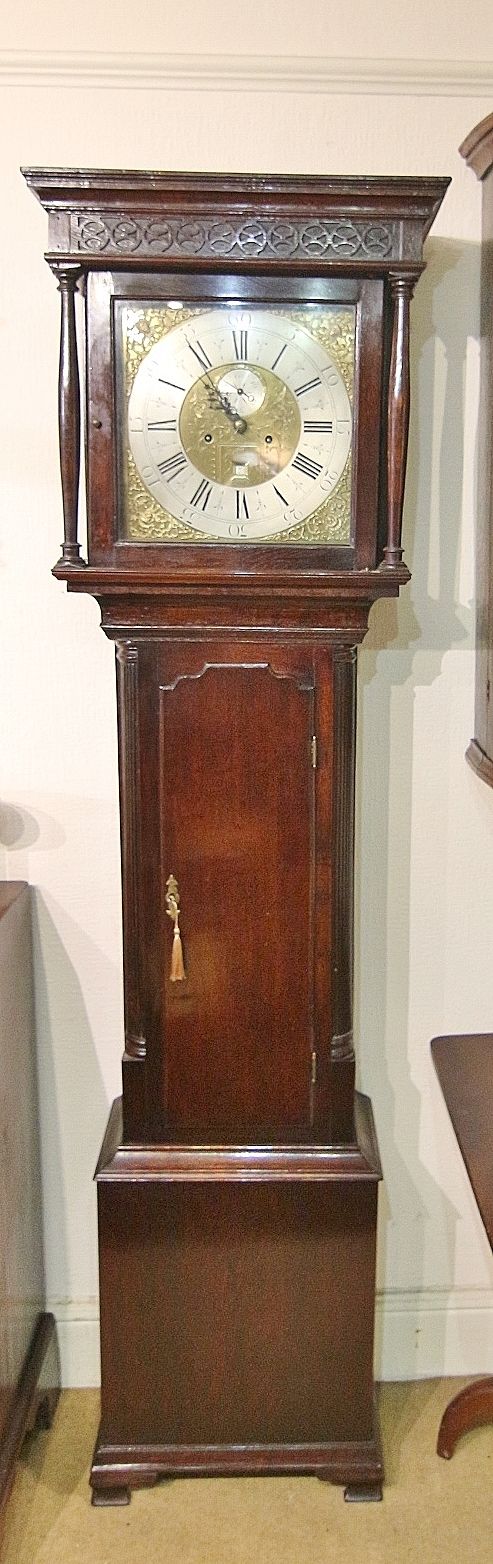
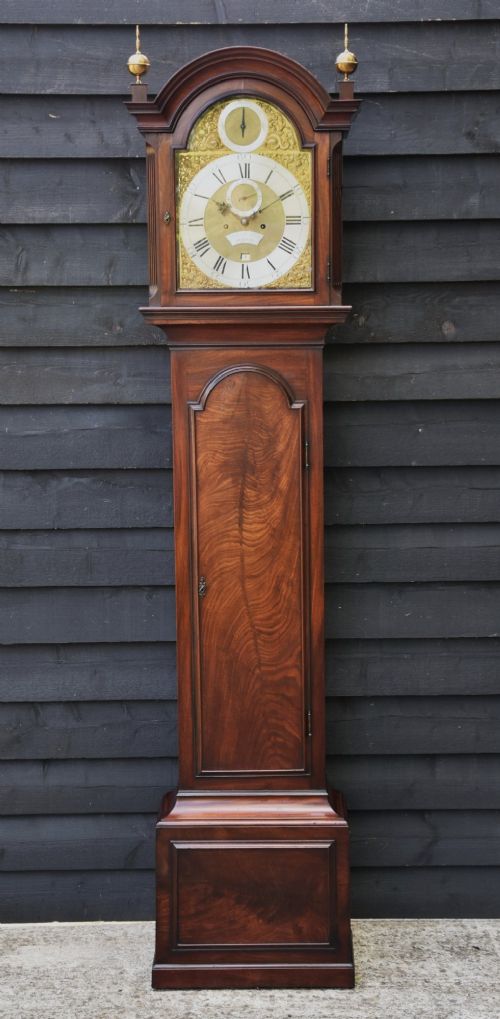
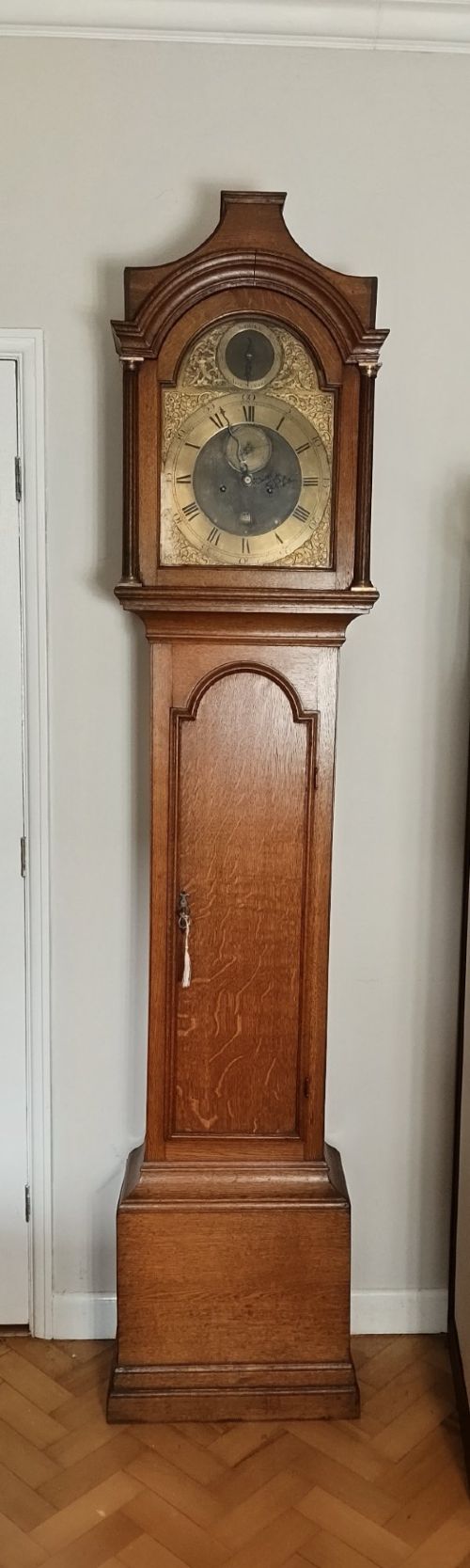
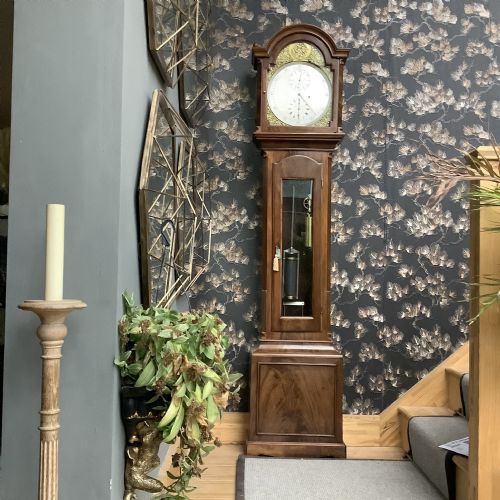
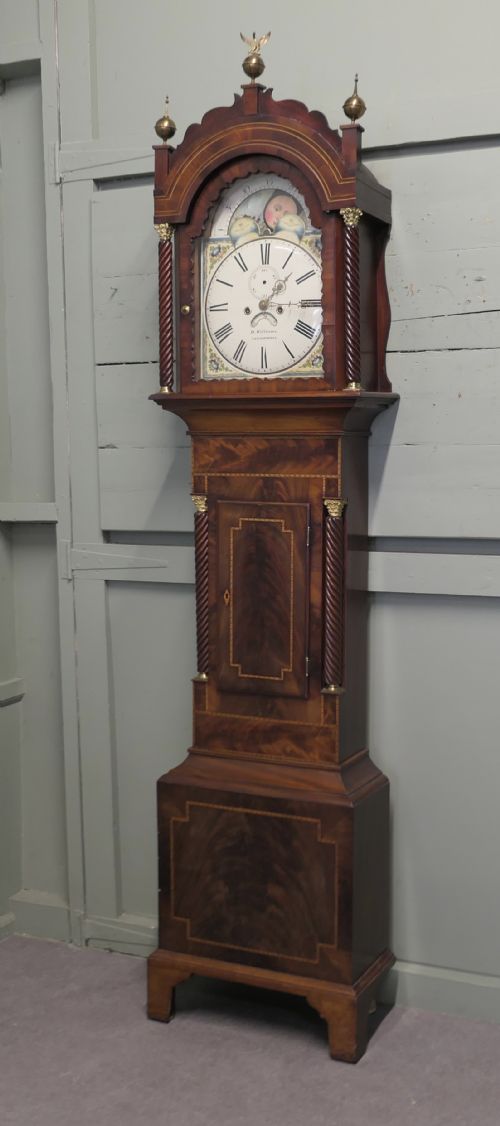
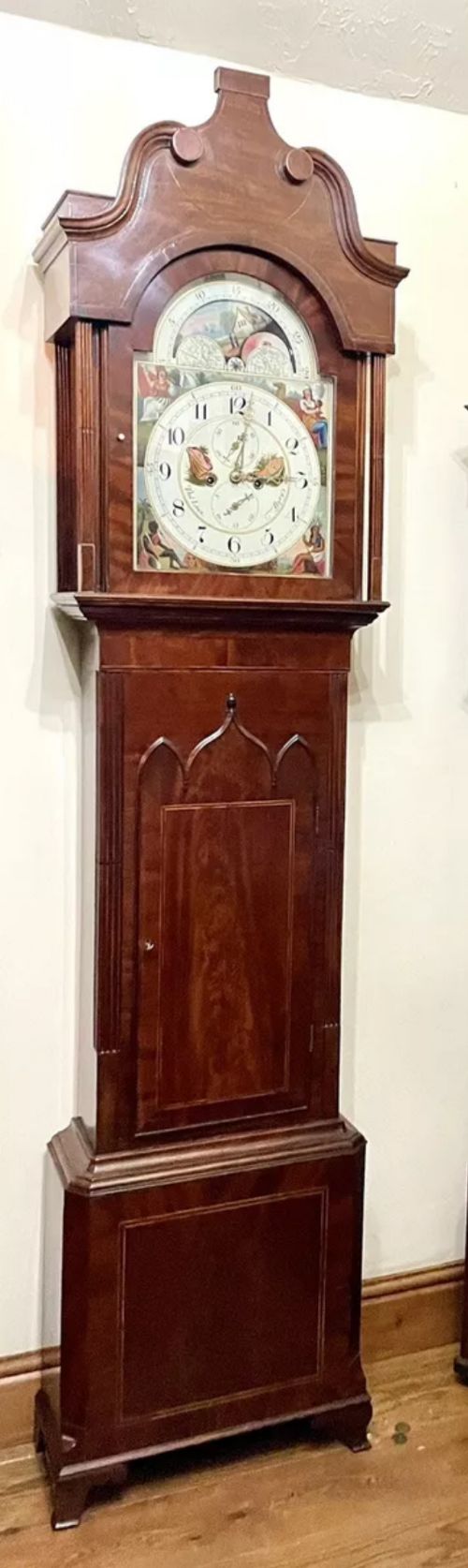
When you search for a horology floor standing clock, you encounter tall timepieces commonly known as longcase or grandfather clocks. These vertical instruments house weight-driven movements within fitted wooden cases designed to stand directly upon the floor. The selection spans robust oak examples and finely figured mahogany or burr walnut pieces.
The objects originate across various eras, ranging from seventeenth-century creations through Georgian and Victorian periods. Dial variations include strike and silent mechanisms, penny moons, and detailed painted iron faces. Forms vary from full-sized architectural structures down to smaller granddaughter variants.
Determining quality
Quality rests in the harmony between the cabinet proportions and the sophistication of the internal movement. Timber selection defines the visual depth, where carefully matched burr walnut or figured mahogany elevates a case far beyond utilitarian builds.
The precision of the dial engraving, signature placement, and mechanical complexity such as moonphase indicators or strike-silent functions distinguish the work of accomplished regional and metropolitan clockmakers.
Horology Floor Standing Clock Retail Price Guide 2026
Typical asking prices for horology floor standing clock among the pieces listed under this phrase on Sellingantiques today, from the lower quarter to the upper quarter. They describe what is for sale here now, not the wider market.
Some provincial clock faces feature local place names painted directly beneath the numerals, recording the exact Welsh or Scottish parish.
D Williams of Crickhowell·Henry Weedon London·Henry Massy·David Craig Ford Path head·Whitelaw of Edinburgh·Richard Prew Of Tewksbury·THOMAS LEES BURY·World Time Clock Maker·JOSEPH WINDMILLS LONDON·Herbert of Haversham·THOMAS HALL ROMSEY·Thos Newsom of Tottenham
The Horology Floor Standing Clock Glossary
- Longcase clock
- A tall, floor-standing pendulum clock enclosed in a wooden case. It is frequently referred to colloquially as a grandfather clock.
- Moonphase
- A dial mechanism tracking the phases of the lunar cycle. This complication appears on the arch of advanced clock faces.
- Strike and silent
- A mechanical function allowing the clock to be silenced at night. This control halts the hour-striking train without stopping the timekeeping.
- Chapter ring
- The outer metal ring on a clock face bearing the hour numerals. It is typically constructed from engraved brass.
- Granddaughter clock
- A miniature version of the traditional longcase clock standing significantly shorter. These pieces emerged during later nineteenth-century periods.
Horology Floor Standing Clock: Frequently Asked Questions
How do I wind a longcase clock?
Winding involves using a key or pulling cords to raise the internal weights back up to the top of the trunk. Care must be taken not to over-wind the movement.
Most eight-day movements require winding weekly, while thirty-hour versions need attention daily or via continuous weight chains.
Where should I place a floor standing clock?
Position the clock against an interior wall away from direct sunlight, heating vents, and dampness to protect the wooden case and delicate internal oils.
A stable floor surface is essential so the case remains plumb, allowing the pendulum to swing with an even beat.
What is the difference between oak and walnut cases?
Oak cases represent earlier regional craftsmanship and domestic utility, displaying visible grain patterns and robust construction. Walnut and mahogany finishes appeared later for formal reception rooms.
Walnut and figured timbers allowed cabinetmakers to apply decorative veneers that catch light differently across the door panels.