

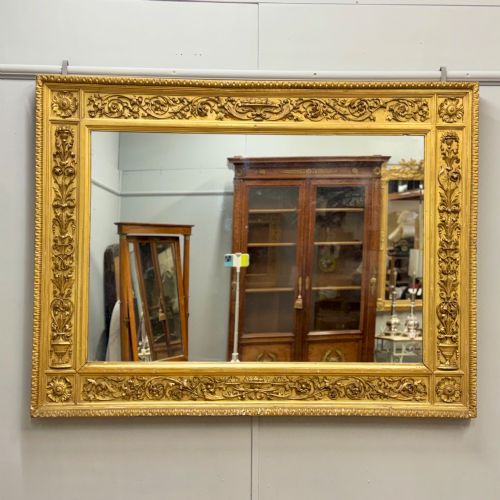
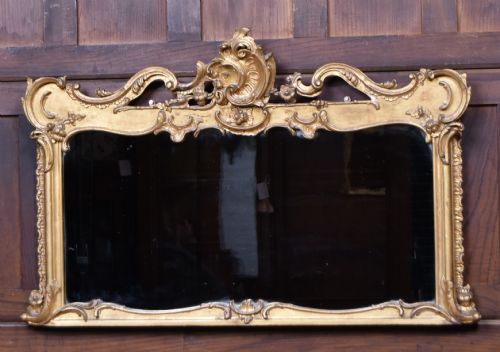
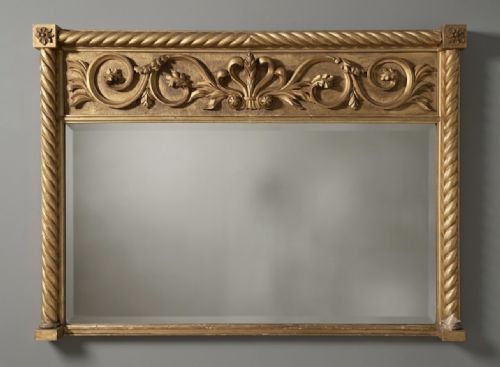
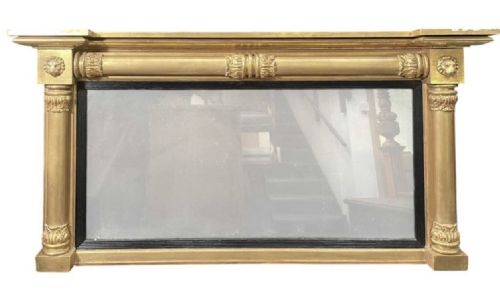
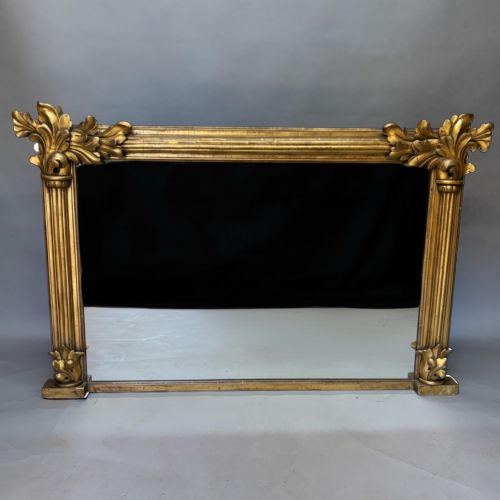
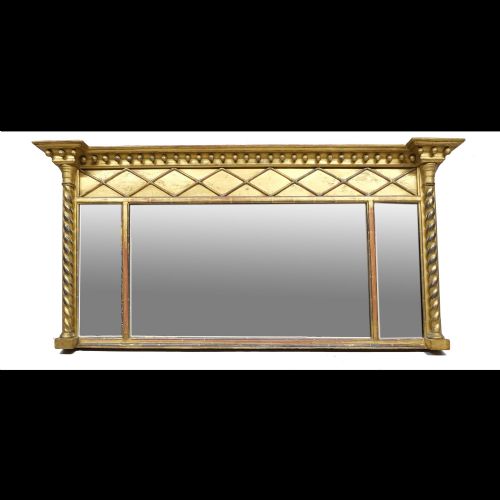
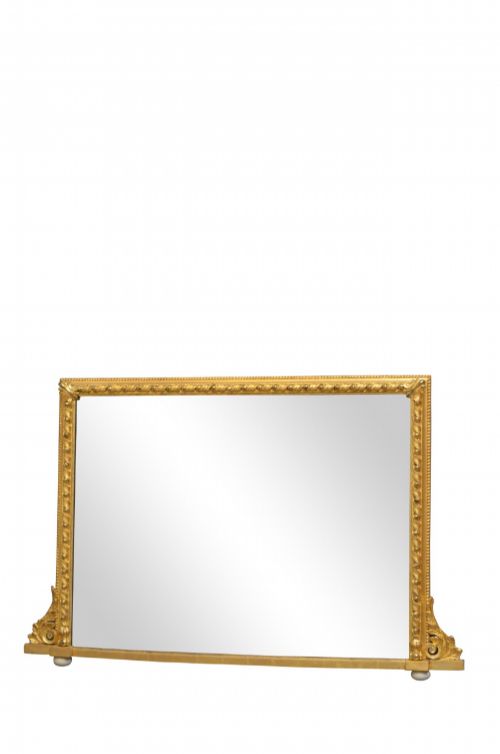
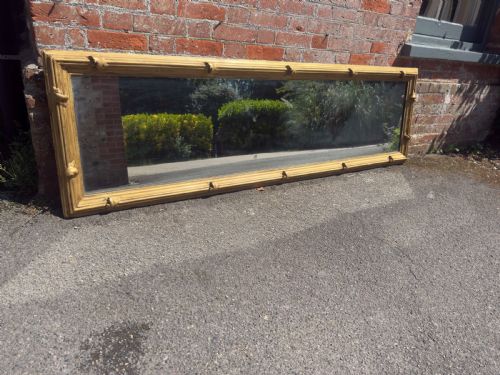
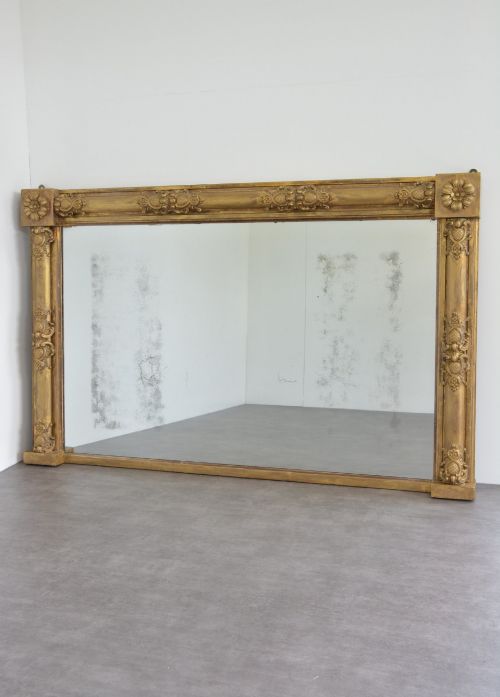


Horizontal Giltwood Wall Mirror
A horizontal giltwood wall mirror brings unmistakable nineteenth century warmth to a room, catching the daylight and anchoring the wall above a mantelpiece.
Horizontal Giltwood Wall Mirror
A horizontal giltwood wall mirror serves primarily as an overmantel mirror designed to sit directly above a fireplace. The selection here spans the eighteenth century, the regency era, and the nineteenth century, including victorian and rococo revival examples.
Most pieces encountered on this page date from the nineteenth century, often taking the form of large overmantels with wide frames. Makers constructed these items primarily as wall mirrors and overmantels to reflect light into formal rooms.
Buyers will find formats ranging from small nineteenth century giltwood wall mirrors to large carved wood and gesso pier mirrors. Several pieces display regency characteristics, alongside painted and parcel gilt variants and tryptic overmantel designs.
How they were made
Craftsmen built these frames using carved wood and applied gesso or composition moulded ornament beneath gold leaf or paint. Ebonised wood and rosewood also appear in the framing alongside standard giltwood finishes.
The reflective plates are glass, frequently showing age such as lightly foxed glass or retaining original glass panels. Gilding techniques combined genuine gold leaf with painted and parcel gilt highlights on carved wooden substrates.
Horizontal Giltwood Wall Mirror Retail Price Guide 2026
Typical asking prices for horizontal giltwood wall mirror among the pieces listed under this phrase on Sellingantiques today, from the lower quarter to the upper quarter. They describe what is for sale here now, not the wider market.
The listings on this site demonstrate a strong concentration of nineteenth century and regency items, alongside select eighteenth century examples.
What varies in quality
The crispness of the carved wood and gesso ornamentation dictates much of the visual weight of the frame. Stronger examples retain deep, defined moulding rather than softened details where composition ornament has worn beneath the gilding.
The condition of the original gilt surface and the mirror glass creates a distinct hierarchy among pieces. Surviving original gilding and lightly foxed antique glass carry significantly more character than later re-gilt surfaces.
The Horizontal Giltwood Wall Mirror Glossary
- Giltwood
- Wood carved and covered with gold leaf. This finish defines the warm, metallic appearance characteristic of these mirrors.
- Gesso
- A plaster mix applied to wood frames to create a smooth surface for carving and gilding. Artisans modelled intricate decorative motifs directly into this layer.
- Composition
- A mouldable mixture of whiting, resin, oil and glue pressed into decorative ornaments for frames. It offered a quicker alternative to hand carving during the nineteenth century.
- Overmantel mirror
- A large horizontal mirror built specifically to hang above a fireplace mantel. These pieces dominated nineteenth century domestic interiors.
- Tryptic
- A mirror divided into three distinct panels within a single frame. This layout was popular during the regency period.
- Foxed glass
- Mirror plate showing age spots, discoloration and dark patches caused by degradation of the backing over time. Collectors often value this authentic sign of age.
Horizontal Giltwood Wall Mirror: Frequently Asked Questions
Where should I hang a horizontal giltwood wall mirror?
These pieces suit placement above a fireplace mantel or along a principal drawing room wall. Their horizontal orientation naturally fills wide expanses of wall space.
Ensure the wall construction securely supports the substantial weight of carved wood, gesso and glass.
How do I date a regency giltwood mirror?
Examine the framing style, timber beneath the gilding, and the construction methods visible on the reverse. Regency pieces often incorporate specific neoclassical motifs alongside classic gilding.
The presence of original glass and traditional backboards further helps confirm the period.
What does foxed glass mean?
Foxed glass refers to mirror plates that have developed dark spots and silvery degradation over the decades. This occurs as the backing deteriorates due to age and atmospheric exposure.
Many buyers prize this authentic patination because it proves the glass is original to the antique frame.
How do I clean a giltwood frame?
Dust the carved surfaces very gently with a dry, soft brush to protect the delicate gold leaf. Avoid using water, chemical sprays or abrasive cloths on the fragile gilding.
Professional conservators should handle any significant restoration or cleaning of worn gesso.