



Honey Pine Kitchen Sideboard
A honey pine kitchen sideboard brings practical storage and warm domestic character to a room, built from honest timber designed for hard daily work.
Honey Pine Kitchen Sideboard
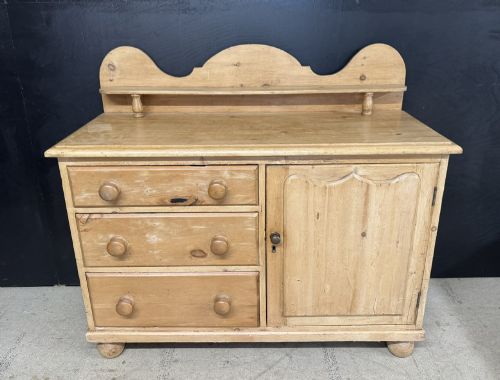
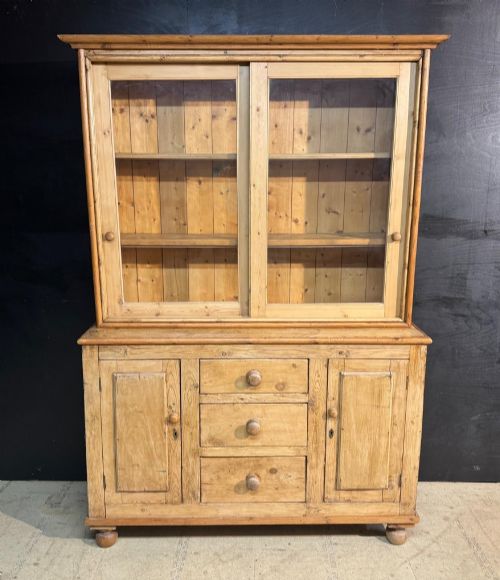
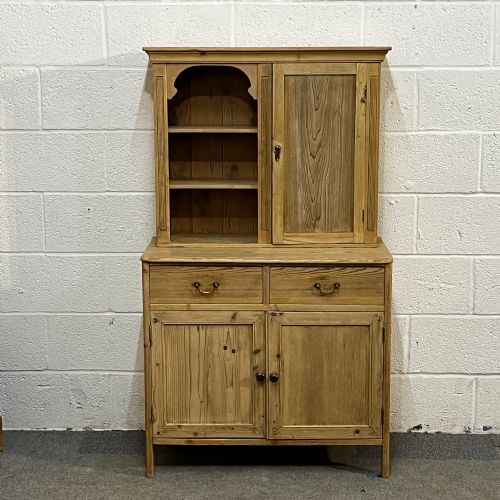
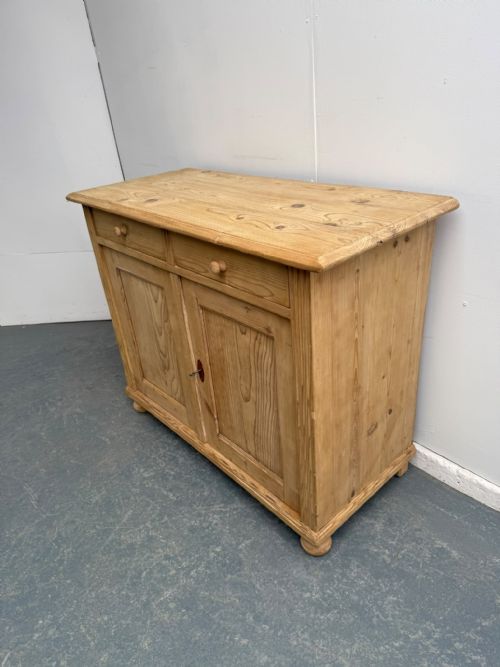
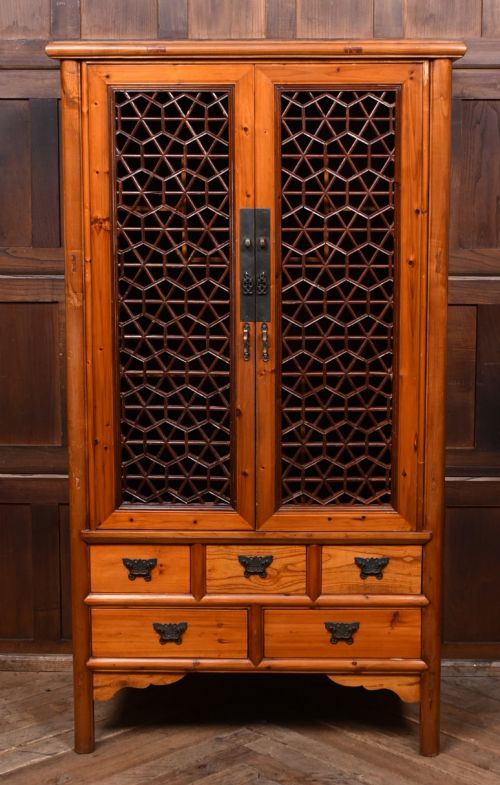
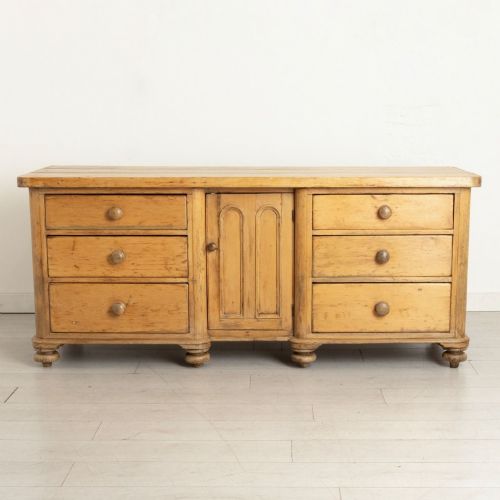
When searching for a honey pine kitchen sideboard, buyers encounter robust storage furniture originating from Georgian, Victorian, and nineteenth-century periods. These pieces include low dresser bases, sideboards, cupboards, and dresser units built for rural and domestic utility.
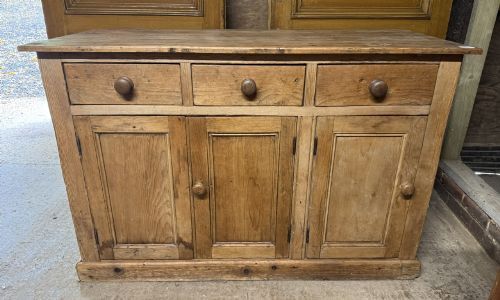
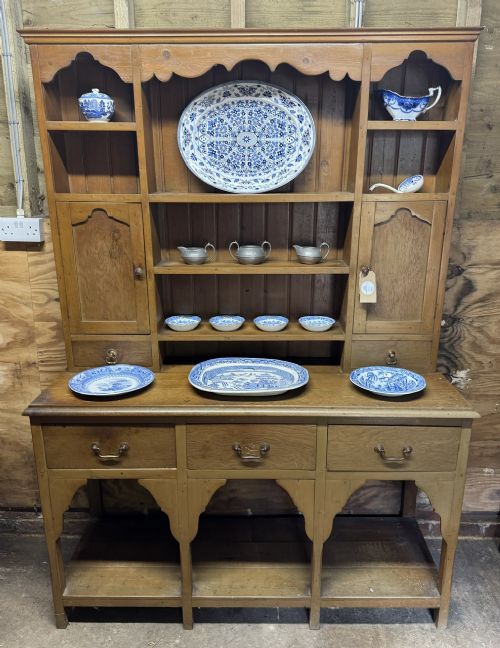
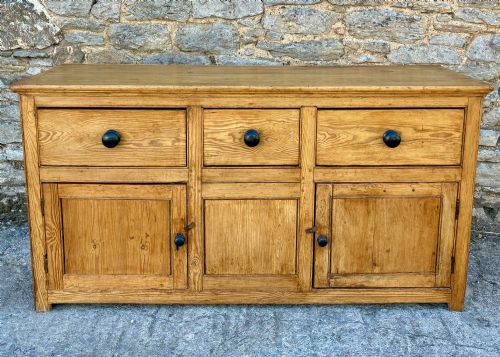
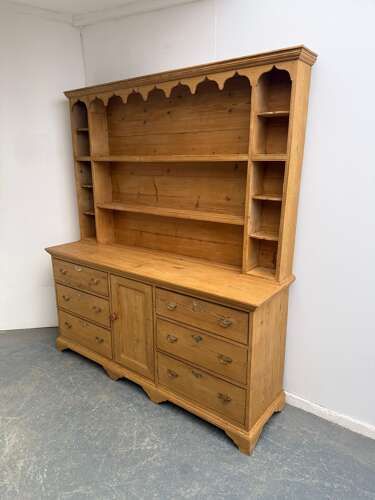
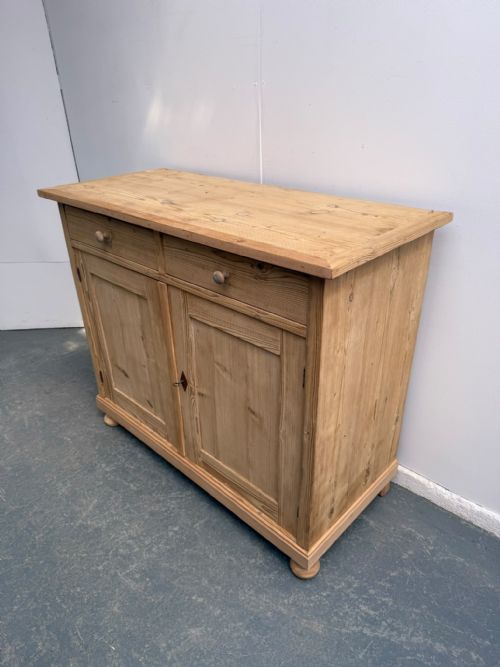
The common form on this page is the Victorian pine dresser base or sideboard, often featuring a combination of cupboards and drawers. Examples range from compact cottage proportions to long farmhouse formats equipped with pot shelves.
Regional vernacular styles strongly influence these pieces, with Welsh and English country workshops producing sturdy furniture tailored to daily kitchen life. Material finishes vary between waxed pine, stripped timber, and surfaces intended for painting.
Construction and materials
Makers built these pieces primarily from solid pine and Scots pine, utilising cedar in specific internal components. The timber is frequently treated with wax to enhance the natural grain and warm tone of the wood.
Functional metal hardware in brass and iron appears on doors and drawers, alongside glass elements where cabinets incorporate display spaces. Ceramic details occasionally supplement the ironmongery on working kitchen furniture.
Victorian kitchen cupboards occasionally retain traces of old flour in the drawer corners from decades beside the baking table.
Judging construction and finish
Quality in these pieces rests upon the integrity of the timber framing and the preservation of original working surfaces. Retaining an authentic waxed patina elevates an example above units stripped back to raw wood.
The Honey Pine Kitchen Sideboard Glossary
- Dresser base
- The lower portion of a kitchen dresser, functioning independently as a sideboard with drawers and cupboards. This form provides a flat working surface above enclosed storage.
- Pot shelf
- An open lower shelf built into the base of a farmhouse dresser or sideboard. It was traditionally used for storing heavy pots and pans within easy reach of the hearth.
- Patina
- The surface sheen and colour developed by wood through age, handling, and repeated waxing. Original patina distinguishes untouched antique timber from modern chemical stripping.
- Vernacular furniture
- Domestic pieces built by local regional craftsmen using accessible materials to serve specific daily needs. These objects reflect local traditions rather than metropolitan high styles.
Honey Pine Kitchen Sideboard: Frequently Asked Questions
What is a dresser base?
A dresser base is the lower cabinet section of a traditional kitchen dresser, featuring drawers and cupboards beneath a solid top. It functions independently as a sideboard in modern rooms.
These pieces were designed for heavy kitchen work and storage before fitted cabinetry became common.
Are these sideboards made of solid pine?
The listings show construction in solid pine, Scots pine, and occasionally cedar for internal components. These native softwoods provided strong, workable timber for country workshops.
Surfaces are typically finished with wax or left as stripped pine timber.
Where were these kitchen pieces made?
They originate from English and Welsh country workshops, reflecting regional vernacular traditions of the nineteenth and eighteenth centuries. Local cabinet makers built them for rural domestic use.
Each region developed distinct proportions and storage layouts suited to local farmhouse kitchens.
How do I care for waxed pine furniture?
Maintenance involves applying traditional beeswax periodically to nourish the dry timber and preserve the warm surface finish. Avoid placing solid pine furniture near direct heat sources that can dry the wood.
Regular dusting with a soft cloth keeps the waxed patina protected against daily wear.