


Pine Farmhouse Sideboard
These pine farmhouse sideboard pieces offer honest utility and timeless country character, bringing practical storage and robust charm to modern interiors.
Pine Farmhouse Sideboard
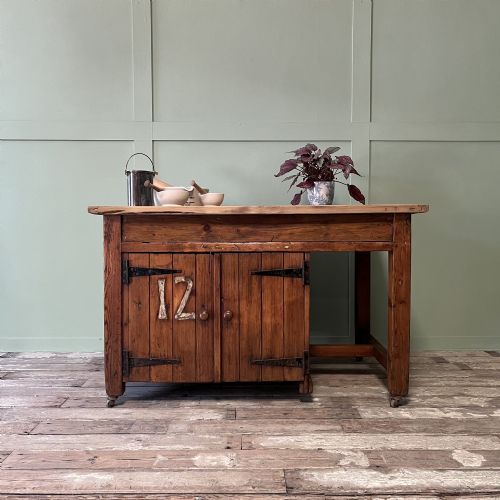
A pine farmhouse sideboard is a utilitarian storage piece typically designed for rural kitchens, dining rooms, and pantries. When searching this phrase, buyers encounter substantial timber constructions intended for heavy daily domestic use.
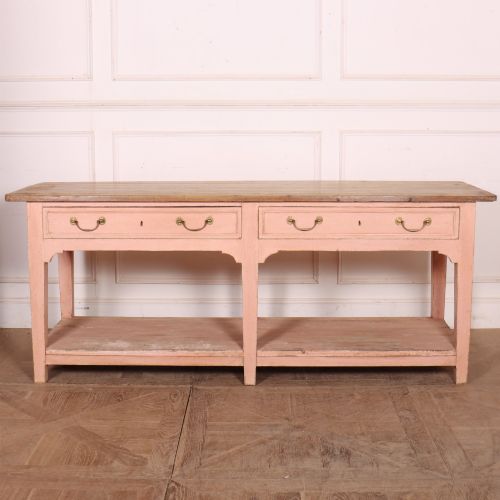
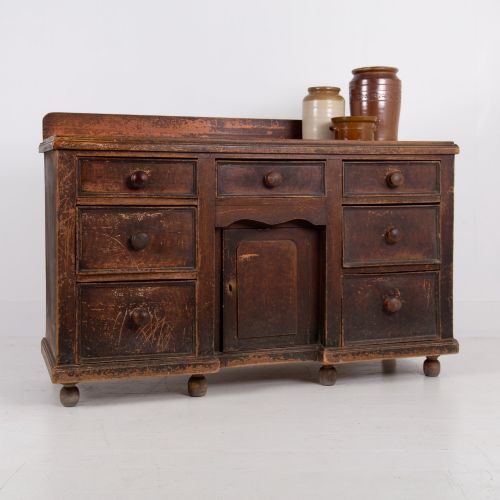
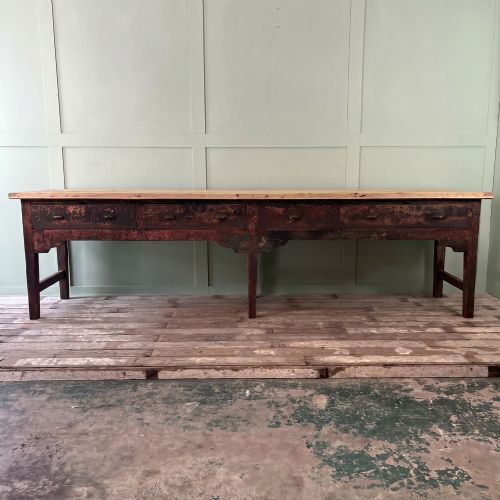
The versions most frequently met on this page include nineteenth-century dresser bases, kitchen servers, and long sideboard tables originating from English, Scottish, and regional country workshops. These pieces range from simple waxed timber surfaces to examples retaining their original historical paint finishes.
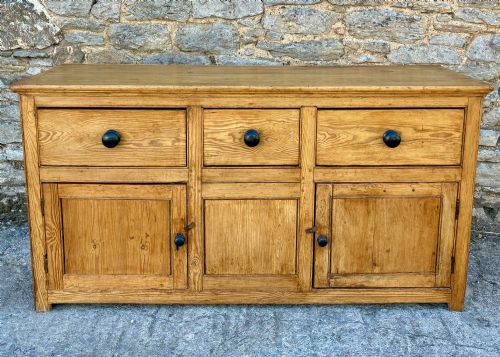
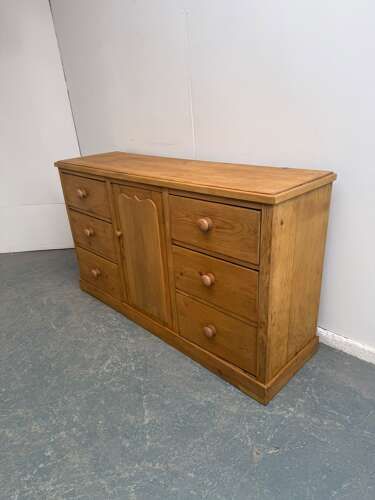
Design characteristics include deep storage capacities, straightforward drawer arrangements, and occasionally open potboards beneath. They reflect the straightforward needs of Victorian and vernacular country houses without superfluous ornamentation.
Materials and construction
These items are constructed primarily from solid pine, often utilising heavy planks selected for strength and durability. Secondary woods appear occasionally in internal framing or drawer linings.
Hardware details typically incorporate brass or iron pulls and hinges appropriate to the period of manufacture. Many surfaces survive with an applied wax finish or retain traces of original painted timber coatings.
Several pieces retain generations of kitchen flour dusted deep into ancient dovetail joints.
Assessing quality and character
Quality in these pieces rests upon the integrity of the timber selection and the retention of original surface treatments. Solid construction methods, such as traditional joinery in the drawers and carcass, distinguish superior examples from simpler utilitarian items.
The presence of untouched surfaces, original paint, or deep patination accumulated through generations of domestic use elevates the character of a piece. Proportions also vary, with larger monumental country house formats commanding particular attention compared to standard domestic scales.
The Pine Farmhouse Sideboard Glossary
- Dresser base
- A low storage unit featuring drawers and cupboards, historically used for food preparation and serving in country kitchens. It forms the foundation of many traditional dining room arrangements.
- Potboard
- An open lower shelf built into a dresser base or sideboard, originally designed to store pots, pans, and heavy crockery. This feature provides visible open storage beneath the main counter surface.
- Vernacular
- Architecture and furniture design created by local craftsmen using regional materials and traditional methods, rather than following high-style academic fashions. These pieces reflect local domestic requirements.
- Waxed finish
- A traditional protective coating applied to timber to nourish the wood and produce a soft, low-sheen lustre over time. It enhances the natural grain of the pine.
Pine Farmhouse Sideboard: Frequently Asked Questions
What is a pine farmhouse sideboard used for?
These pieces serve as practical storage furniture for dining rooms, kitchens, and hallways. They provide generous surface area on top alongside deep drawer and cupboard space below.
Historically utilised for food preparation and storing heavy kitchen crockery, they function today as sideboards, credenzas, or media consoles in residential spaces.
How do I care for a waxed pine surface?
Maintenance involves dusting with a soft cloth and occasionally applying a traditional beeswax paste to nourish the timber. Avoid placing hot items or moisture directly onto the bare wood surface.
Regular waxing preserves the natural sheen and protects the historic timber from drying out in modern centrally heated environments.
Are these sideboards authentic period pieces?
The inventory on this page includes nineteenth-century, Victorian, and early twentieth-century examples sourced from regional English and Scottish vernacular traditions. Each item reflects the construction methods and materials of its specific era.
Examination of the timber movement, joinery techniques, and fixings helps determine the precise period of manufacture for individual pieces.
How do regional styles differ?
Regional variations often appear in the proportions, detailing, and nomenclature of country furniture, such as Scottish potboard designs or Yorkshire formats. Local craftsmen adapted standard forms to suit the specific storage needs of different rural areas.
These subtle differences in construction and layout give each piece a distinct character rooted in its geographical origin.