



Honey Oak Trestle Table
These honey oak trestle table examples bring genuine warmth and utility to dining spaces, combining robust timber construction with practical design.
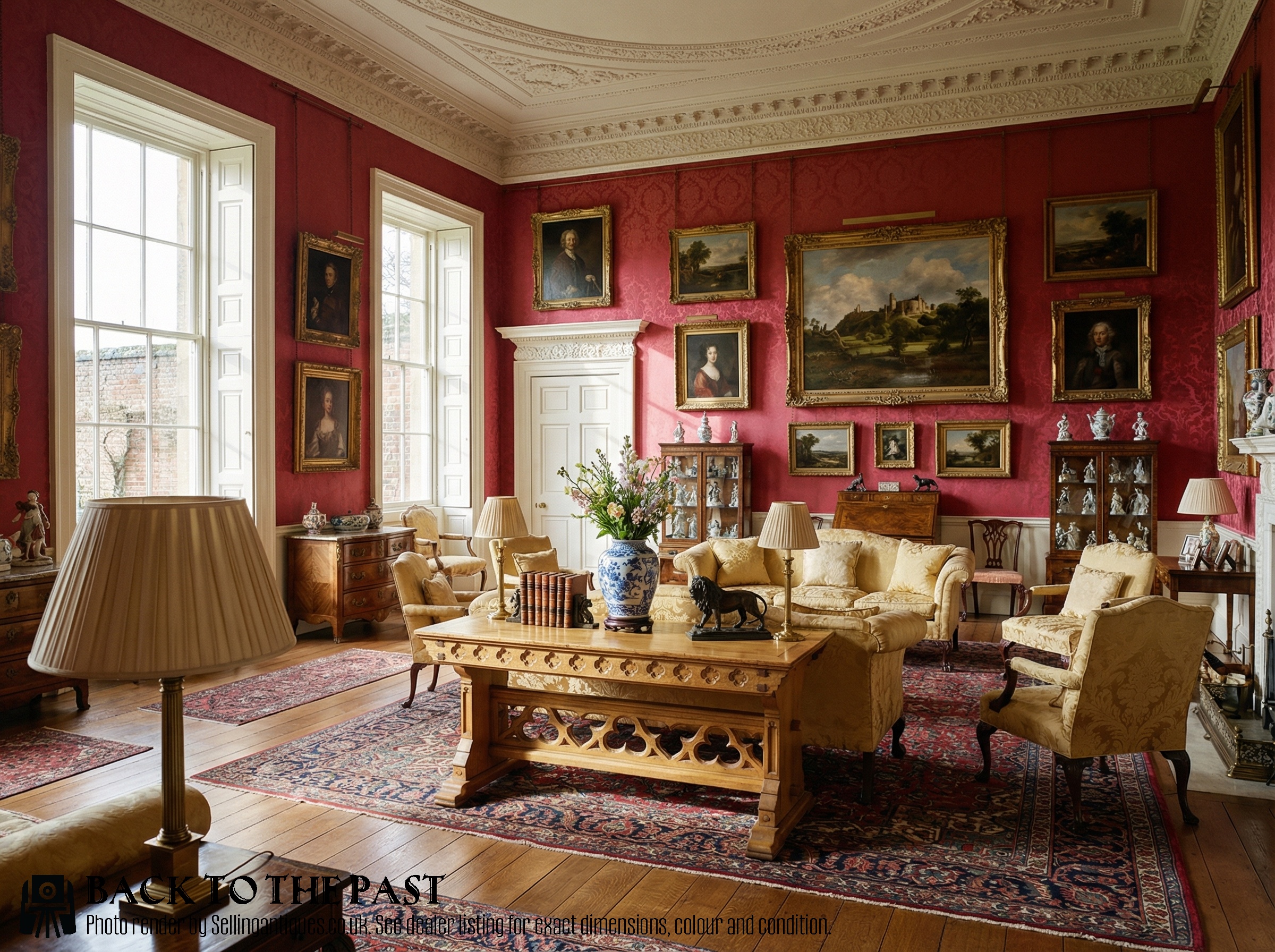
Honey Oak Trestle Table
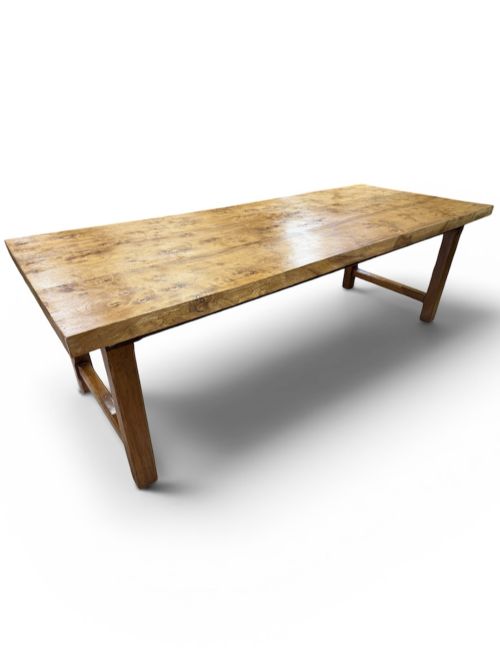
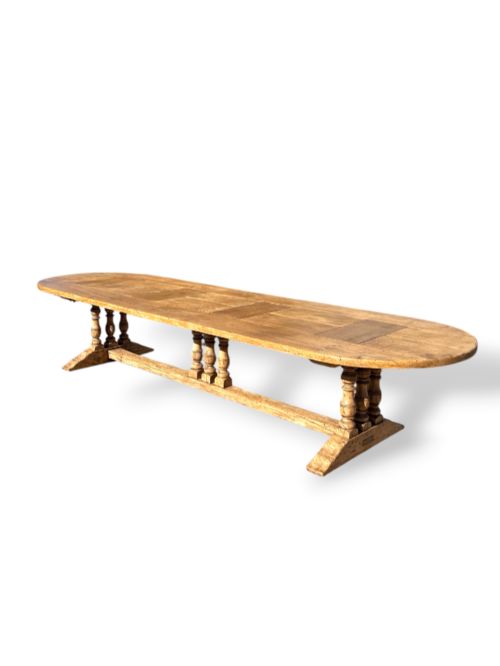
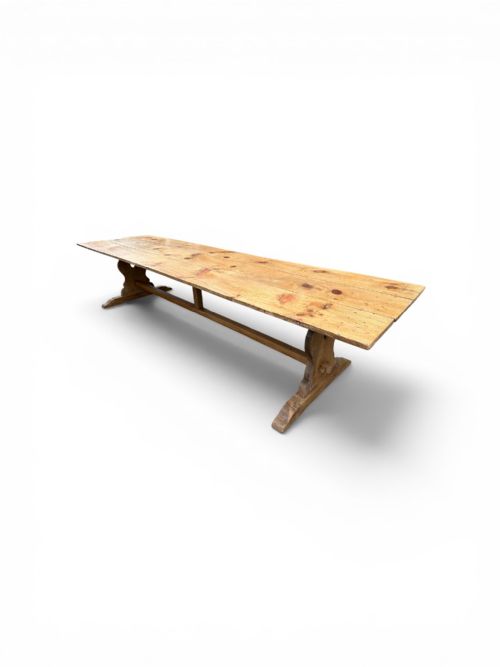
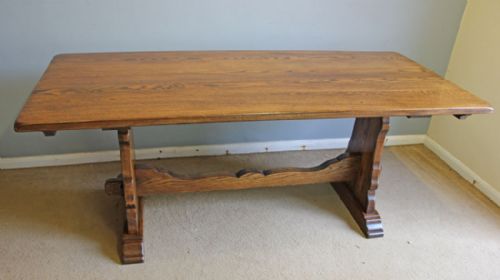
The most common forms on this page are large farmhouse and refectory dining tables featuring plank tops and sturdy end supports. Alongside these grand dining surfaces, you also find low coffee tables and centre tables that adapt the same rustic aesthetic for smaller proportions.
How they were made
Maker construction relies on solid oak and fruitwood timber, utilising substantial plank tops supported by heavy trestles or end frames. Workshops built these surfaces to endure daily communal use in kitchens and dining rooms.
Joinery methods reflect traditional craftsmanship suited to heavy rustic furniture, employing pegged joints and robust timber framing without modern adhesives. The natural grain of the wood provides the primary decorative quality, enhanced through centuries of simple polishing.
Honey Oak Trestle Table Retail Price Guide 2026
Typical asking prices for honey oak trestle table among the pieces listed under this phrase on Sellingantiques today, from the lower quarter to the upper quarter. They describe what is for sale here now, not the wider market.
Several tables show centuries of carved initials and kitchen scars, proving their ancestors took dinner far more seriously than we do.
What varies in quality
Quality rests upon the integrity of the timber and the honesty of the construction, distinguishing honest vernacular utility from later decorative imitations. Pieces retaining their original plank tops and substantial framing command attention for their structural authenticity.
Proportion and scale also define the hierarchy among these tables, where well-balanced proportions in larger refectory or farmhouse formats demonstrate superior design. The depth of the timber grain and the natural patination acquired over generations elevate the standing of individual examples.
The Honey Oak Trestle Table Glossary
- Refectory table
- A long narrow dining table traditionally used in monasteries and large halls. These examples often feature prominent trestle or end supports.
- Plank top
- A table surface constructed from individual wide boards of timber joined together. This construction method typifies traditional farmhouse and country furniture.
- Trestle support
- A structural framework comprising upright posts connected by a horizontal beam. It provides stable floor support for long dining surfaces.
- Patina
- The surface sheen and colour developed by wood over years of use and polishing. This quality indicates age and handling.
Honey Oak Trestle Table: Frequently Asked Questions
How do I care for an oak dining table?
Protect the timber surface by using mats for hot dishes and wiping spills promptly with a dry cloth. Nourish the wood periodically with traditional wax to maintain the natural finish without sealing the grain.
Avoid placing these tables in direct sunlight or near direct heat sources to prevent the solid timber from drying out or splitting. Gentle daily dusting keeps the patinated surface clean.
Are these tables suitable for everyday dining?
These tables were originally built for heavy daily use in farmhouses and monastic refectories, making them exceptionally sturdy for modern dining rooms. Their robust timber construction handles regular family meals with ease.
Consider measuring your dining space carefully to ensure adequate clearance around the trestle ends for seating. The solid timber surfaces withstand normal domestic activity while showing character over time.
What is the difference between refectory and farmhouse tables?
Refectory tables typically feature a long, narrow proportion designed for communal dining halls, often supported by defined trestle bases or heavy end frames. Farmhouse tables share similar robust oak construction but can appear slightly broader in proportion.
Both styles utilise thick timber plank tops and functional wooden framing intended for practical domestic utility. The terminology often overlaps depending on the regional workshop tradition.
How can I tell the period of an oak table?
Dating relies on observing construction marks, timber thickness, joinery techniques, and the overall wear consistent with eighteenth and nineteenth-century workshop practices. Hand-cut joints and pegged framing point towards earlier traditional methods.
The presence of natural patination and timber shrinkage offers further clues to age. Comparing the stylistic details, such as Gothic Revival or French Country influences, helps narrow down the era of manufacture.