


Honey Oak Table
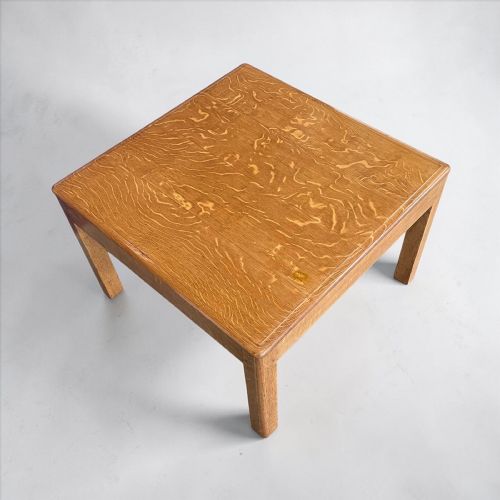
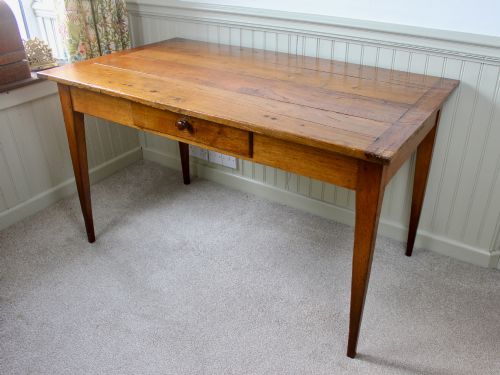
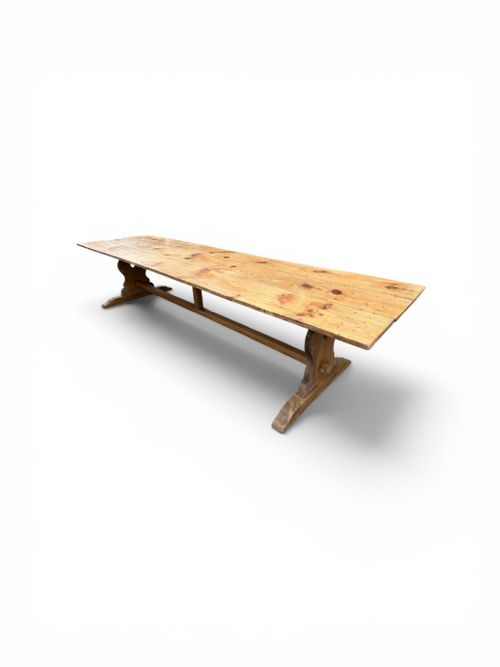
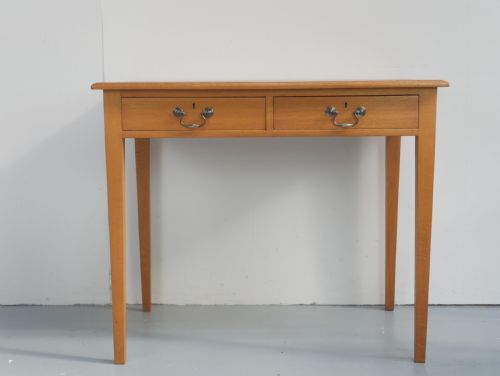
A honey oak table brings warmth and grain to a room, appearing in forms from compact gateleg side tables to large refectory dining furniture.
Honey Oak Table
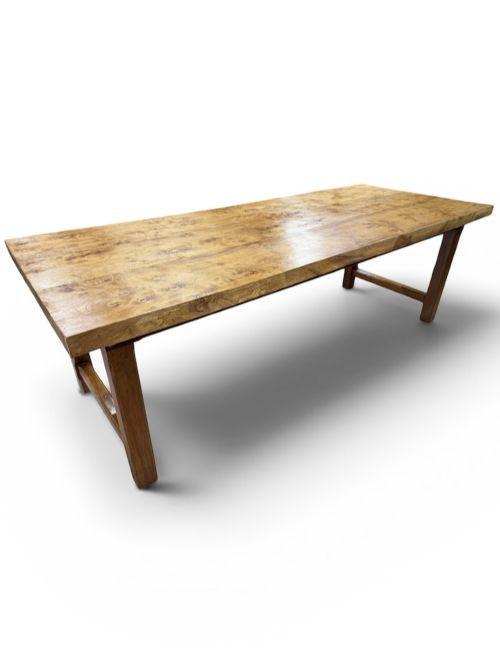
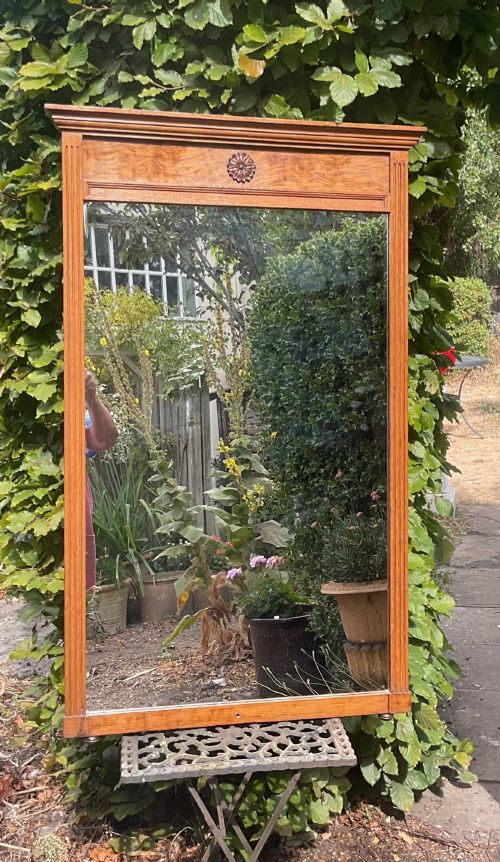
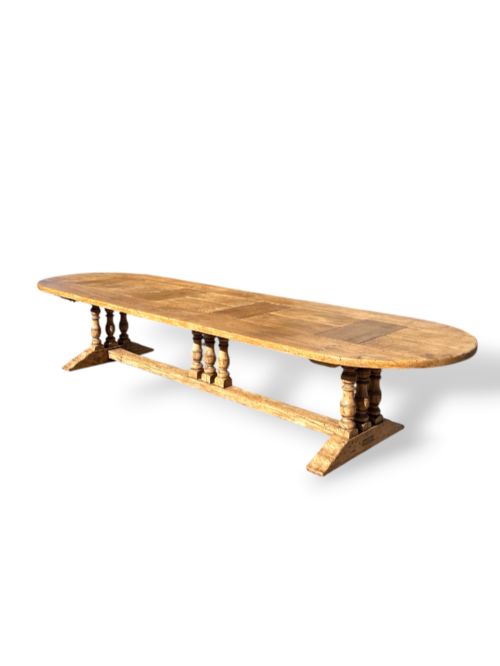
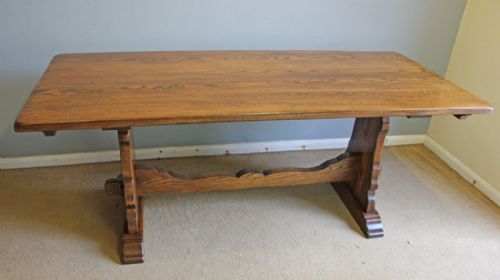
A honey oak table encompasses a broad range of domestic furniture built from oak and related timbers, spanning periods from the eighteenth century through the Victorian era and into the nineteen-thirties. Buyers searching for a honey oak table typically encounter sturdy farmhouse dining furniture, refectory tables, gateleg side tables, and occasional coffee tables displaying warm, golden tones.
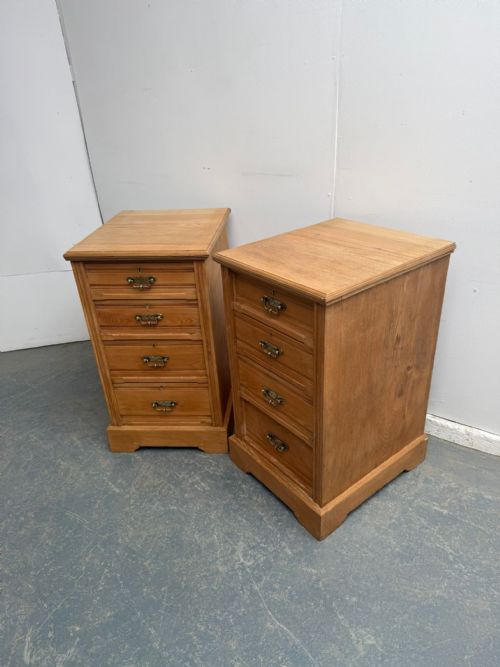
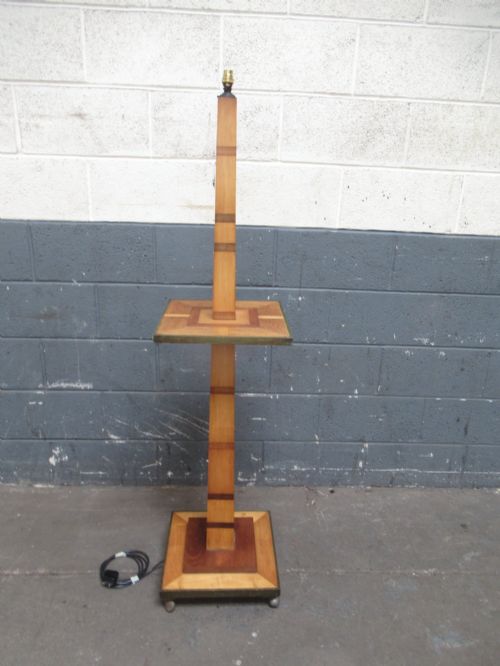
The selection ranges from large French provincial refectory pieces and Victorian Gothic centre tables down to Arts and Crafts bedside cabinets and Art Deco occasional pieces. Makers and workshops from various decades utilised oak for its resilience, applying surface finishes that highlight the natural grain.
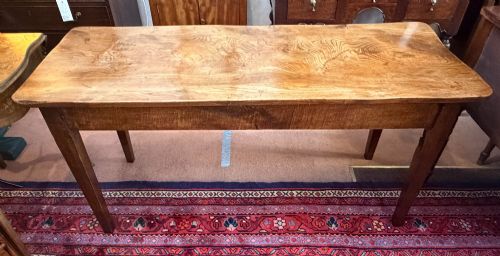
Regional variations appear across the inventory, including Scottish writing tables, English trestle tables, and French farmhouse kitchen tables equipped with bread slides. These pieces serve functional roles in dining rooms, kitchens, and studies while displaying the distinct character of their period of origin.
How they were made
Makers constructed these tables primarily from solid oak, supplemented occasionally by fruitwood, pine, and timber veneer where structural or decorative needs required. Planking methods for table tops involved jointing solid boards, sometimes featuring parquetry or draw leaf mechanisms to allow extension.
Surface treatments often relied on wax application to nourish the wood and bring out the characteristic honey coloration of the oak grain. Structural joints utilised traditional carpentry techniques such as pegging, turning, and trestle framing to ensure longevity across centuries of daily domestic use.
Several French kitchen tables retain their original bread slides, ready for kneading pastry or hiding small notes.
What varies in quality
Quality in these pieces rests upon the integrity of the timber selection, the heft of the plank tops, and the fidelity of the period construction methods. Superior examples display well-figured grain, robust underframes without excessive modern intervention, and balanced proportions suited to their original domestic function.
Subtleties in edge moulding, leg turning, and hardware integration separate standard utility furniture from pieces produced by notable makers or specialised regional workshops. The depth of the colour and the preservation of the original waxed surface significantly influence the visual impact of the piece.
Betty Joel·Heal s·Jenners
The Honey Oak Table Glossary
- Refectory table
- A long dining table historically used in communal dining halls. These examples typically feature sturdy stretcher bases and substantial timber plank tops.
- Gateleg table
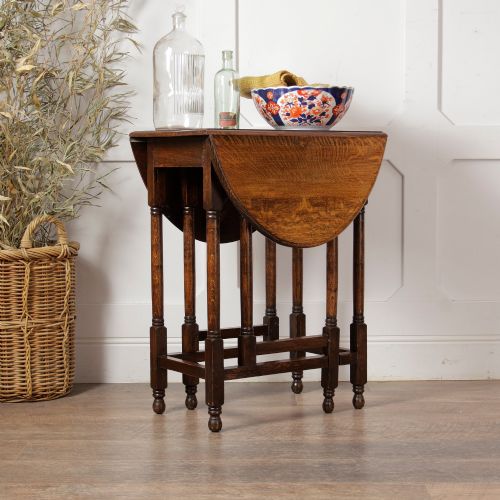
- A drop leaf table with hinged flaps supported by swing legs that pull out like a gate. This design allows the table to fold down for compact storage.
- Parquetry
- A geometric mosaic of wood pieces used for decorative effect on table tops. This technique creates patterned surfaces using contrasting grain directions.
- Bread slide
- A pull-out wooden board integrated beneath the top of a farmhouse table. Historically, bakers used this surface to cool bread or prepare dough.
- Draw leaf table
- A dining table with extension leaves stored beneath the main top. Pulling the ends reveals these leaves, which slide into place to lengthen the surface.
Honey Oak Table: Frequently Asked Questions
How do I date an oak table?
Dating relies on examining construction marks, timber preparation methods, and the style of the legs and stretcher base. Hand-sawn board marks and traditional joinery often point towards earlier periods.
Later pieces from the twentieth century show different machining techniques and hardware styles that help narrow down the decade of production.
Are these tables suitable for daily dining?
Most of these tables were built for heavy domestic use in kitchens and dining rooms, making them robust enough for everyday meals. Solid timber construction handles routine family life effectively when treated with reasonable care.
Using heat mats and coasters helps protect the waxed or polished surface from moisture rings and thermal marks over time.
How should I maintain a waxed oak finish?
Maintaining a waxed surface involves occasional re-application of a suitable beeswax polish to nourish the timber and preserve the honey tone. Regular dusting with a soft, dry cloth prevents particulate build-up.
Harsh chemical cleaners strip the protective wax layer, so mild soap solutions should be used sparingly if deep cleaning becomes necessary.