



Historical Seascape Art
Historical seascape art captures the power of the open water through oil on canvas and watercolour, recording vessels, naval battles and coastal scenes.
Historical Seascape Art
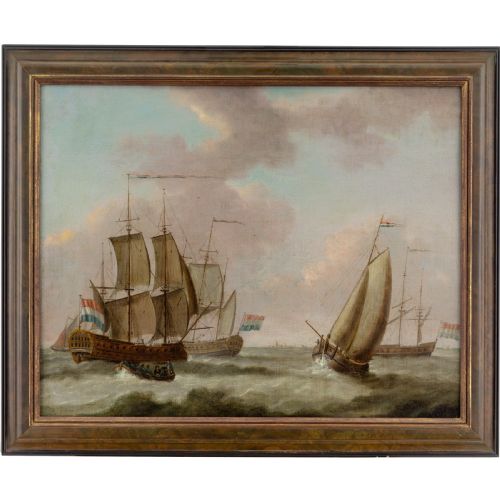
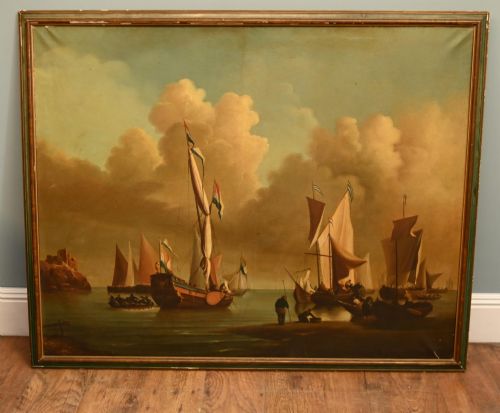
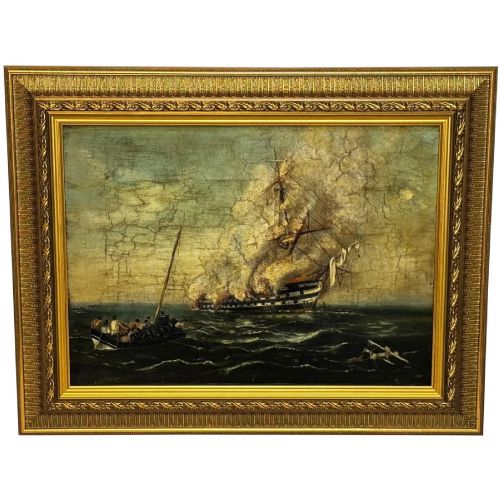
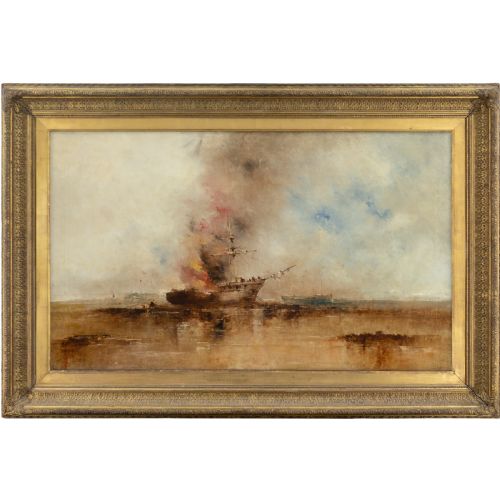
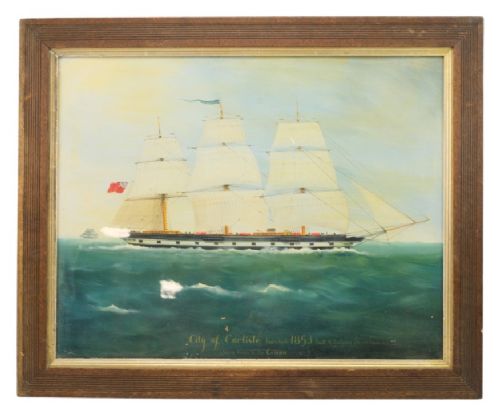
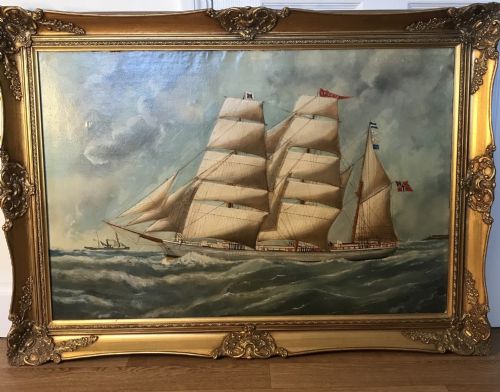
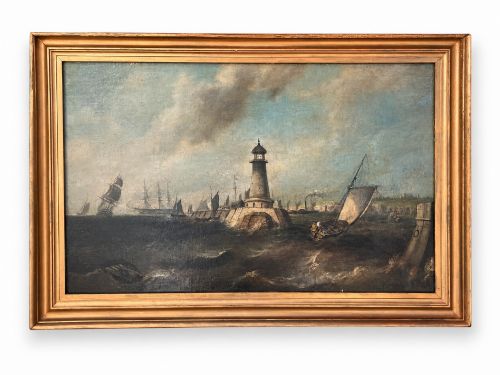
Historical seascape art encompasses works executed across the eighteenth, nineteenth and early twentieth centuries, depicting maritime subjects from naval engagements to harbour scenes. Buyers encounter depictions of rolling seas, warships with raised sails and merchant vessels navigating coastal waters.
The material record on this page leans heavily towards oil on canvas supported by wooden or giltwood frames, alongside occasional watercolours on paper. Pieces range from grand country house paintings to smaller studies of ships off the Scottish or Cornish coasts.
Attributions vary from named painters of the English and Dutch schools to works produced in the circle or manner of established marine artists. Subjects record specific vessels, historical events such as the Crimean troop transport, or generic shipping scenes.
Quality and Execution
Quality rests upon the artist's command of maritime anatomy, including the correct rigging of ships, the perspective of hulls in rolling waves and the naturalism of water. Stronger works demonstrate precise observation of light on canvas, whereas weaker examples rely on formulaic waves and stiff vessel placement.
The handling of atmosphere and scale differentiates standard topographical records from masterful compositions. The preservation of the original paint surface and the matching period frame also contribute to the integrity of the piece.
Historical Seascape Art Retail Price Guide 2026
Typical asking prices for historical seascape art among the pieces listed under this phrase on Sellingantiques today, from the lower quarter to the upper quarter. They describe what is for sale here now, not the wider market.
Listings feature works spanning the seventeenth century through to 1910, utilising oil on canvas, paper, and giltwood frames.
William McAlpine·Charles Napier Hemy·Vincenzo D’Esposito·George SHAW·George Morland·Samuel Owen·Frank Wood·Paul Jean Clays·FRANK WASLEY·Richard Ball Spencer·Hubert Thornley·Bertram Priestman·James Hardy·Abraham Storck
The Historical Seascape Art Glossary
- Giltwood
- Wood carved and coated with gold leaf or a gold-coloured finish. This material is common for period frames enclosing large canvases.
- Marine Art
- Artistic representation of the sea, ships, and coastal views. This category covers both peaceful harbours and turbulent naval battles.
- Oil on Canvas
- Pigment mixed with drying oil applied to a woven fabric support stretched over a wooden frame. It forms the primary medium for historical maritime paintings.
- Watercolour
- Paint consisting of colour suspended in a water-soluble vehicle, applied to paper. It appears in several nineteenth-century maritime works on this page.
- Dutch School
- A term denoting painters working in the Netherlands or following the traditions of seventeenth-century Dutch maritime artists. These works often focus on shipping in choppy waters.
Historical Seascape Art: Frequently Asked Questions
What subjects appear in historical seascape art?
Paintings show a wide range of maritime subjects, including naval warships in combat, three-masted schooners, and merchant vessels near the coast. Other works record specific historical events, such as troop transports heading to the Crimea or polar expeditions.
Harbour scenes and quiet coastal views also feature prominently, often depicting named locations like Portsmouth, Plymouth or Ostia. The focus rests on the interaction between human shipping and the unpredictable power of the sea.
How do I date a maritime painting?
Dating relies on a combination of vessel typology, costume of figures on the shore, and the style of the frame. Ships with specific sail configurations, paddle steamers, or early ironclad warships provide a clear terminus post quem for the composition.
Signatures, inscriptions on the reverse of the canvas, and framing materials offer additional chronological markers. Comparing the brushwork to documented works by English or Dutch school painters helps narrow the period further.
Where should I hang a seascape painting?
These works suit spaces with stable environmental conditions, away from direct sunlight and excessive humidity that can damage canvas and watercolour paper. Strong framing allows them to anchor a room as a focal point above a fireplace or sideboard.
Consider eye-level placement to appreciate the fine details of rigging and wave texture. Pairing works with traditional interiors or complementing giltwood frames enhances their visual impact.
How do I care for antique oil on canvas?
Keep paintings away from direct heat sources and rapid temperature shifts to prevent the canvas from slackening and the oil paint from cracking. Dust the surface gently with a soft, dry brush without applying pressure to the paint layer.
Avoid using liquid cleaners or attempting amateur restorations on the pigment or giltwood frame. Professional conservation ensures the long-term stability of both the canvas and its historical housing.