




Historical Officer Portrait Painting
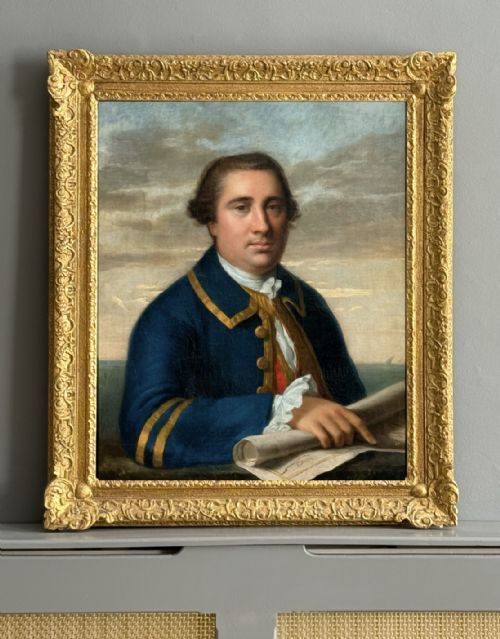
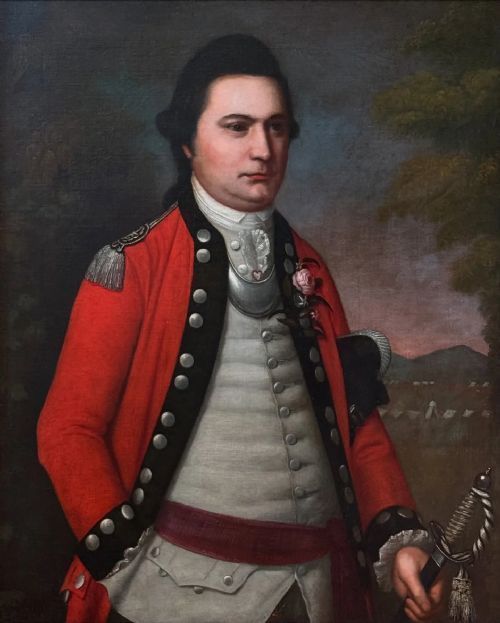
When you examine a historical officer portrait painting, you encounter the rendered likenesses of military commanders and naval captains from past centuries.
Historical Officer Portrait Painting
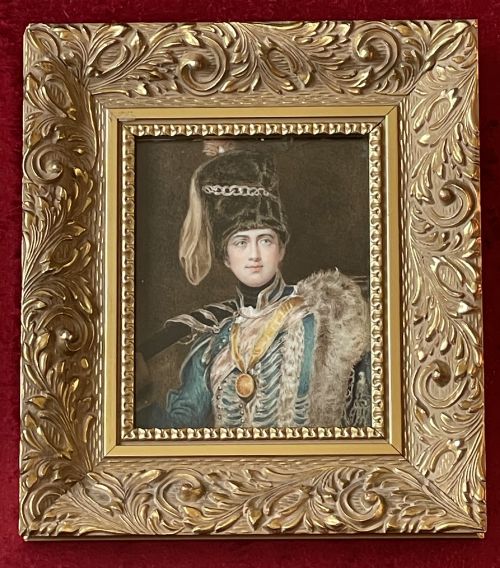
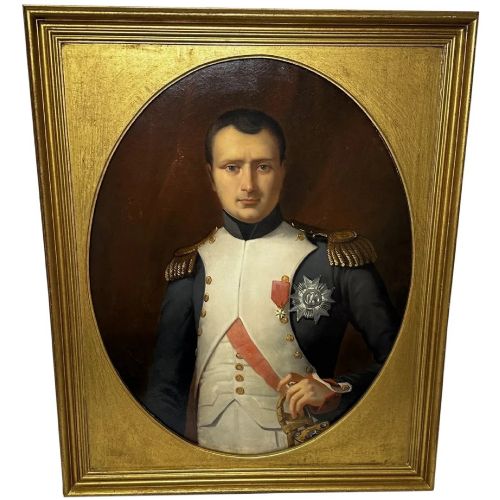
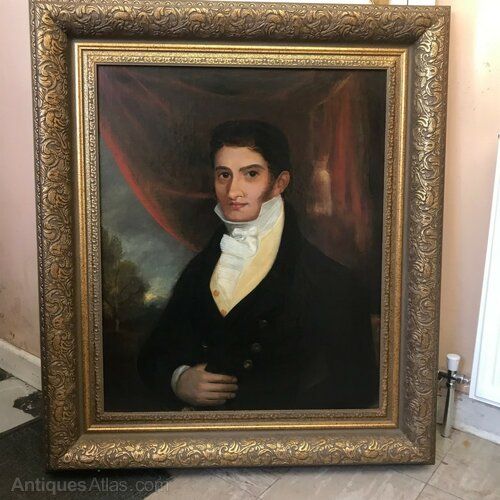
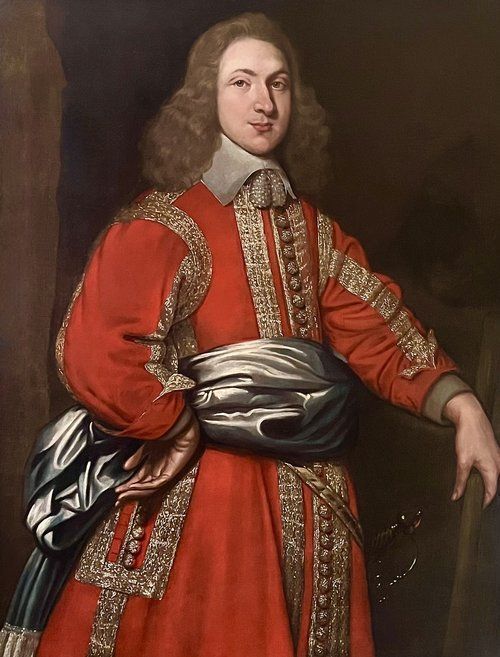
A historical officer portrait painting depicts military and naval leaders, ranging from captains and infantry officers to generals and admirals. These works record the likeness, rank, and sometimes the campaigns of figures who served in various armed forces.
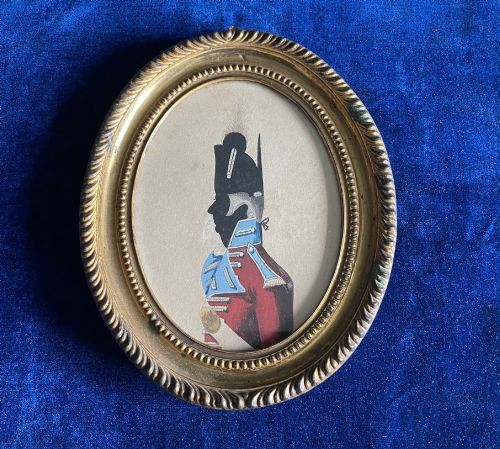
The selections span multiple eras, with strong representation from the seventeenth, eighteenth, and nineteenth centuries. You encounter works executed in oil on canvas alongside smaller portrait miniatures and framed watercolours.
Makers include named portraitists working within the British, French, and Anglo-Dutch traditions, as well as school pieces and later interpretations after earlier masters. The subjects wear period uniforms, red coats, or formal attire suited to their station.
Materials and Construction
Giltwood frames frequently house these canvases, providing period-appropriate ornamentation that complements the dark tones and rich pigments of the portraits. Smaller works utilise glass and wood housings to protect delicate watercolours and miniature paintings.
Historical Officer Portrait Painting Retail Price Guide 2026
Typical asking prices for historical officer portrait painting among the pieces listed under this phrase on Sellingantiques today, from the lower quarter to the upper quarter. They describe what is for sale here now, not the wider market.
Listings span works executed on canvas, wood, and glass, originating from seventeenth-century Dutch workshops through to mid-twentieth-century interpretations.
Assessing Quality
Quality rests primarily on the skill of the hand that laid the paint, distinguishing a master portraitist from a competent regional copyist. Capturing the psychological depth of the sitter and the precise details of regimental lace separates superior works from routine studio output.
The condition of the canvas surface, the stability of the original oil layers, and the preservation of the surrounding giltwood frame also govern the standing of an individual piece.
Lemuel Francis Abbott·Stickland Lowry·Sir Thomas Lawrence·Henry Walton·Albert Ferdinand Le Dru·Wybrand de Geest·Sir William John Newton·Samuel Lane·Ruth Cecil Latter·George Duncan Beechey·Gerrit Schipper·Henry Wyatt·Robert Ker Porter·Ambrosini Jerome·Richard Hall
The Historical Officer Portrait Painting Glossary
- Oil on Canvas
- Pigments bound in a drying oil, usually linseed, applied to a woven fabric support. This combination allows for rich colour blending and durability over centuries.
- Portrait Miniature
- A small-scale painting executed with fine detail, often created on ivory, vellum, or card. These intimate works were frequently carried or worn by family members.
- Giltwood
- Wood carved and coated with gold leaf or gold powder. This finish is typical of framing used for formal portraiture during the Georgian and Regency periods.
- Anglo-Dutch School
- A grouping of artists working in England and the Netherlands whose styles intermingled during the seventeenth and eighteenth centuries. Their portraiture often shares a dark palette and direct realism.
- Regiment
- A military unit commanded by a colonel, whose officers feature prominently in these painted records. Uniform details on the canvas often identify the specific regiment.
Historical Officer Portrait Painting: Frequently Asked Questions
How do I identify the military rank from the painting?
Artists painted specific insignia, lace patterns, and sash arrangements on the uniforms to denote the exact rank of the sitter. Naval officers often display anchors or distinctive cuffs, while army officers wear regimental colours and epaulettes.
Studying contemporary dress regulations for the stated period helps confirm whether the subject served as a captain, general, or admiral.
Are these portraits always painted from life?
Many officers sat directly for well-known artists during campaigns or upon achieving high rank, while others were painted posthumously. Posthumous works and historical interpretations rely on earlier prints, miniatures, or family likenesses.
Attributions and dates recorded in the titles often indicate whether the portrait was contemporary with the sitter.
How should I care for an antique oil portrait?
Keep oil paintings away from direct sunlight and sources of extreme heat to prevent the canvas from sagging and the paint layers from cracking. Maintain a stable indoor climate to protect both the stretched canvas and the wooden frame.
Dust the surface gently with a soft, dry brush and avoid using chemical cleaners on the paint or the giltwood.
What does after a master mean in a listing?
This phrase indicates that the work is a later execution based upon a known original by a celebrated artist, such as Sir Anthony van Dyck. These secondary paintings allowed patrons to own likenesses of prominent historical commanders when the primary work remained in a public collection or private estate.
Such pieces reflect the ongoing admiration for specific portrait compositions across subsequent centuries.