


Historical Maritime Canvas
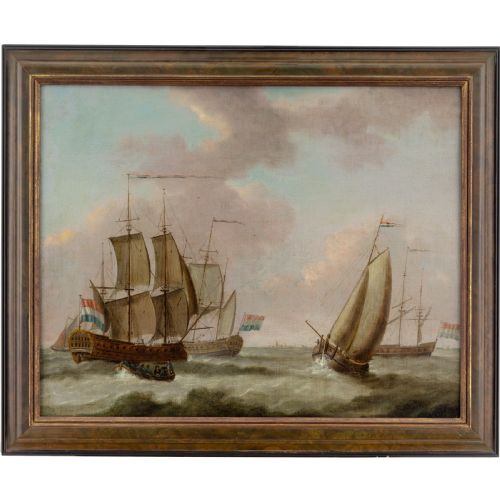
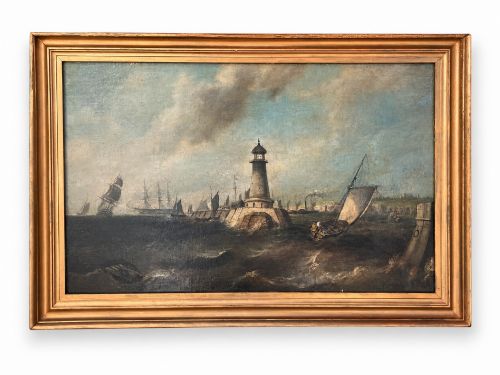
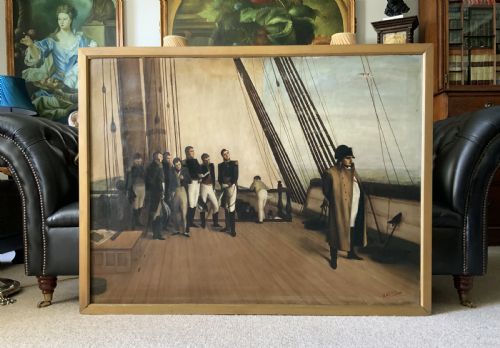
Historical maritime canvas works record centuries of naval encounters, coastal harbours and merchant shipping through oil paint on woven supports.
Historical Maritime Canvas
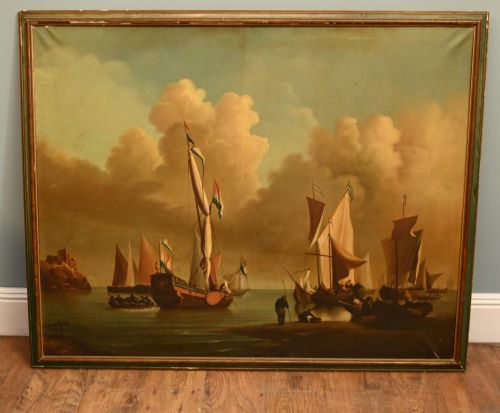
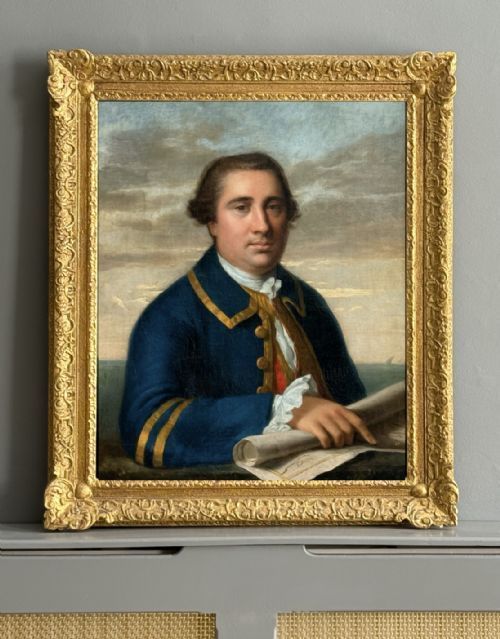
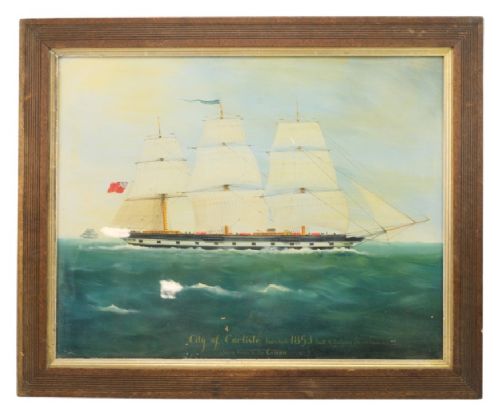
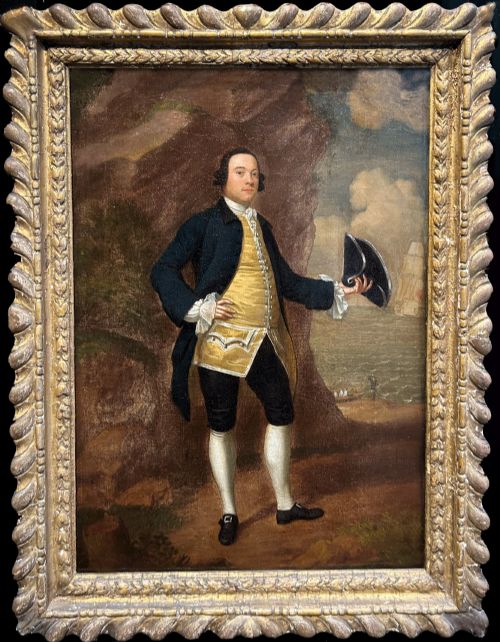
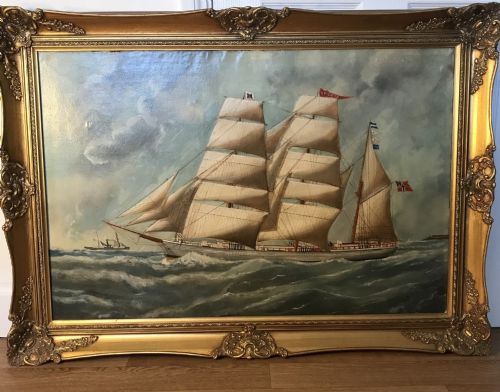
When buyers search for historical maritime canvas, they examine oil paintings depicting sea battles, harbour scenes, portraits of naval officers and merchant vessels. The selection draws on centuries of marine art, ranging from seventeenth-century Dutch golden age pieces to nineteenth-century Victorian works.
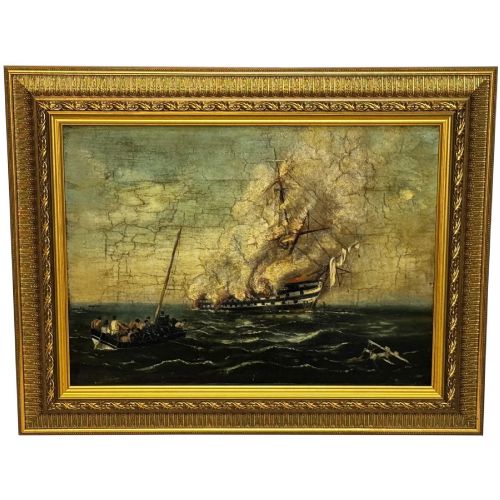
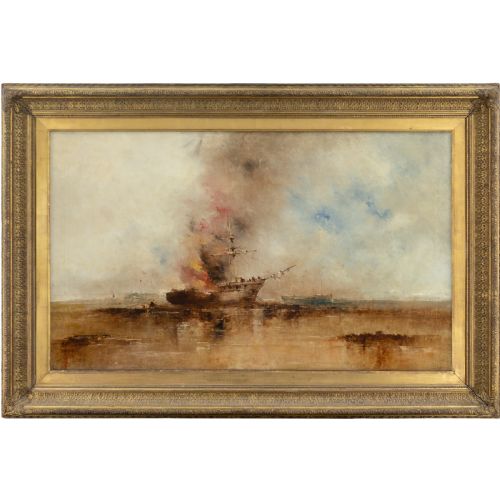
Most examples encountered here date from the eighteenth and nineteenth centuries, featuring named vessels, coastal shipping and specific historical engagements. Painters record these maritime subjects on woven fabric supports, often set within period wooden or giltwood frames.
How they were made
Artists apply oil paint directly onto stretched canvas, building up layers of pigment to render the movement of water, the texture of billowing sails and the details of rigging. Many works employ traditional priming grounds beneath the oil colours to secure the pigment over centuries.
Finished paintings are traditionally housed in wooden frames, with several examples set in giltwood surrounds that reflect the decorative standards of their respective periods.
Several canvases record specific historical moments, including ships named Mary Wylie and the burning of HMS Bombay.
What varies in quality
The standard of a historical maritime canvas depends on the precision of the vessel rigging, the handling of light upon the water and the anatomical accuracy of any figures portrayed. Works attributed to known marine painters or executed by skilled contemporary hands demonstrate superior composition and tonal depth.
Condition and originality also separate examples, where undisturbed canvas texture and early framing enhance the integrity of the piece.
William McAlpine·Lemuel Francis Abbott·Francis Hayman·Charles Napier Hemy·Paul Jean Clays·Richard Ball Spencer·Hubert Thornley·Bertram Priestman·Jacob Knyff·Abraham Storck
The Historical Maritime Canvas Glossary
- Canvas
- A heavy woven fabric used as a support surface for oil painting. It provides the tensile strength required for large marine compositions.
- Giltwood
- Wood carved and coated with gold leaf or metallic gilt. This finish is commonly found on the frames housing eighteenth and nineteenth-century paintings.
- Oil Paint
- A slow-drying paint made with pigments suspended in oil. It allows artists to achieve fine blending and rich gradations of tone in water and sky.
- Seascape
- A work of art depicting the sea, coastlines and marine vessels. These subjects form the core of the paintings listed under historical maritime canvas.
Historical Maritime Canvas: Frequently Asked Questions
How do I date an old maritime painting?
Dating relies upon stylistic clues, costume details of any figures, and the rigging or design of the depicted ships. Frame construction and canvas preparation further help place the work within periods such as the Georgian or Victorian eras.
Additional context sometimes emerges from inscriptions on the reverse of the canvas or historical records matching the named vessel to a specific maritime event.
Where should I hang a marine oil painting?
These paintings suit rooms with stable humidity and away from direct heat sources to protect the canvas support and oil paint layers. Placing them at eye level allows the fine details of the rigging and water to be observed clearly.
Pairing the work with traditional interiors or rooms featuring natural wood elements complements the historical character of the giltwood or timber frames.
What is a privateer in these paintings?
A privateer was a privately owned vessel commissioned by a government to fight enemy shipping during wartime. Portraits of privateers or their captains record these authorised armed vessels.
Such paintings capture the maritime history of naval conflicts and private enterprise on the sea during the eighteenth and nineteenth centuries.
How do I care for an antique canvas?
Maintenance involves keeping the painting away from direct sunlight and maintaining consistent indoor temperatures. Dust should be removed gently from the frame and canvas surface using a soft, dry brush.
Professional conservation should be sought if the paint layer shows signs of cracking or if the canvas requires re-tensioning over its wooden stretcher.