





Historical Landscape Art
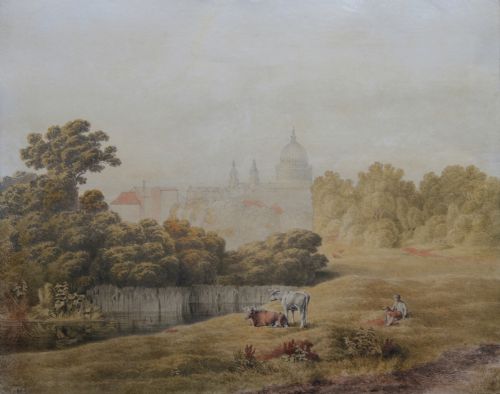
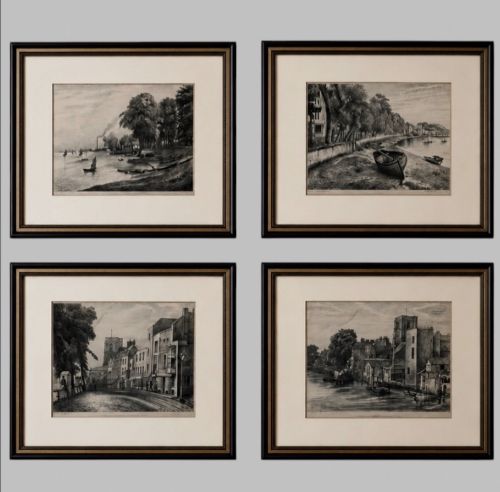
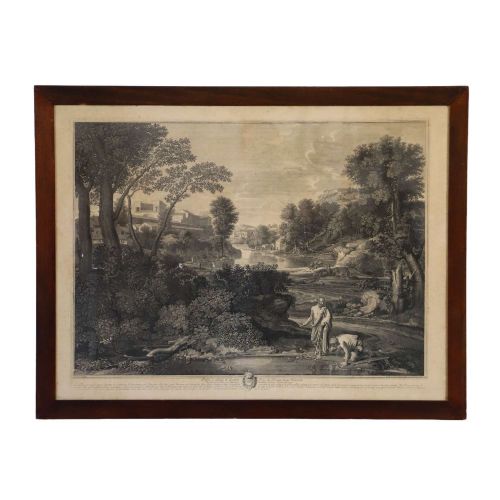
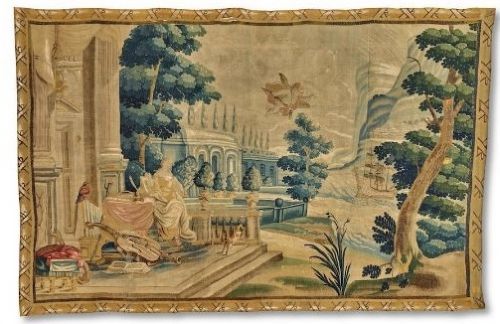
Historical landscape art records past places and events through oils, watercolours, and engravings spanning multiple centuries.
Historical Landscape Art
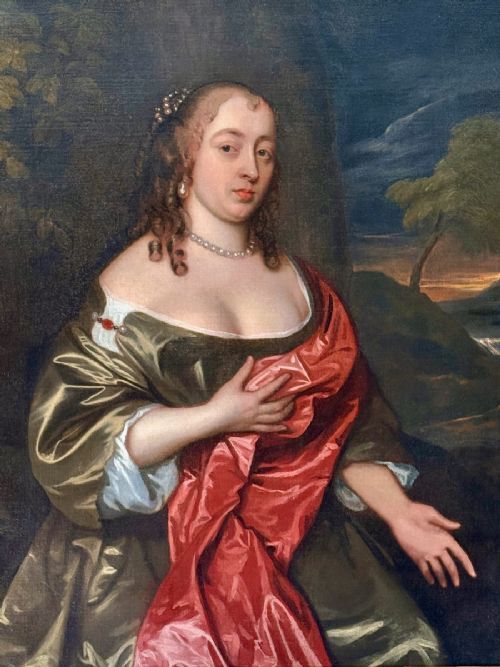
Historical landscape art encompasses oil paintings, watercolours, and engravings that depict specific geographical locations, townscapes, and historical scenes. Buyers searching this phrase look for authentic visual records of past places, architecture, and maritime views.
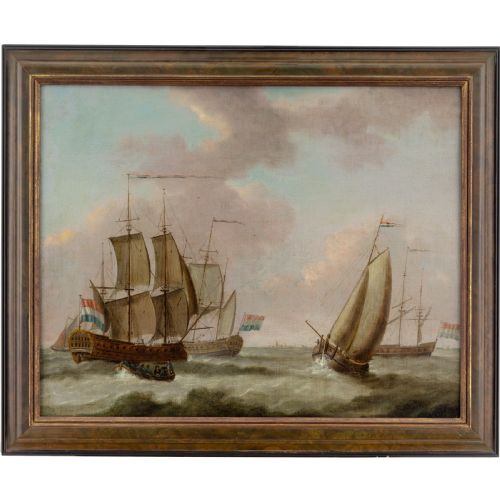
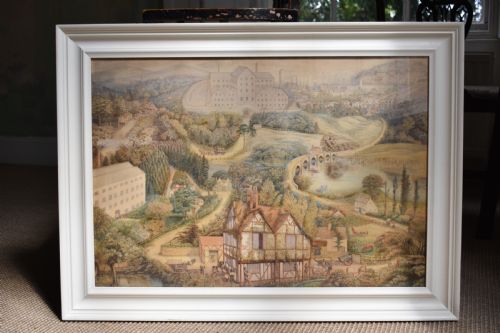
The selection here ranges from seventeenth-century Dutch coastal scenes and eighteenth-century country house views to nineteenth-century British watercolours and twentieth-century townscapes. Oil on canvas works and paper watercolours form the predominant formats encountered across these periods.
Subjects stretch from local river views and dockyards to military topography and mythological landscapes framed by period styles such as Georgian, Victorian, and Baroque. Each piece captures a distinct topographical or historical moment recorded by contemporary artists.
How they were made
Artists painted primarily with oil on canvas or oil on oak panel, applying pigments that built up deep tones and atmospheric light, whilst watercolour works utilised paper supports for translucent washes and fine detail.
Engravings and lithographs employed metal plates or stones to multiply topographical images, often finished with original framing materials like carved giltwood that defined the presentation of the period.
Historical Landscape Art Retail Price Guide 2026
Typical asking prices for historical landscape art among the pieces listed under this phrase on Sellingantiques today, from the lower quarter to the upper quarter. They describe what is for sale here now, not the wider market.
Listings feature works across the seventeenth, eighteenth, nineteenth, and twentieth centuries, utilising paper, canvas, and oak panel supports.
What varies in quality
Compositional balance and the accuracy of topographical detail separate finer works from standard topographical records, showing how skilfully the artist handled perspective and light.
The integrity of the original support, whether canvas, wood panel, or paper, alongside the preservation of the pigment layer, dictates the visual strength of the piece.
Étienne Baudet·Thomas Hicks·Alfred George Morgan·Arthur Hopkins·John Hamilton Mortimer·Claude Lorrain·George Morland·John A. Houston·Frank Moss Bennett·Pieter Bout·Adriaen Frans Boudewyns·Joseph Farrington·William Wyld·Henry Barlow Carter·Walter Duncan·Frank Wood·Paul Jean Clays·George Lambert·Alfred Pollentine·Fred Lawson·Herbert John Finn·Hubert Thornley·Bertram Priestman·Earl Haig
The Historical Landscape Art Glossary
- Oil on canvas
- A painting technique using pigments bound in drying oils applied to stretched woven fabric. This method allows for rich colour blending and textured brushwork.
- Watercolour
- A painting method where coloured pigments are suspended in a water-soluble vehicle on paper. It creates luminous, transparent washes of tone and colour.
- Giltwood
- Timber carved and surfaced with a thin layer of gold leaf. It is frequently found on period frames designed to complement the artwork.
- Engraving
- A printmaking process where an image is incised onto a metal plate using a sharp tool. Ink is then pressed into the grooves to create the final printed impression on paper.
Historical Landscape Art: Frequently Asked Questions
What is historical landscape art?
Historical landscape art comprises paintings, watercolours, and prints that record actual places, towns, rivers, and events from past centuries.
These works serve as visual documents of changing architecture, maritime activity, and topography over time.
How should I frame these works?
Many historical pieces retain their original frames, such as period giltwood, which should be preserved where possible to maintain the historical context.
If framing an unmounted work, select materials appropriate to the period of the piece without causing chemical damage to paper or canvas.
How do I identify the period?
Dating relies on stylistic clues, artist signatures, subject matter, and the physical composition of the support materials like canvas or handmade paper.
Examining the reverse of the work often reveals historical labels, inscriptions, or stamps that confirm the date and origin.
Where were these pieces displayed?
Historically, such landscapes hung in country houses, civic offices, and private domestic parlours to display travel, property, or regional pride.
Today, they suit studies, living rooms, and hallways where traditional lighting highlights the depth of the oils and watercolours.