
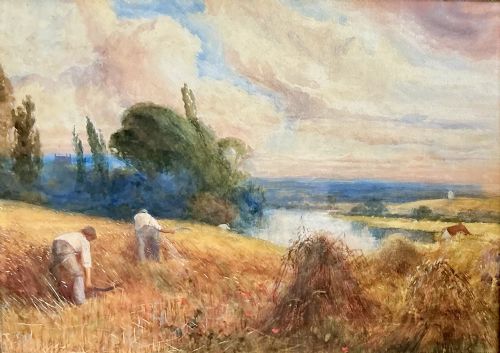


Antique Pastoral Watercolour Painting
An antique pastoral watercolour painting brings the quiet charm of the nineteenth and early twentieth-century countryside directly into a modern room.
Antique Pastoral Watercolour Painting
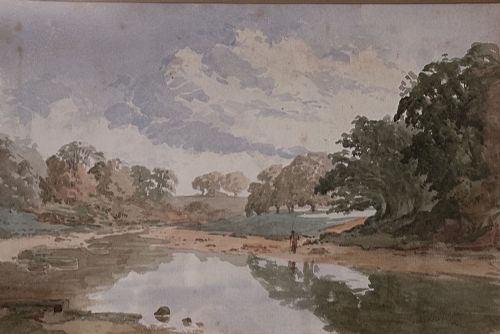
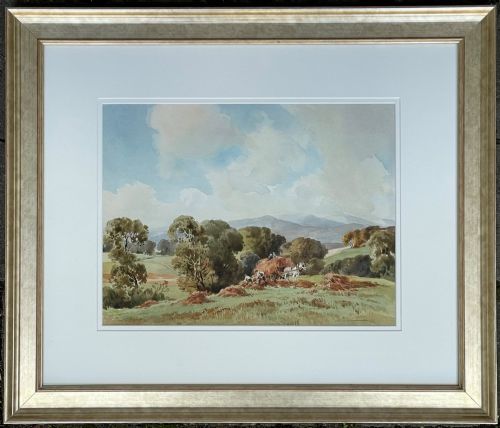
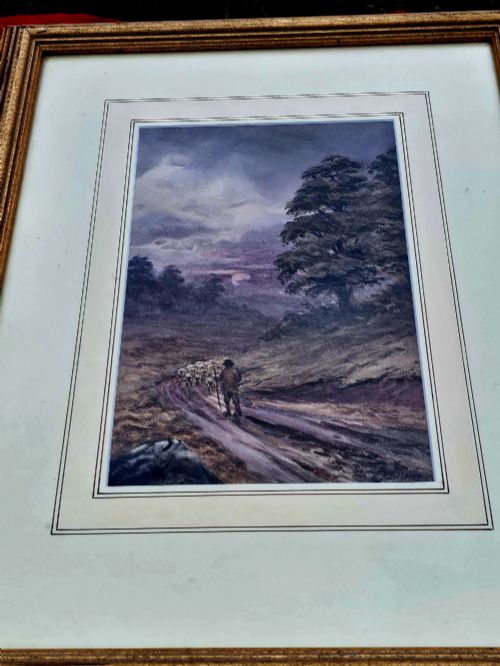
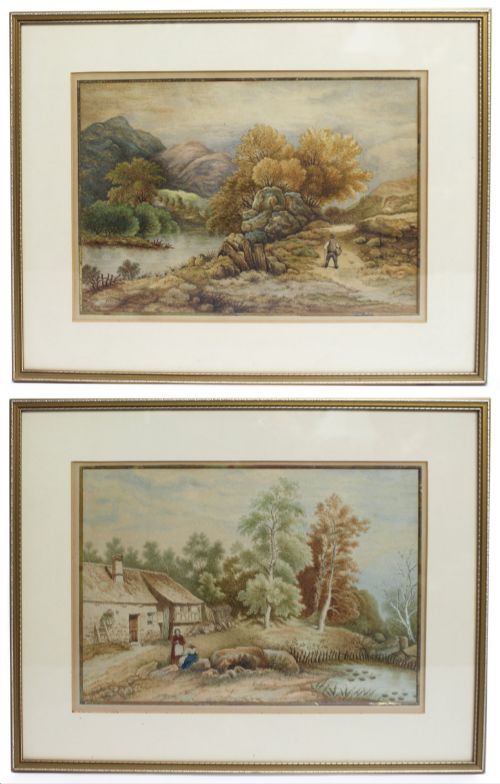
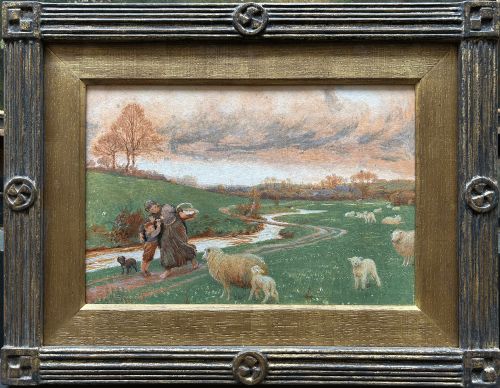
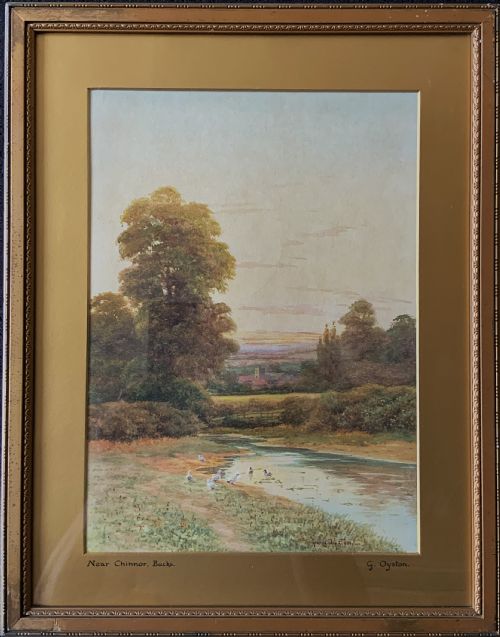
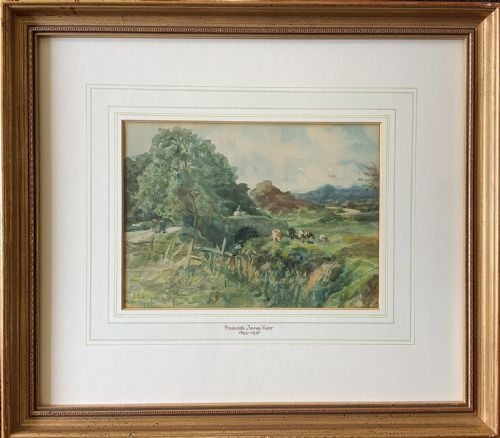
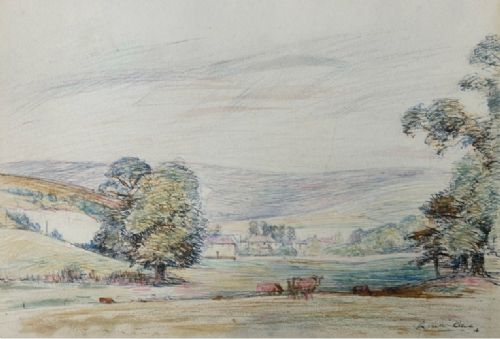
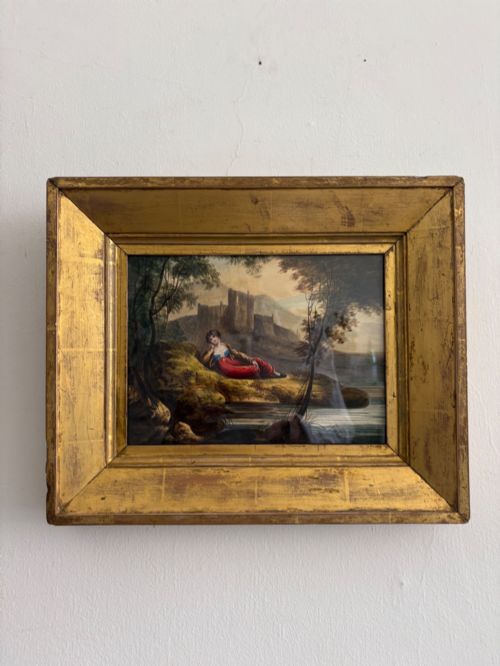
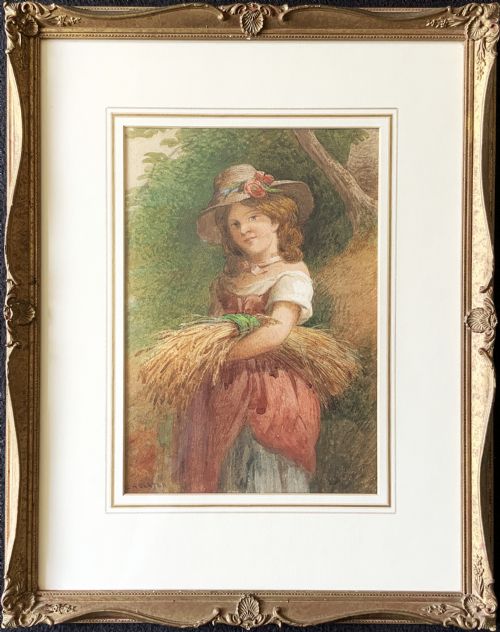
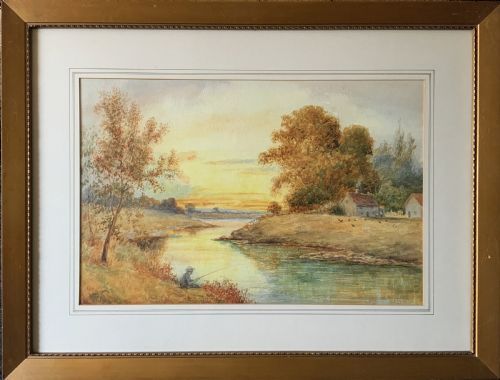
An antique pastoral watercolour painting depicts rural life, farming scenes, riverscapes, and English or Welsh landscapes created primarily during the Victorian and Edwardian eras. Buyers searching this phrase encounter framed works showing figures herding sheep, harvesting hay, or tending cattle near traditional cottages.
The selections on this page span from the mid-nineteenth century into the 1930s, featuring named artists of the British and Irish schools alongside accomplished traditional examples by unknown hands. Most pieces capture tranquil rural vistas framed in wood and glass, retaining their original paper supports.
Materials and technique
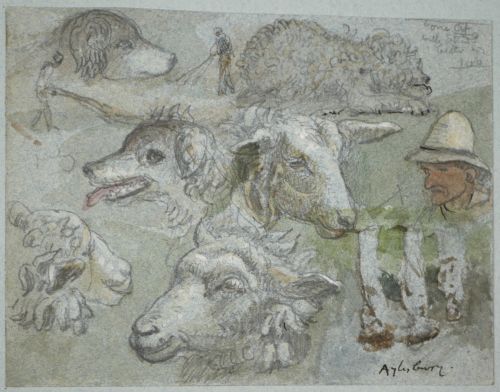
These works rely on watercolour pigment applied to paper sheets, sometimes utilising gum arabic to deepen tones or subtle touches of bodycolour to catch highlights. Artists typically worked en plein air or developed studio watercolours from preliminary sketches recorded in the British countryside.
Framing commonly incorporates wood mouldings, often enhanced with gold leaf or gilt finishes, protecting the delicate paper beneath glass. Backings frequently retain historic labels or inscriptions documenting locations from the Thames to Welsh river valleys.
Common materials recorded include watercolour pigment, paper, wood, and gold leaf, often assembled in period gilt frames.
Assessing quality
Quality rests upon the artist's handling of light, atmospheric depth, and the natural fluidity of the pigment across the paper surface. Superior works demonstrate confident brushwork that renders animal anatomy, human figures, and changing weather with striking immediacy.
Condition also governs standing, where sheets retaining their original vibrancy without heavy fading or foxing command greater appreciation. The sensitivity of the composition and the integrity of the period frame further distinguish the finest examples.
Percy Lancaster·James Smetham·George Oyston·Cornelius Pearson·Henry Charles Fox·Ernest Pile Bucknall·Robert Thorne Waite·Harold Lawes
The Antique Pastoral Watercolour Painting Glossary
- Watercolour
- A painting method where fine pigment is suspended in a water-soluble binder, traditionally applied to absorbent paper. It allows for translucent washes and delicate tonal gradations.
- Foxing
- Brown spots and discolouration that develop on antique paper over time due to chemical reactions in the pulp or exposure to humidity. Experienced collectors view minor foxing as a natural sign of age.
- Gilt wood
- Wood framing treated with a thin layer of gold leaf or metallic gilt preparation. It was widely utilised during the Victorian and Edwardian periods to enhance framed artwork.
- Bodycolour
- Watercolour pigment mixed with a white opaque base, such as chalk, to create solid highlights and opaque passages. Artists employed it to add density to clouds, water glints, or clothing.
- Plein air
- The practice of painting outdoors directly from nature to capture transient light and atmospheric conditions. Many nineteenth-century rural watercolours originated from direct observation in the fields.
Antique Pastoral Watercolour Painting: Frequently Asked Questions
Were these watercolours always framed?
Most watercolours entered private homes framed in wood, often with gilt ornamentation suited to Victorian and Edwardian interiors. Original frames provide valuable context about how past owners displayed the art.
Some pieces retain period makers' stamps or framing labels on the reverse that help trace their history. Replacing a damaged historic frame requires care to maintain the period aesthetic of the piece.
What subjects define pastoral watercolours?
These paintings focus on rural scenes including harvesting, herding sheep, cattle watering, and thatched cottages beside rivers. They reflect a nineteenth-century fascination with traditional farming life and the British countryside.
Artists frequently recorded specific rural locations across England, Wales, and the Thames Valley. The figures and animals serve to animate the landscape rather than act as formal portraits.
How can I tell a Victorian from an Edwardian piece?
Victorian watercolours often display detailed, highly finished brushwork influenced by the Pre-Raphaelite movement or traditional academic standards. They frequently favour dramatic lighting, stormy skies, or richly narrative rural scenes.
Edwardian and later works tend toward looser impressionist brushstrokes and lighter palettes capturing open air and domestic farming tasks. Comparing the costume of the figures and the framing style also helps narrow the date.