
Historical Gentleman Portrait
When you search for a historical gentleman portrait, you discover centuries of painted likenesses capturing notable sitters in oil and watercolour.
Historical Gentleman Portrait
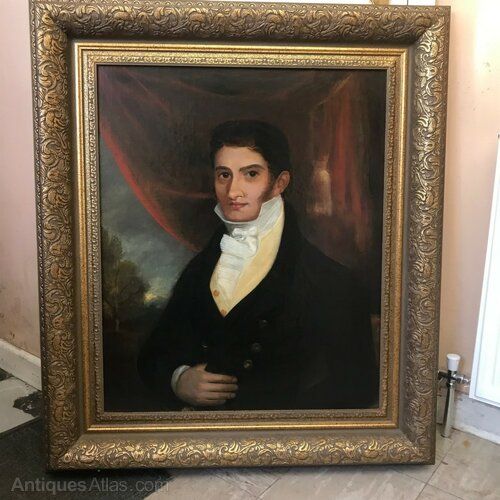
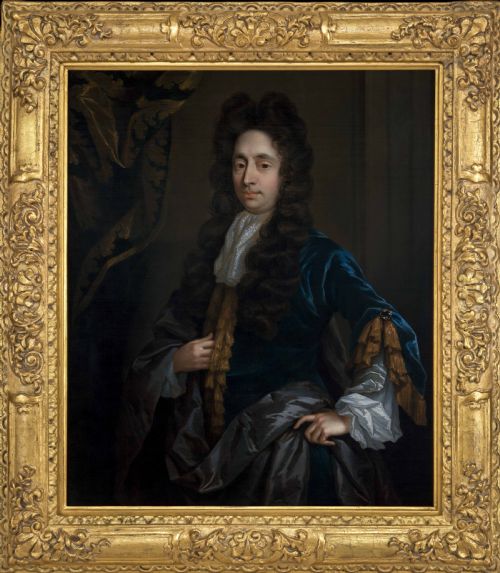
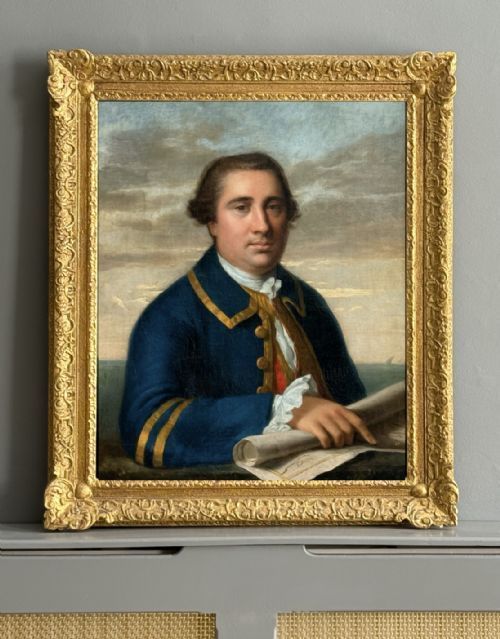
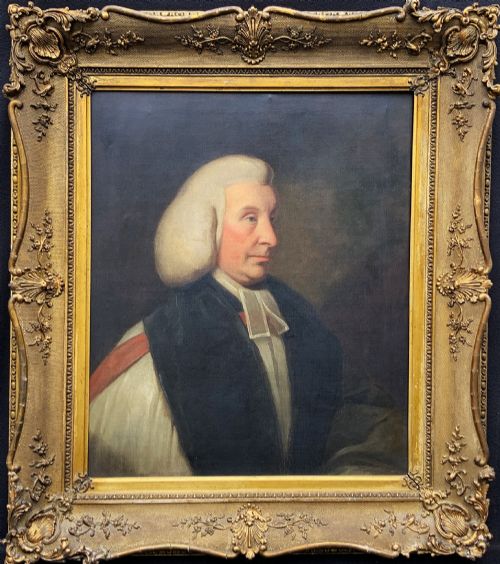
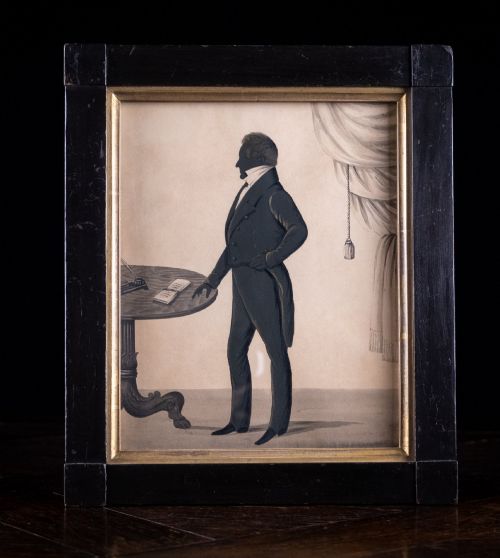
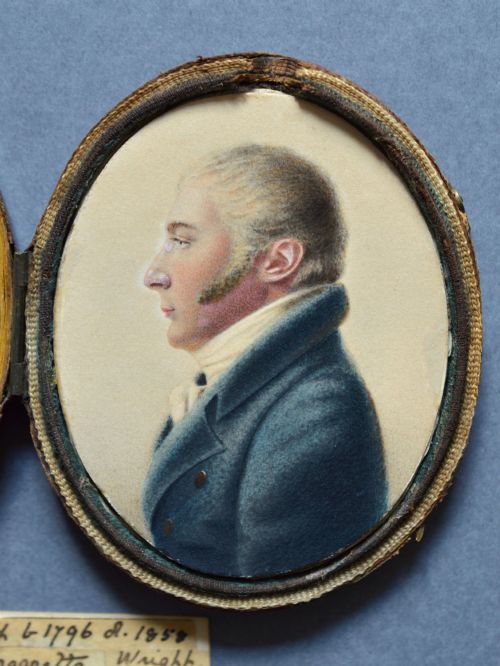
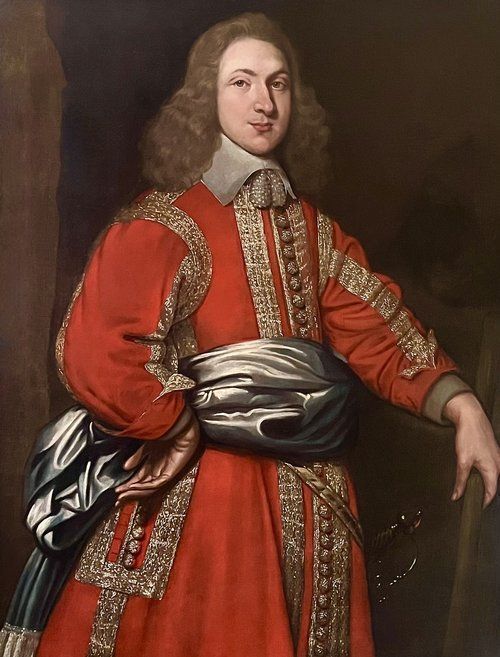
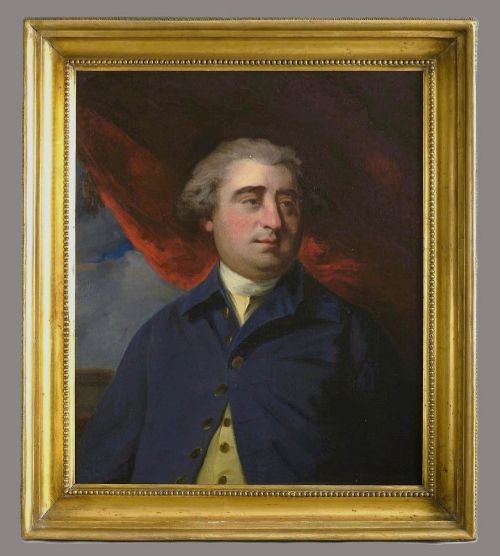
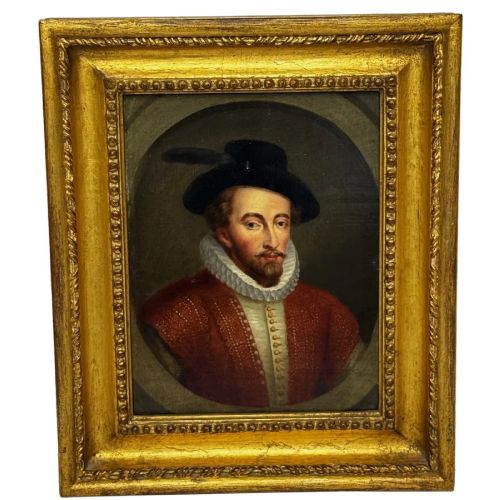
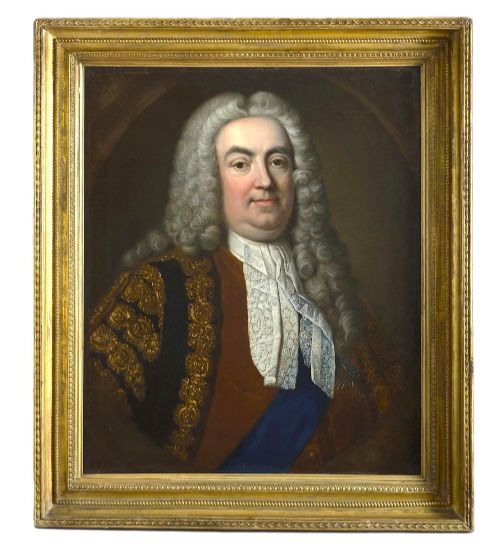
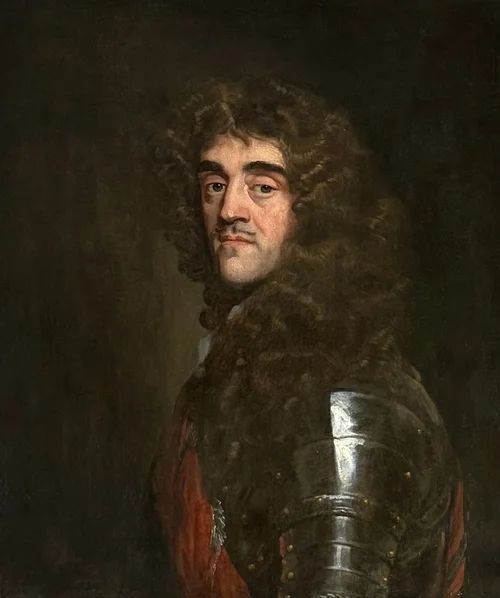
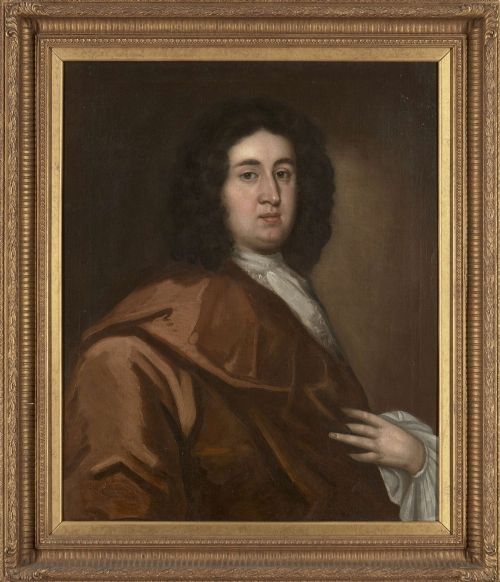
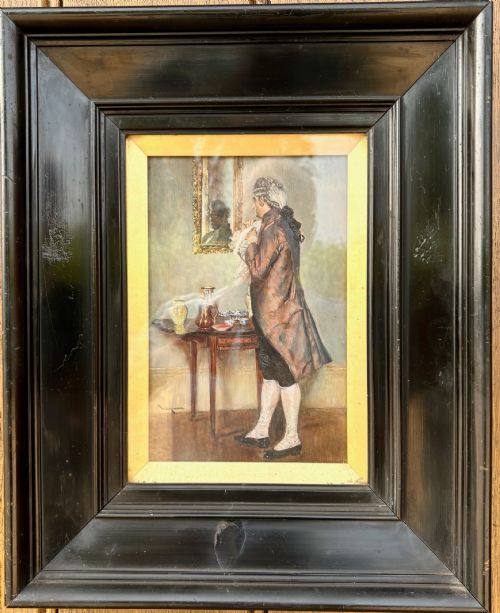
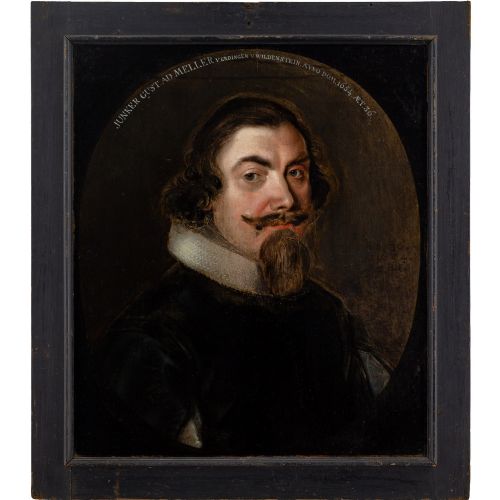
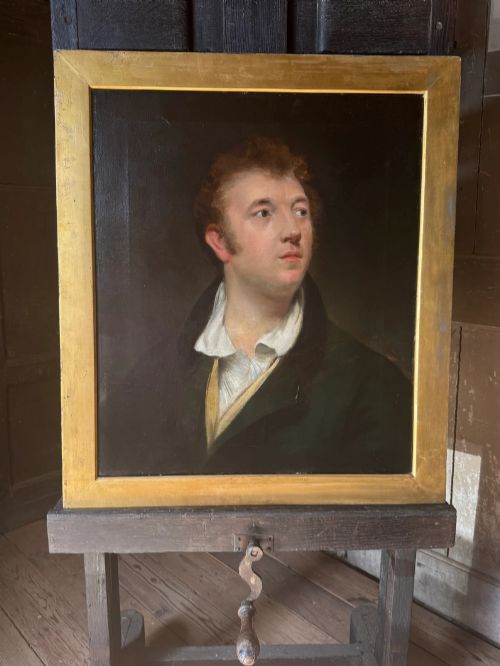
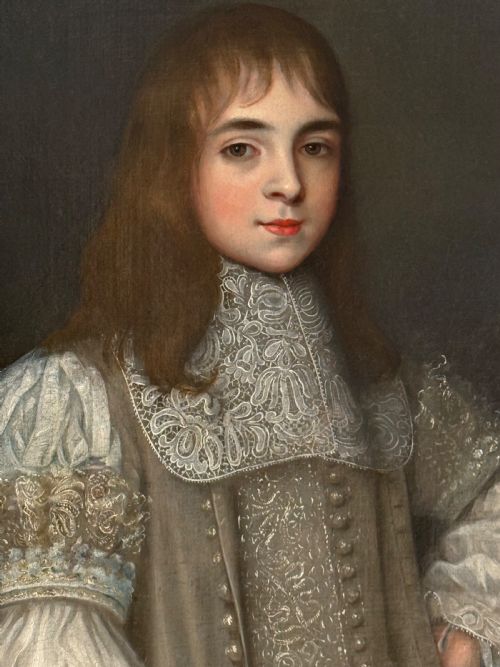
A historical gentleman portrait presents an oil painting or watercolour of a male subject, spanning periods from the seventeenth century through to the twentieth century. These works depict military officers, merchants, clergy, and aristocrats rendered in styles such as Georgian, Regency, Baroque, and Victorian.
The most common formats on this page include oil on canvas paintings and framed works on paper, alongside portrait miniatures and silhouettes. Subjects often wear period attire such as blue coats, red coats, armour, or elaborate historical garments.
Many items derive from named British, German, and Danish schools or studios, reflecting regional portraiture traditions across Europe.
Judging Quality
The preservation of the original canvas, minimal intervention from later restoration, and the presence of period-appropriate frames significantly influence the standing of an individual piece.
One historical gentleman managed to stare out from his canvas while wearing an exceptionally flamboyant red sash.
Constantyn Netscher·Lemuel Francis Abbott·Sir Joshua Reynolds·Jean Baptiste Van Loo·John Greenhill·John Closterman·John Michael Wright·George Watson·Harold Knight·John Hamilton Mortimer
The Historical Gentleman Portrait Glossary
- Oil on Canvas
- Pigments bound in a drying oil medium applied to a stretched fabric support. This surface became standard for professional portraiture from the seventeenth century onwards.
- Portrait Miniature
- A small-scale painted likeness created on materials such as vellum, card, or metal. These intimate works were often housed in protective folding cases or stands.
- Silhouette
- A portrait profile cut from dark paper or painted in solid black, popular during the Regency period. Gilded highlights were occasionally added to enhance costume details.
- Baroque
- An artistic style characterised by dramatic lighting, deep shadows, and rich drapery. Portraits from this era emphasise movement and theatrical presence.
- Regency
- A period spanning the early nineteenth century known for refined classical elegance in portraiture and decorative arts.
Historical Gentleman Portrait: Frequently Asked Questions
What periods do these portraits cover?
The selection spans several centuries, with a strong representation of seventeenth, eighteenth, and nineteenth-century works.
Pieces range from seventeenth-century military officers in armour to Victorian watercolour studies.
How were these portraits originally displayed?
Many oil paintings were commissioned by families to hang in country houses, libraries, and institutional halls as statements of lineage and status.
Smaller miniatures and silhouettes were often kept in private chambers or carried as personal tokens.
How do I identify the sitter's profession?
Clues appear in the clothing and surrounding objects, such as uniforms indicating military service, clerical bands for the church, or books and instruments for scholars and engineers.
Inscriptions on the reverse or accompanying documentation sometimes name the individual directly.
Are these works original or copies?
The page includes original painted works from life alongside period studio productions and copies executed after established masters.
Attributions in the titles indicate whether a piece originates from a specific artist's hand or their wider circle and studio.