



Early American Painting
Early american painting brings together folk portraits, maritime scenes and primitive studies spanning several centuries of trans-atlantic visual culture.
Early American Painting
Early american painting encompasses works rendered in oil and watercolour, focusing heavily on portraits and maritime subjects. The examples appearing here stretch from anonymous folk pieces to specific school works.
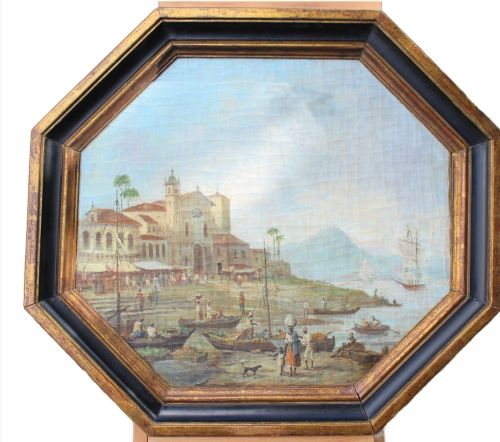
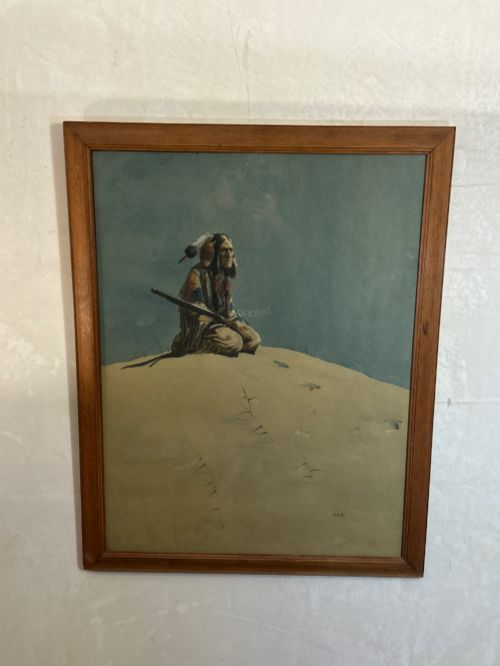
The material record on this page contains nineteenth-century canvases and portraits alongside works from the Edwardian era. Buyers encounter maritime realisms and primitive studies that capture historical trade and portraiture traditions.
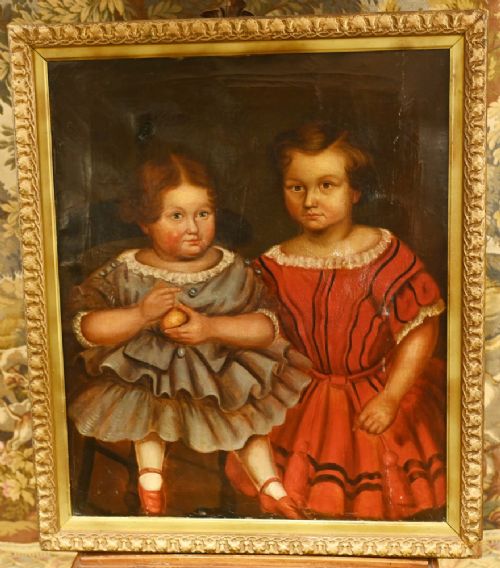
Portraits of children and ladies dominate the surviving pictorial output, often created by regional practitioners without academic training. These works sit alongside broader transatlantic visual material, including Brazilian school paintings and framed artwork.
Materials and construction
Painters utilised canvas, paper and timber panels as supports, applying oil and watercolour pigments by hand. Many canvases remain set within period wooden frames appropriate to their creation date.
The handling of paint ranges from flat primitive applications to detailed maritime realism. Pigments rest directly on prepared grounds, sealed behind glass in certain framed formats.
Listings on this site feature oil and watercolour works supported by canvas, paper, wood, glass and timber across the nineteenth and twentieth centuries.
Assessing quality and execution
The strength of a primitive portrait lies in the directness of expression and the handling of line rather than academic proportion. Works attributed to named artists or specific schools often show greater control over perspective and pigment depth.
Condition of the pigment and the originality of the frame heavily influence the standing of a piece. Surviving surfaces untouched by modern restoration retain the character valued by collectors.
John Hassall·Sidney Riesenberg·Robert Veentliet
The Early American Painting Glossary
- American Folk Art
- Artistic production created by self-taught or craft-trained makers, often displaying flat perspective and bold use of colour. This style defines many portrait and primitive works from the nineteenth century.
- Maritime Realism
- A genre focused on accurate depictions of ships, seascapes and naval engagements. These works record historical vessels and maritime operations with careful attention to rigging and water conditions.
- Oil Painting
- Pigment mixed with a drying oil binder, applied to canvas or wood panels. This medium allows for rich colour blending and durable surface textures across centuries.
- Watercolour
- A paint consisting of water-soluble pigments applied to paper supports. It produces translucent washes and delicate illustrative details.
- American School
- A designation applied to works originating from North American practitioners where the specific individual author remains unidentified. These paintings reflect regional stylistic traditions of their period.
Early American Painting: Frequently Asked Questions
What defines early american painting?
These works comprise oil paintings, watercolours and primitive portraits created by artists working within American traditions or schools. The subjects range from portraits of children and ladies to maritime engagements.
Most pieces date from the nineteenth and early twentieth centuries, reflecting the developing visual culture of the period. Makers varied from untrained folk artists to skilled illustrators.
How do I care for these paintings?
Keep works out of direct sunlight to prevent the fading of watercolours and oil pigments on canvas or paper. Maintain stable indoor humidity levels to protect wooden frames and painted surfaces.
Avoid using liquid cleaners on the paint surface. Dust frames gently with a dry, soft cloth.
Are these works signed by the artist?
Many early pieces, particularly folk art and primitive portraits, remain unsigned because their makers worked outside formal academic networks. Attribution relies on style, subject matter and historical context.
Later works from the Edwardian era and the early twentieth century are more likely to feature artist signatures or attributions to specific schools.
How are periods identified?
Dating relies on the materials used, framing techniques, costume details within portraits and the handling of the pigment. Nineteenth-century works often show distinct canvas preparations and frame construction.
Comparative analysis with documented pieces in archives helps narrow down the creation window when signatures are absent.