


Historical Figure Portrait Art
Historical figure portrait art brings past rulers, writers and notable subjects into focus through centuries of paint, ink and pencil.
Historical Figure Portrait Art
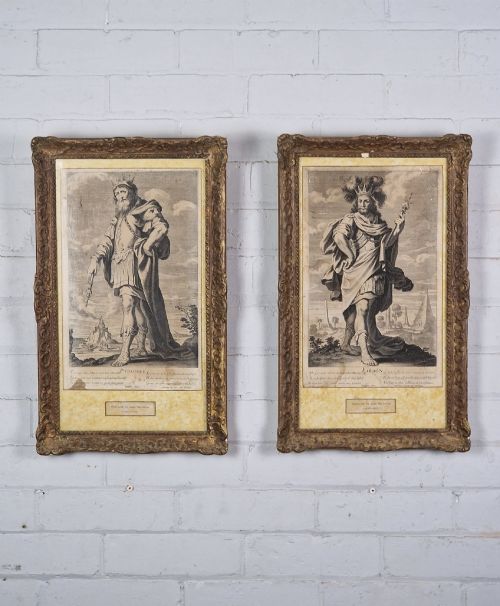
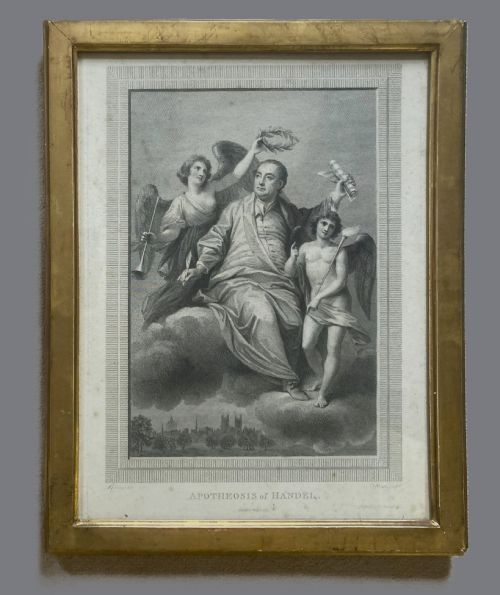
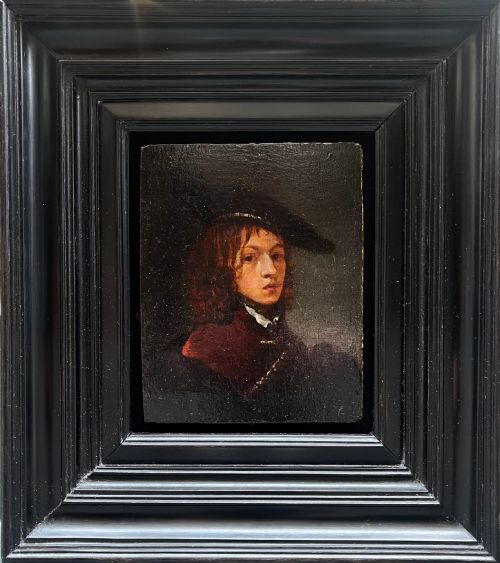
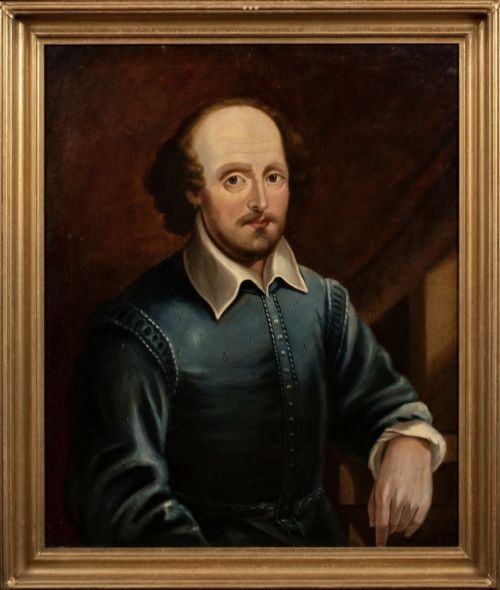
Historical figure portrait art captures recognizable identities from centuries past, ranging from monarchs and statesmen to literary figures and artists. These works bridge portraiture and history, recording the likeness and status of notable individuals through painted canvases, detailed engravings and delicate watercolours.
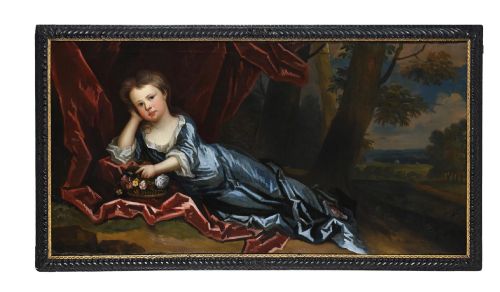
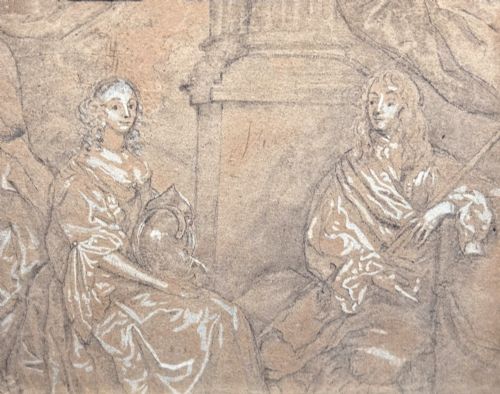
The selections span from the seventeenth century through to the mid-twentieth century, with strong representation from the Georgian and Victorian periods. Buyers encounter oil paintings, framed prints and pencil sketches depicting specific historical personages, often rendered after earlier masters or painted from life.
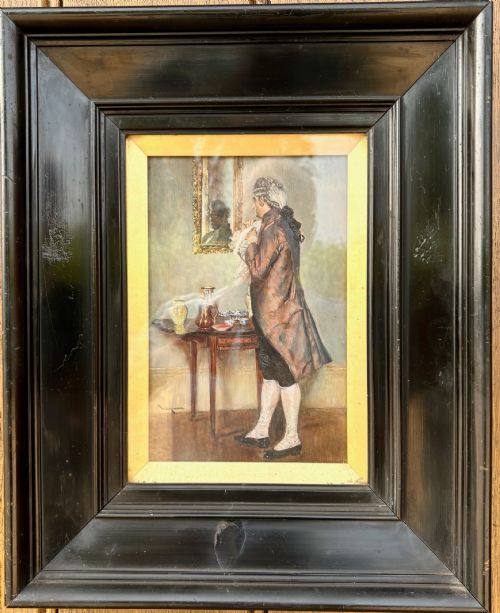
Many pieces connect directly to European schools, including Dutch, French and British traditions, alongside representations of American revolutionaries and Indian royalty. These portrayals utilise conventional portrait formats, showing subjects as half-length figures, in elaborate costume or within genre settings.
Materials and Technique
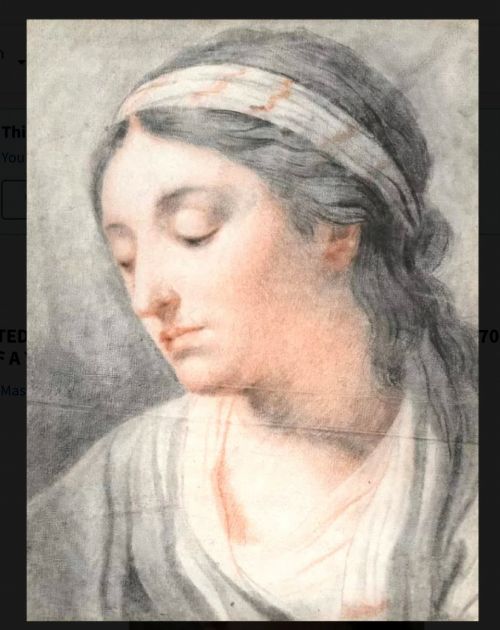
Support materials range from stretched canvas and heavy wood panels to fine paper sheets, frequently housed within period wooden frames, occasionally accented with gilt mouldings or carved details. Ink and wash techniques appear in works on paper, capturing line and tone with direct precision.
The physical execution relies on traditional studio practices, from pupil copies of master compositions to direct observations recorded during the Regency and Victorian eras.
Oliver Cromwell appears here rendered in a chunky carved wood format, keeping steady watch over the centuries.
Quality and Execution
The relationship between the artist and the sitter influences the significance of the piece, with works by documented portraitists carrying distinct academic weight compared to anonymous studio copies. The preservation of the original surface, whether oil pigment or delicate watercolour on paper, determines the visual impact of the composition.
Jean Mariette·James Heath·Charles D’Agar·Thomas Spinks·Thomas Hicks·John Watkins Chapman·Rolinda Sharples·Willem Johannes Martens·Ramsay Richard Reinagle·Abraham Cooper·Sir Nathaniel Dance-Holland
The Historical Figure Portrait Art Glossary
- Engraving
- A printmaking technique where an artist cuts lines into a metal plate to hold ink. This method allowed detailed reproduction of historical portraits.
- Lithograph
- A planographic print method based on the repulsion of oil and water. Hand-coloured examples add watercolour washes to the printed lines.
- Genre scene
- A painting depicting aspects of everyday life. These works often include recognizable historical figures within narrative domestic settings.
- Wood carving
- A sculptural technique shaping timber into three-dimensional likenesses. Chunky wooden carvings present subjects with prominent relief.
- Portrait miniature
- A small, highly detailed painting on a compact support. These intimate works frequently depict political leaders or royalty.
Historical Figure Portrait Art: Frequently Asked Questions
What periods do these portraits cover?
The selections extend from the seventeenth century through the eighteenth and nineteenth centuries into the mid-twentieth century. Styles shift from Baroque and Dutch Golden Age traditions through Georgian Neoclassicism to Victorian and Regency aesthetics.
Earlier works often reflect court portraiture conventions, while later pieces embrace genre scenes and detailed watercolours.
How were these historical portraits displayed?
Many oil paintings and engravings were housed in period frames designed to complement domestic interiors or institutional spaces. Framed art pieces served both as personal tributes to statesmen and literary figures and as decorative elements in stately homes.
Works on paper, such as pencil sketches and watercolours, were protected behind glass to prevent environmental damage.
What is the difference between an oil painting and an engraving?
Oil paintings utilise pigments suspended in drying oil applied to canvas or board, offering rich colour depth and visible brush texture. Engravings are works on paper produced from inked metal plates, focusing on fine linear detail and tonal shading.
Engravings often served to disseminate the likenesses of royalty and dignitaries widely.