


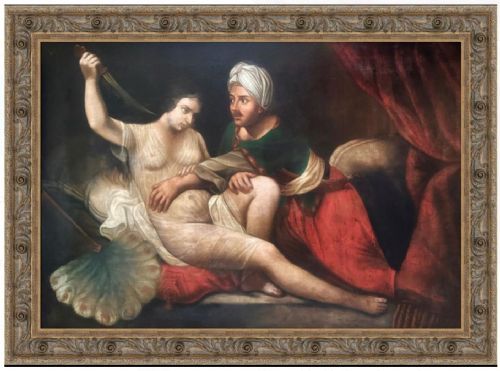
Historical Figure Painting
Historical figure painting captures real people and narrative moments across centuries on canvas, wood, and paper.
Historical Figure Painting
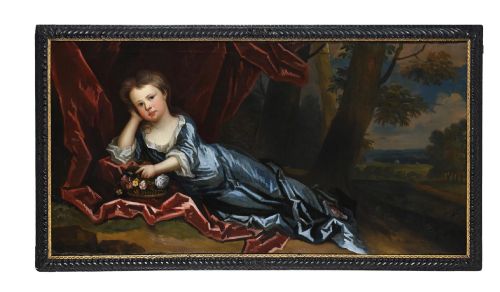
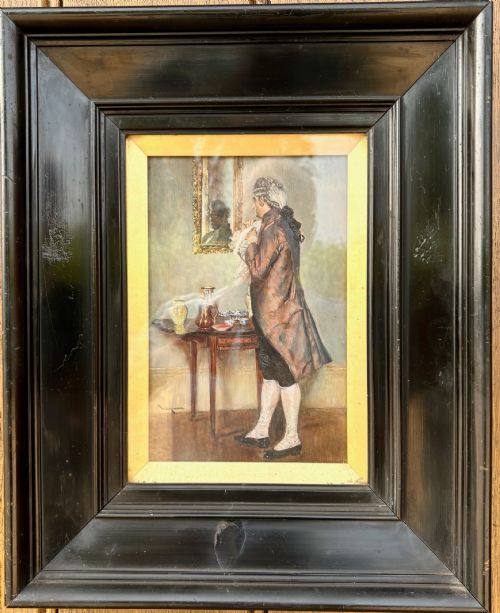
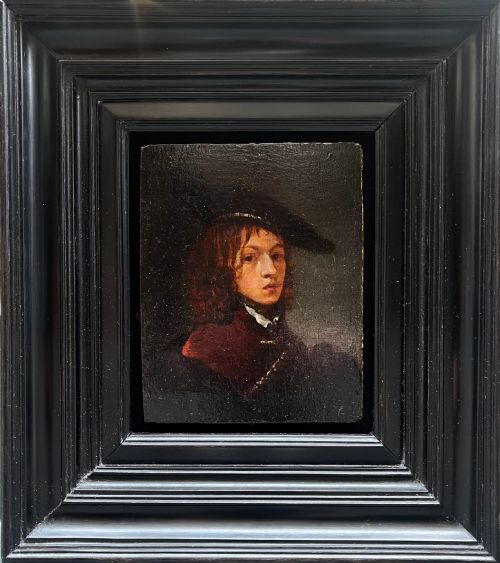
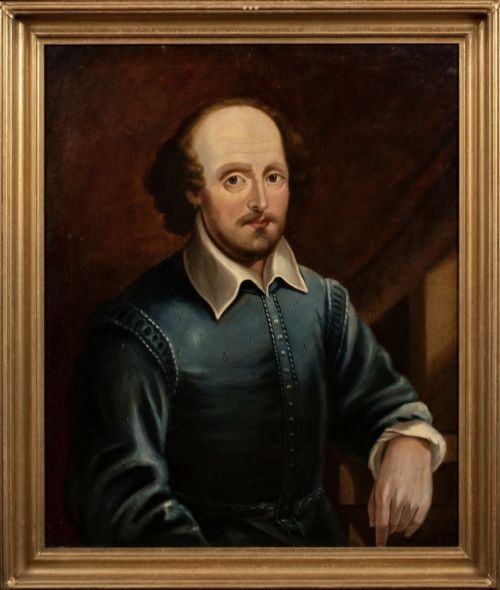
A historical figure painting depicts named individuals, literary subjects, or narrative genre scenes executed by artists working from the seventeenth century onward. You encounter oil on canvas works, watercolours, and portrait miniatures originating from British, Dutch, and Italian schools.
The subjects range from statesmen and military leaders to literary figures and theatrical characters rendered in styles spanning Baroque, Georgian, and Victorian periods. These works capture both specific biographical likenesses and imagined moments from historical drama.
Framed art and panels dominate the selection, alongside occasional portrait miniatures and portrait paintings on board. Each piece records the appearance and cultural memory of past eras through traditional media.
Materials and Technique
Artists built these compositions primarily using oil paint on canvas or wooden panel, applying layered pigments to achieve depth in drapery and flesh tones. Many works retain their original giltwood frames, which complement the scale and period of the painting.
Watercolour and pen and ink on paper appear frequently in portrait miniatures and smaller studies, requiring precise line work and delicate washes. Support materials range from stretched canvas to prepared board and paper.
Listings feature works spanning the seventeenth to the twentieth centuries, utilising oil, watercolour, and pen and ink.
Assessing Quality
Condition plays a part in evaluation, as untouched original surfaces and legible signatures distinguish works by recognised masters or their close followers from provincial copies.
Charles D’Agar·W.D. Almond·Thomas Spinks·Johann Hamza·Thomas Hicks·John Watkins Chapman·John A. Houston·Frank Moss Bennett·Hans Holbein·Rolinda Sharples·Mary Eley·Willem Johannes Martens·Ramsay Richard Reinagle·Jules Girardet·Abraham Cooper·John Partridge
The Historical Figure Painting Glossary
- Oil on Canvas
- Pigments bound in a drying oil applied to a woven fabric support. This technique allowed artists to achieve rich colour saturation and subtle tonal gradations.
- Giltwood
- Wood carved and coated with gold leaf or gold paint. Frames in this medium often indicate the period and status of the artwork they enclose.
- Portrait Miniature
- A small, highly detailed painting executed on vellum, card, or ivory. These intimate objects were frequently worn or kept in protective cases.
- Baroque
- An artistic style prevalent from the late sixteenth century to the early eighteenth century. It is characterised by dynamic movement and dramatic contrasts of light and shadow.
- Provenance
- The documented history of ownership of an object. Clear provenance helps verify the attribution and age of historical artworks.
Historical Figure Painting: Frequently Asked Questions
What is a historical figure painting?
A historical figure painting depicts a real person, such as a monarch, writer, or military commander, or illustrates a specific event from history or literature. These works serve as visual records of notable lives and dramatic narratives.
Artists across the seventeenth, eighteenth, and nineteenth centuries approached these subjects through portraiture, narrative genre scenes, and preparatory studies. The category spans grand oil paintings on canvas to intimate watercolours and miniatures.
How do I date a historical painting?
Dating relies on stylistic evidence, including the sitter's costume, hairstyle, and the framing conventions of the period. Pigment analysis and canvas preparation techniques also provide clues to the era of execution.
Signatures, inscriptions on the reverse, and exhibition labels frequently confirm the exact period. Comparing the brushwork and school to known comparative examples helps narrow down the timeframe.
Where should I hang a historical portrait?
Historical portraits suit traditional reception rooms, libraries, and hallways where their narrative character adds depth to the interior. Placing them away from direct sunlight protects the oil pigments and paper supports from fading.
Ensure the wall can support the weight of heavy giltwood frames. Pairing smaller works like portrait miniatures together creates a striking focal point in a compact space.
What is the difference between a portrait and a genre scene?
A portrait focuses primarily on recording the exact likeness and status of a specific individual or group. The subject usually engages directly with the viewer or poses formally.
A genre scene depicts everyday life or a historical narrative involving figures engaged in an action, such as playing cards or domestic rituals. These compositions prioritize storytelling and atmosphere over individual identity.