

Historical Artwork
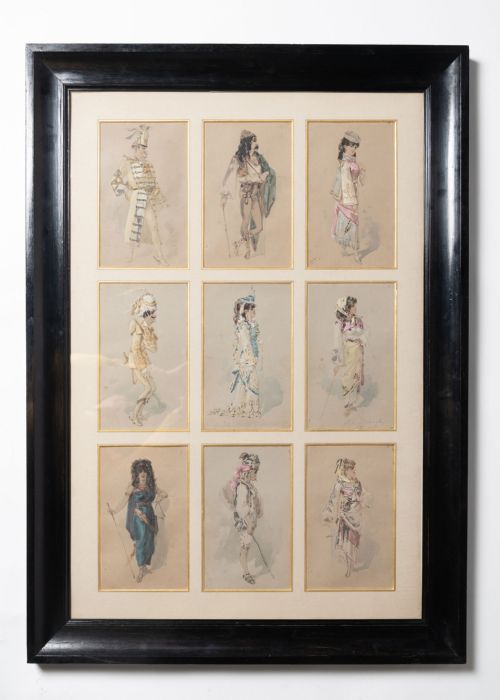
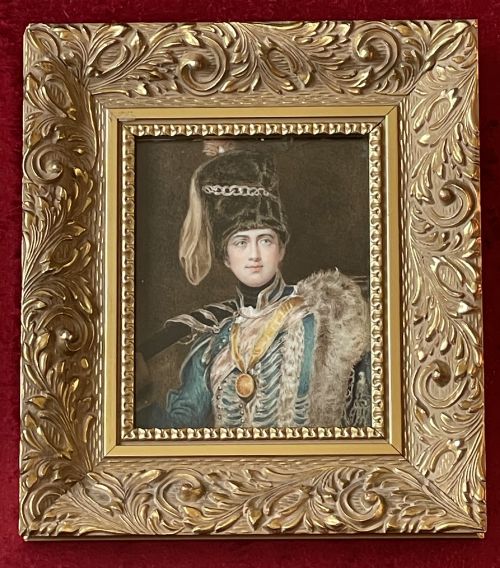
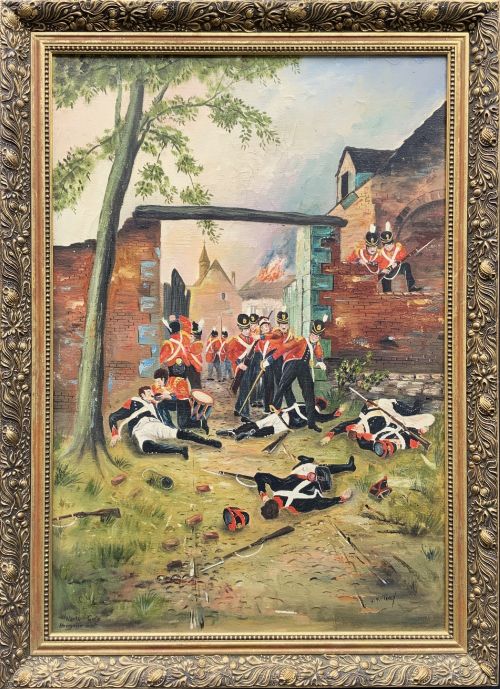
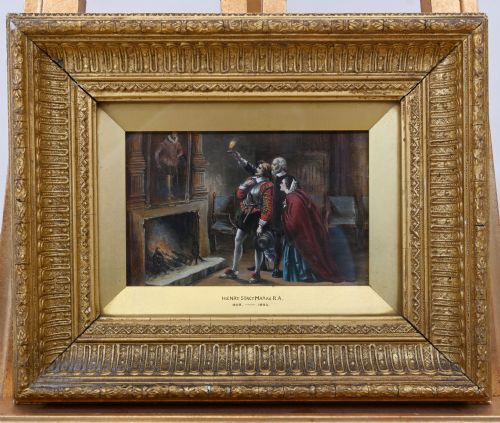
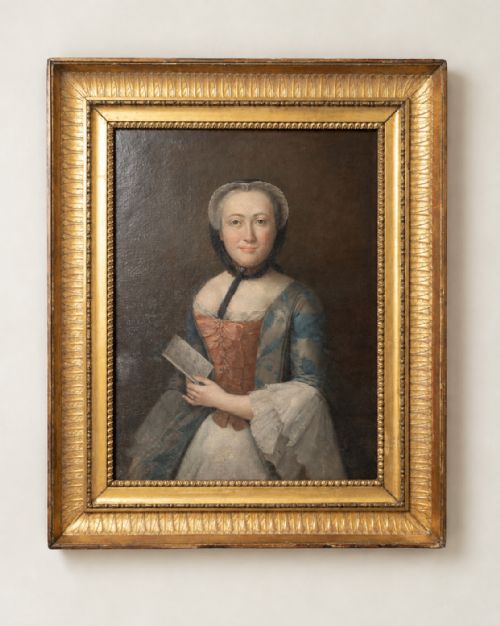
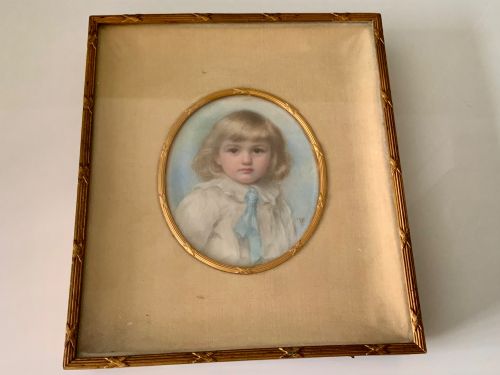
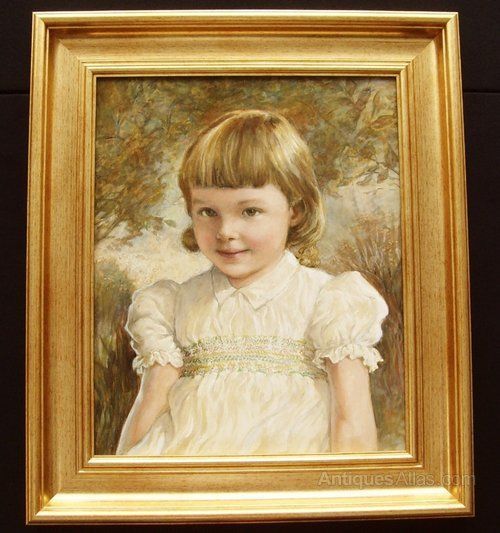
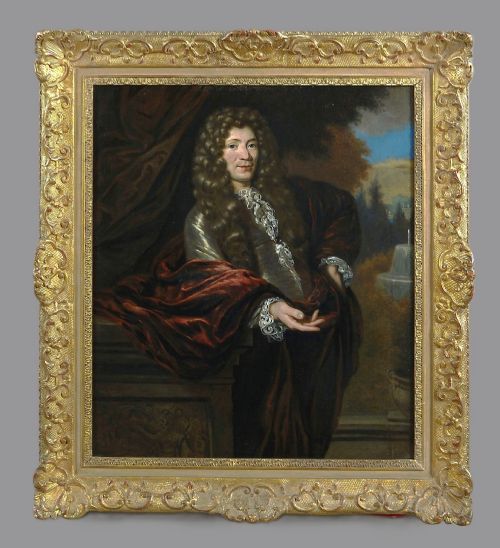
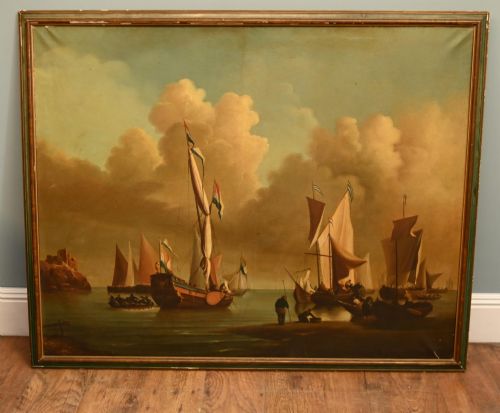
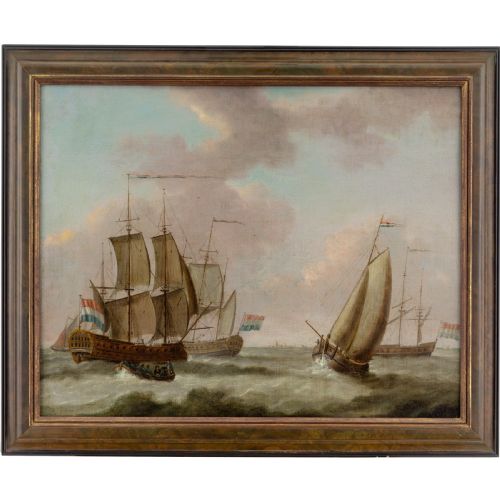
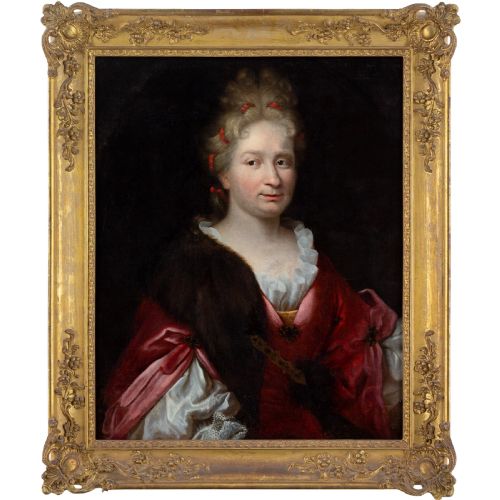
When you examine historical artwork, you engage with centuries of portraiture, maritime scenes and narrative compositions rendered in oil, watercolour and engraving.
Historical Artwork
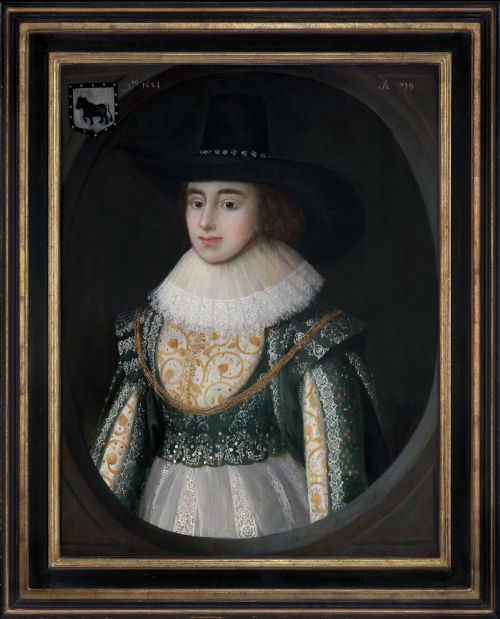
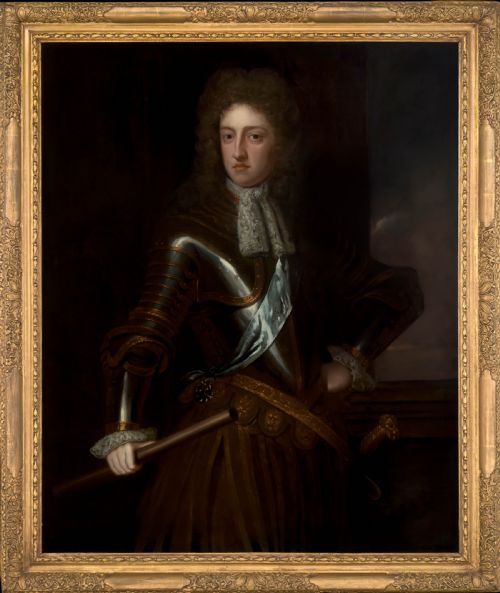
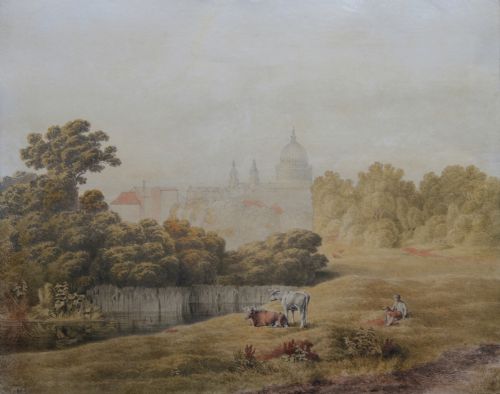
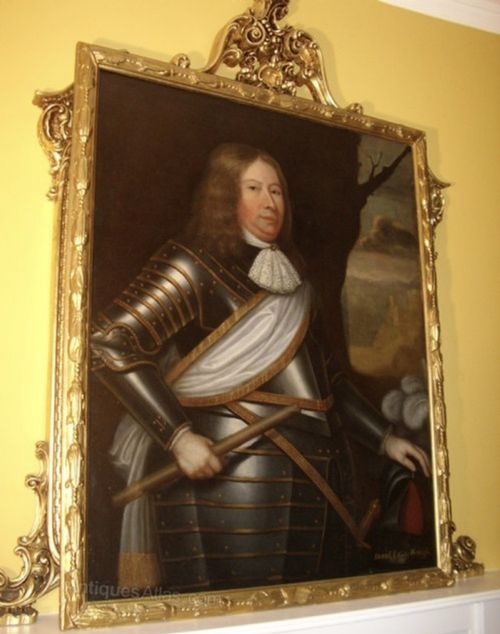
Historical artwork encompasses oil paintings, watercolours, engravings and pastels spanning the seventeenth, eighteenth and nineteenth centuries. These pieces record notable figures, naval battles, architectural interiors and domestic scenes through traditional European schools.
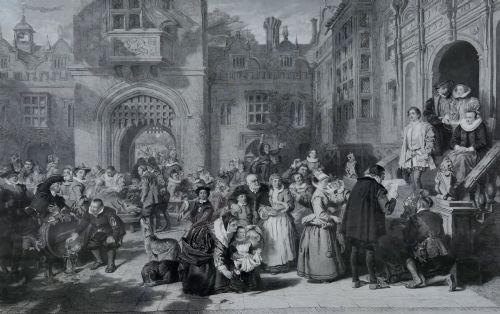
The pieces on this page lean heavily towards British and continental portraiture alongside maritime and military subjects. Works range from seventeenth-century oil paintings on canvas and panel to eighteenth-century mezzotints and nineteenth-century watercolours.
Buyers encounter studio works, attributed pieces and original engravings housed in period frames such as giltwood and Hogarth moulds. The selection preserves the visual records of past centuries across varied mediums.
Materials and methods
Makers utilised oil paint applied to woven canvas or wooden panels, building rich tones through successive layers and glazes. Watercolours and pastels on paper captured finer, fugitive details often protected beneath glass.
Printmakers employed copper plates to produce engravings and mezzotints using ink on paper, yielding multiple impressions of intricate compositions. Frames were constructed from timber, carved and finished with giltwood or dark mouldings.
Historical Artwork Retail Price Guide 2026
Typical asking prices for historical artwork among the pieces listed under this phrase on Sellingantiques today, from the lower quarter to the upper quarter. They describe what is for sale here now, not the wider market.
Listings feature oil on canvas, paper, glass, giltwood, ink and oil paint across periods from the sixteenth century to the mid-twentieth century.
Evaluating quality
Quality rests in the handling of light, anatomical precision and the expressive rendering of fabrics such as intricate ruff collars or military coats. Studio output and follower pieces display varying degrees of confident brushwork compared to primary hand output.
The integrity of the original support, whether canvas, panel or paper, alongside the preservation of the surface pigment determines the visual strength of the piece. Period frames that match the age and origin of the artwork elevate the overall cohesion of the object.
Sir Godfrey Kneller·Lavinia Fontana·David Scougall·Cornelius Johnson·Robert Alexander Hillingford·Sir Joshua Reynolds·Jean Mariette·George Willison·Anthony Van Dyck·Jean Baptiste Van Loo
The Historical Artwork Glossary
- Mezzotint
- A printmaking process of the intaglio family where the copper plate is roughened to achieve rich dark tones and subtle tonal gradations. This technique was frequently utilised for reproducing oil paintings into popular prints.
- Giltwood
- Timber carved and coated with gold leaf, frequently used for traditional picture frames during the seventeenth and eighteenth centuries. It provides a reflective, ornate border that complements formal portraiture.
- Oil on panel
- A painting technique utilising pigments bound in drying oil spread across a prepared wooden board rather than canvas. This method was common in earlier centuries for stability and fine detail.
- Circle of
- A designation indicating that an artwork was produced by an unidentified artist working closely alongside a known master in the same studio environment. It reflects the stylistic influence of the primary hand.
Historical Artwork: Frequently Asked Questions
How do I care for antique oil paintings?
Keep paintings away from direct sunlight and fluctuating humidity to prevent the canvas or panel from warping. Dust the surface gently with a soft, dry brush without applying pressure.
Avoid using liquid cleaners or chemical solvents on the paint layer. Professional conservation is recommended for any deeper cleaning or repair.
What is the difference between an oil painting and a mezzotint?
An oil painting is a unique hand-painted work utilising pigmented oils on canvas or wood. A mezzotint is an engraved print pulled from a prepared metal plate.
Prints allowed popular portraits and scenes to be distributed more widely. Paintings remain singular objects created directly by the artist.
How do I identify the period of a frame?
Examine the construction methods, corner joints and types of gesso or gilding used on the wooden moulding. Period frames often show natural shrinkage cracks and wear consistent with age.
Matching the frame style to the date of the artwork helps determine if they have remained together historically. Hogarth and giltwood frames correspond to specific centuries.
Where should I hang historical artwork at home?
Select interior walls protected from damp conditions, direct heat sources and strong ultraviolet light. Hang pieces securely using appropriate hardware suited to the weight of the frame and the wall type.
Pairing historical portraits with traditional or neutral backgrounds allows the rich dark tones of the canvases to stand out.