

Historical Art Painting
A historical art painting brings centuries of portraiture and maritime scenes into a room through oil on canvas and wood panels.
Historical Art Painting
A historical art painting encompasses works from the sixteenth century through the nineteenth century, focusing heavily on portraiture and maritime subjects. Buyers seeking these works find likenesses of nobility, officers, and everyday subjects rendered in oil and watercolour.
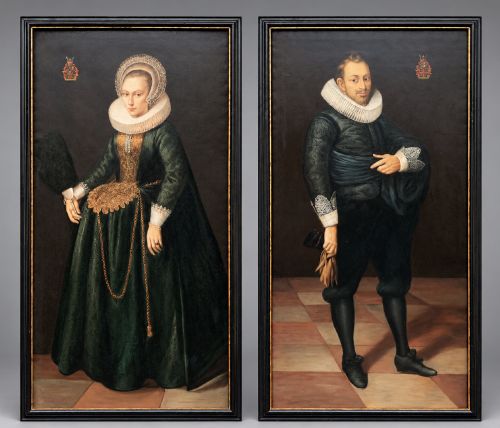
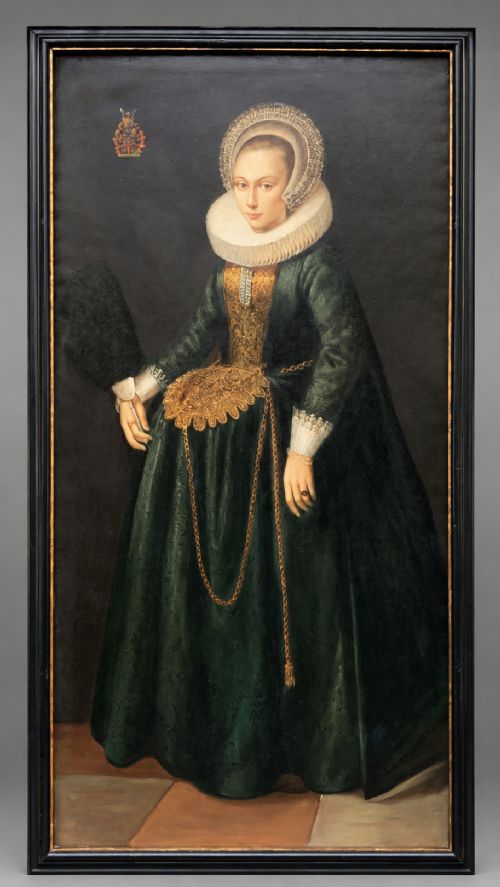
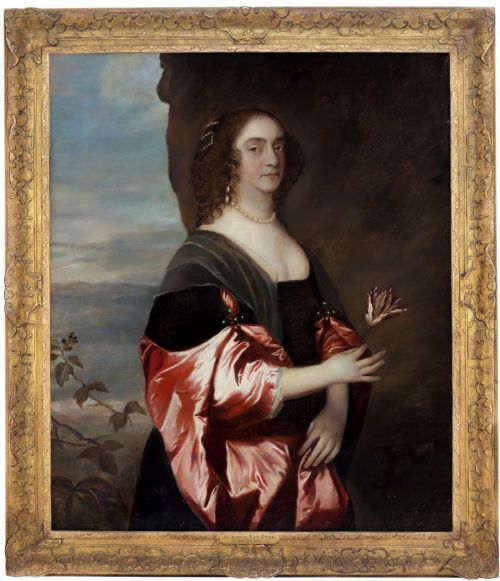
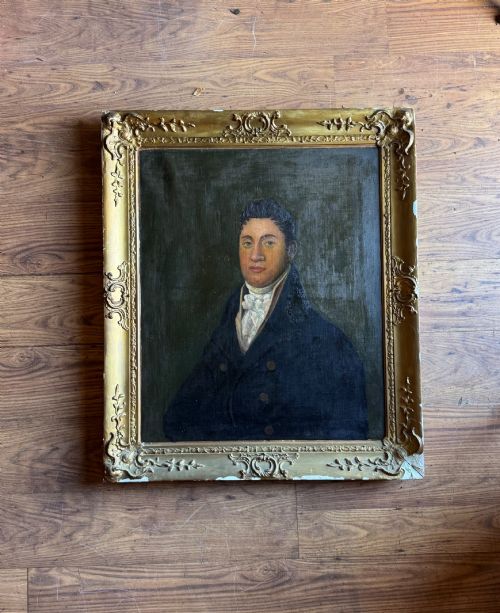
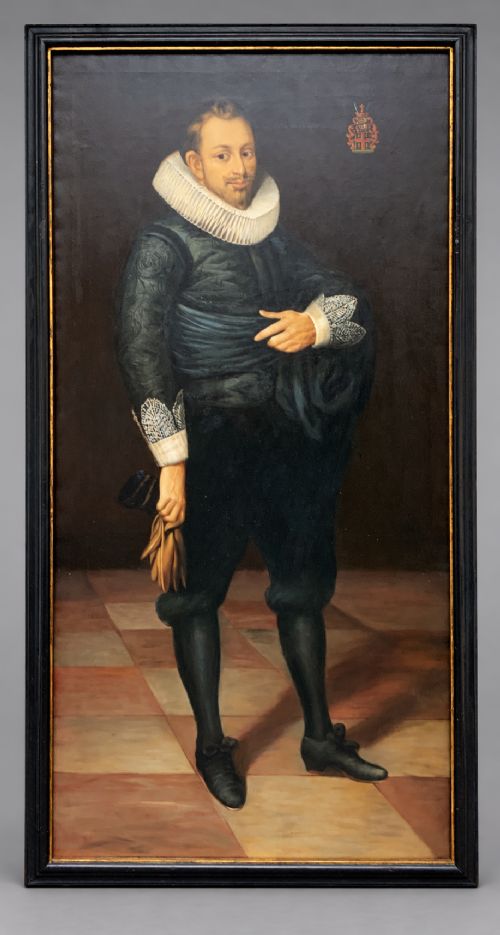
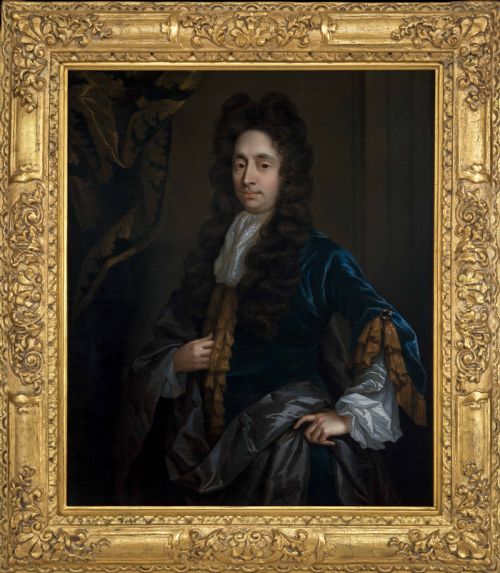
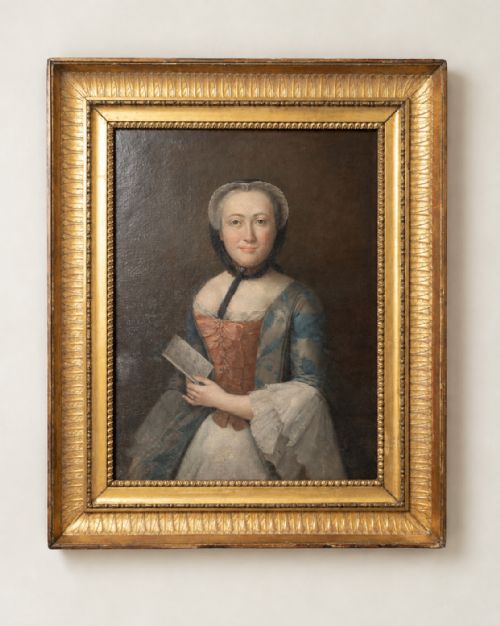
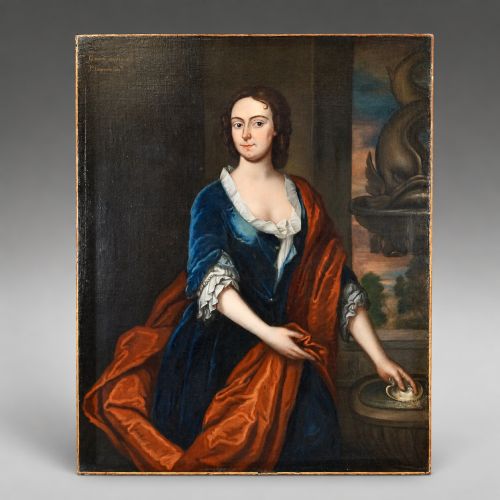
The pieces on this page lean towards seventeenth-century British and Dutch schools, alongside eighteenth-century Georgian works and nineteenth-century interpretations. Portraits dominate the selection, showing sitters in ruff collars, velvet coats, and satin sleeves.
Beyond individual and group portraits, the selection includes maritime scenes such as rolling seas and burning ships. These visual records capture historical figures and naval events from periods including the Baroque and Victorian eras.
Materials and Technique
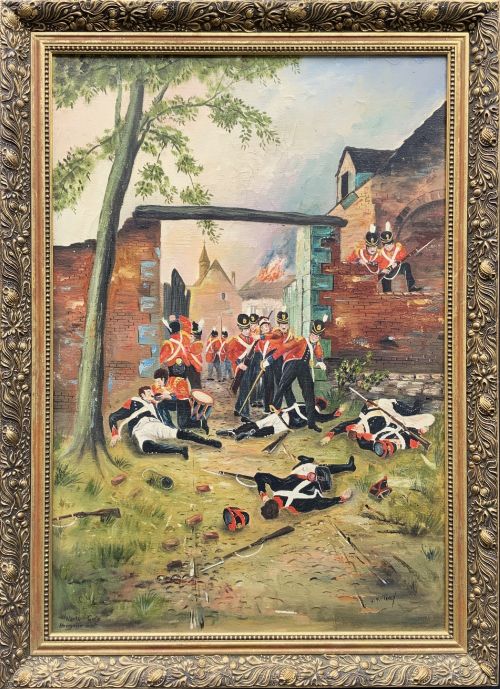
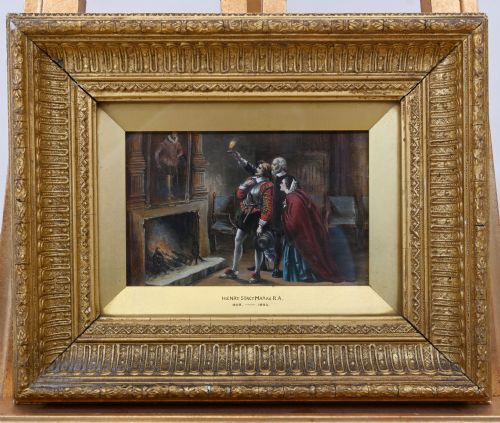
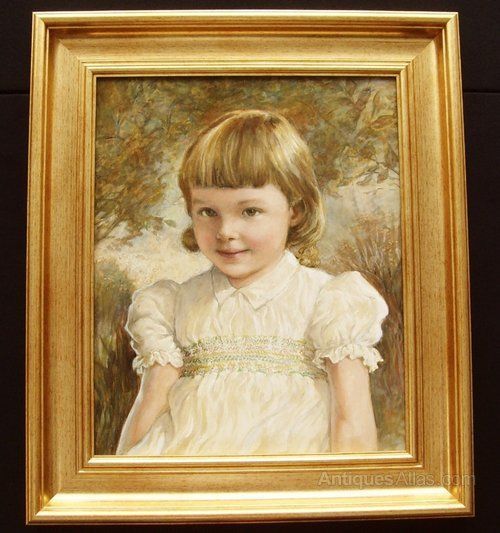
Artists painted primarily with oil paint on stretched canvas or wooden panels, utilising the slow-drying medium to build depth in skin tones and textiles. Giltwood frames often complement these canvases, adding carved and gilded borders.
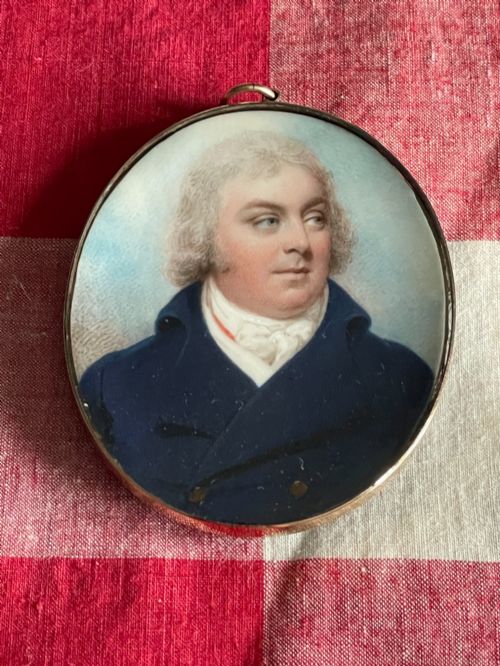
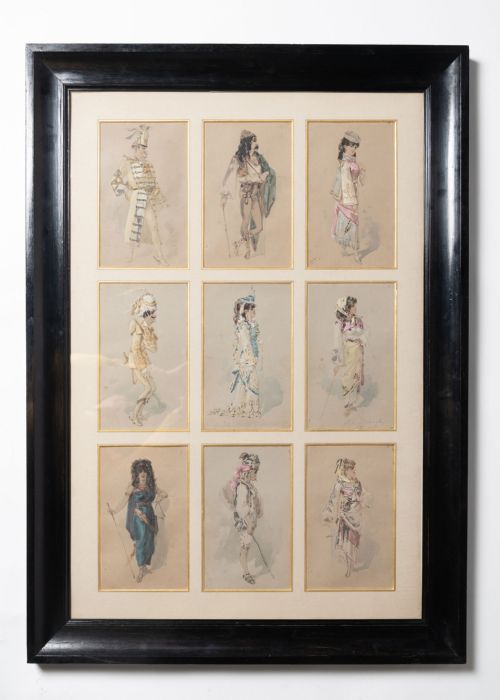
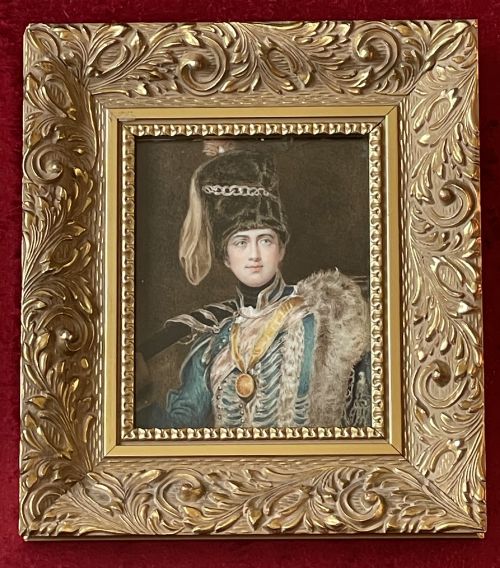
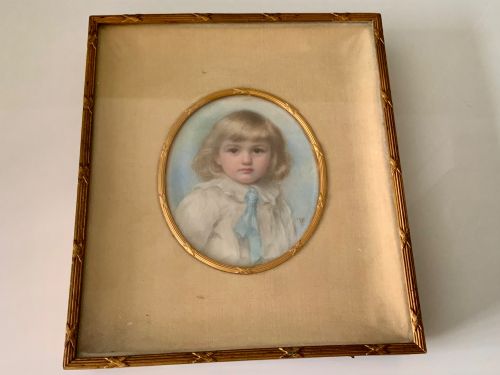
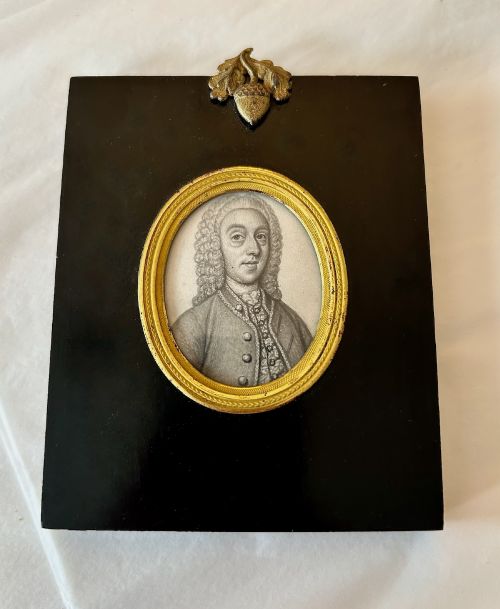
Watercolour and pastel also appear on paper for smaller-scale works such as portrait miniatures. Painters applied pigments with fine brushes to capture intricate details like lace collars, naval uniforms, and facial expressions.
Historical Art Painting Retail Price Guide 2026
Typical asking prices for historical art painting among the pieces listed under this phrase on Sellingantiques today, from the lower quarter to the upper quarter. They describe what is for sale here now, not the wider market.
Materials documented in the collection include oil paint, canvas, wood, giltwood, paper, and pastel.
Quality Variations
The capability of the hand behind the brush dictates the quality of a historical painting. Works originating directly from a master's studio display precise handling of light, shadow, and fabric texture compared to later followers or copies.
Preservation of the original paint surface and the stability of the canvas or wood panel affect the integrity of the piece. Works retaining their original giltwood frames and untouched pigment layers hold greater historical weight.
Sir Godfrey Kneller·Michael Dahl·Thomas Murray·Sir Peter Lely·Cornelius Johnson·Sir Joshua Reynolds·Jean Baptiste Van Loo
The Historical Art Painting Glossary
- Baroque
- A European style of art from the seventeenth and early eighteenth centuries characterised by drama, deep shadow, and rich detail. It heavily influenced portraiture and maritime painting during this era.
- Giltwood
- Wood that has been coated with a thin layer of gold leaf or gold paint. Frames made this way surround many period oil paintings.
- Oil on Canvas
- A technique where oil-based paints are applied to a woven fabric stretched across a wooden frame. This combination allows for durability and blended colour transitions.
- Portrait Miniature
- A small, highly detailed painting depicting a person, often created on paper, vellum, or card during the eighteenth and nineteenth centuries.
- Studio of
- A term indicating a work produced by assistants or pupils under the supervision of a master artist. These pieces reflect the style and methods of the primary painter.
Historical Art Painting: Frequently Asked Questions
How do I identify a seventeenth-century portrait?
Seventeenth-century portraits typically feature distinct clothing such as lace ruff collars, stiff doublets, and satin sleeves. The rendering of light often follows Baroque conventions with dark backgrounds.
Artists from this era utilised oil on canvas or wood panels, and signatures or attribution notes often appear on the reverse or within the frame.
Where were maritime oil paintings displayed?
Maritime paintings depicting naval battles and rolling seas hung in the homes of naval officers, merchants, and state rooms. They served as records of maritime history and demonstrations of national power.
Today, these works suit studies, libraries, and living spaces with traditional decor.
What is a portrait miniature?
A portrait miniature is a small-scale painting executed with fine detail, often depicting a specific individual. Artists painted them on materials like paper or ivory for personal keepsake use.
These compact works allow collectors to display historical art in smaller residential spaces.
How should I care for an antique oil painting?
Antique oil paintings require stable room temperatures and protection from direct sunlight to prevent pigment degradation. Dusting should occur gently with a soft, dry brush without applying moisture or cleaning agents.
Keeping the canvas away from damp walls preserves both the paint layer and the wooden stretcher bars.