




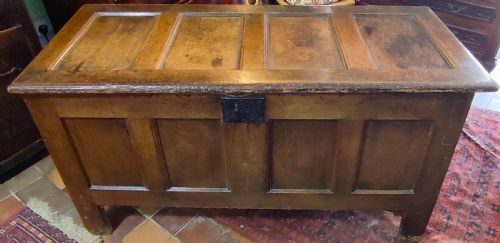


Historic Wooden Panel
A historic wooden panel brings centuries of architectural weight and tactile grain into a room, offering genuine historical presence through carved motifs and aged timber.
Historic Wooden Panel
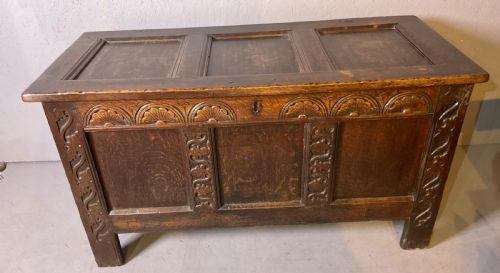
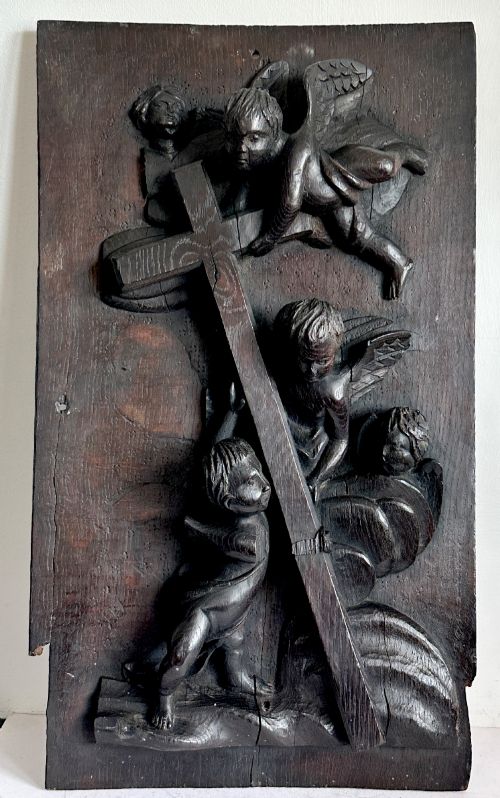
A historic wooden panel encompasses flat timber sections carved, framed, or salvaged from earlier interiors, church architecture, and substantial furniture pieces. When searching for a historic wooden panel, buyers encounter items ranging from standalone sixteenth and seventeenth-century carved sections to fragments integrated into larger storage forms or architectural elements.
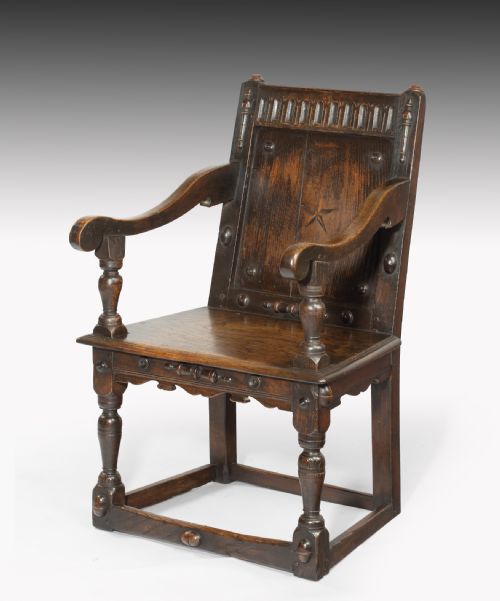
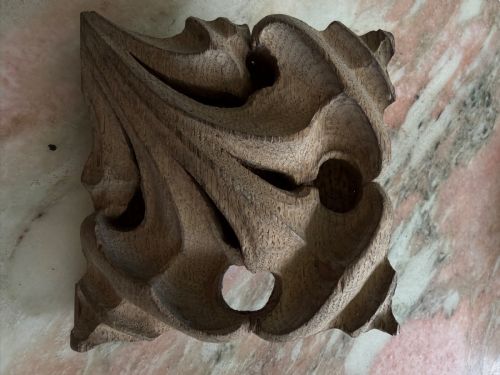
The selections available here span from the sixteenth century through the Victorian era, drawing on Jacobean, Baroque, and Gothic Revival design traditions. Alongside dedicated wall reliefs and ceiling bosses, many examples survive as structural components repurposed from coffers, armchairs, cupboards, and four-poster beds.
Oak dominates the physical record, frequently paired with fruitwood inlay or complemented by walnut and iron. These woods carry the marks of early joinery, presenting surface patinas developed across centuries of domestic and institutional use.
Materials and construction methods
Makers relied primarily on native oak, chosen for its durability and suitability for heavy framing and deep relief carving. Artisans worked the timber using hand tools, producing pegged joints, panel-and-frame construction, and crisp chisel work for figurative and botanical motifs.
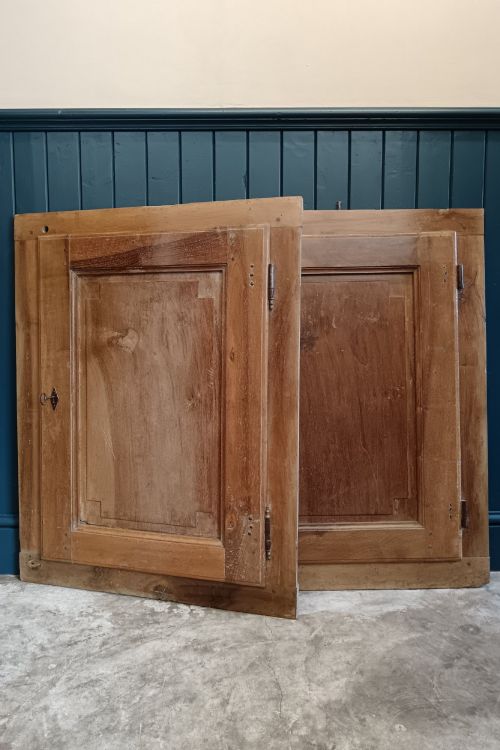
Secondary materials such as fruitwood introduced contrasting tones for detailed inlay work, while walnut appeared in continental cupboard doors and frames. Iron hardware, leather, and paper occasionally accompany these wooden elements, reflecting the mixed media of early furniture and architectural salvage.
Historic Wooden Panel Retail Price Guide 2026
Typical asking prices for historic wooden panel among the pieces listed under this phrase on Sellingantiques today, from the lower quarter to the upper quarter. They describe what is for sale here now, not the wider market.
Stylistic influences represented in the current selection range from early Jacobean and Baroque to later Gothic Revival interpretations.
Distinctions in execution and survival
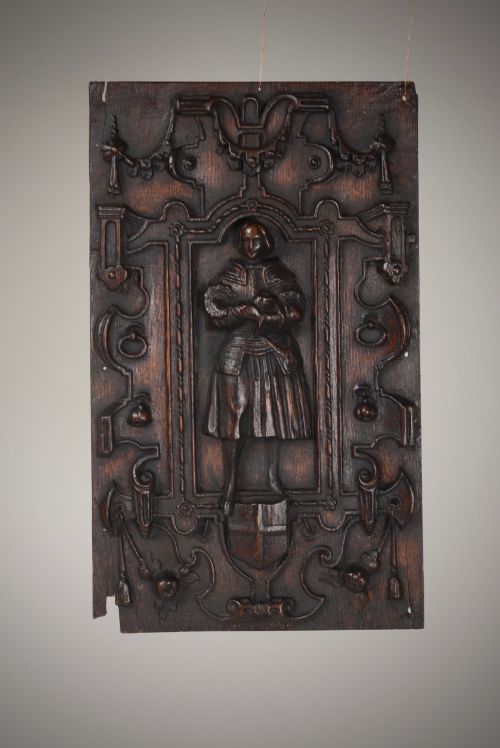
The degree of crispness in the hand-carved relief work separates standard utilitarian carpentry from master joinery. Depth of perspective, confident rendering of figures like Joan of Arc or caryatids, and balanced proportions distinguish finer panels from simpler regional output.
Surface preservation dictates the visual impact of each piece. Original untouched patinas and legible tooling marks hold greater interest than heavily restored or aggressively cleaned timber surfaces.
The Historic Wooden Panel Glossary
- Jacobean
- A style prevalent during the early seventeenth century characterised by rigid symmetry, geometric moulding, and strapwork carving. It frequently appears on oak coffers and wainscot chairs.
- Wainscot
- A term describing sturdy oak construction used for armchairs and wall linings, denoting heavy frame-and-panel assembly. These pieces often feature high panelled backs and turned supports.
- Coffer
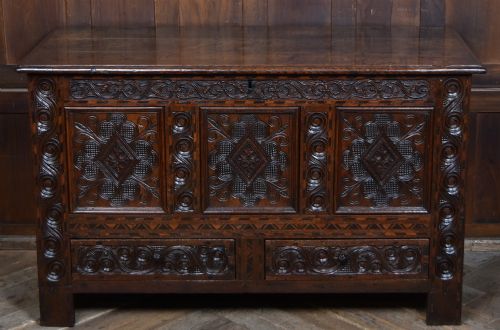
- A large rectangular chest constructed for secure storage, typically joined with heavy oak planks and pegged framing. They serve as primary examples of early domestic furniture.
- Boss
- A projecting block of carved wood, often circular, positioned at the intersection of ceiling ribs or architectural beams. Foliate designs and naturalistic leaves frequently decorate these elements.
- Caryatid
- A sculpted architectural support taking the form of a female figure, utilised in classical and revival architecture. They appear supporting cornices or framing significant furniture pieces.
Historic Wooden Panel: Frequently Asked Questions
How are historic wooden panels mounted?
These panels are typically hung using secure concealed metal brackets or specialised wooden battens designed to support the weight of dense aged oak without damaging the original frame. Care must be taken to anchor the fixings into solid wall studs or masonry.
Because antique timber expands and contracts with ambient humidity, mounting systems should allow the wood to move slightly without placing stress on ancient peg joints or brittle carved elements.
What periods do these pieces date from?
The available selection spans from the sixteenth century through the nineteenth century, encompassing Elizabethan, Jacobean, Georgian, and Victorian revivals. Early pieces show sixteenth and seventeenth-century structural joinery techniques.
Later items often incorporate antique architectural salvage within nineteenth-century frameworks or reflect Gothic Revival interpretations of earlier stylistic motifs.
How do I maintain aged oak panels?
Maintain a stable indoor environment away from direct heat sources, radiators, and strong sunlight to prevent the timber from splitting or warping. Dust gently with a dry, soft cloth.
Avoid modern liquid polishes or silicone sprays, which can build up and degrade the historic wax patina. An occasional application of traditional beeswax helps nourish dry timber.
Are these panels from buildings or furniture?
They originate from both architectural settings and domestic furnishings. Some items are wall reliefs and ceiling bosses salvaged directly from historic buildings, while others formed the structural doors or sides of coffers, court cupboards, and four-poster beds.
Examining the edges and reverse sides often reveals rebate grooves, peg holes, or mounting marks that indicate their original functional context.