

Historic Oil Canvas
Historic oil canvas paintings bring centuries of portraiture and landscape into a room through pigment laid directly onto woven textile support.
Historic Oil Canvas
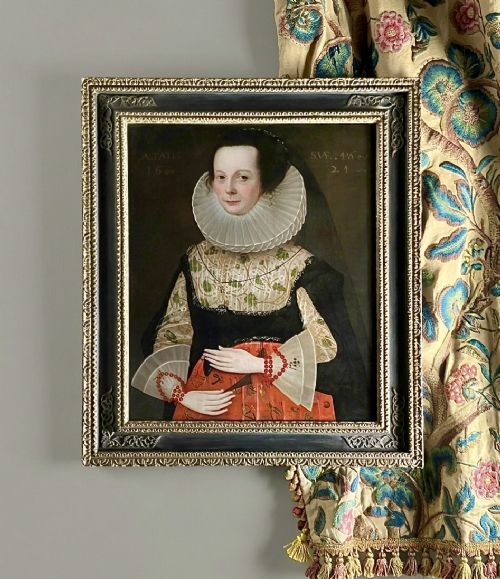
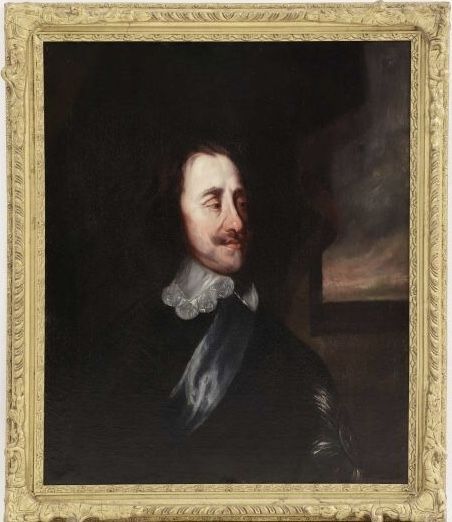
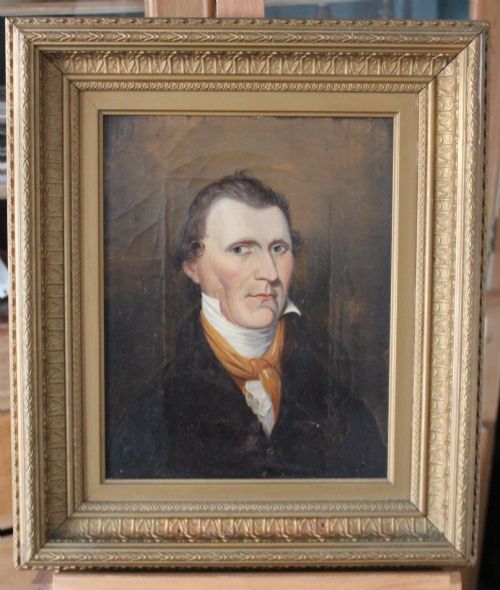
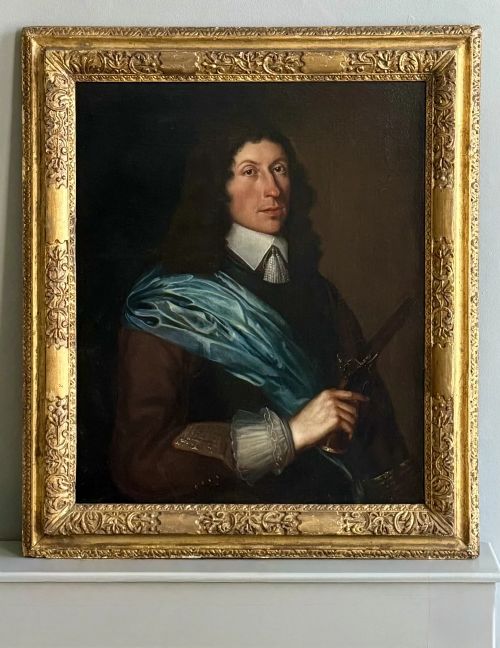
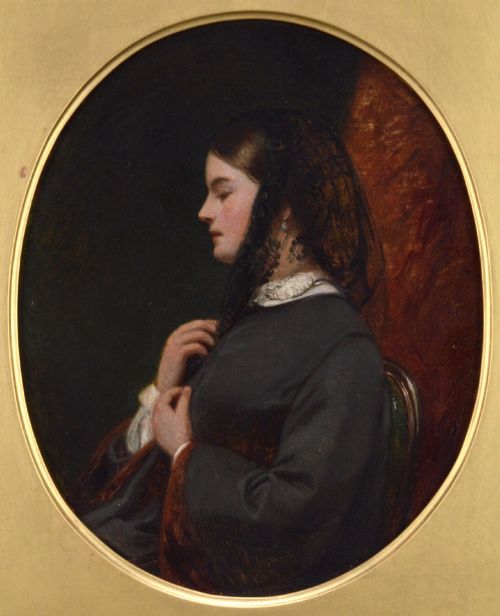
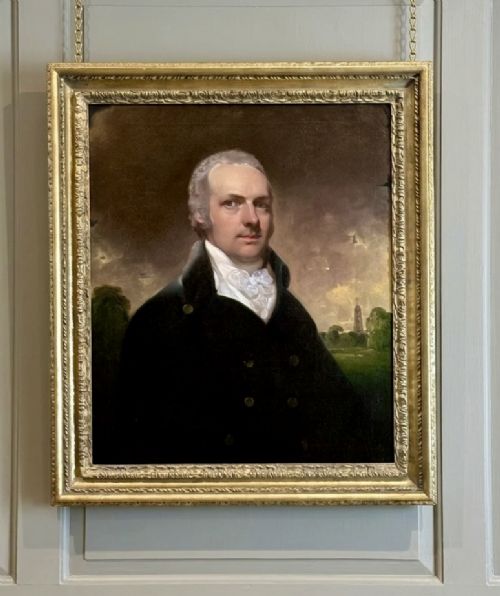
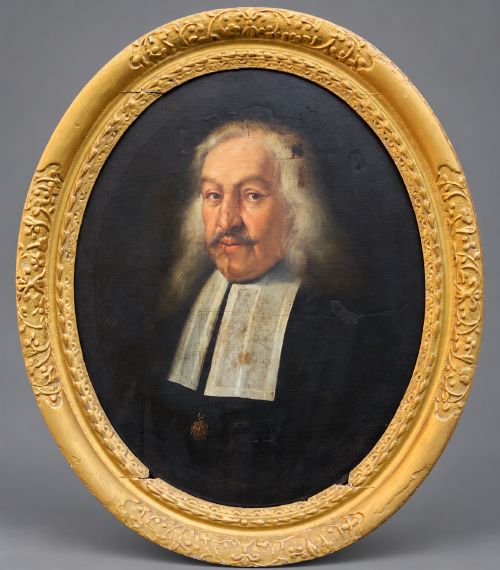
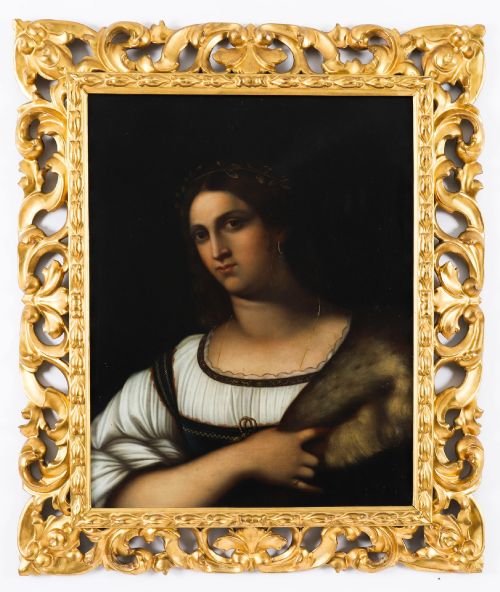
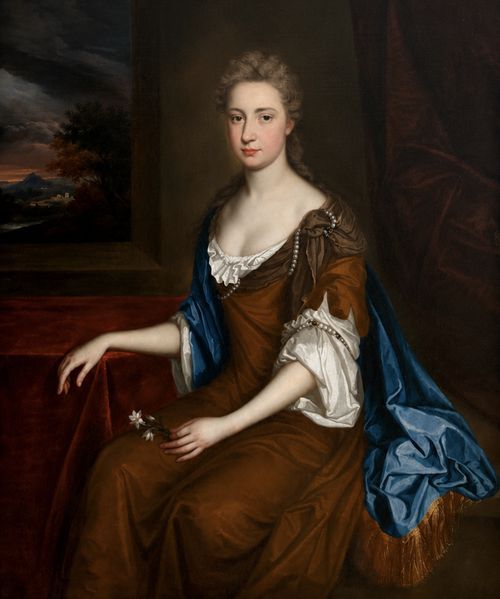
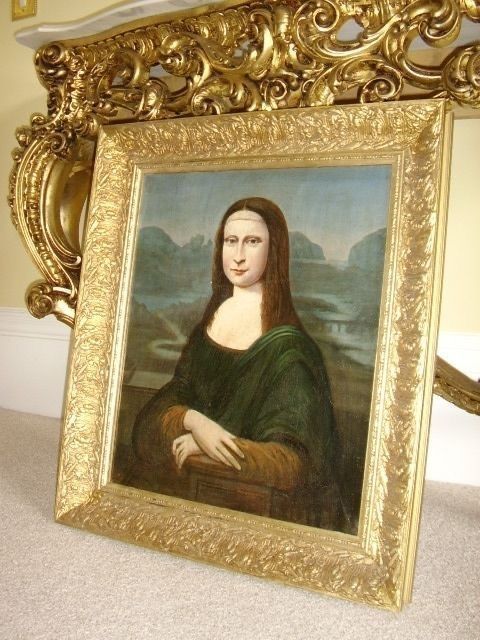
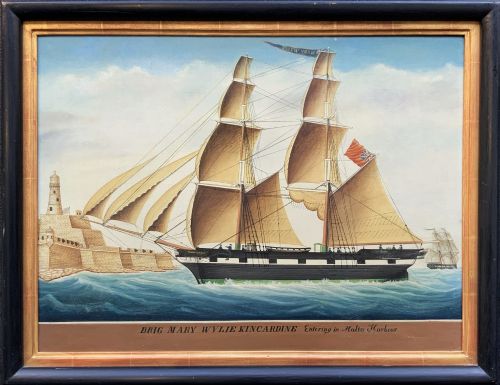
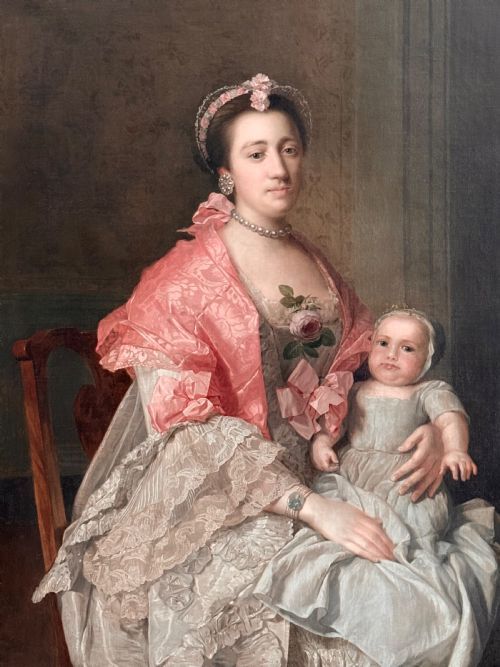
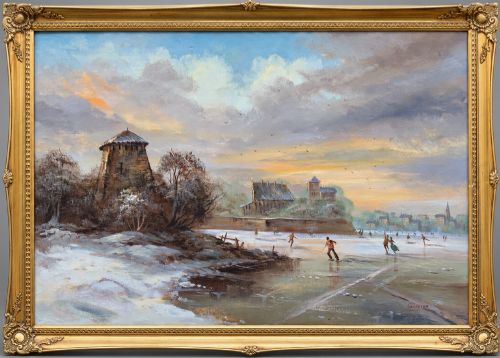
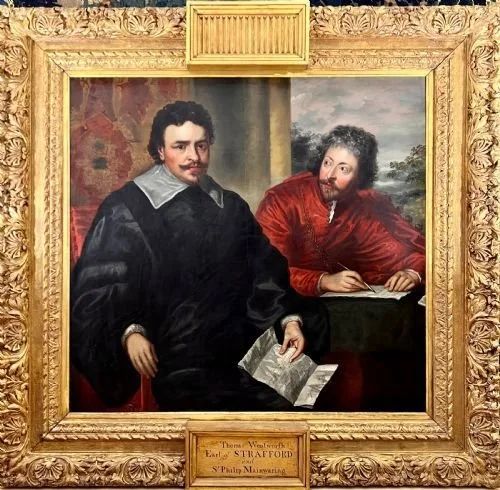
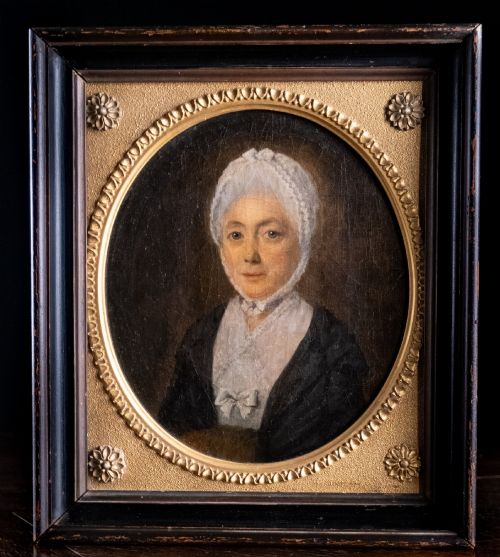
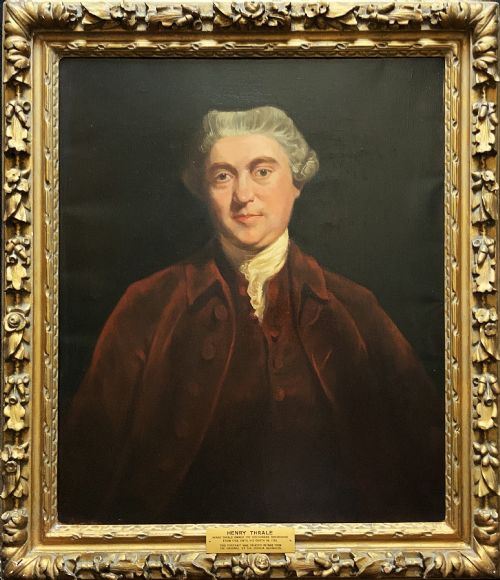
A historic oil canvas presents figurative portraits, maritime scenes, and Dutch landscapes spanning from the seventeenth century through the Edwardian period. Buyers examining this page encounter formal depictions of nobility and military officers alongside informal studies of country life and coastal views.
Portraits dominate the selection, ranging from seventeenth-century British and Flemish sitters to nineteenth-century gentlemen and ladies. These works often arrive set within period giltwood or gold leaf frames that complete the composition.
Materials and Construction
Painters applied oil paint directly onto stretched woven canvas secured to wooden strainer or stretcher frames. The combination of slow-drying oil pigments and organic canvas allowed artists to build rich layers of colour and subtle shadow.
Makers housed these paintings in wooden frames, frequently enhanced with carved giltwood or gold leaf ornamentation that reflected contemporary interior decorative styles.
Historic Oil Canvas Retail Price Guide 2026
Typical asking prices for historic oil canvas among the pieces listed under this phrase on Sellingantiques today, from the lower quarter to the upper quarter. They describe what is for sale here now, not the wider market.
The listings span from the seventeenth century through the Edwardian period, utilising oil paint on canvas and wood.
Assessing the Works
Quality rests in the handling of facial expression, drapery, and atmospheric light by the painter or the studio circle. Stronger examples demonstrate confident brushwork and anatomical precision, while lesser pieces rely on formulaic execution.
The survival of the original pigment layer and the integrity of the textile support dictate the visual impact of the painting. Works retaining their early surface texture hold greater historical resonance than heavily restored examples.
Sir Allan Ramsay·John Scougall·Edouard Pingret·Pietro Fachetti·Bernard Gribble·Charles Euphraisie Kuasseg·John Greenhill·Frank Moss Bennett·John Sanderson Wells
The Historic Oil Canvas Glossary
- Canvas
- A heavy woven fabric, typically linen or hemp, used as the primary support surface for oil paintings.
- Giltwood
- Wood carved and coated with gold leaf or gold paint to form decorative picture frames.
- Oil Paint
- A slow-drying paint made by mixing pigments with a drying oil, commonly linseed oil.
- Stretcher
- A wooden frame that holds the canvas taut by means of expandable corners or fixed joints.
- Circle of
- A designation indicating an artist working closely alongside a master, sharing a distinct stylistic approach.
Historic Oil Canvas: Frequently Asked Questions
How should I clean a historic oil canvas?
Surface dust should be removed gently with a soft, dry brush, avoiding any moisture or household cleaning products that might damage the pigment layer.
Professional conservators handle deeper cleaning and varnish removal to protect the integrity of the original paint.
Where were these paintings displayed originally?
These works hung in country houses, institutional boardrooms, and merchant residences as symbols of status, lineage, and cultural refinement.
Today, they transition easily into domestic living spaces, anchoring modern or traditional room schemes.
How do I identify the period of a painting?
Clothing styles, hairstyles, and framing techniques offer the clearest chronological clues for portraiture and landscape works.
Comparing brushwork and canvas preparation against known dated examples helps narrow the decade of creation.
Why do some canvases show craquelure?
Craquelure forms naturally as oil paint ages, hardens, and loses its initial elasticity over many decades.
This network of fine surface cracks serves as a normal indicator of age rather than an immediate structural fault.