





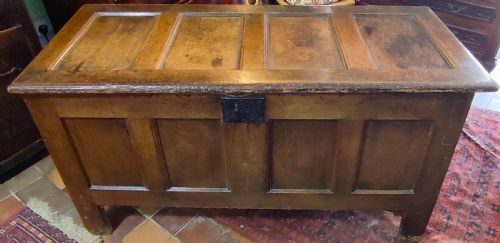


Historic Oak Panel
A historic oak panel brings centuries of carved timber into a room, offering genuine period character for a wall or interior scheme.
Historic Oak Panel
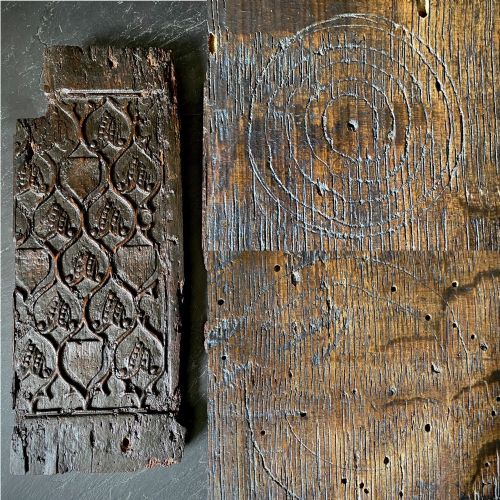
When you search for a historic oak panel, you encounter robust timber fragments and architectural elements spanning from the sixteenth to the nineteenth century. These pieces encompass carved panels, wall reliefs, ceiling bosses, and structural woodwork salvaged from period interiors.
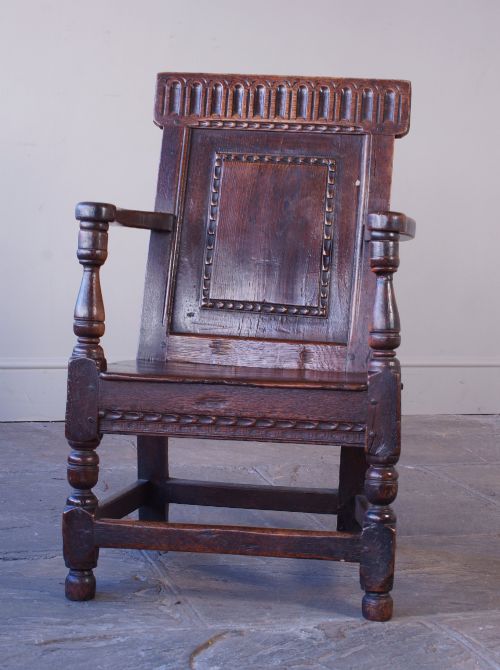
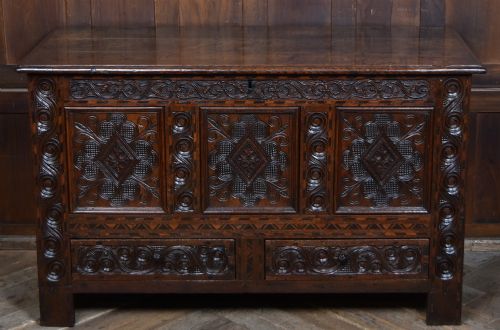
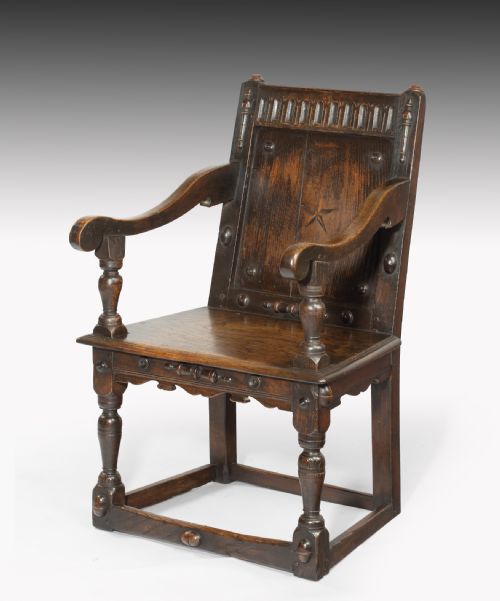
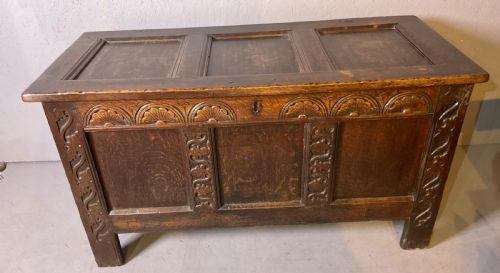
The version you are most likely to meet on this page is a seventeenth-century carved oak panel or coffer front, reflecting the dominant styles of the Jacobean and Baroque periods. Alongside these flat panels, the selection includes related forms such as wainscot armchairs, court cupboards, and blanket chests incorporating similar woodwork.
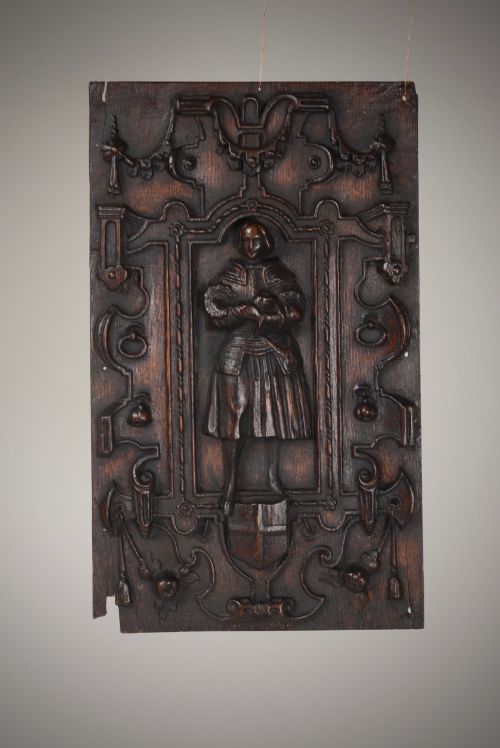
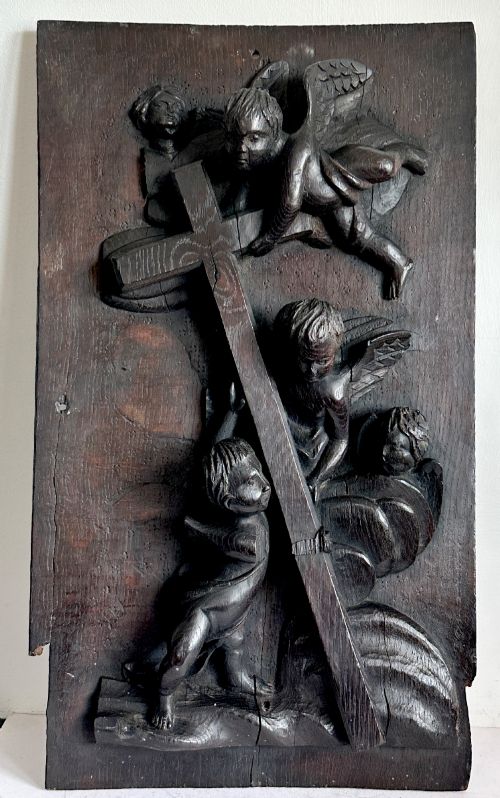
Many examples display intricate carving depicting figural subjects, heraldry, or foliate motifs executed in solid oak, sometimes accented with fruitwood inlay. They serve as tangible links to early domestic architecture and furniture construction.
What varies in quality
The distinction between ordinary and exceptional pieces lies in the depth, crispness, and artistic ambition of the carving. Master carvers achieved remarkable dimensionality in figural panels and caryatids, whereas lesser examples rely on repetitive, shallow punching and simpler geometric patterns.
Condition and originality also set items apart, particularly the survival of original surface patination, timber integrity, and minimal timber replacement over the centuries. Pieces retaining their early joined framing carry greater architectural context than isolated elements.
Historic Oak Panel Retail Price Guide 2026
Typical asking prices for historic oak panel among the pieces listed under this phrase on Sellingantiques today, from the lower quarter to the upper quarter. They describe what is for sale here now, not the wider market.
Colonel Sir Edward Massey peers out from a Victorian portrait plaque, immortalised in carved oak and fruitwood.
The Historic Oak Panel Glossary
- Wainscot
- A type of oak-panelled chair or wall lining characteristic of sixteenth and seventeenth-century English interiors. These heavy chairs feature solid panelled backs and turned supports.
- Coffer
- A large wooden chest used for storage, typically constructed from joined oak planks. Many examples display carved front panels and lid mouldings characteristic of seventeenth-century joinery.
- Caryatid
- A sculpted female figure serving as an architectural support. In seventeenth-century woodwork, these figures frequently appear carved in relief on furniture stiles or panel mounts.
- Ceiling Boss
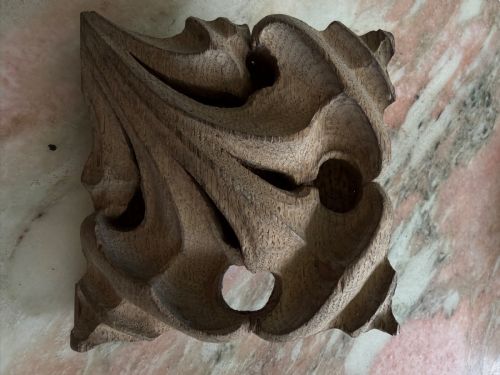
- A projecting block of carved wood placed at the intersection of ceiling ribs. Eighteenth-century examples often feature leaf motifs and intricate pierced designs.
- Tester Bed
- A bed featuring a wooden canopy supported by posts. Early examples utilise panelled oak headboards and tester frames.
Historic Oak Panel: Frequently Asked Questions
How are historic oak panels mounted?
These panels are traditionally incorporated into architectural panelling or hung directly on walls using secure bracket systems. Their substantial weight requires fixings anchored firmly into wall studs or masonry.
Positioning them away from direct heat sources prevents the dry timber from warping or splitting over time. Many collectors mount them simply to display the carved surface texture.
What period do these panels come from?
The listings span several centuries, with a strong concentration of seventeenth-century Jacobean and Baroque examples. Pieces also reach back to the sixteenth century under Elizabethan and Gothic Revival influences.
Later Victorian interpretations and eighteenth-century Georgian items appear alongside these earlier works, reflecting enduring revival styles. Each era utilises distinct carving depths and motif arrangements.
Can oak furniture be placed in modern rooms?
Solid oak pieces integrate well into contemporary spaces by adding tactile warmth and historical contrast against plain walls. Their dark patinated surfaces anchor minimalist interiors with a focal point of traditional craftsmanship.
Balancing the heavy timber with simpler surroundings allows the carved details to remain visually prominent without overwhelming a modern room.
How should I care for antique oak?
Maintenance involves dusting with a soft, dry cloth and occasionally applying traditional beeswas to nourish the dry timber. Avoid liquid polishes and silicone sprays that can damage the historic surface sheen.
Keeping the piece in a room with stable humidity prevents the oak from shrinking or expanding excessively across the grain.