




Historic Needlepoint Panel
Historic needlepoint panel examples bring centuries of hand-stitched artistry into modern interiors through framed textiles, samplers and decorative covers.
Historic Needlepoint Panel
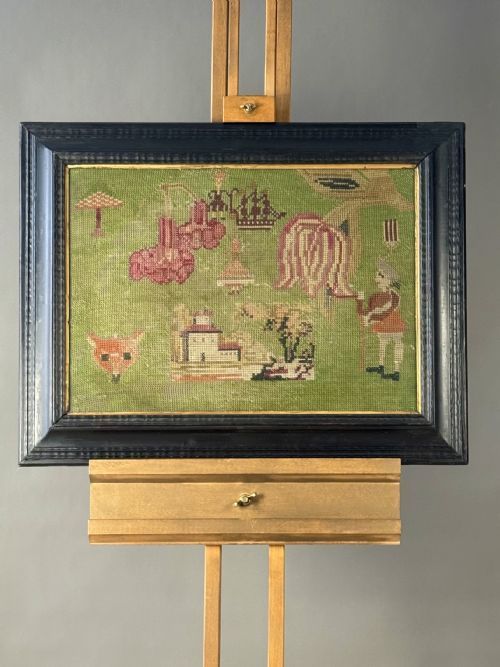
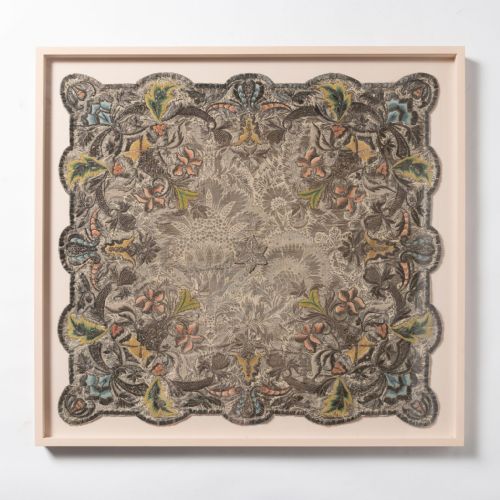
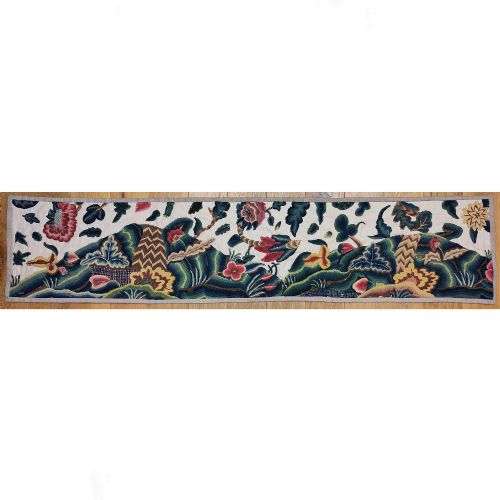
A historic needlepoint panel encompasses various forms of antique textile art, including framed samplers, crewelwork, cushion covers and embroidered pictures. Buyers seeking these items encounter works spanning from the seventeenth century through to the Victorian era.
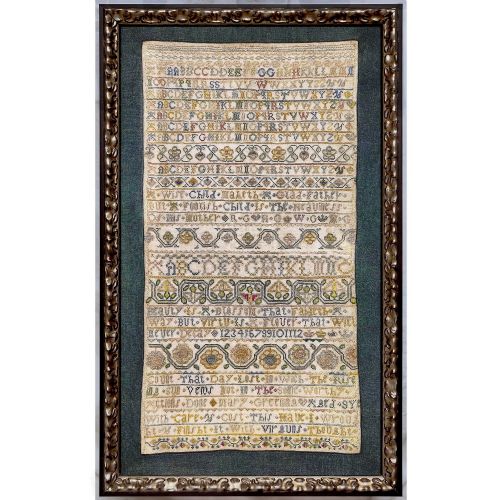
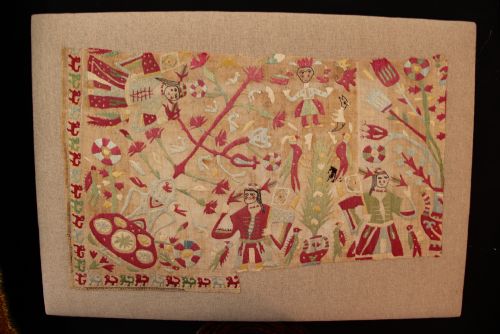
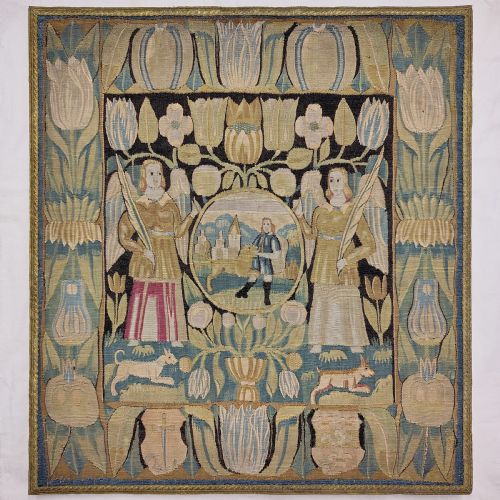
The selection includes English band samplers, Greek Island bedsheet borders, Italian tapestry cushions and French needlepoint panels. These pieces often arrive mounted in period frames made of wood or gilt metal, ready for wall display.
Materials and construction methods
Makers utilised natural textile foundations such as linen, wool and silk, working designs with silk thread, wool and miscellaneous threads. Glass frequently protects the surface of framed panels and samplers.
Techniques range from counted-thread embroidery on samplers to crewelwork and tapestry weaving. Artisans mounted finished textiles into wooden frames or utilised them as functional cushion covers.
Several Victorian samplers preserve the precise ages of young makers, including Margaret Ann Blackow at twelve and Maggie Muir at eleven.
Assessing quality in antique needlework
Quality rests in the precision of the stitching, the complexity of the design and the preservation of the original fibres. Finer execution and legible inscriptions regarding the maker or date elevate a piece.
The integrity of the mounting and the presence of period-appropriate frames contribute to the overall character of the work. Early examples display distinct regional styles and material combinations that distinguish them.
The Historic Needlepoint Panel Glossary
- Sampler
- A piece of needlework produced as a demonstration or test of skill in various stitches, often featuring alphabets, numbers and moral verses. These works frequently record the name and age of the young maker.
- Crewelwork
- A type of surface embroidery utilising wool yarn on a linen or cotton fabric foundation. This technique creates textured, flowing floral and faunal designs.
- Bandsampler
- An early form of sampler featuring horizontal rows of disparate patterns and stitches rather than a single pictorial composition. They served as personal pattern books for embroiderers.
- Tapestry
- A form of textile art woven on a vertical loom, traditionally used for wall hangings or cushion covers. The technique allows for complex pictorial scenes involving figures and landscapes.
- Gilt frame
- A wooden picture frame coated with a thin layer of gold leaf or gilt paint. Many antique textile panels retain these decorative borders.
Historic Needlepoint Panel: Frequently Asked Questions
How do I hang a historic needlepoint panel?
Protect antique textiles from direct sunlight and high humidity to prevent the fading of silk and wool threads. Mount them securely using appropriate hanging hardware on an interior wall.
Keep the room temperature stable and ensure the glass does not press directly against the embroidered surface of the textile.
Can I clean an antique needlepoint panel?
Surface dust can be gently removed with a very soft brush or low-suction vacuum through a protective mesh screen. Professional textile conservators should handle deeper cleaning or repairs.
Water and standard detergents risk shrinking the linen backing and bleeding the historic dyed threads.
What is the difference between a sampler and a panel?
Samplers typically display rows of alphabets, numerals and signatures created by young makers to practice stitches. Panels generally feature pictorial scenes, decorative motifs or architectural designs.
Both forms utilise similar threads and foundation fabrics but serve different decorative and educational purposes.
How are periods identified on needlework?
Styles of lettering, framing methods, motifs and specific dates stitched directly into the composition provide chronological clues. Seventeenth-century works often feature band designs while Victorian pieces lean toward pictorial samplers.
Material analysis of the backing linen and threads further supports dating attribution.