

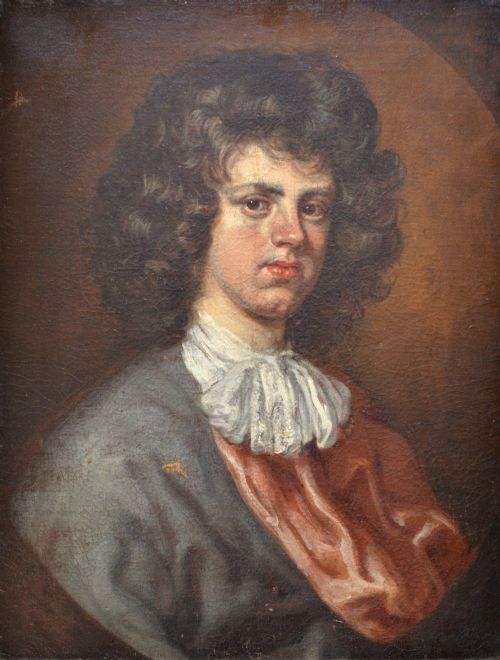
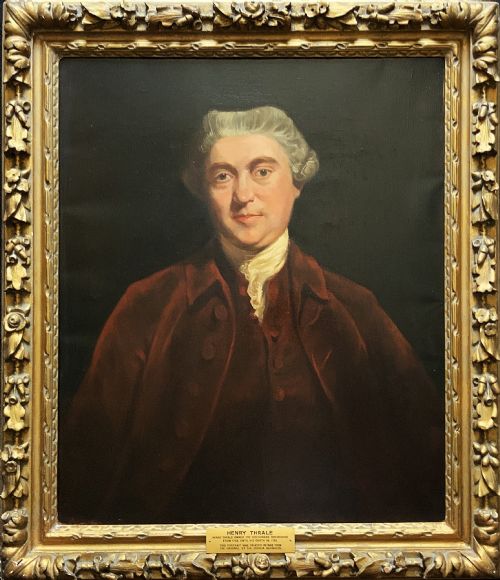
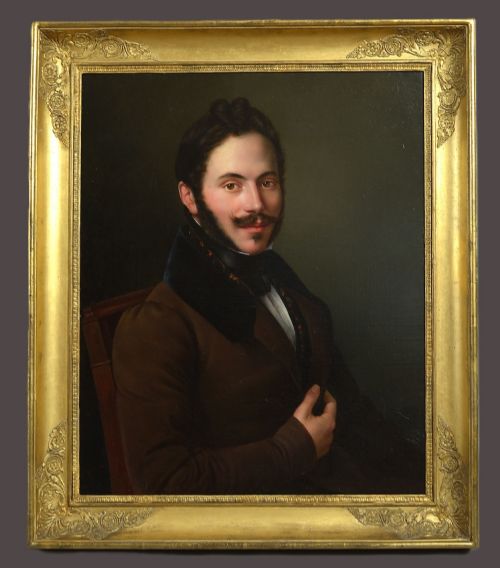
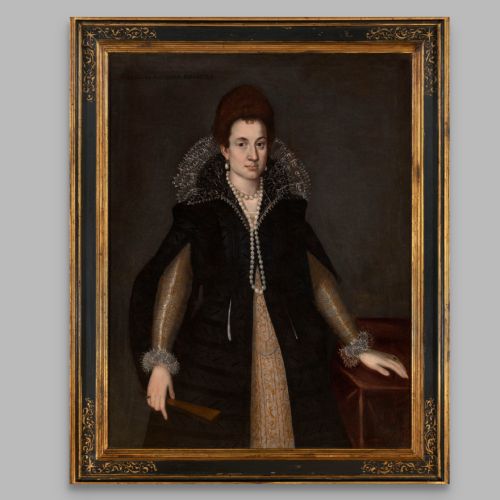
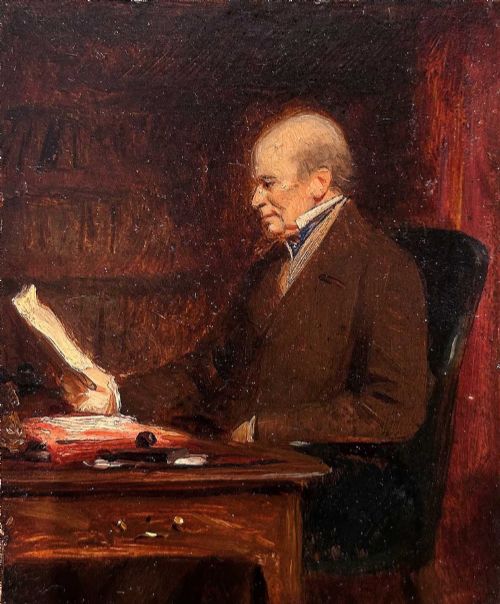

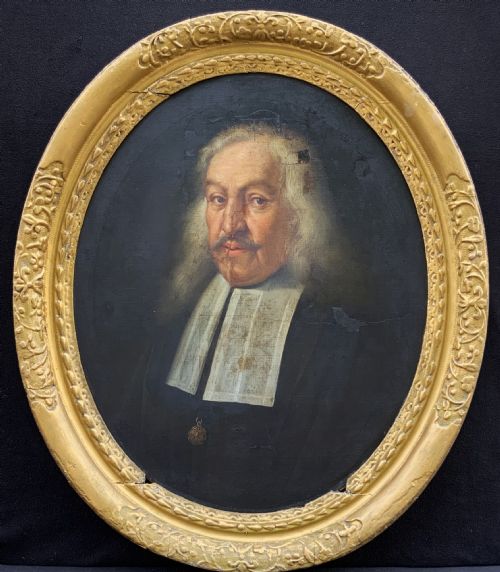
Historic Fine Art Portrait
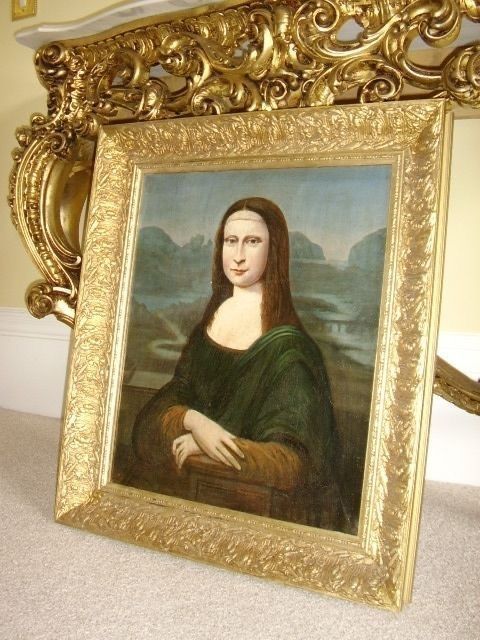
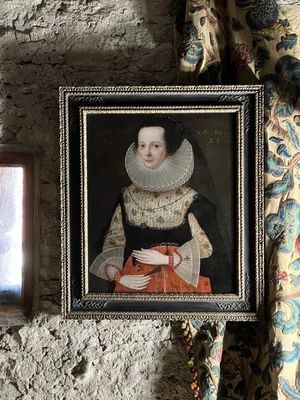
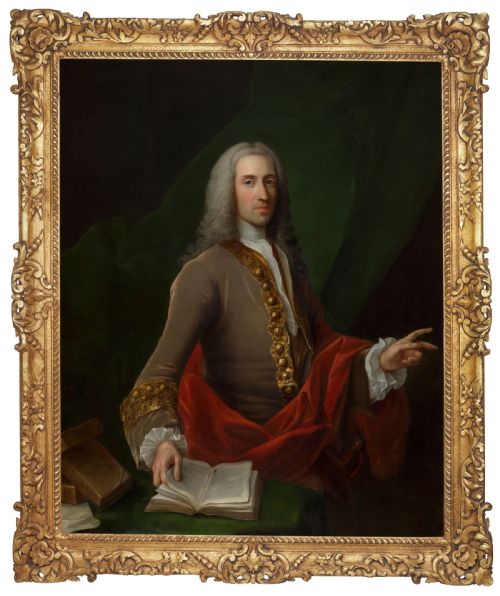
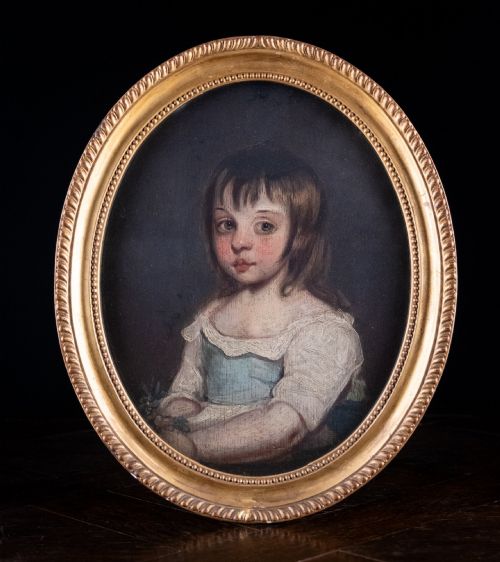
A historic fine art portrait captures the likeness of a notable sitter through traditional painted media, offering a direct tangible link to past centuries.
Historic Fine Art Portrait
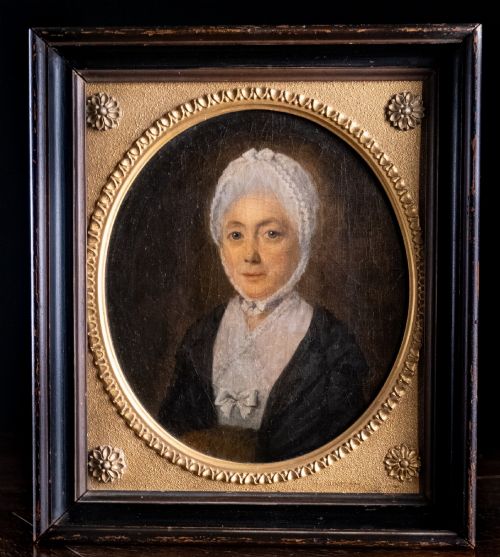
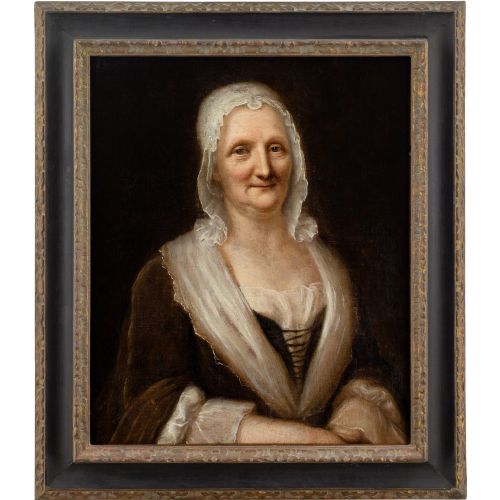
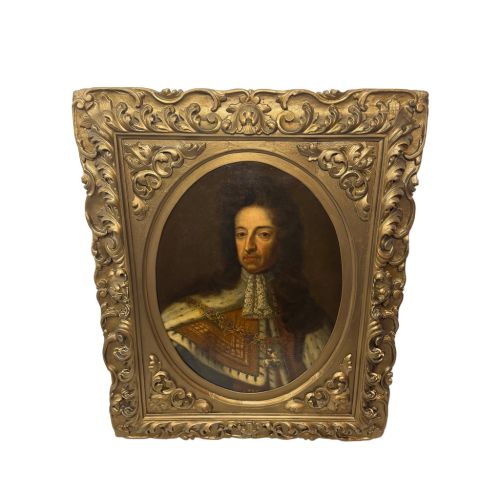
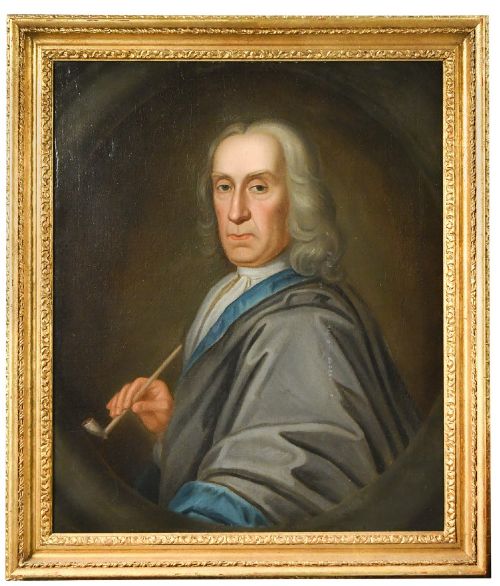
A historic fine art portrait encompasses painted depictions of individuals produced across multiple centuries, ranging from formal aristocratic representations to studies of everyday figures. The selection on this page relies heavily on works originating from the seventeenth, eighteenth, and nineteenth centuries.
The objects take diverse physical formats including oil paintings on canvas or panel, portrait miniatures, and detailed drawings. Sitters span monarchs, nobility, physicians, and country subjects, recorded by regional European and British schools.
What Varies in Quality
Quality in a historic fine art portrait rests upon the precision of facial rendering, the psychological depth conveyed in the sitter's expression, and the confidence of the brushwork. Masterpieces demonstrate subtle control over light, shadow, and anatomy compared to standard workshop copies.
The framing and original canvas condition also influence the standing of a piece, alongside the documented attribution to a known hand or established school.
Listings feature works spanning the 17th, 18th, and 19th centuries, executed primarily in oil paint on canvas alongside graphite plumbagos and miniatures.
Sir William Beechey R A·Jeremiah Davison·Mary Beale·Sir Joshua Reynolds·Edouard Pingret·Pietro Fachetti·Pieter Borseler·Joseph Vivienne·Joseph Highmore·John Taylor·William Millar·Bartolomeo Schedoni·George Chinnery·Paul Leon Jazet·Nathaniel Hone·William Robinson·Robert Byng
The Historic Fine Art Portrait Glossary
- Oil on Canvas
- A painting medium using pigments bound with a drying oil, applied to a woven fabric support. This combination allowed artists to achieve rich colour depth and smooth blending.
- Portrait Miniature
- A small, highly detailed painting, often created on vellum, ivory, or card. These intimate works were designed to be carried or worn close to the body.
- Plumbago
- A drawing executed in graphite, which was commonly used for detailed monochrome portrait studies during the seventeenth and eighteenth centuries.
- Giltwood
- Wood that has been carved and coated with a thin layer of gold leaf or powder. It typically surrounds important canvases to enhance their visual weight.
- School
- A grouping of artists working in a particular region and period who share stylistic traits. Attributing a work to a school often indicates the influence of a master's circle.
Historic Fine Art Portrait: Frequently Asked Questions
What is a historic fine art portrait?
It is an original painted or drawn likeness of a person created during past centuries, utilising traditional materials such as oil on canvas.
These artworks serve as historical documents that record the clothing, status, and appearance of sitters from eras like the Georgian and Baroque periods.
How were these portraits displayed?
Historic portraits were traditionally hung in the reception rooms, galleries, and private chambers of grand houses to project family lineage and social standing.
They often remained in domestic collections for generations, framed in ornate giltwood to complement contemporary interior architecture.
How do I date a portrait?
Dating relies on stylistic clues such as the sitter's costume, wig style, and ruff, alongside any inscriptions, signatures, or canvas stamps on the reverse.
Comparison with documented works by known schools or contemporary painters helps narrow the decade of execution.
How do I live with antique art?
These works require stable indoor humidity and protection from direct sunlight to preserve the integrity of aged oil paint and canvas.
Pricing them among modern interiors creates a striking visual contrast that highlights the character of the antique subject.