






Historic English School Art
Historic english school art brings centuries of portraiture and landscape painting into a room, offering a direct link to past centuries through canvas and paper.
Historic English School Art
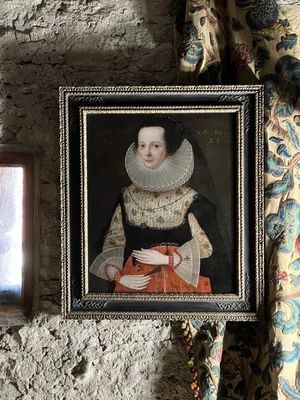
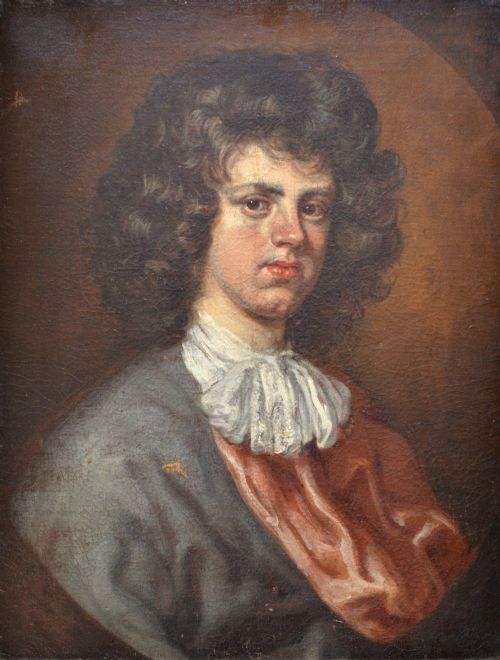
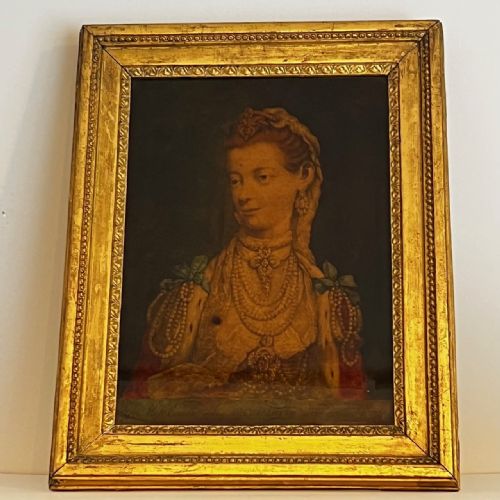
Historic english school art comprises oil paintings and watercolours spanning from the seventeenth century through the twentieth century. These works capture notable figures, gentlemen, noblewomen, and historic landscapes across Britain.
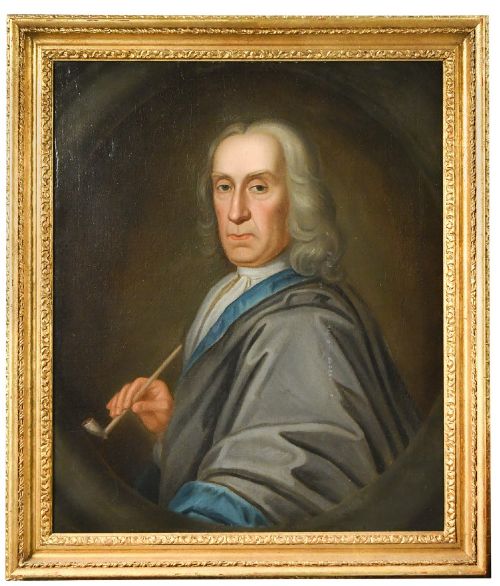
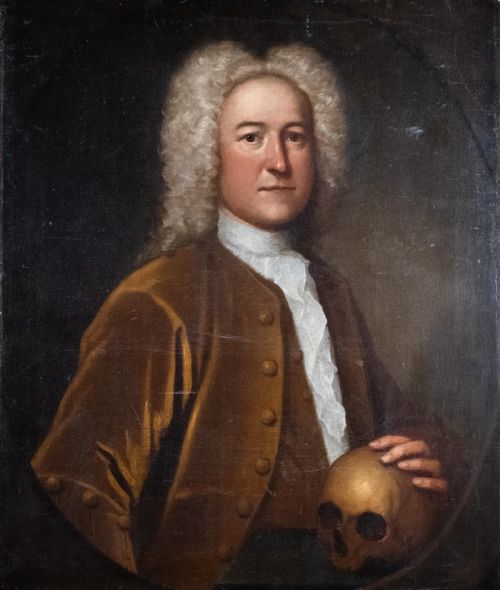
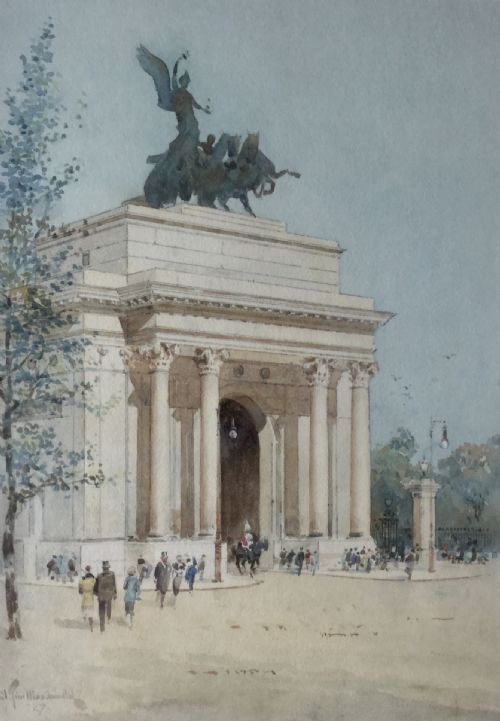
Portraits dominate the selection, often attributed to specific circles or bearing dates from the seventeenth and eighteenth centuries. Landscapes in watercolour and oil represent regional views from Yorkshire to London.
Buyers encounter period pieces framed in giltwood alongside unsigned works attributed simply to the English School. Each piece reflects the aesthetic conventions of its specific century, from Jacobean formality to Victorian realism.
Materials and technique
Artists painted primarily with oil on canvas or applied watercolour to paper, employing traditional grounds and pigments. Giltwood frames frequently house these works, complementing the depth of the painted surface.
The application of oil paint allows for subtle layering in portraits, particularly in rendering fabrics like crimson coats and elaborate lace costumes. Watercolours on paper capture lighter atmospheric effects in historical landscapes and architectural studies.
Several gentlemen in these historic portraits hold curious props, including smoking pipes, skulls, and botanical specimens.
Assessing the pieces
Quality rests in the precision of the brushwork and the psychological depth captured in portrait subjects. Stronger pieces convey realistic anatomy and convincing textiles rather than stiff, formulaic representations.
The preservation of the original canvas, pigment stability, and the retention of period giltwood framing elevate certain works above others. Attribution to named artists or recognised circles also distinguishes the upper tier of the selection.
SIR WILLIAM BEECHEY R.A·Mary Beale·TRAJAN HUGHES·Joseph Highmore·Henry Barlow Carter·Fred Stead·Samuel cooper·Francis Alleyne·Lemuel Francis Abbott·Henry Edridge·John Thirttle·John Verelst
The Historic English School Art Glossary
- Circle of
- A term used when a painting shows the distinct hand of an artist working closely within the studio style of a master. It denotes proximity to a known painter without confirming direct authorship.
- Giltwood
- Carved wood covered with a thin layer of gold leaf, commonly used for period picture frames. It provides a warm, reflective border that enhances the colours of oil paintings.
- Oil on canvas
- A medium where pigments suspended in oil are applied to stretched fabric. This technique allows for rich colour blending and durability over centuries.
- Watercolour
- A paint consisting of water-soluble pigments applied to paper. It yields translucent washes that were particularly favoured for topographical and landscape views.
- English School
- A classification for artists trained or working primarily in England across various centuries. It groups together diverse talents operating under shared national artistic traditions.
Historic English School Art: Frequently Asked Questions
What defines historic english school art?
Historic english school art encompasses paintings and watercolours produced by artists working in Britain across several centuries. The category relies heavily on portraiture and topographical views.
These works provide a visual record of British society, featuring sitters from nobility and everyday landscapes rendered in oil or watercolour.
How should I hang these paintings?
Historic paintings require placement away from direct sunlight and excessive humidity to protect canvas, paper, and giltwood frames. Stable indoor environments prevent pigment degradation.
Traditional works pair well with classic interior spaces, where proper wall anchoring supports the weight of framed oils.
How do I identify the period?
Dating relies on costume details, hairstyles, painting techniques, and documented signatures or dates inscribed on the canvas. Seventeenth-century works often feature rigid collars and elaborate garments.
Later nineteenth-century pieces adopt looser brushwork and more naturalistic poses, reflecting shifts in British artistic training.
What is the difference between oil and watercolour?
Oils use pigment suspended in drying oil on canvas, offering rich textures and deep colour saturation suitable for formal portraits. Watercolours apply pigments to paper for lighter compositions.
Watercolours are typically kept behind glass to prevent atmospheric damage, whereas canvas allows the painted surface to breathe.