

Historic Art
Historic art gathers centuries of portraiture, maritime scenes and cartography rendered in oils, watercolours and engravings.
Historic Art
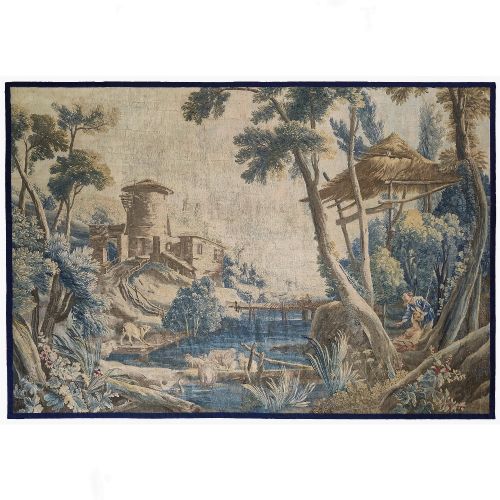
Historic art comprises centuries of creative output, spanning oil paintings, watercolours, textile works and engravings. Buyers seeking historic art encounter substantial portraiture from British, Dutch and French schools alongside maritime scenes and cartography.
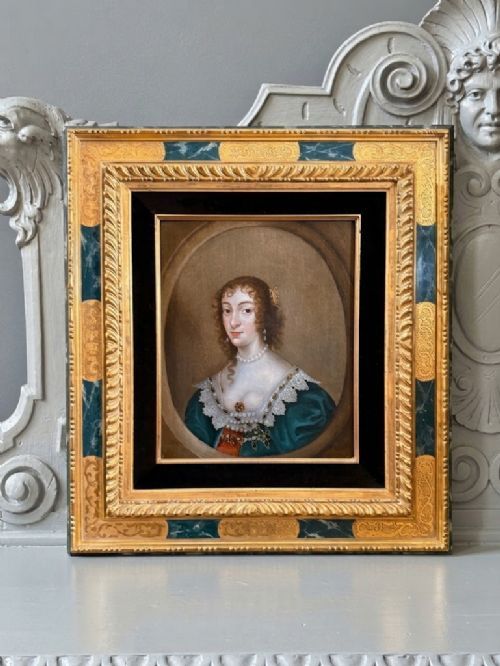
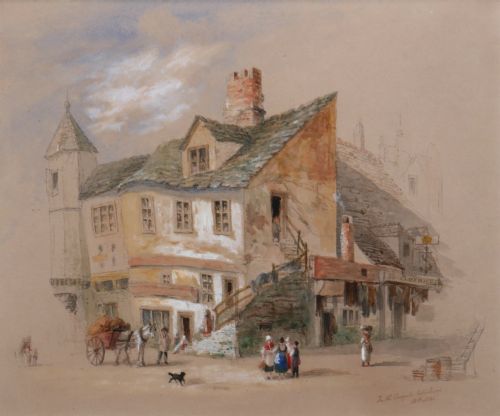
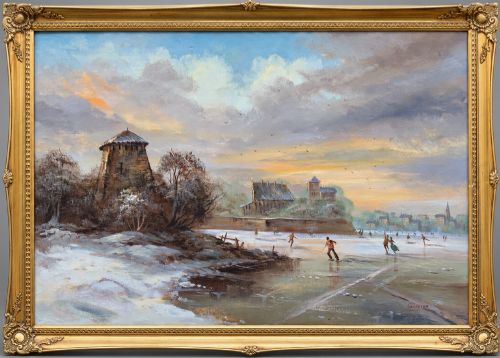
The selection ranges from seventeenth-century panels depicting nobility to nineteenth-century marine watercolours and coastal views. Works transition across Georgian, Victorian and Edwardian periods, reflecting the shifting tastes of portraiture and landscape documentation.
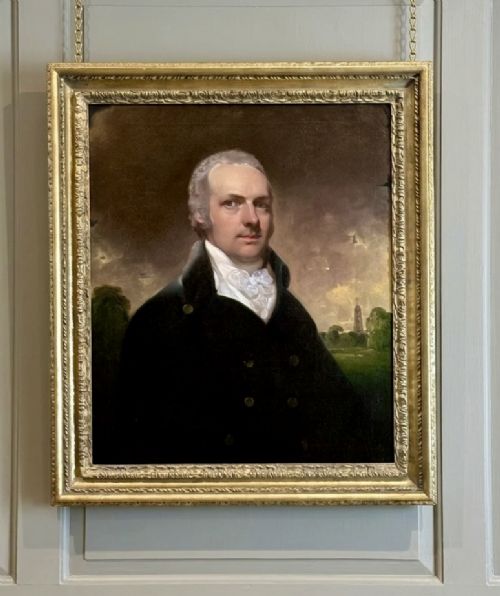
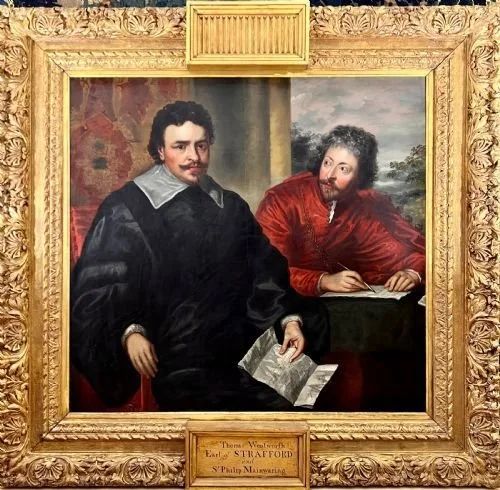
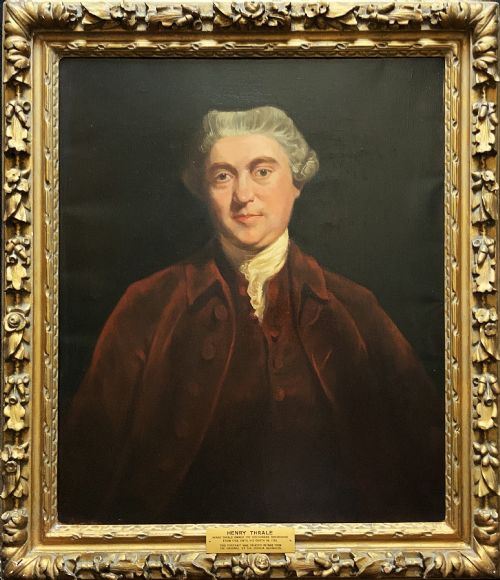
Oil on canvas and wood panel dominate the selection, accompanied by mezzotints, etchings and ink drawings. Subjects vary from specific historical figures and military officers to anonymous country girls and literary figures.
Materials and technique
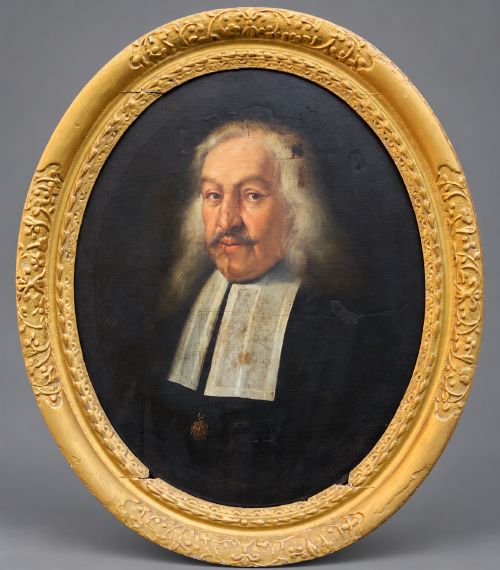
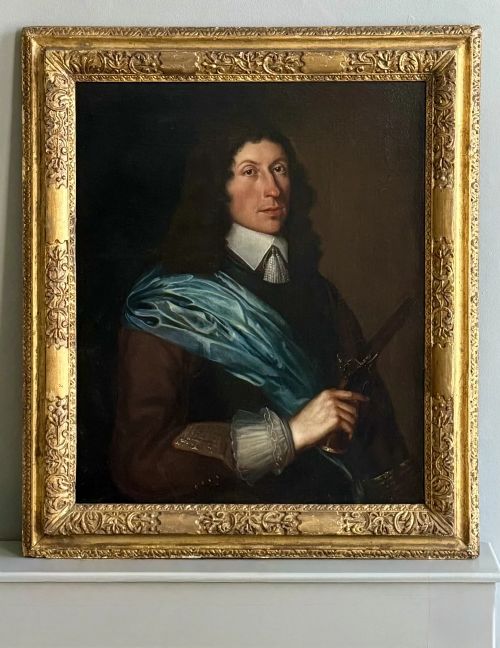
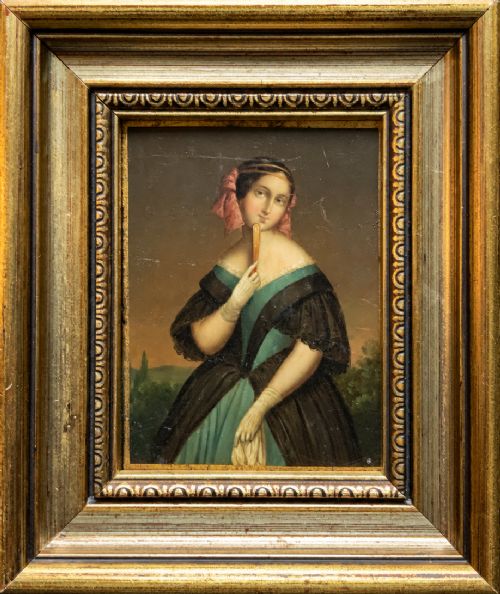
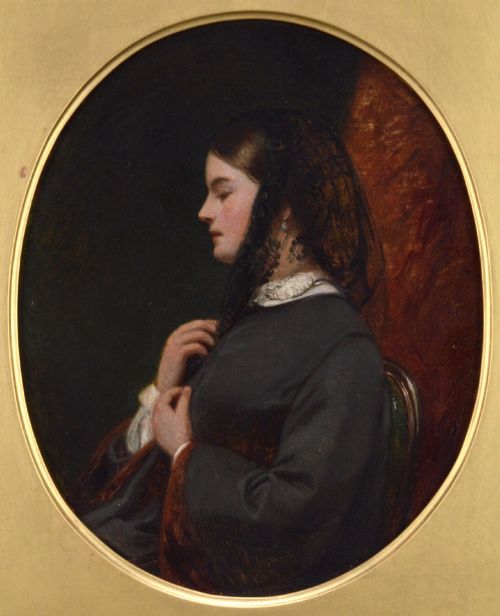
Makers utilised oil paint applied to canvas or wood panel, building up rich layers of pigment to capture the textures of elaborate garments and skin tones. Gilding with gold leaf frequently embellished the frames accompanying these works.
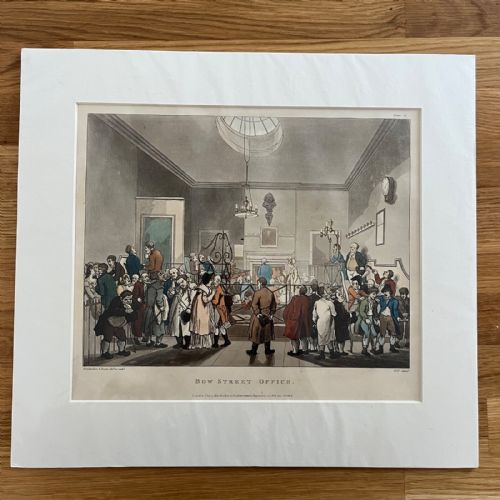
Works on paper employ watercolour, ink and pencil, capturing finer illustrative details in studies and topographical views. Printmakers produced mezzotints and etchings using copper plates to reproduce popular portraits and regional scenes.
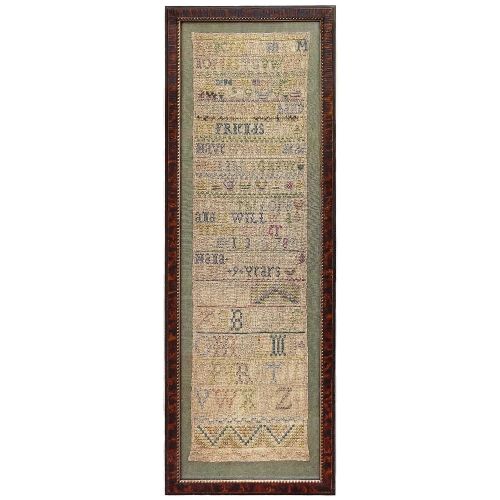
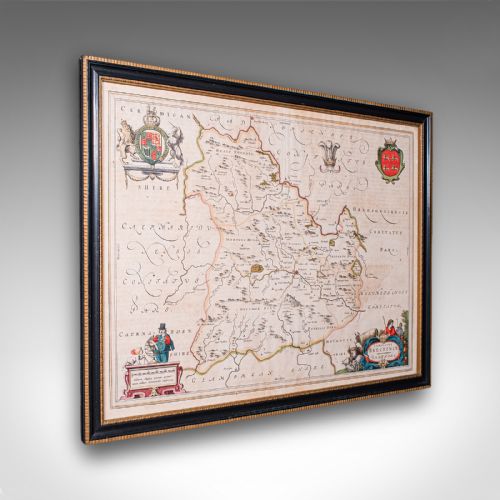
Needlework samplers and textile art involved hand-stitching colourful threads onto linen grounds to form intricate pictorial compositions. Cartographers engraved maps onto copper plates before printing on paper.
Historic Art Retail Price Guide 2026
Typical asking prices for historic art among the pieces listed under this phrase on Sellingantiques today, from the lower quarter to the upper quarter. They describe what is for sale here now, not the wider market.
British, Dutch and French schools are represented, encompassing maritime views, portrait miniatures and antique maps.
Judging quality
Quality rests upon the precision of the draughtsmanship and the confident handling of medium, whether in the delicate brushwork of a facial expression or the sharp lines of an etching. Skilled artists captured individual likenesses and atmospheric depth with greater fidelity than contemporary copyists or provincial workshops.
Condition dictates the integrity of the surface, where untouched paint layers and stable wood panels or canvases preserve the maker's original intention. Excessive overpainting or heavy restoration diminishes the visual harmony of the piece.
Provenance and attribution elevate certain works, particularly when linked to documented masters or distinguished sitters recorded in historical archives.
Joan Blaeu·Cornelius Johnson·Pierre Mignard·Sir Joshua Reynolds·David Roberts
The Historic Art Glossary
- Mezzotint
- A printmaking process where the copper plate is roughened to achieve rich tonal gradations and dark backgrounds. This technique allowed printmakers to replicate oil paintings with remarkable fidelity.
- Panel painting
- A work executed on a rigid wooden support rather than canvas. These pieces often date from earlier centuries before stretched canvas became standard.
- Attributed to
- A designation used when a work shows the style of a specific artist but lacks definitive signature or documentation. Experts apply this term based on stylistic comparison.
- Etching
- A printmaking method where acid bites into lines drawn through a protective ground on a metal plate. Artists utilised this technique to produce detailed linear imagery.
- Cartography
- The study and practice of making maps. Antique examples often feature decorative cartouches and hand-coloured borders.
Historic Art: Frequently Asked Questions
How do I identify seventeenth-century portraits?
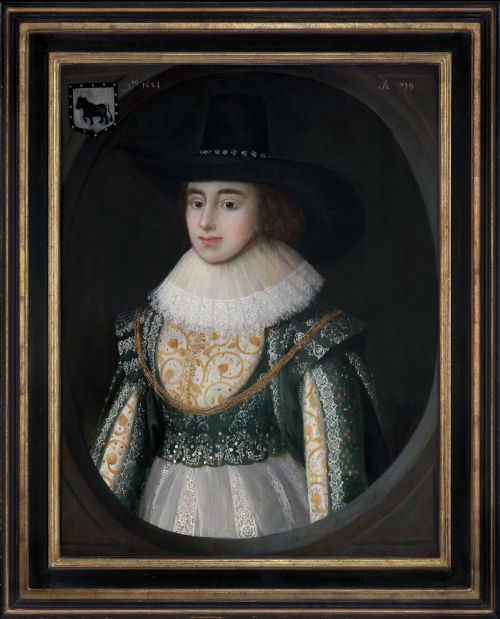
Seventeenth-century portraits typically feature sitters in elaborate lace collars, stiff doublets or formal gowns against dark, restrained backgrounds. Artists of this era painted primarily on wooden panels or coarse-weave canvases.
Brushwork appears deliberate, focusing heavily on the precise rendering of textiles, heraldic symbols and facial expressions rather than atmospheric landscape settings.
What subjects appear most frequently in historic art?
Portraiture dominates the selection, depicting nobles, military officers, judges and everyday country folk from various European schools. These range from formal oil paintings to intimate miniature portraits.
Beyond portraits, marine art, architectural studies, botanical watercolours and antique cartography represent popular visual themes from past centuries.
How should I care for oil paintings on wood panel?
Paintings on wood panels require stable environmental conditions to prevent the wood from warping or cracking as humidity fluctuates. Keep them away from direct sunlight, radiators and damp walls.
Dust the surface gently with a soft, dry brush and avoid using water or chemical cleaners on the paint layer.
What is the difference between an etching and a mezzotint?
An etching relies on acid biting into drawn lines on a metal plate, producing sharp, linear details ideal for architectural views and maps. Artists created these with fine steel needles.
Mezzotints start by roughening the entire metal plate to hold ink, then scraping areas away to create smooth tonal variations and deep shadows, suiting portrait reproduction.
How do watercolours differ from oil paintings on this page?
Watercolours involve translucent pigments suspended in water applied to paper, yielding a lighter, more immediate effect often seen in studies and landscapes. They require protective framing behind glass to prevent fading.
Oil paintings use pigments bound in drying oils applied to canvas or panel, offering thicker texture, richer colour depth and greater durability over time.