

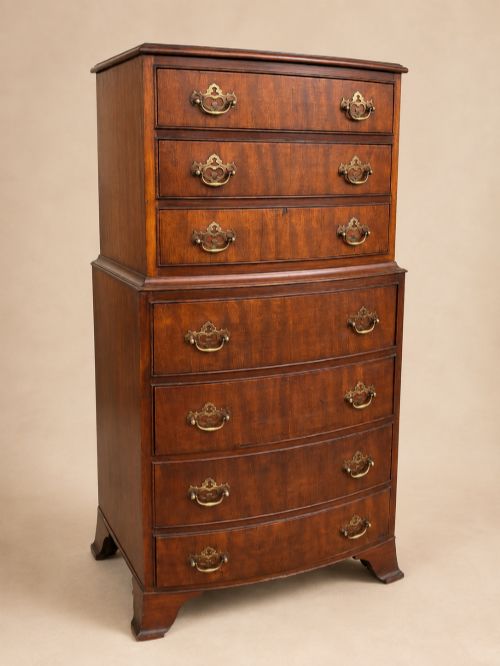
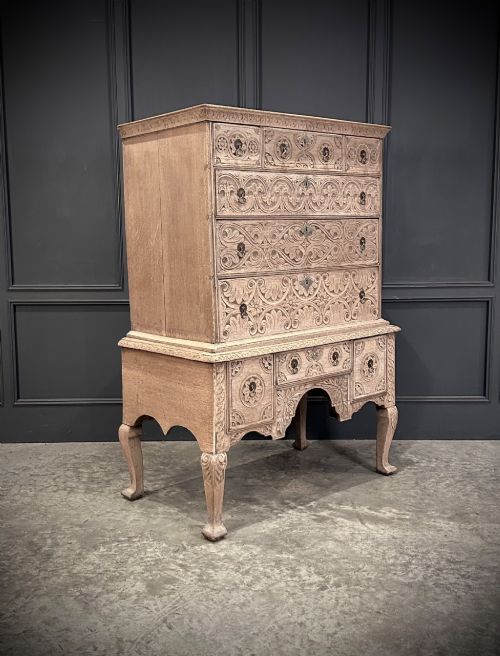
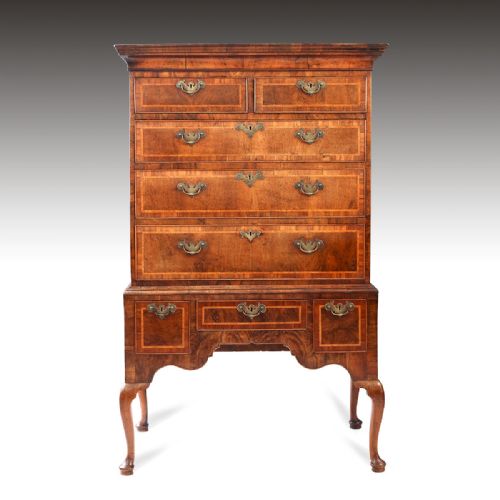
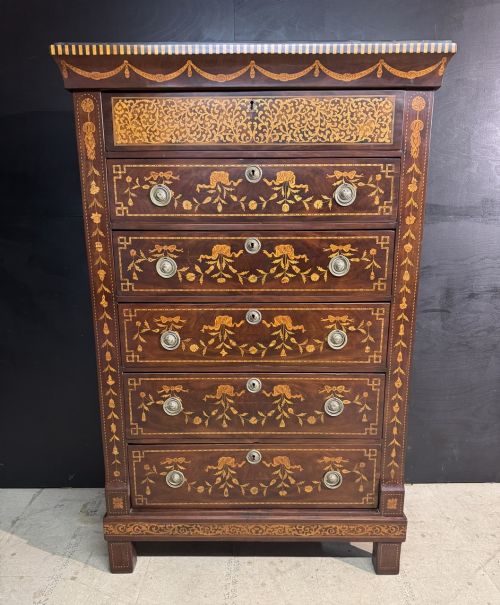
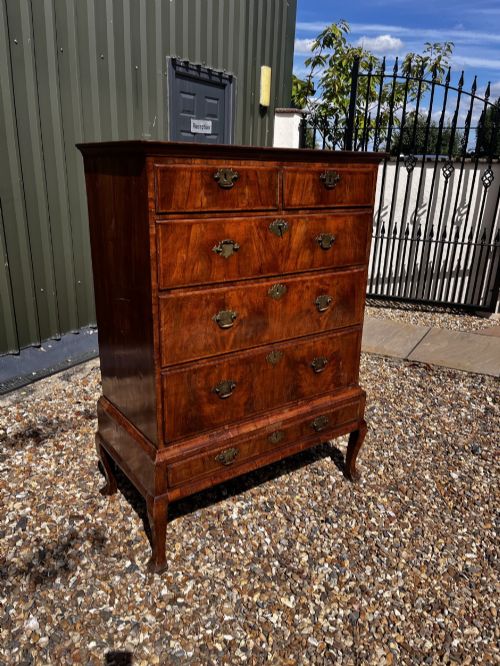
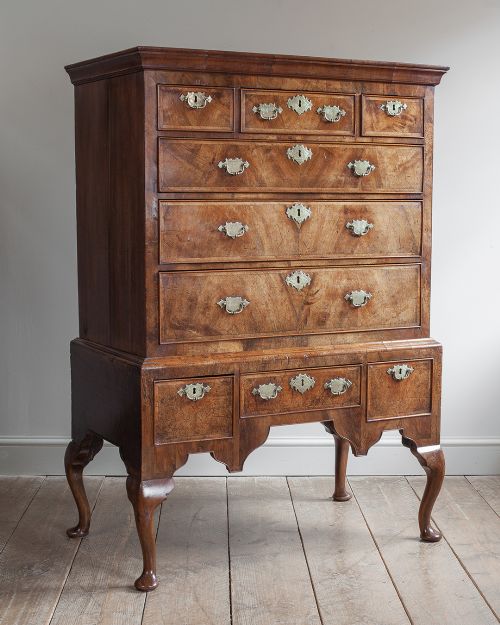
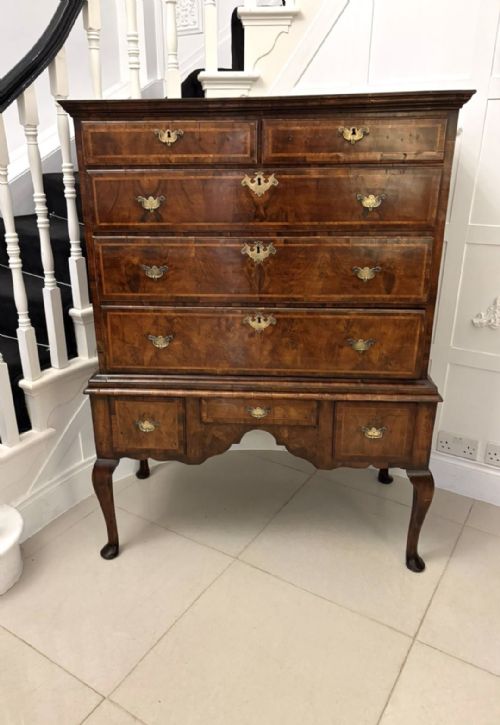
Highboy Chest of Drawers
A highboy chest of drawers brings height and segmented storage to a room through its stacked case construction.
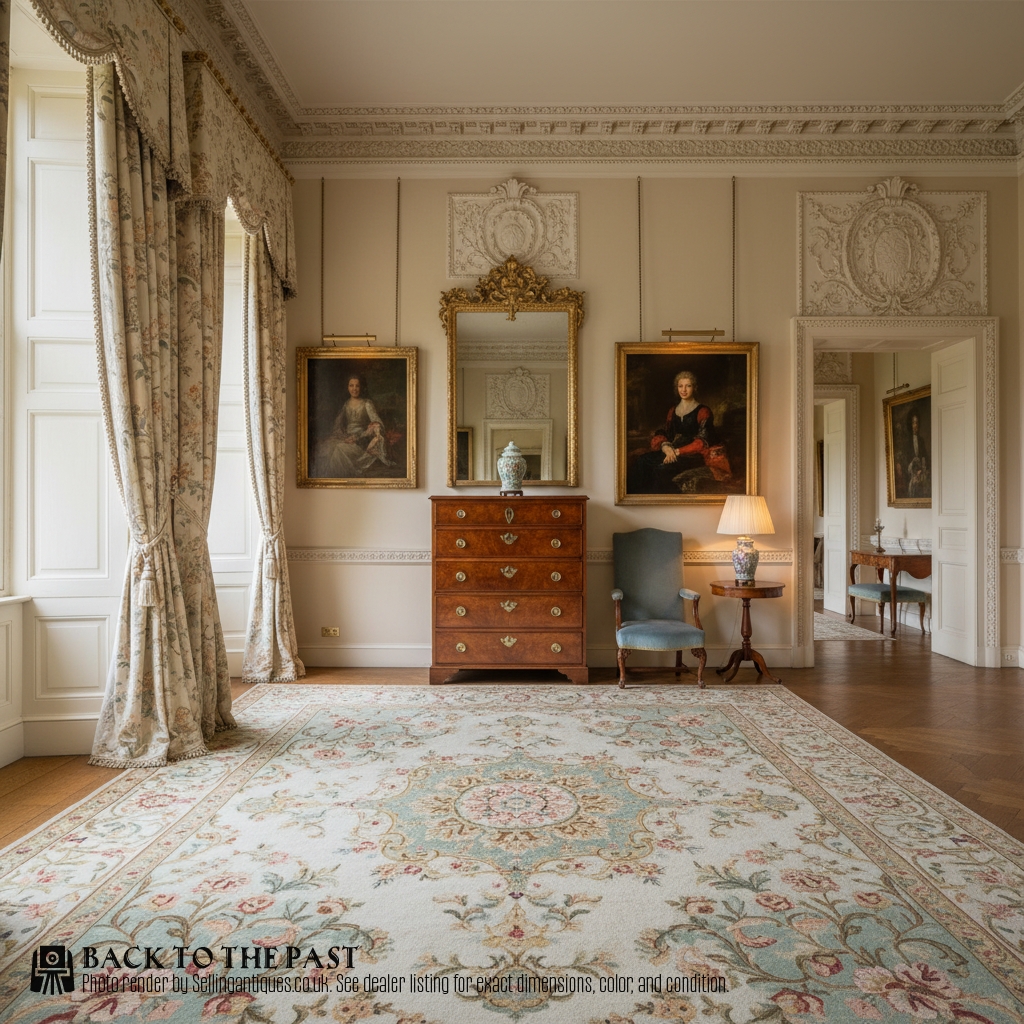
Highboy Chest of Drawers
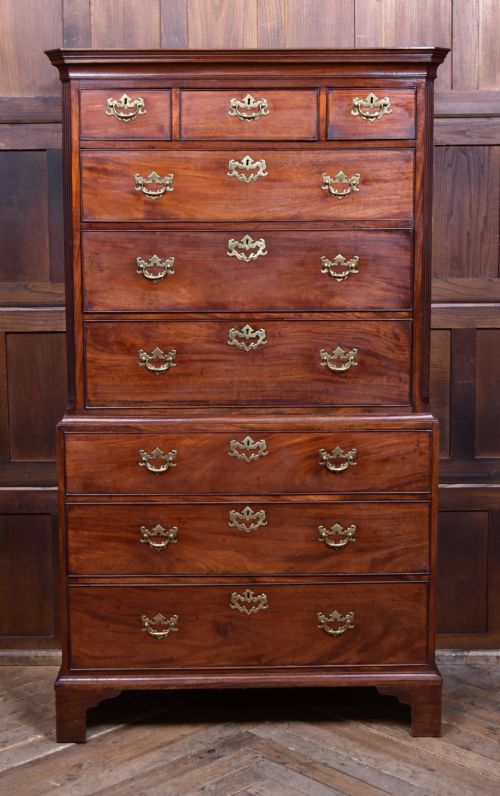
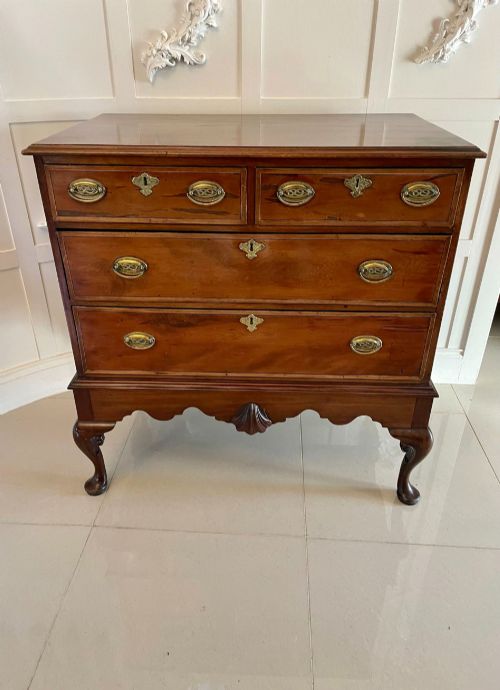
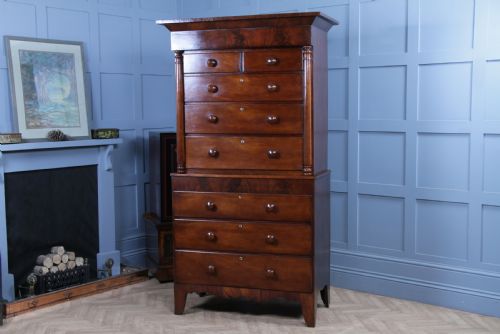
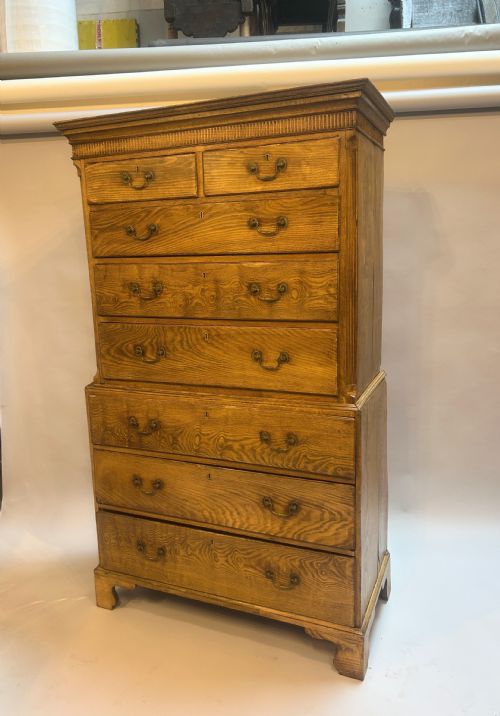
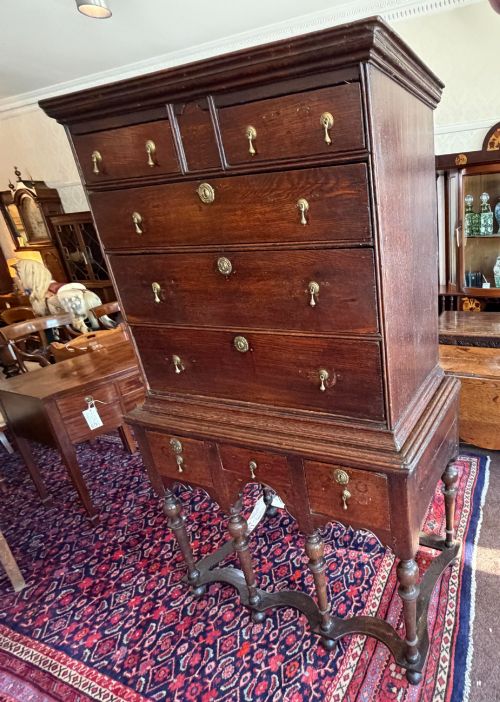
When a buyer searches for a highboy chest of drawers, they encounter tall vertical storage pieces formed by a smaller upper chest resting upon a lower stand or larger base chest. The pieces appearing here span the eighteenth century up to the twentieth century, with many examples originating from the Georgian and Queen Anne periods.
The layout typically separates small drawers above from deeper drawers below, occasionally incorporating a fitted writing drawer or cupboard space within the upper section. Walnut, mahogany and oak dominate the surviving corpus, appearing alongside crossbanded veneers, burr walnut and inlaid satinwood.
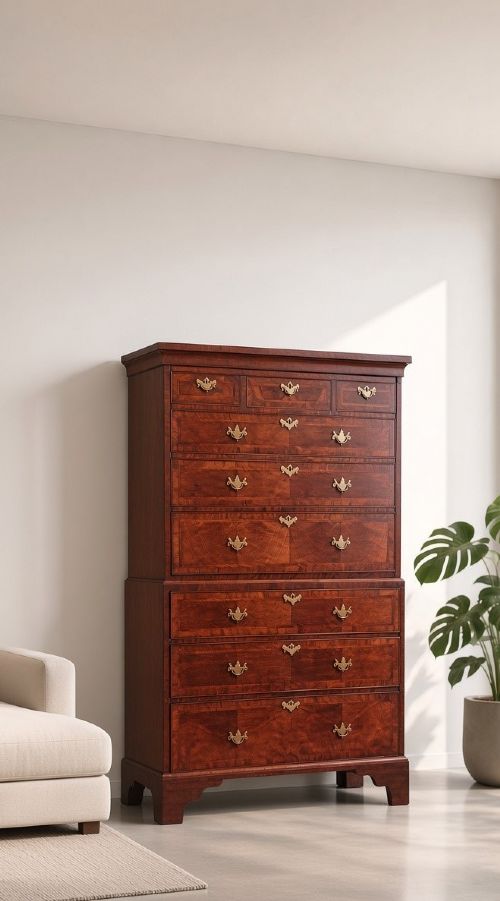
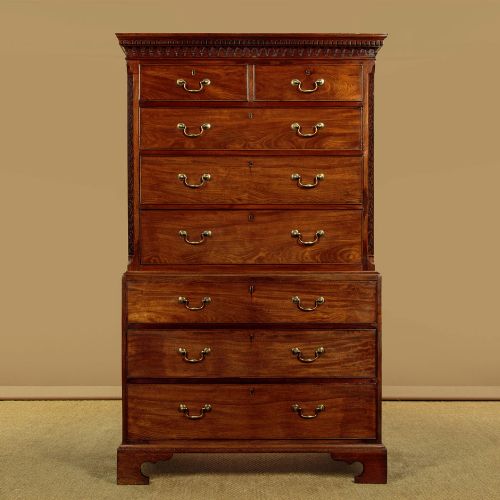
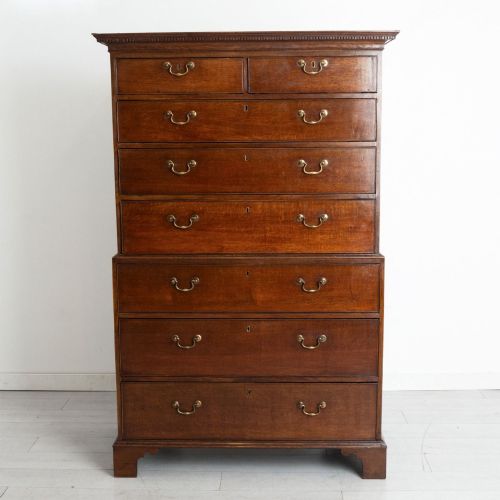
Buyers meet both the distinct chest on stand form and the taller chest on chest or tallboy variation. Eighteenth-century walnut and oak items sit alongside later Georgian mahogany editions and twentieth-century revivals.
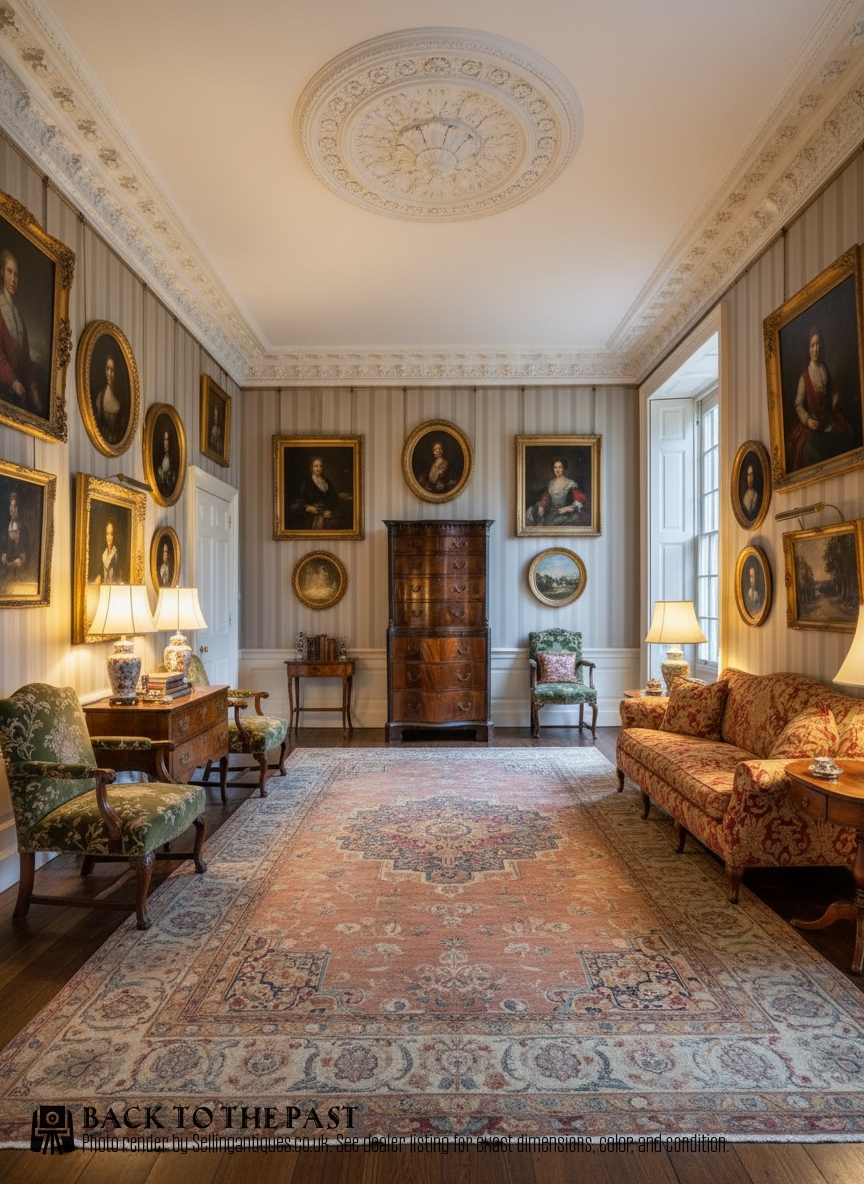
How they were made
Cabinetmakers constructed these stacked forms using solid timbers and decorative veneers applied to secondary framing woods. Walnut, mahogany and oak provide the structural foundation, while burr walnut and fruitwood inlay add surface pattern.
Joiners mounted the upper and lower sections together carefully, often retaining original brass drop handles and escutcheons on the drawer fronts. Drawers utilised traditional dovetail joinery to withstand daily use over centuries.
Highboy Chest of Drawers Retail Price Guide 2026
Typical asking prices for highboy chest of drawers among the pieces listed under this phrase on Sellingantiques today, from the lower quarter to the upper quarter. They describe what is for sale here now, not the wider market.
The listings span the eighteenth, nineteenth and twentieth centuries, featuring woods like oak, mahogany, walnut, burr walnut, elm and fruitwood.
What varies in quality
Quality rests upon the selection of timber veneers and the crispness of proportion between the upper and lower sections. Finer examples display carefully matched burr walnut or figured mahogany grains that wrap continuously across the drawer fronts.
The integration of original brass hardware, stable stands, and clean internal drawer construction distinguishes superior pieces. Proportion and timber choice dictate the visual balance of the tall silhouette.
The Highboy Chest of Drawers Glossary
- Chest on stand
- A two-part storage form comprising an upper chest of drawers elevated on a lower leg stand or frame. This design lifts the primary storage compartments away from floor level.
- Tallboy
- A tall chest of drawers built as one chest stacked directly upon a second, larger chest. The form maximises vertical storage capacity while maintaining a compact footprint.
- Crossbanding
- A border technique where thin strips of veneer are laid around the perimeter of a drawer front so the grain runs perpendicular to the central panel. This frames the primary timber visually.
- Dovetail
- A traditional interlocking joint used at the corners of drawers to ensure structural strength. Hand-cut variations indicate earlier periods of manufacture.
- Escutcheon
- A protective metal plate surrounding a keyhole on a drawer front. These plates prevent the timber from wearing around the lock mechanism.
Highboy Chest of Drawers: Frequently Asked Questions
What is a highboy chest of drawers?
A highboy chest of drawers is a tall storage furniture piece built in two stacked sections. It combines a top case of multiple drawers with a lower support stand or a second larger chest.
These pieces provide substantial vertical storage while occupying a relatively small floor area. The design evolved to keep garments protected and organised within tall upright proportions.
Where should I place a highboy in a room?
A highboy suits spaces where floor area is limited but vertical wall room is available. Bedrooms and hallways accommodate their tall silhouette effectively without crowding surrounding furniture.
Consider ceiling height when positioning the piece to ensure proper clearance above the cornice. Anchoring the upper section securely to the wall adds stability when living with tall antique furniture.
How do I care for antique walnut and mahogany?
Maintain antique timber surfaces by dusting regularly with a soft, dry cloth. Avoid placing these pieces in direct sunlight or near heat sources that can dry out the wood and veneers.
Applying a traditional beeswax polish periodically helps nourish the grain and protects the finish. Keep humidity levels in the room stable to prevent the wood from expanding or contracting.